
- In One Sentence
- 1 Basic Information
- 2 Neighborhood Characteristics
- 3 Safety and Night Atmosphere
- 4 Rent Levels
- 5 Shopping Environment
- 6 Medical Access
- 7 Local Restaurants
- 8 Ramen Scene
- 9 Train Lines and Connectivity
- 10 Access to Major Stations
- 11 Shrines, Parks, and Culture
- 12 Disaster Risk
- 13 Pros and Cons
- 14 Who This Area Suits
- 15 Summary
In One Sentence
“This is where you live in Tokyo while stepping away from Tokyo.”
You can still reach Shinjuku Station, but what you return to is mountain air and silence. Weekdays feel almost empty, while weekends bring waves of people from all over the world. Only those who accept this contrast can truly live here.
1 Basic Information
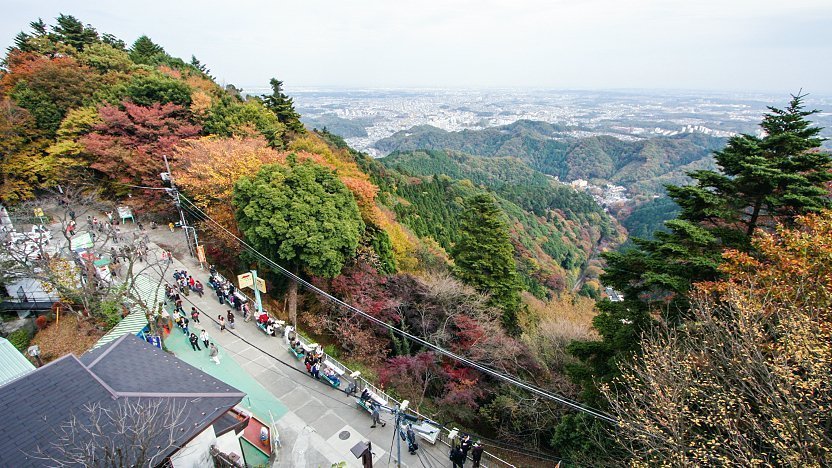
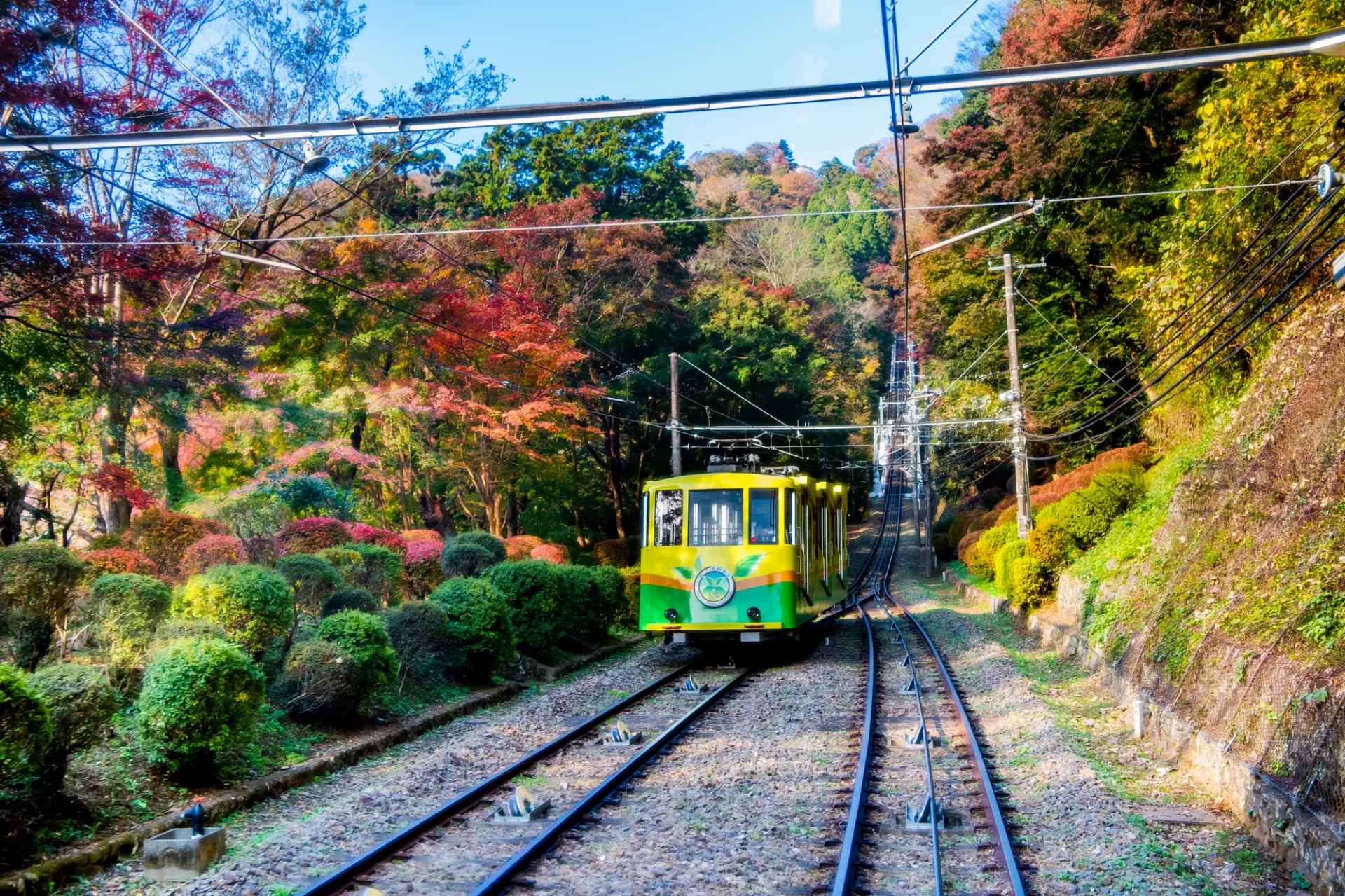

In conclusion, Takao Station is a boundary point where daily life, nature, and tourism intersect.
It takes about 50 minutes to reach Shinjuku Station via the JR Chuo Line Rapid. Access exists, but this is not an extension of central Tokyo.
In the morning, commuters line up on the platform, but the atmosphere is relaxed. Suits and hiking backpacks stand side by side, reflecting the structure of this area.
Living here shifts your mindset from “a place to commute from” to “a place to return to.”
2 Neighborhood Characteristics
In conclusion, Takao is a place that changes personality depending on the day of the week.
On weekdays, the area is extremely quiet. Around the station, only a few people move slowly—elderly residents, locals, and the occasional passerby. The dominant sounds are wind and birds.
On weekends, everything changes. Hikers, tourists, and international visitors flood the area. The same station transforms into a crowded gateway to nature.
This extreme contrast—silent weekdays and crowded weekends—is the core of Takao.
Living here means constantly adjusting to whether the day is calm or crowded.
3 Safety and Night Atmosphere
In conclusion, nights in Takao are defined by a level of silence rarely found in Tokyo.
Once evening comes, tourists disappear. Even near the station, foot traffic drops significantly. In residential areas, only faint sounds remain—cars in the distance, leaves moving in the wind.
There is almost no nightlife. No neon, no loud crowds.
Living here changes your sense of time—night becomes a moment to return home, not to go out.
4 Rent Levels
In conclusion, Takao is a place where you exchange time for space and nature.
Studios range from ¥40,000–¥60,000, and 1LDKs from ¥70,000–¥100,000. Compared to areas near Shinjuku Station, you can secure much larger living spaces.
This opens up options like houses with gardens or parking spaces.
Mornings begin with coffee in a spacious room, followed by a long train ride into the city.
Living here shifts your priorities from saving time to improving quality of life.
5 Shopping Environment
In conclusion, Takao is not a station-centered shopping environment.
Basic stores exist, but variety is limited. For larger or more diverse shopping, residents head toward Hachioji Station or roadside commercial areas.
During the day, many locals rely on cars or bicycles.
Living here makes you realize that shopping becomes an activity that includes movement.
6 Medical Access
In conclusion, Takao offers basic healthcare locally but relies on nearby areas for more advanced care.
Small clinics are available, but larger hospitals are typically accessed in Hachioji.
During weekdays, clinics operate at a slower pace, reflecting the local lifestyle.
Living here means balancing local convenience with external support.
7 Local Restaurants
In conclusion, dining in Takao operates along tourism-driven flow rather than standalone destinations.
■ Takahashiya
• Genre: Soba
• Budget: ¥1,000–¥2,000
• URL: https://www.google.com/search?q=高橋家+高尾山
• Local feel: After hiking, customers form long lines, and turnover is constant.
• Future image: Becomes a fixed stop after descending the mountain.
■ Sakaechaya
• Genre: Local cuisine
• Budget: ¥1,000–¥2,000
• URL: https://www.google.com/search?q=栄茶屋+高尾山
• Local feel: Multiple languages fill the space, mixing locals and tourists.
• Future image: A place where cultures naturally blend.
■ TAKAO COFFEE
• Genre: Café
• Budget: ¥500–¥1,500
• URL: https://www.google.com/search?q=TAKAO+COFFEE
• Local feel: Integrated into the flow of pre- and post-hike breaks.
• Future image: A natural pause point in daily routines.
Living here changes your understanding—restaurants are not destinations, but part of movement.
8 Ramen Scene
In conclusion, ramen in Takao becomes part of routine due to limited choices.
■ Ramen Takahashi
• Genre: Ramen
• Budget: ¥700–¥1,000
• URL: https://www.google.com/search?q=ラーメン高橋+高尾
• Local feel: Quietly used by locals rather than tourists.
• Future image: Becomes your default meal without thinking.
■ Menya Ryusei
• Genre: Ramen
• Budget: ¥800–¥1,200
• URL: https://www.google.com/search?q=麺屋龍星+高尾
• Local feel: Small space with regular customers maintaining the flow.
• Future image: Naturally becomes part of your route home.
9 Train Lines and Connectivity
In conclusion, Takao is a station where human flow defines value.
The JR Chuo Line connects directly to Shinjuku Station, but the distance makes daily commuting physically demanding.
At the same time, this distance preserves Takao’s independence as a destination.
Weekdays bring outbound commuter flow, while weekends bring inbound tourism flow.
Living here changes your perspective—trains are not the center of life, but one part of it.
10 Access to Major Stations
In conclusion, access exists, but distance is a real factor.
• Shinjuku Station: ~50 min (last train around 0:10 / taxi ~¥18,000)
• Tokyo Station: ~65 min (last train around 0:00 / taxi ~¥25,000)
• Hachioji Station: ~10 min (last train around 1:00 / taxi ~¥3,000)
• Tachikawa Station: ~20 min (last train around 1:00 / taxi ~¥5,000)
Even near the last train, the station remains calm.
Living here reduces the feeling of being rushed by time.
11 Shrines, Parks, and Culture
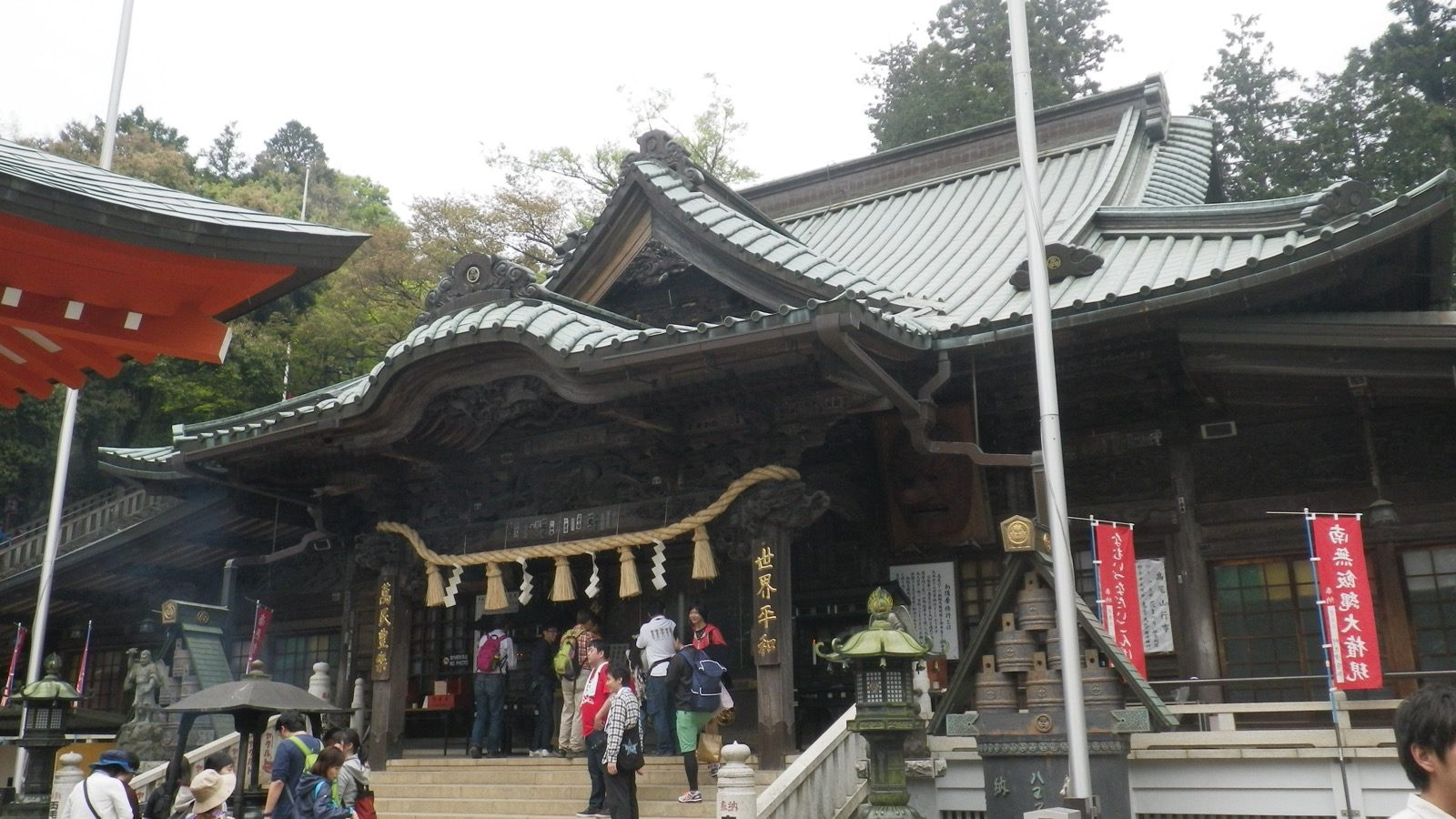
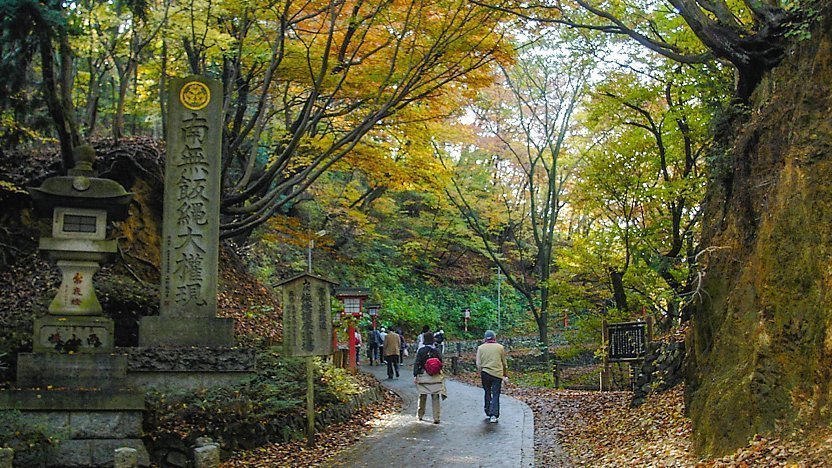
In conclusion, Takao is a place where nature, spirituality, and tourism coexist.
Mount Takao’s Yakuoin Temple is both a tourist destination and an active place of worship. Visitors and locals share the same space.
Living here means experiencing life inside a destination rather than visiting it.
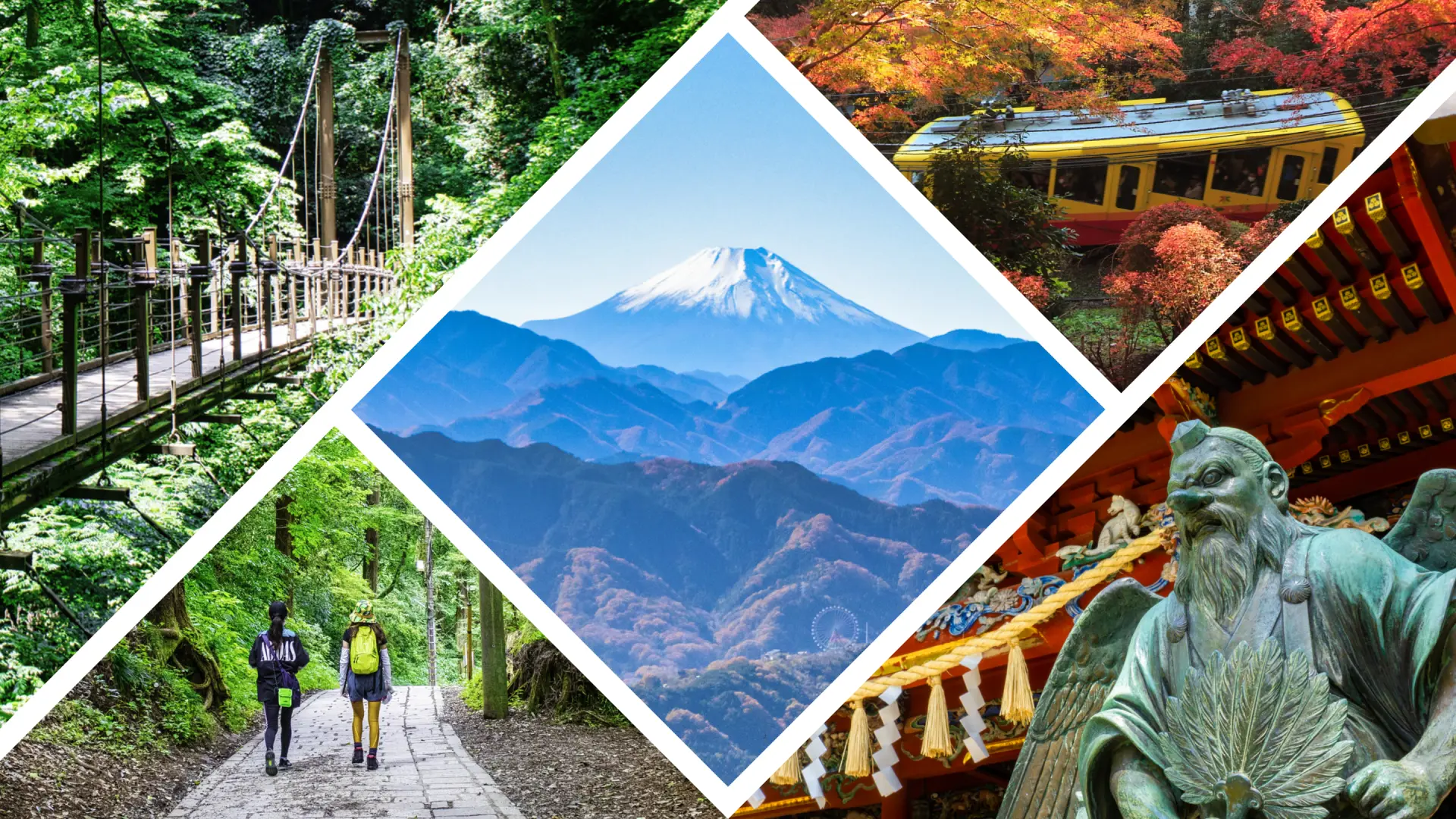
Nature is not a special event—it is everyday life.
Each season changes how the environment feels.
Living here shifts your mindset from consuming nature to living with it.
12 Disaster Risk
In conclusion, Takao requires accepting the risks that come with nature.
Landslide and flood risks vary depending on location. Areas closer to mountains or rivers require careful consideration.
Living here means understanding both the benefits and risks of natural surroundings.
13 Pros and Cons
In conclusion, Takao is a place where lifestyle and business can coexist—but not always steadily.
■ Pros
• Exceptional natural environment → Reduced stress
• Affordable housing → Better living space
• Tourism flow → Opportunities for foreign-targeted business
■ Cons
• Limited shopping → Car often necessary
• Long commute → Daily burden
• Tourist waves → Weekend lifestyle disruption
14 Who This Area Suits
In conclusion, Takao suits people with a clear vision of their lifestyle.
• Those who want nature as part of daily life
• People seeking quiet environments
• Individuals interested in location-based business
Living here blurs the line between work and life.
15 Summary
In conclusion, Takao is a place where you design your own way of living.
Weekdays are quiet, while weekends bring a surge of visitors.
Nature offers both comfort and opportunity.
This is not a convenient place.
But if it fits your values, it becomes deeply satisfying.
Living here shifts your focus from “where you live” to “how you live.”
Check nearby Chuo Line stations
Nishi-Hachioji Station Tokyo Living Guide | Takao Station Tokyo Living Guide