
- In One Sentence
- 1 Basic Information
- 2 Neighborhood Characteristics
- 3 Safety and Night Atmosphere
- 4 Rent Levels
- 5 Shopping Environment
- 6 Medical Access
- 7 Local Restaurants
- 8 Ramen Scene
- 9 Train Lines and Connectivity
- 10 Access to Major Stations
- 11 Shrines, Parks, and Culture
- 12 Disaster Risk
- 13 Pros and Cons
- 14 Who This Area Suits
- 15 Summary
In One Sentence
“This is where life stops revolving around the station and starts revolving around your home.”
You can still reach Shinjuku Station, but daily life unfolds locally. At night, silence replaces crowds, and everyday living becomes the main rhythm.
1 Basic Information


In conclusion, Nishi-Hachioji Station is a purely residential-focused station stripped of urban intensity.
You can reach Shinjuku Station in about 45 minutes via the JR Chuo Line Rapid, but the station itself remains calm and low-density.
In the morning, commuters quietly head toward Shinjuku Station, while at night the flow fades quickly, leaving behind a residential atmosphere.
Living here shifts your life from being station-centered to neighborhood-centered.
2 Neighborhood Characteristics
In conclusion, Nishi-Hachioji is a fully local residential area with minimal commercial noise.
Unlike Hachioji Station, there is no strong entertainment or shopping core—everything feels scaled down.
Basic shops exist, but the further you move away from the station, the more the area becomes purely residential.
During the day, elderly residents and locals move at a slow pace, and at night, the area becomes almost silent.
Living here means your life is centered around your home rather than the city.
3 Safety and Night Atmosphere
In conclusion, Nishi-Hachioji offers a calm and stable residential safety environment.
Without a major nightlife district, nighttime disturbances are limited.
At night, even around the station, foot traffic drops significantly, and residential quiet takes over.
You can hear footsteps under streetlights—something rare in more urban areas.
Living here means feeling safe walking home at night.
4 Rent Levels
In conclusion, Nishi-Hachioji is one of the more affordable areas along the Chuo Line.
Studios range from ¥40,000–¥60,000, and 1LDKs from ¥70,000–¥100,000.
Compared to central areas like Shinjuku Station, you gain significantly more space for the same price.
Mornings begin in a spacious home, followed by either a train commute or driving.
Living here means your home becomes the center of comfort.
5 Shopping Environment
In conclusion, daily life does not fully complete within the station area.
Basic supermarkets and drugstores exist, but options are limited.
Larger shopping often requires going to Hachioji Station or roadside stores.
During the day, many locals move by bicycle or car.
Living here makes you realize how much a car expands your daily flexibility.
6 Medical Access
In conclusion, medical access is sufficient locally but supplemented by nearby areas.
Clinics are available near the station, but larger hospitals are often accessed around Hachioji Station.
During weekdays, locals visit clinics at a relaxed pace.
Living here means balancing local access with nearby urban support.
7 Local Restaurants
In conclusion, dining here is deeply rooted in everyday local life.
■ Kitchen Rocco
• Genre: Western-style diner
• Budget: ¥1,000–¥2,000
• URL: https://www.google.com/search?q=キッチンロッコ+西八王子
• Local feel: Quiet regulars enjoying meals without rush.
• Future image: Becomes your go-to everyday restaurant.
■ Izakaya Fuku
• Genre: Izakaya
• Budget: ¥2,000–¥4,000
• URL: https://www.google.com/search?q=西八王子+居酒屋+ふく
• Local feel: Calm atmosphere with low noise and steady regulars.
• Future image: A relaxed place to end your day.
8 Ramen Scene
In conclusion, the ramen culture here is quiet but highly respected for quality.
■ Motsuke
• Genre: Ramen
• Budget: ¥1,000–¥1,500
• URL: https://www.google.com/search?q=もつけ+西八王子
• Local feel: Lines form even before opening, mostly locals.
• Future image: Becomes a weekly habit.
■ Goemon
• Genre: Hachioji-style ramen
• Budget: ¥700–¥1,000
• URL: https://www.google.com/search?q=吾衛門+西八王子
• Local feel: A completely local shop with no tourist presence.
• Future image: A reliable everyday meal spot.
9 Train Lines and Connectivity
In conclusion, Nishi-Hachioji connects to central Tokyo but functions independently.
The JR Chuo Line Rapid provides access to Shinjuku Station, but daily life is not built around the train.
Morning trains head toward Shinjuku, but the overall flow is lighter than major stations.
Living here means trains are a tool, not the center of your life.
10 Access to Major Stations
In conclusion, access is available but not dominant.
• Shinjuku Station: ~45 min (last train around 0:20 / taxi ~¥16,000)
• Tokyo Station: ~60 min (last train around 0:00 / taxi ~¥22,000)
• Hachioji Station: ~3 min (last train around 1:00 / taxi ~¥1,000)
• Tachikawa Station: ~15 min (last train around 1:00 / taxi ~¥4,000)
Even near the last train, the station remains relatively calm.
Living here reduces the sense of time pressure.
11 Shrines, Parks, and Culture
In conclusion, nature and daily life are closely integrated here.
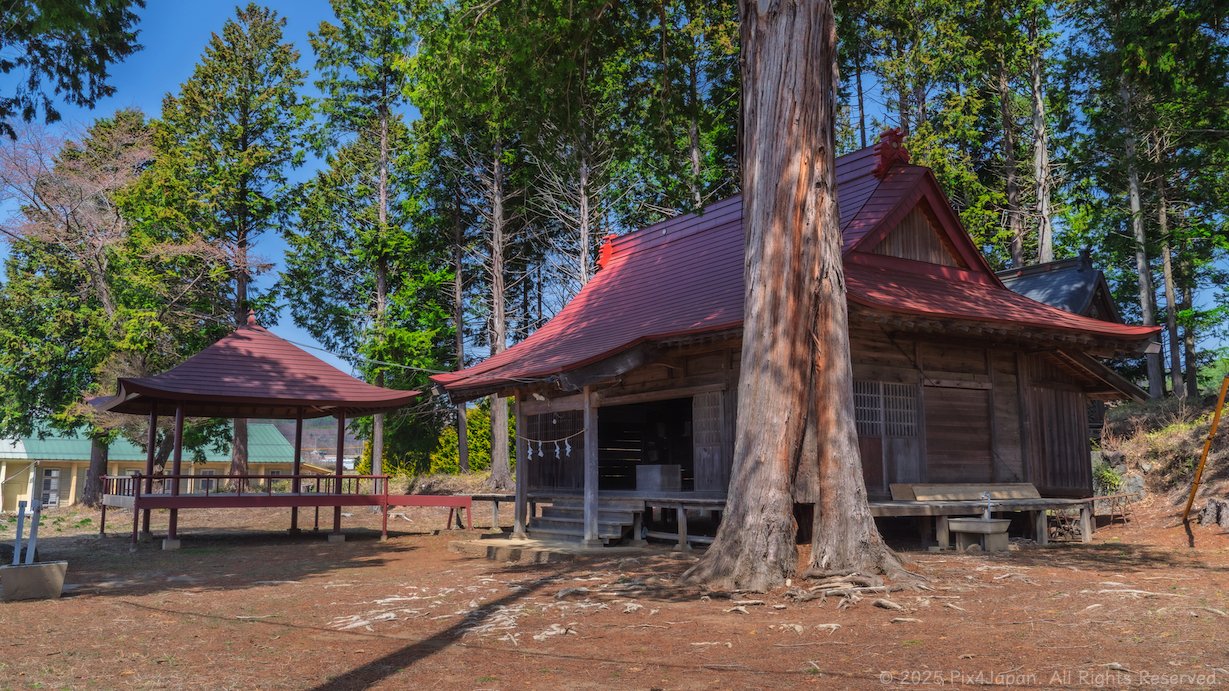
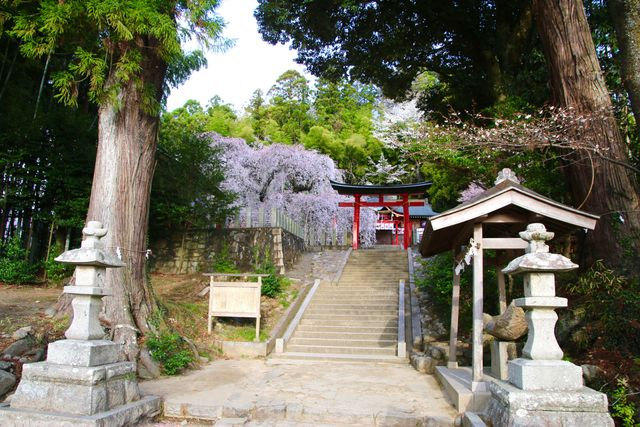
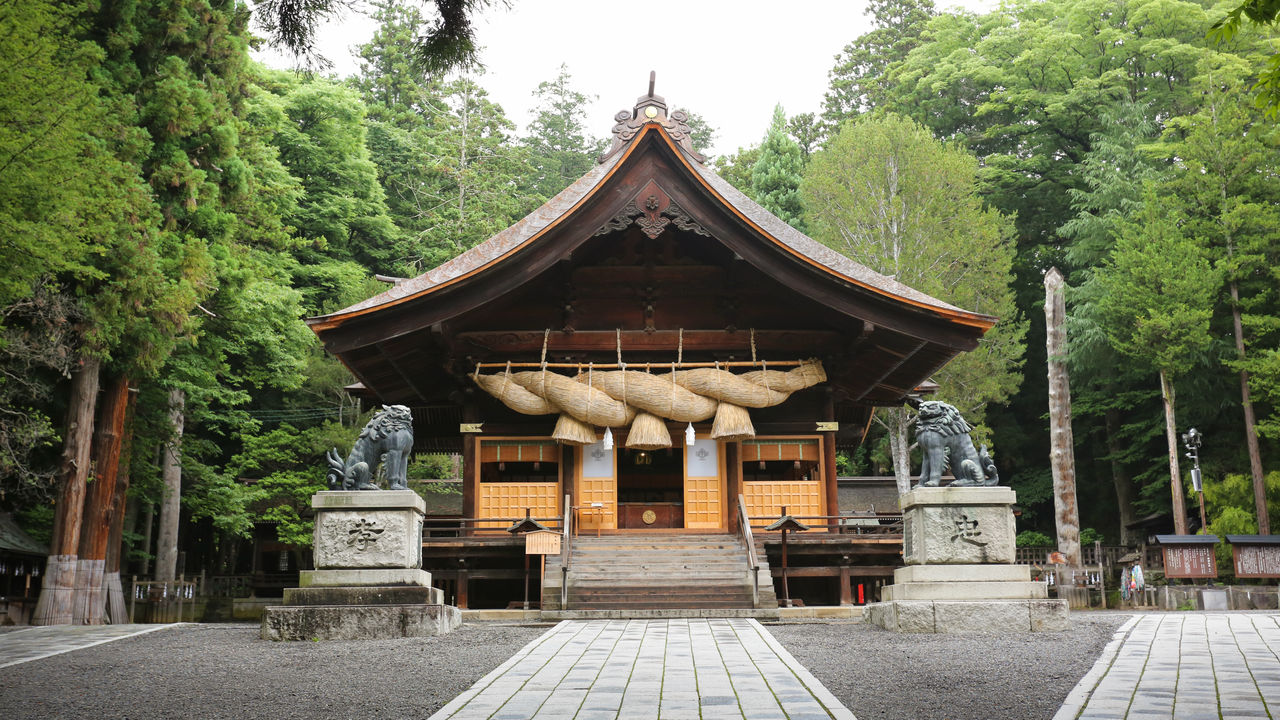
Suwa Shrine is quiet and deeply local, not a tourist destination.
The atmosphere reflects everyday life rather than special occasions.
Living here makes these quiet spaces part of your routine.
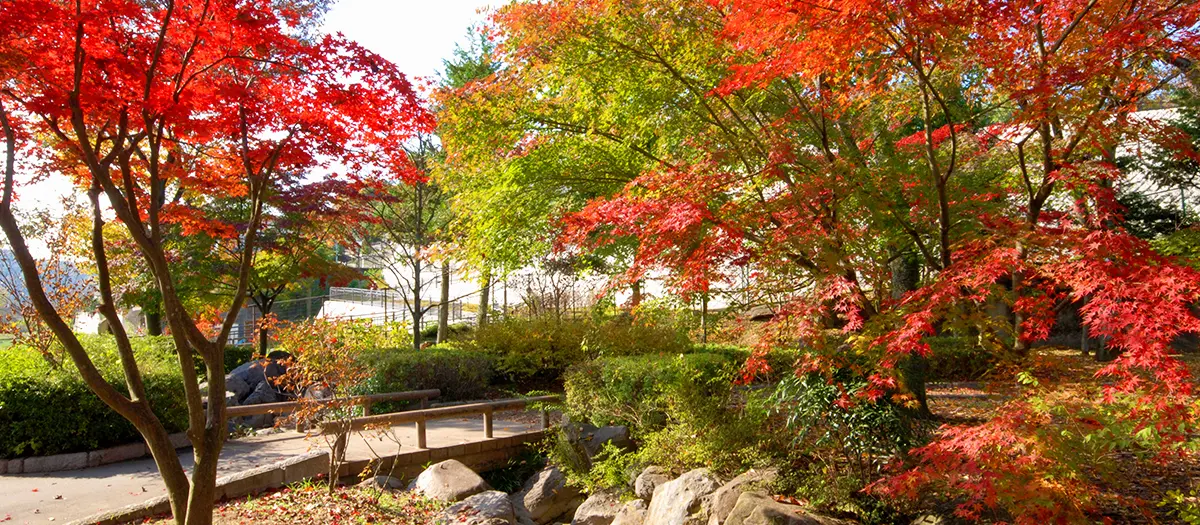

Ryonan Park offers a wide riverside space where daily life unfolds.
Families and locals naturally gather here on weekends.
Living here means your free time shifts toward nature.
12 Disaster Risk
In conclusion, the area is relatively stable but varies by location.
Areas near the Asakawa River may face flood risks.
Older residential zones may carry fire spread risks.
Living here means location choice directly affects safety.
13 Pros and Cons
In conclusion, this is a lifestyle-focused area that requires trade-offs.
■ Pros
• Affordable and spacious housing → Improved living quality
• Quiet and stable → Peaceful environment
• Close to nature → Relaxed lifestyle
■ Cons
• Limited shopping → Car becomes useful
• Long commute → Daily burden
• Strong local identity → Takes time to integrate
14 Who This Area Suits
In conclusion, Nishi-Hachioji suits those who embrace local living.
• People seeking quiet environments
• Those comfortable with car-based lifestyles
• Individuals open to community integration
Daily interactions and relationships remain visible in the neighborhood.
Living here means becoming part of the local fabric.
15 Summary
In conclusion, Nishi-Hachioji is a place to focus on life itself.
Mornings begin in quiet neighborhoods, with the option to commute to Shinjuku.
Afternoons stay local, and evenings return to calm surroundings.
Weekends revolve around parks and nearby nature.
This is not a place built on convenience.
It is a place built on living well.
Those who only seek station convenience may struggle here.
Living here shifts your focus from “where to go” to “how to live.”
Check nearby Chuo Line stations
Hachioji Station Tokyo Living Guide | Nishi-Hachioji Station Tokyo Living Guide | Takao Station Tokyo Living Guide