- In One Quick Line
- 1 Basic Information
- 2 Character of the Area
- 3 Safety and the Feel of the Night
- 4 Rent Levels
- 5 Shopping Environment
- 6 Medical Access
- 7 Local Restaurants
- 8 Ramen
- 9 Character of the Lines
- 10 Access to Major Stations
- 11 Shrines, Parks, and Cultural Facilities
- 12 Disaster Risk
- 13 Advantages and Disadvantages
- 14 Who This Area Suits
- 15 Summary
In One Quick Line
Shimbashi is where the reality of working in Tokyo is fully exposed.
At night, SL Square fills with loosened ties, office workers, and foreign visitors, while the sounds of trains and laughter overlap.
Just one stop away from the polished calm of Marunouchi, the atmosphere suddenly drops into something rough, dense, and unmistakably real.
If you live here, the city becomes an extension of your workday.
1 Basic Information
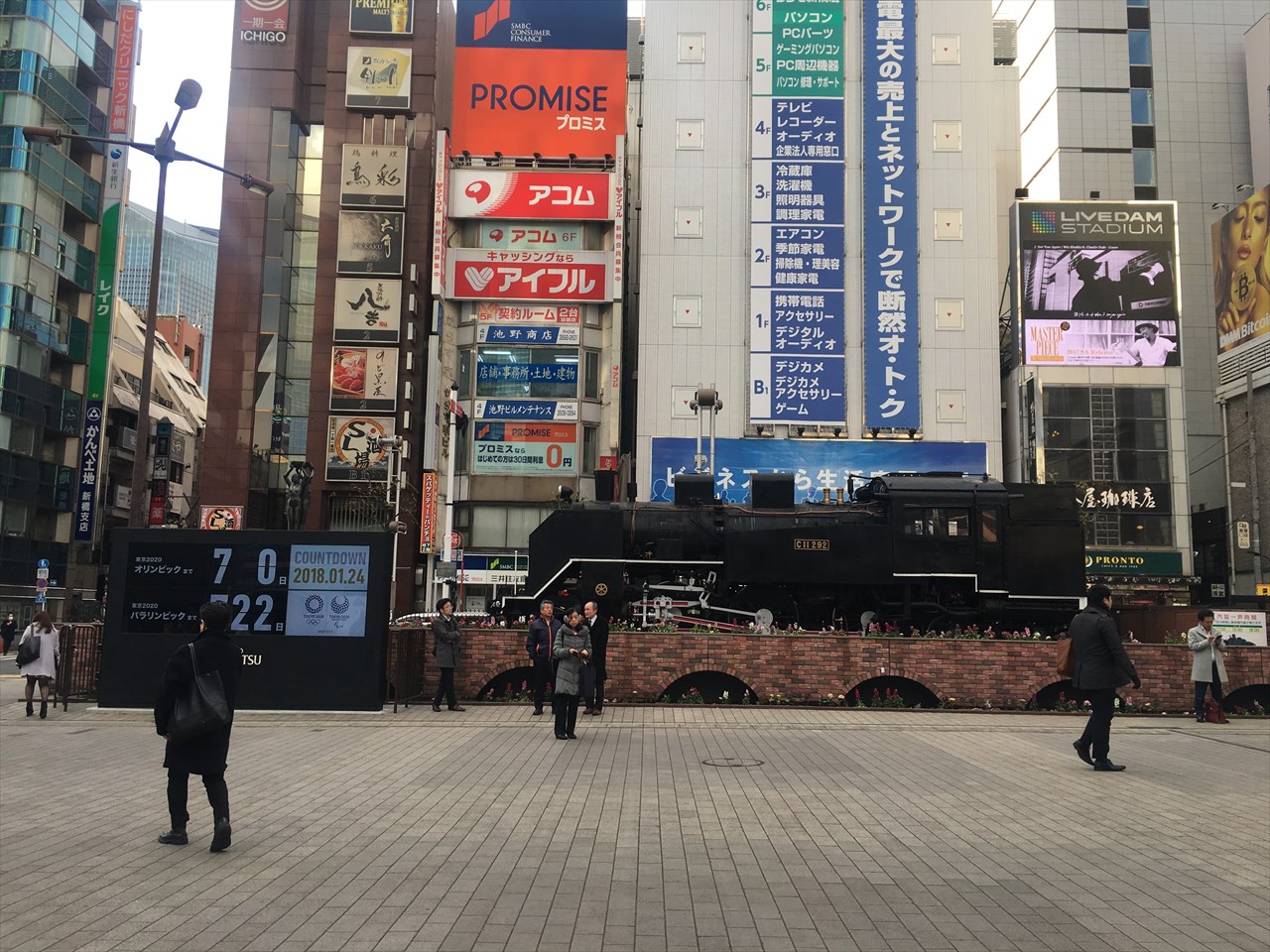
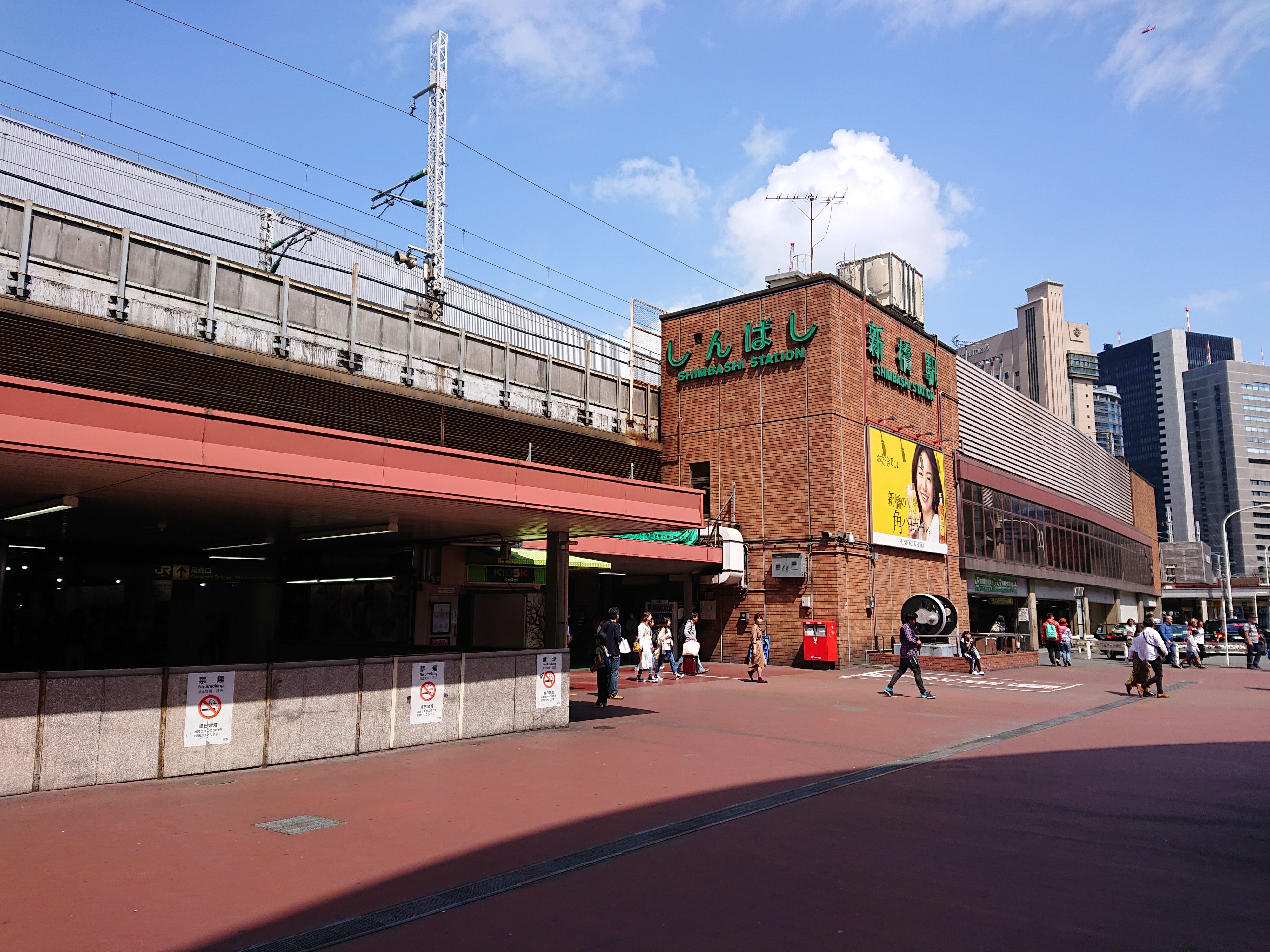
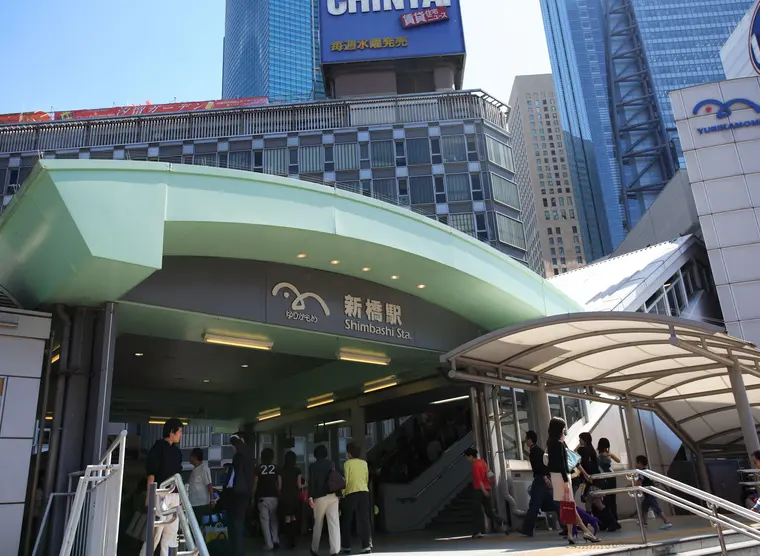
Conclusion: Shimbashi is one of the most practical stations in Tokyo.
It is served by the Yamanote Line, Keihin-Tohoku Line, Tokaido Line, Yokosuka Line, Yurikamome, and Toei Asakusa Line.
This gives direct access to Tokyo, Shinagawa, Ginza, Toranomon, and Odaiba.
In the morning, people move with purpose in a straight flow.
At midday, it is dominated by office workers.
At night, it transforms completely into a drinking district.
SL Square is the symbolic center—used for meeting up, smoking, chatting, and waiting.
Just standing there makes it clear: this is Shimbashi.
Living here, you don’t just feel convenience—you feel how closely work and the city are connected.
2 Character of the Area
Conclusion: Shimbashi is a city optimized for working people.
If Ginza is a place to show, and Yurakucho is a place to use,
Shimbashi is a place to consume and release.
Its defining feature is the density of drinking spots.
Standing bars, yakitori shops, izakayas, snack bars—everything is packed in.
At the same time, the contrast with the redeveloped Shiodome area is extreme.
Glass skyscrapers and old underpass bars switch within minutes.
That contrast is the essence of Shimbashi.
Living here means choosing your mood daily:
a quiet evening in Shiodome, or a loud, casual one under the tracks.
3 Safety and the Feel of the Night
Conclusion: Not dangerous, but dense with intoxication.
Shimbashi is generally safe.
However, at night, it becomes a completely different place.
There are many drunk people,
but they are not aggressive—just heavily intoxicated.
Voices get loud.
Distances get closer.
Laughter gets bigger.
Around SL Square and the underpass areas, the density peaks.
Living here means accepting that “lively nights” are the default, not quiet ones.
4 Rent Levels
Conclusion: Expensive, but justified by convenience.
Studio: around ¥100,000–¥150,000
1LDK: around ¥180,000–¥300,000
Because it is primarily an office district, housing supply is limited.
In practice, people often consider nearby areas like
Toranomon, Hamamatsucho, and Shiba.
Living here makes one thing clear:
shorter commute times directly improve quality of life.
5 Shopping Environment
Conclusion: Sufficient, but not ideal for home cooking.
There are plenty of convenience stores, discount shops, and drugstores.
Ginza and Yurakucho are nearby, so shopping overall is strong.
However,
large supermarkets are limited.
As a result, lifestyles tend to rely on eating out and takeaway.
Living here shifts your mindset toward “eating is faster than cooking.”
6 Medical Access
Conclusion: Functional and reliable.
There are many clinics—internal medicine, dental, and specialists.
Access is excellent.
However,
the feeling of a neighborhood doctor is weak.
Living here turns healthcare into something efficient and task-oriented.
7 Local Restaurants
Conclusion: Shimbashi is completed by its drinking culture.
New Shimbashi Building (Izakaya cluster)
Genre: Izakaya
Price: ¥2,000–¥4,000
https://www.google.com/search?q=ニュー新橋ビル 居酒屋
Real feel: People drinking even during the daytime
Future image: A drink before going home becomes routine
Tairoji
Genre: Traditional izakaya
Price: ¥2,000–¥3,000
https://www.google.com/search?q=大露路 新橋
Real feel: Always crowded
Future image: You develop your own regular route
Makocchan Main Store
Genre: Yakitori
Price: ¥2,000–¥4,000
https://www.google.com/search?q=まこちゃん 新橋
Real feel: Smoke and voices define the space
Future image: It becomes your standard drinking spot
8 Ramen
Conclusion: Strong as a late-night finish.
Ramen Horiuchi
https://www.google.com/search?q=らぁめんほりうち 新橋
Real feel: Busy even late at night
Future image: Late-night ramen becomes a habit
Matoi
https://www.google.com/search?q=らぁめん纏 新橋
Real feel: Refined and balanced
Future image: A regular post-drinking choice
9 Character of the Lines
Conclusion: Top-tier transport hub.
Tokyo, Shinagawa, Ueno, Yokohama—
all accessible directly.
Plus:
Asakusa Line → airports
Yurikamome → Odaiba
Living here means eliminating most transport stress.
10 Access to Major Stations
Tokyo: ~3 min
Shinagawa: ~6 min
Shinjuku: ~20 min
Shibuya: ~25 min
11 Shrines, Parks, and Cultural Facilities
Shrine

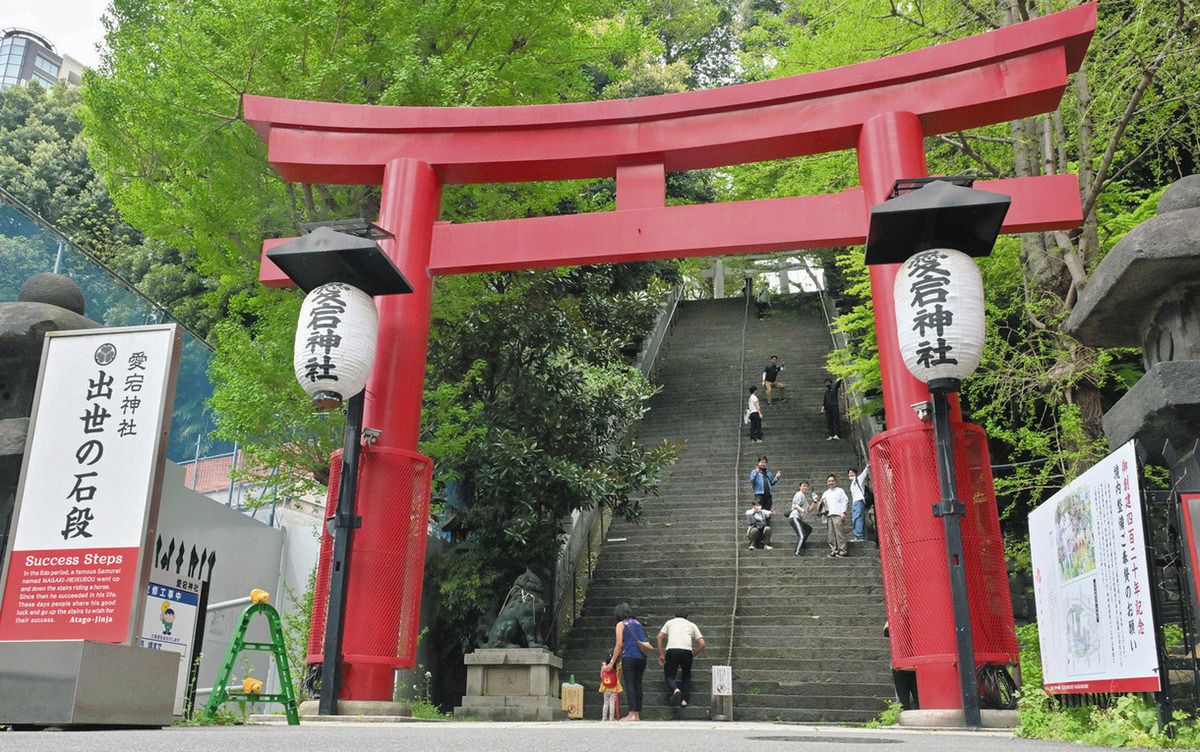
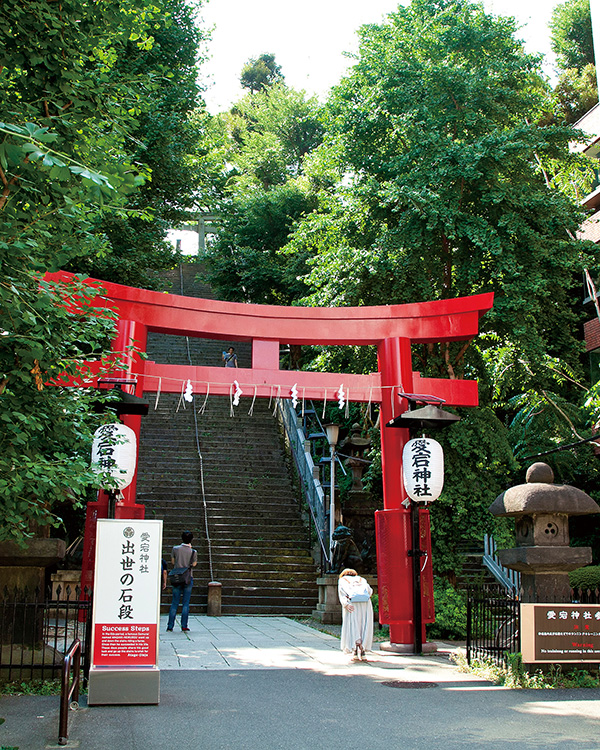
Conclusion: Atago Shrine defines this area.
Famous for the “Success Steps.”
A symbolic place in a work-centered district.
Living here creates moments where work and life intersect.
Park
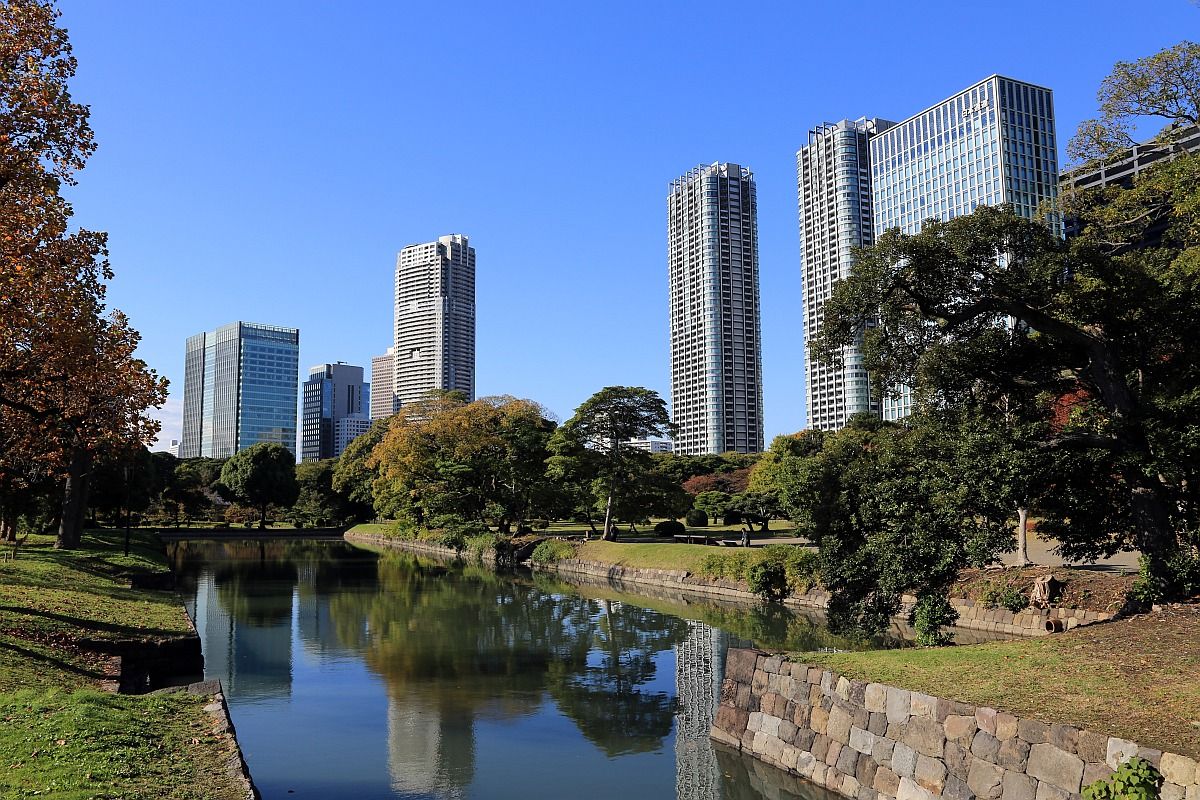


Conclusion: Hamarikyu Gardens are essential.
The contrast between skyscrapers and nature is striking.
Living here means having an instant escape from the city.
Cultural Facilities
Shiodome offers modern cultural spaces and museums.
The mix of business, art, and architecture creates a layered urban experience.
Living here integrates culture into daily life rather than treating it as something separate.
12 Disaster Risk
Conclusion: High risk of being stranded.
As a dense office area,
crowds accumulate quickly when trains stop.
Buildings are strong,
but movement becomes difficult.
Living here means understanding that disaster equals mobility loss.
13 Advantages and Disadvantages
Conclusion: A convenience-focused district.
Advantages
• Excellent transport
• Strong dining and nightlife
• High work efficiency
Disadvantages
• Noisy at night
• Weak supermarket options
• Low residential atmosphere
14 Who This Area Suits
Conclusion: Best for work-focused lifestyles.
Good fit
• People who eat out often
• Work-centered lives
• Central Tokyo living
Not a good fit
• Quiet residential life
• Home cooking lifestyles
15 Summary
Shimbashi is a city built for working people.
Morning is work.
Night is drinking.
The two connect seamlessly.
More human than Marunouchi.
More intense than Yurakucho.
Living here gives you the strongest sense of “working in Tokyo.”
In exchange for convenience,
daily life becomes slightly rough.
Still, the raw reality of this place is addictive.
Check nearby Yamanote Line stations
← Yurakucho Station Tokyo Living Guide | Shimbashi Station | Hamamatsucho Station Tokyo Living Guide →