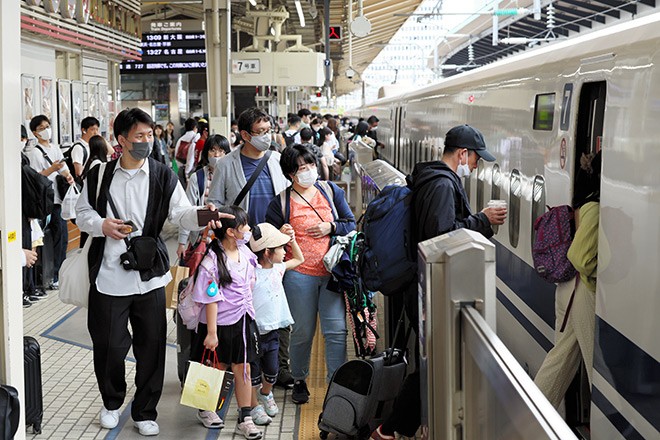
Tokyo is a city where trains are not just transportation. They are daily life itself. Work, school, shopping, appointments, late nights, and ordinary routines all move through stations and train cars every single day.
That is why even small actions inside a train or inside a station can affect a lot of people very quickly. Something that feels normal to you may be seen as rude in Tokyo. And because many people are tired, rushed, and simply trying to get through the day, noisy or disruptive behavior stands out more strongly than visitors expect.
Most people will not say anything. That does not mean they are comfortable.
This guide is not here to attack visitors. It is here to help you understand how train culture works in Tokyo, avoid unnecessary friction, and move through the city more safely and smoothly.
- Train manners in Tokyo, in one simple idea
- These are the instant deal-breakers
- Train behaviors that make Japanese people think, “I like this person”
- What does “step out of the main flow before stopping” mean?
- Why train misbehavior feels so unpleasant in Tokyo
- Still not enough? There is more.
- 100 train behaviors Japanese people dislike
- 50 mistakes foreign visitors make
- 50 global train manners
- 50 basic train manners in Japan
- Final idea
Train manners in Tokyo, in one simple idea
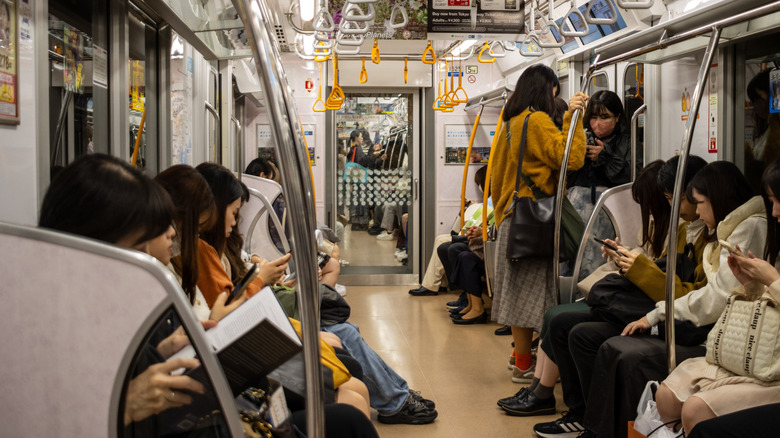
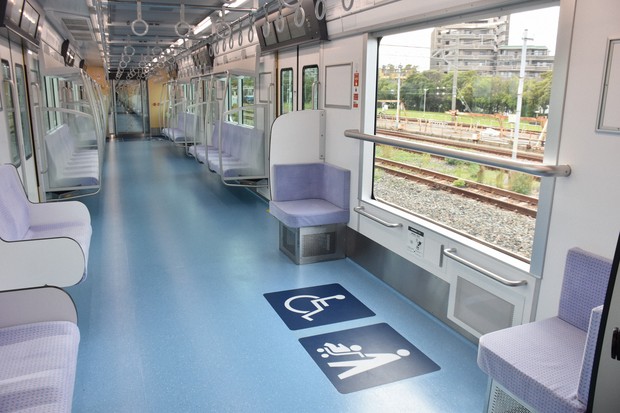

Train etiquette in Tokyo is built around three things.
Keep your voice down.
Do not stop the flow of people.
Do not take more shared space than you need.
These are the instant deal-breakers
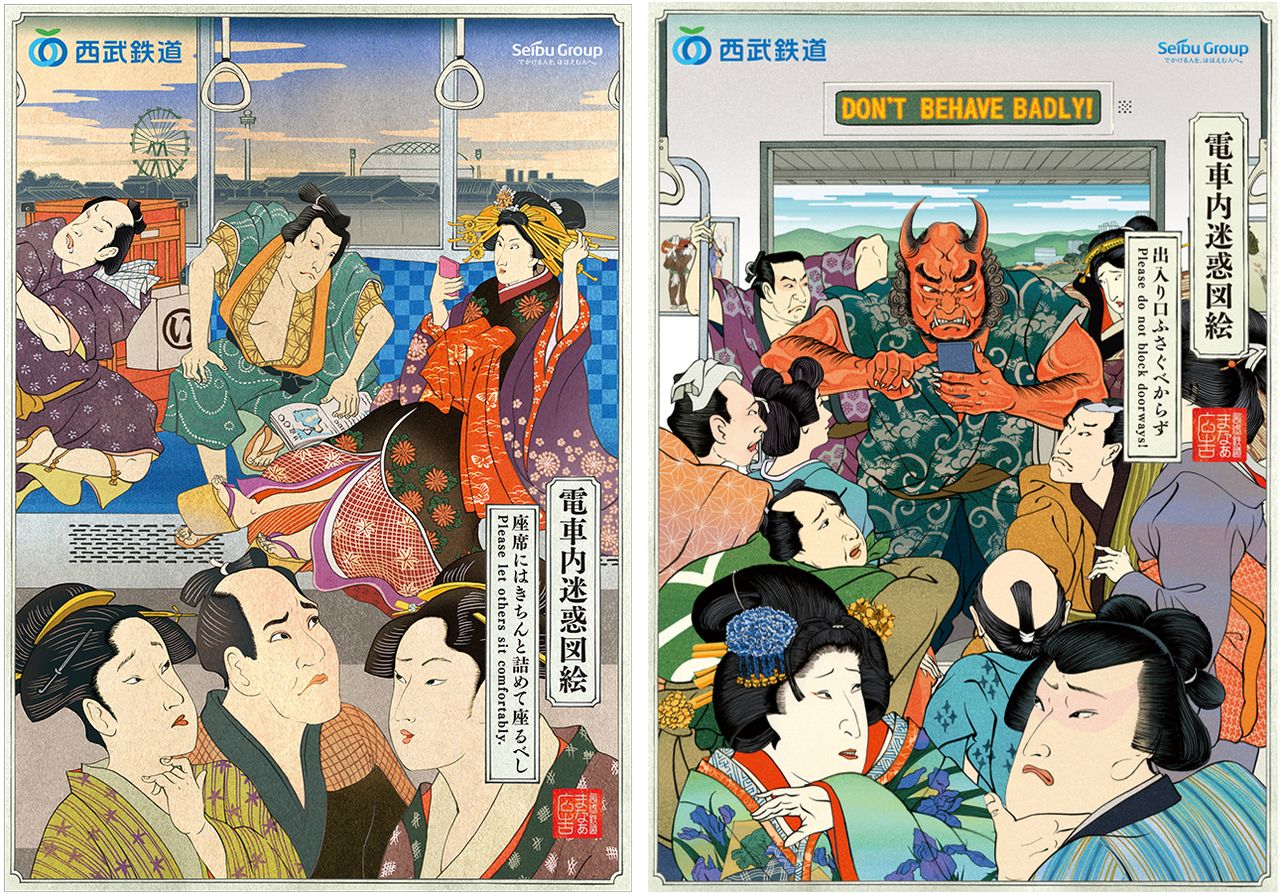
5 train behaviors Japanese people tend to dislike from foreign visitors
- Boarding before passengers get off
- Blocking the doorway
- Suitcase in the aisle
- Bag on the seat
- Sitting in priority seats without awareness
5 common mistakes visitors make
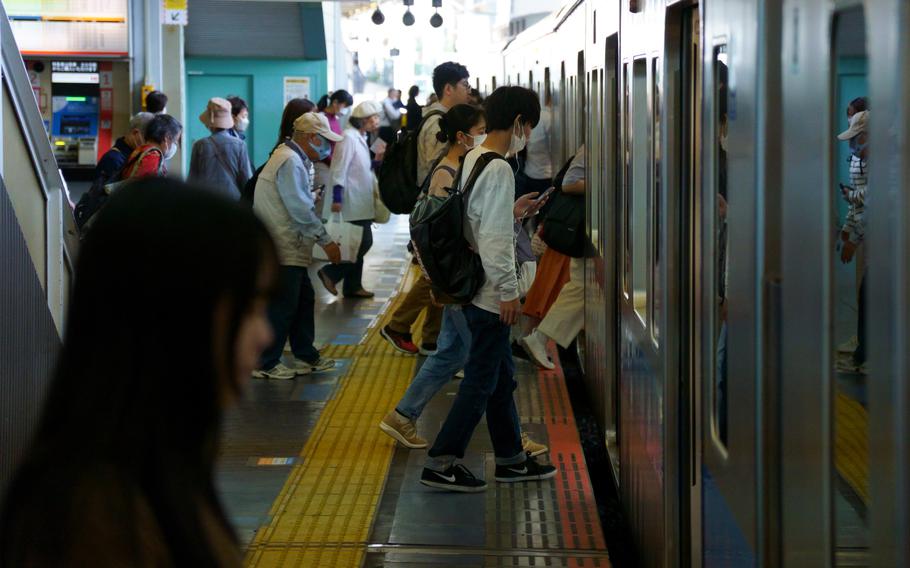
- Walking wide
- Stopping suddenly
- Blocking with luggage
- Running for seats
- Being loud
Train behaviors that make Japanese people think, “I like this person”

- Let people get off first
- Move inside
- Step aside
- Keep bags small
- Stay quiet
- Avoid priority seats
- Move out of flow
What does “step out of the main flow before stopping” mean?
Do not stop:
- Gate front
- Stairs
- Escalator exit
Stop:
- Wall side
- Bench
- Vending machine
Rule: step out of flow
Why train misbehavior feels so unpleasant in Tokyo
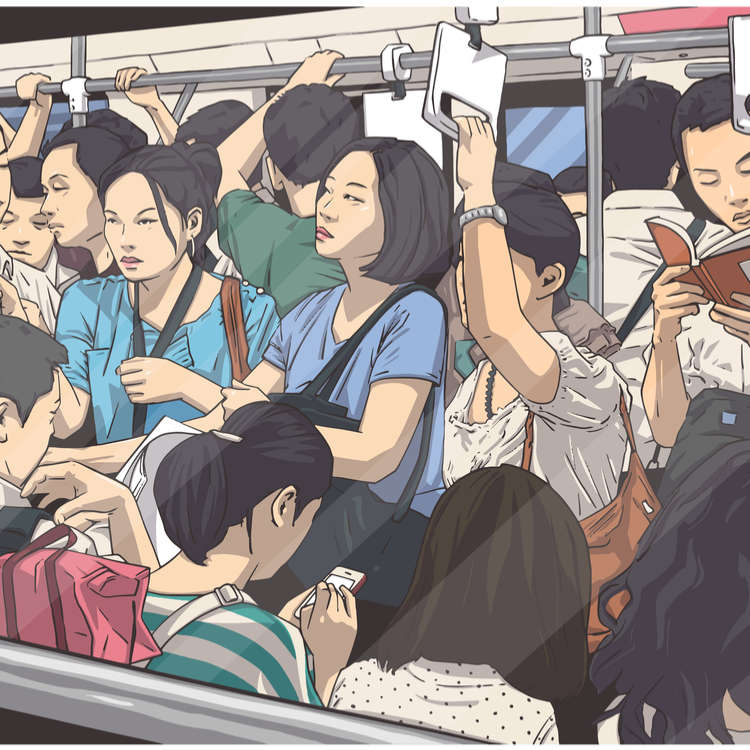
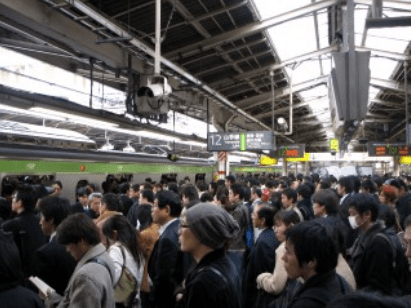
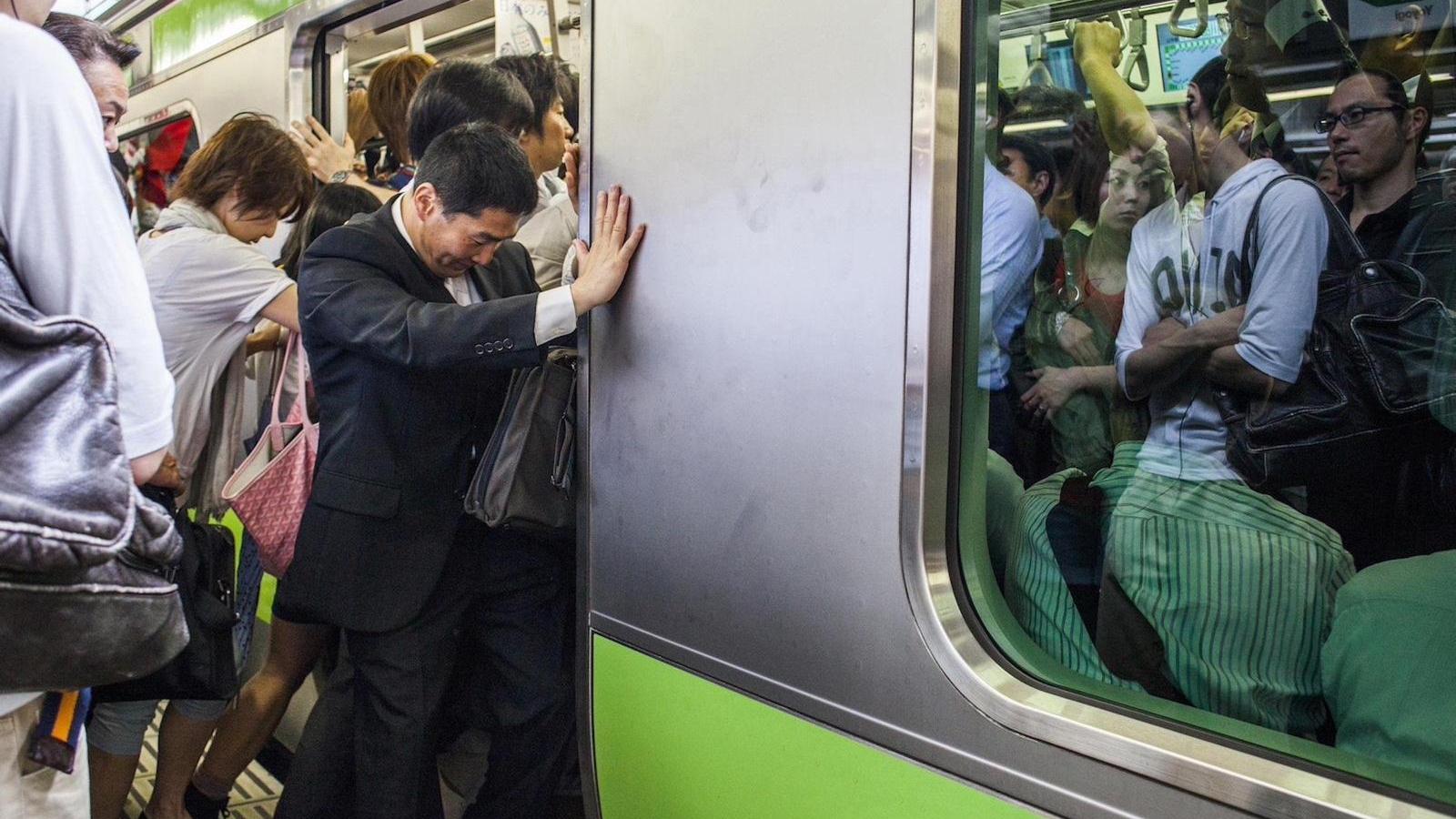
Trains are crowded, stressful spaces.
Small behavior becomes big.
Still not enough? There is more.
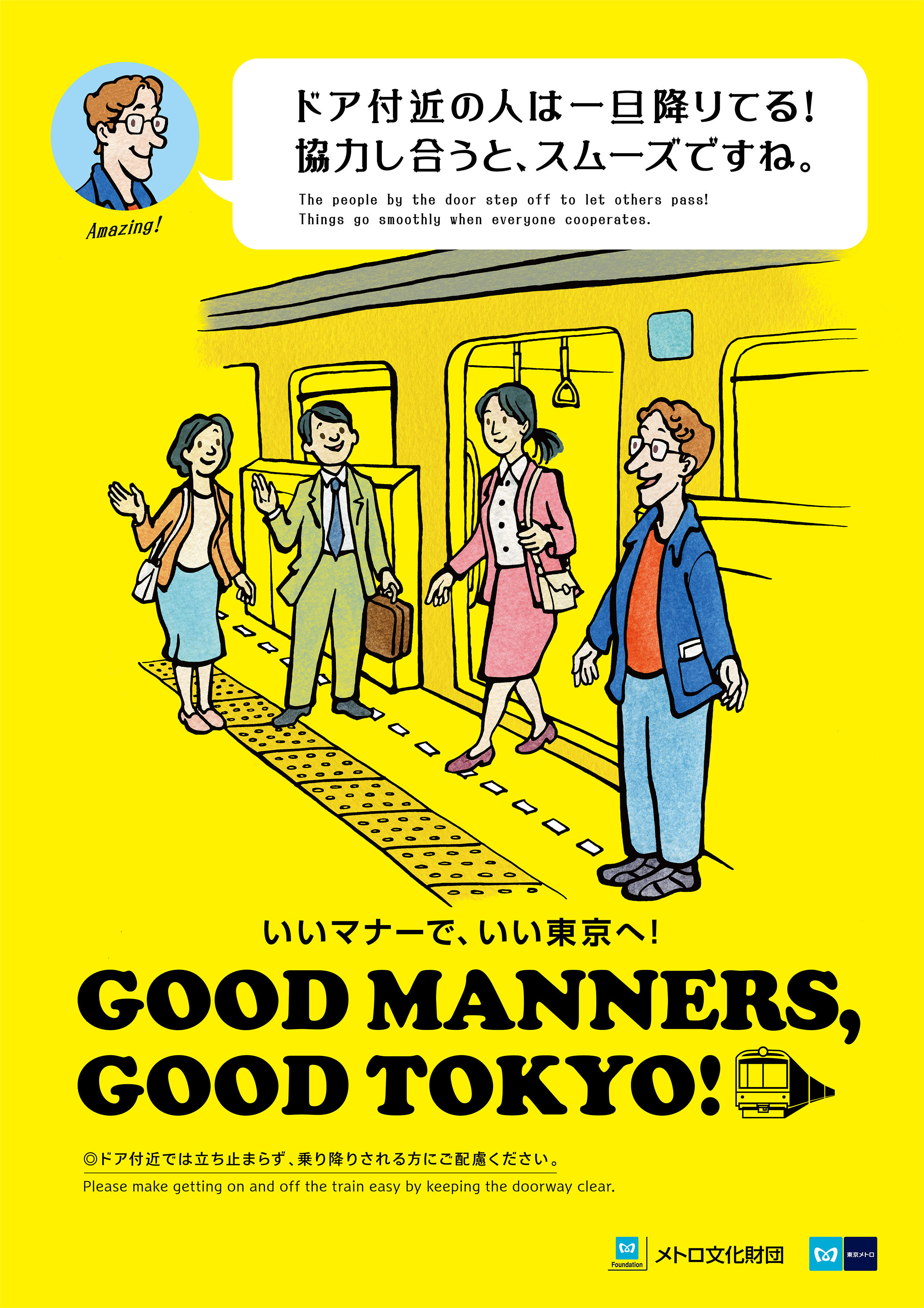
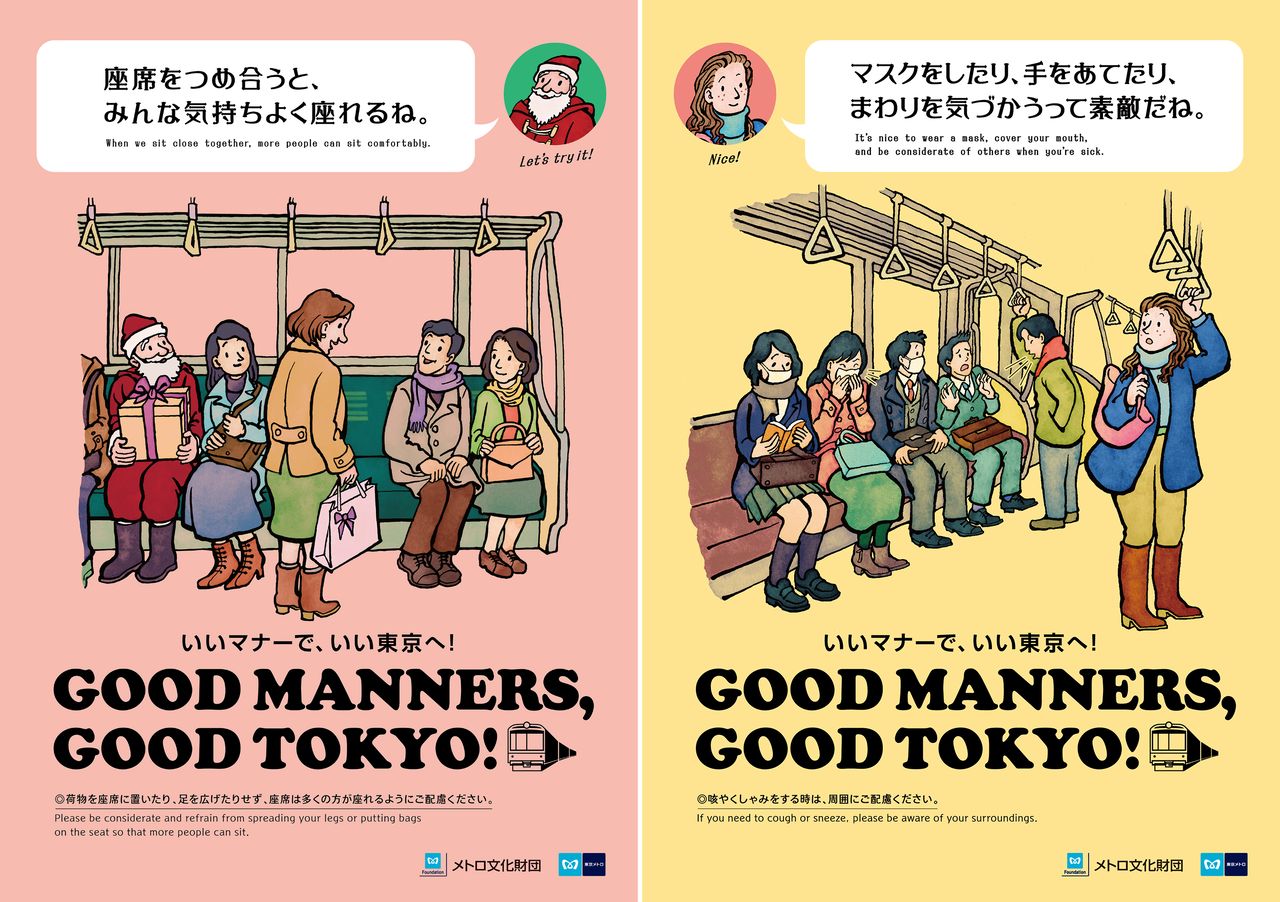
The points above are only the surface.
Tokyo train manners are built from many small behaviors.
Below is the full picture.
100 train behaviors Japanese people dislike
- Talking loudly
- Phone calls
- Speakerphone
- Loud videos
- Music without headphones
- Laughing loudly
- Group noise
- Singing
- Whistling
- One loud person
- Boarding first
- Blocking doors
- Standing at entrance
- Not moving inside
- Not lining up
- Cutting line
- Last second boarding
- Forcing doors
- Waiting in doorway
- Phone while boarding
- Backpack on back
- Large bags sticking out
- Suitcase aisle
- Suitcase blocking
- Bag on seat
- Luggage at door
- Wet umbrella hitting
- Wet umbrella touching
- Not using rack
- Hitting people
- Wide sitting
- Legs stretched
- Not moving seat
- Using 2 seats
- Bag seat
- Elbow pushing
- Blocking with legs
- Sitting on floor
- Child on seat
- Shoes on seat
- Priority misuse
- Not giving seat
- Ignoring need
- Loud near priority
- Ignoring elderly
- Blocking stroller
- Using accessible space
- Ignoring help
- Saving seats
- Rush to sit
- Eating crowded train
- Smelly food
- Drinking loudly
- Drunk behavior
- Leaving trash
- Leaving cans
- Not covering cough
- Smell spread
- Strong perfume
- Makeup
- Phone walking
- Elbow phone
- Phone boarding
- Loud games
- Livestream
- Voice chat
- Online meeting
- Cable spread
- Selfie walking
- Filming people
- Stop at gate
- Stop at stairs
- Stop escalator exit
- Blocking signs
- Wide walking
- Opposite flow
- Map middle
- Tactile block
- Running
- Safety line ignore
- Photo session
- Stranger photos
- Stop for photos
- Selfie stick
- Blocking stairs photo
- Leaning over line
- Group blocking
- Loud distance talk
- Ignoring staff
- Blocking flow photo
- Ignore instructions
- Restricted areas
- Leaning doors
- Door blocking
- Pushing people
- Kids running
- Cutting for seat
- Filming problems
- Treating as private
- “My country rule” thinking
50 mistakes foreign visitors make
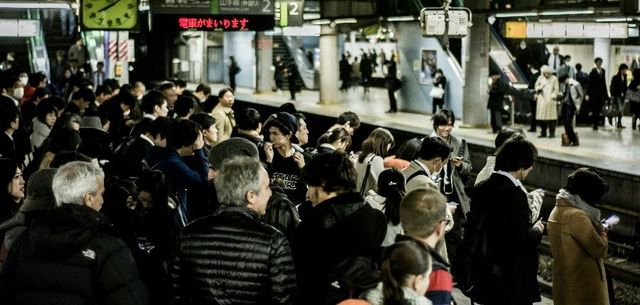
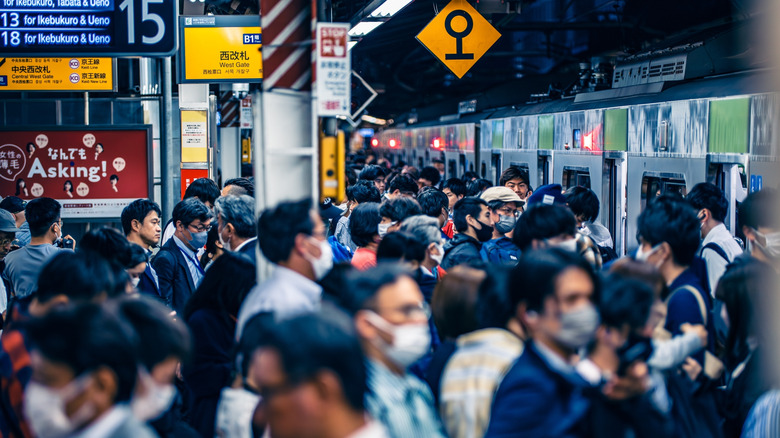

- Walking wide
- Stop at gate
- Map middle
- No line
- Boarding first
- Door freeze
- Not moving
- Phone call
- Speaker
- Loud video
- Loud voice
- Group noise
- Backpack
- Suitcase aisle
- Door luggage
- Bag seat
- Priority sit
- Not noticing
- Eating
- Smell food
- Trash
- Floor sit
- Shoes seat
- Photo platform
- Photo strangers
- Selfie stick
- Stop photos
- Block stairs
- Tactile block
- Escalator stop
- Stair stop
- Sign block
- Line stop
- Rush board
- Force board
- Umbrella hit
- Seat dash
- Kids seat
- Distance talk
- Phone walk
- Phone boarding
- Ignore staff
- Ignore warning
- Lean door
- Bag middle
- Loud rush hour
- Tourist mode
- Quiet ignore
- “small ok”
- Ignore space
50 global train manners
- Let off first
- Line up
- Clear doors
- Move inside
- Give seats
- No bag seats
- Manage backpack
- Low voice
- Earphones
- No speaker
- No speakerphone
- No trash
- No smoking
- No vape
- Legs closed
- Feet off seats
- No aisle block
- Use rack
- Quiet zone respect
- No calls
- No leakage
- Respect space
- Clear stroller
- No photos strangers
- Behind line
- No rush doors
- No hold door
- Follow staff
- No gate stop
- No escalator stop
- Learn rules
- Respect weak
- Control kids
- Follow pet rules
- Follow music rules
- Follow bike rules
- No reserved seat
- Umbrella care
- Eat properly
- No smell
- Shared space
- No grooming
- No fights
- Respect staff
- No sign block
- Clear stairs
- No restricted
- Call zones
- Public space
- Move smoothly
50 basic train manners in Japan

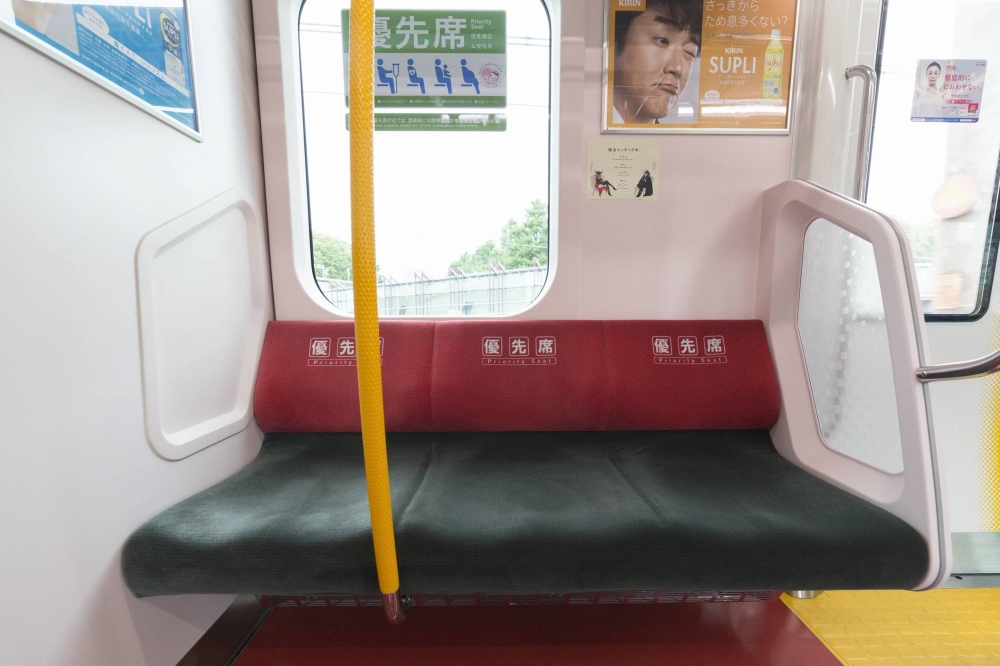
- Line up
- Exit first
- Step aside
- Move inside
- No rush
- No cut
- No calls
- Silent phone
- Earphones
- Low voice
- Quiet crowded
- Manage luggage
- Use rack
- Backpack front
- No aisle bag
- Umbrella care
- No bag seat
- Sit compact
- Legs narrow
- Feet down
- Priority care
- Clear space
- No eating
- No smell
- Take trash
- Cover cough
- Less perfume
- No drunk loud
- No floor sit
- No makeup
- No phone walk
- No phone boarding
- No gate stop
- No stair stop
- No tactile block
- Behind line
- No lean doors
- No photos
- No flash
- No selfie stick
- No leaning line
- Follow staff
- Move as group
- Step out flow
- No kids on seat
- Make space
- No escalator stop
- No delay
- Clear door
- Quiet & flow
Final idea
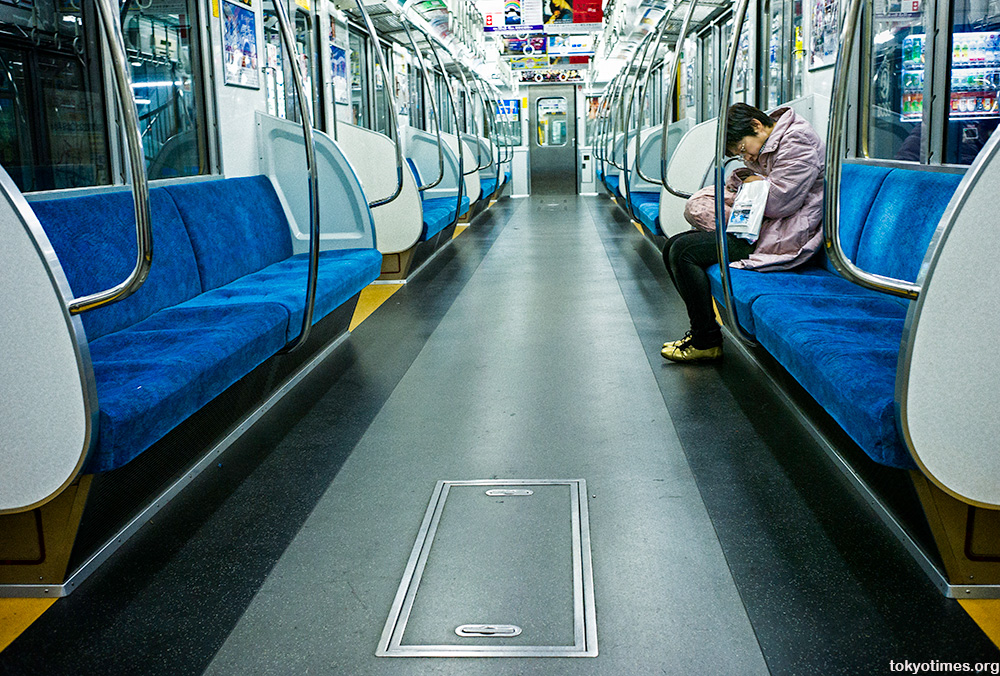
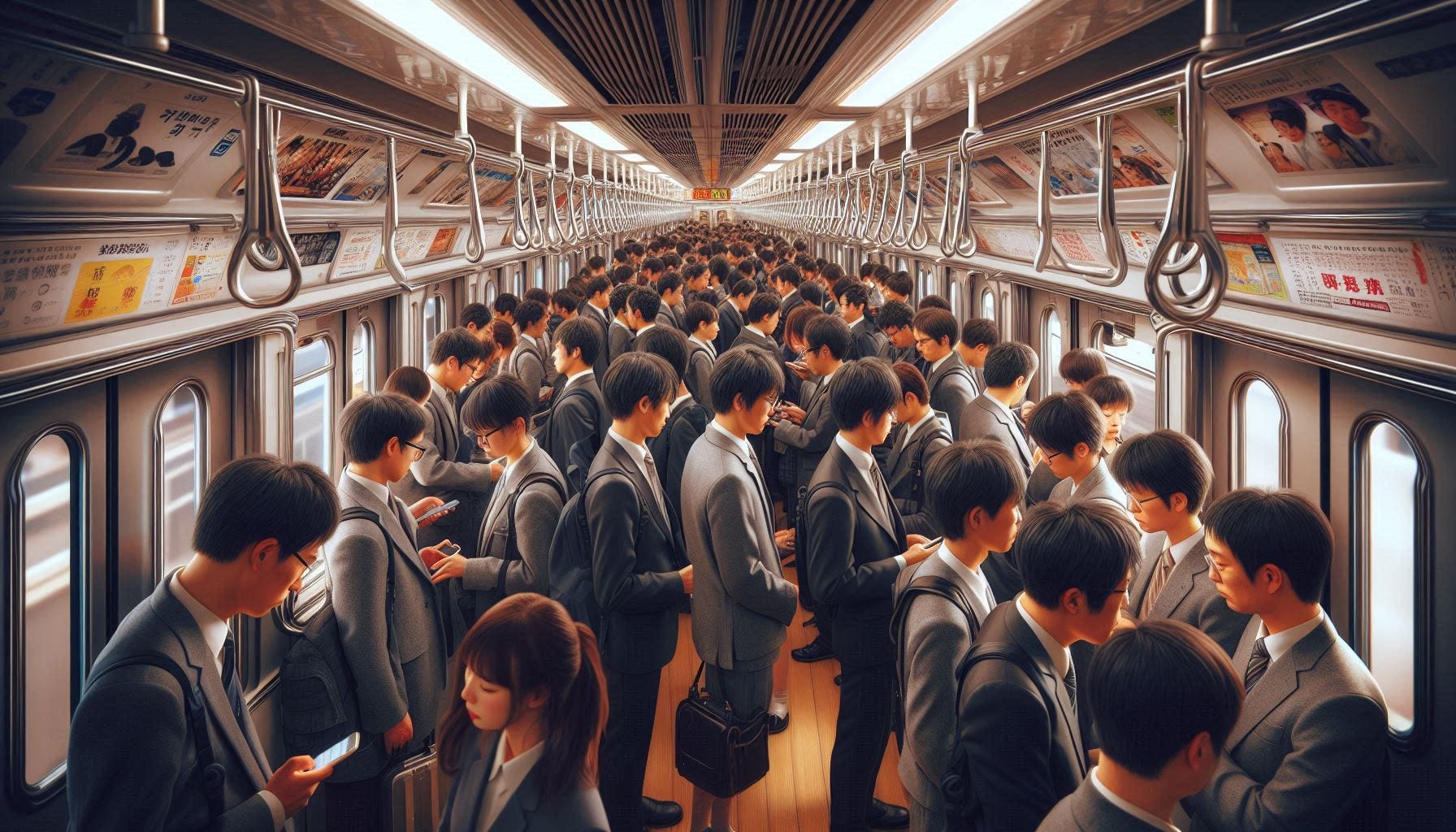
Tokyo trains work best when everyone does a little less.
Less noise. Less blocking. Less rushing. Less space.