Best Chuo Line Stations for People Who Love Live Music, Vintage Shops, Independent Stores, and Neighborhood Character
Some stations are simply convenient.
Others give your daily life a completely different texture.
This ranking focuses on Chuo Line neighborhoods where live music, vintage clothing, independent shops, and local character are not occasional extras, but part of everyday life.
These are the stations where stepping outside feels less like routine and more like entering a neighborhood with its own rhythm, taste, and identity.
🥇 Koenji Station | Where Tokyo’s Raw Creative Energy Becomes Daily Life
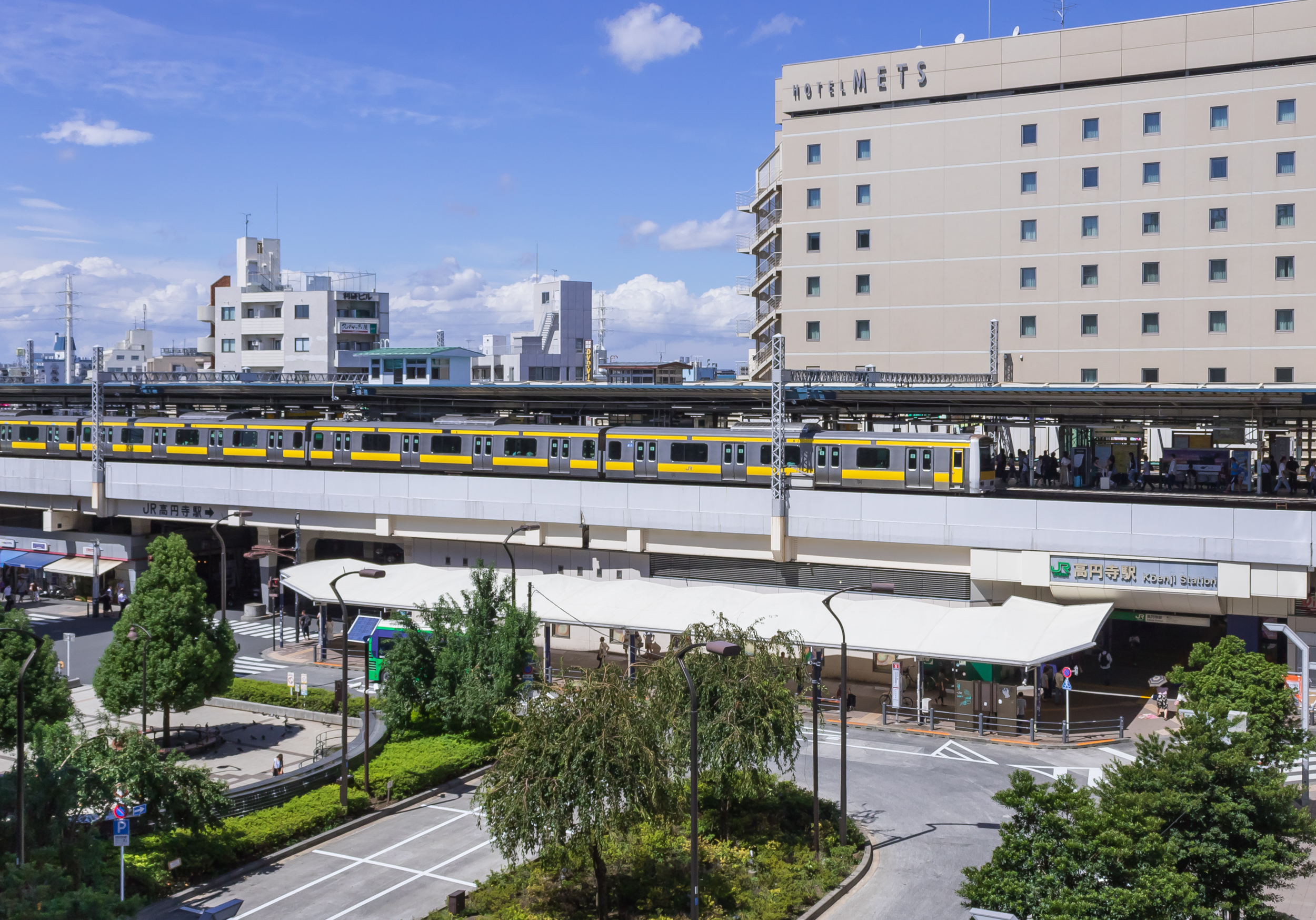
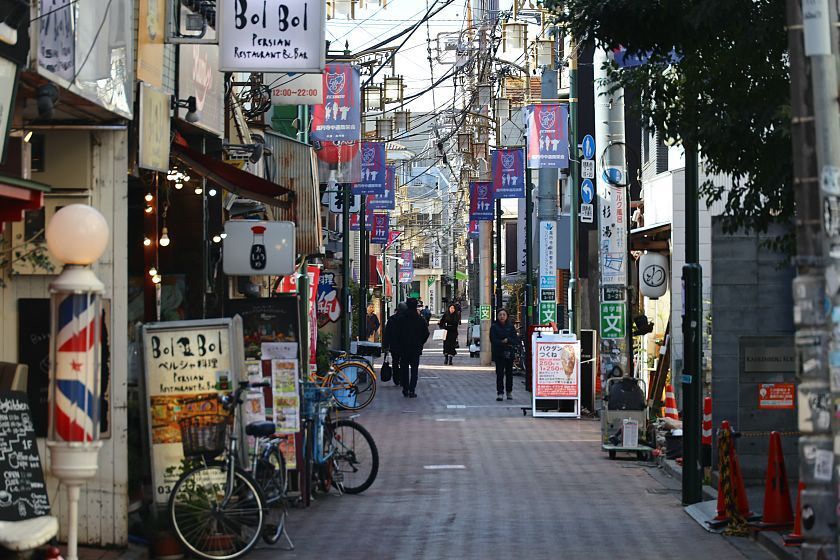
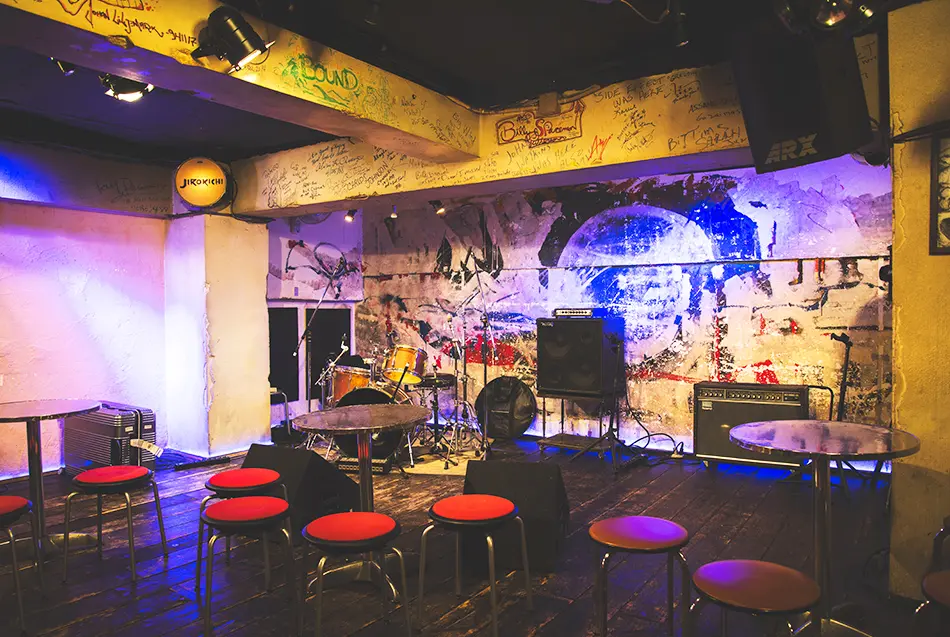
Conclusion: Koenji is the strongest station on the Chuo Line for people who want live music, vintage clothing, independent stores, and neighborhood character to be part of everyday life.
Koenji stands out because these elements are not scattered across the area as separate attractions. They are woven into the structure of the neighborhood itself. Vintage shops, live houses, small bars, independent cafés, secondhand stores, and local restaurants are not isolated highlights. They form the actual texture of daily life around the station.
That is what makes Koenji different. You do not need a plan to enjoy it. The neighborhood works on you the moment you step outside. Walking through the shopping streets naturally turns into browsing, drifting, stopping, and discovering. The area does not feel curated for visitors. It feels like a place that has grown layer by layer, with music, subculture, old shopping streets, and everyday life all pressing against each other.
On the ground, Koenji never feels too polished. That is part of its strength. In the daytime, you can move slowly through rows of vintage stores and small independent shops. At night, the tone changes. Bars fill up, music spaces come alive, and the streets begin to feel more restless and expressive. The people are mixed in the best way—locals, artists, musicians, drinkers, regulars, and people who clearly came for something specific. It feels lived in rather than designed.
Living here changes the shape of your free time. You stop thinking in terms of destinations and start living through small detours. A quick walk turns into vintage shopping. Dinner turns into drinks. One stop turns into an unexpected live show. Koenji gives daily life more texture, more spontaneity, and more personality. On the Chuo Line, it is the clearest choice for people who want the neighborhood itself to feel like part of their identity.
🥈 Nishi-Ogikubo Station | Quiet Streets with Deep Independent Culture

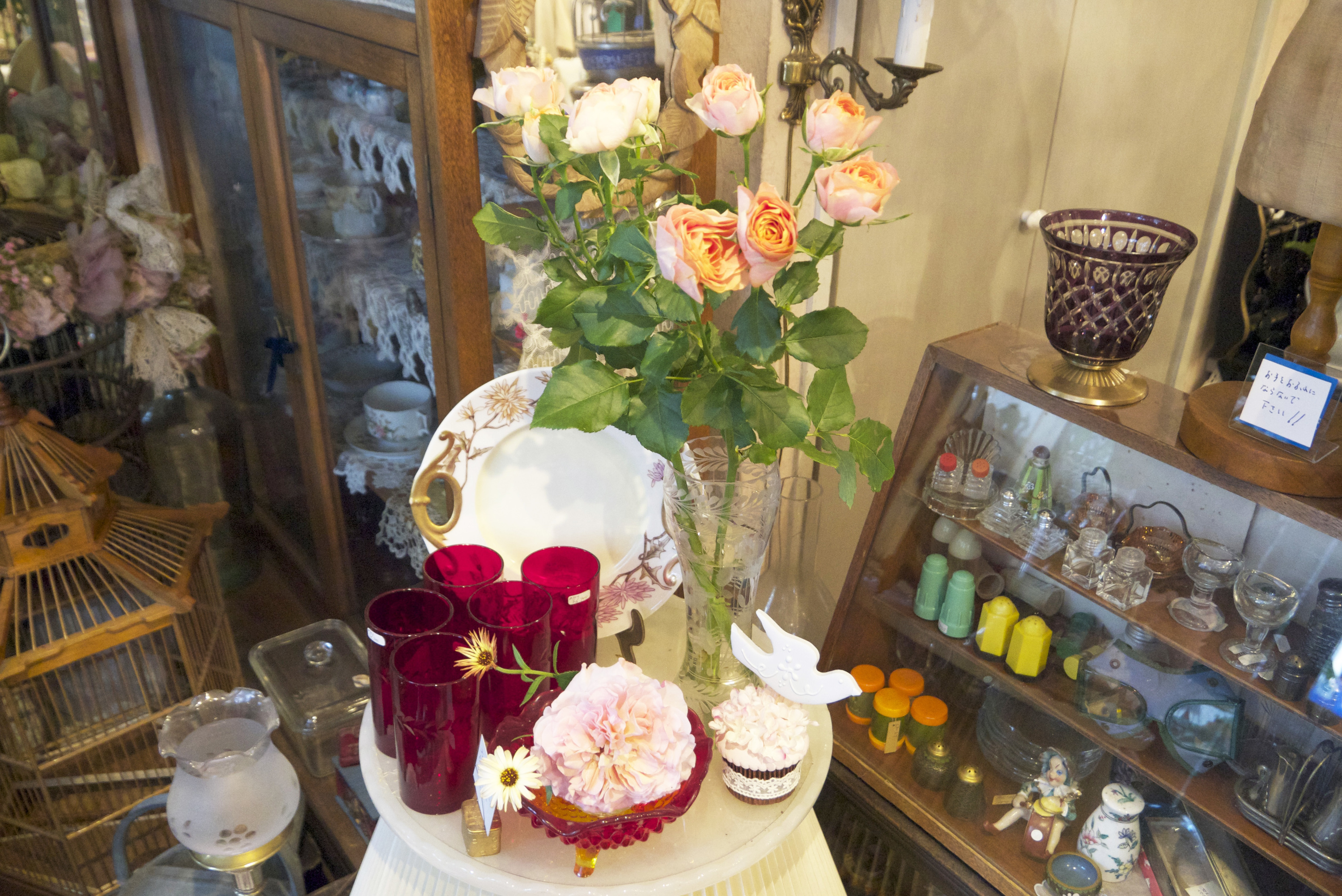

Conclusion: Nishi-Ogikubo is the best station on the Chuo Line for people who want a quieter lifestyle without giving up vintage shops, independent stores, and neighborhood depth.
What makes Nishi-Ogikubo special is not intensity, but accumulation. This is not a place that overwhelms you at first glance. Its appeal builds gradually through small discoveries. Antique shops, used bookstores, handmade goods, old cafés, independent restaurants, and small galleries are spread through calm streets in a way that feels natural rather than staged.
That slower structure is exactly why it works. Nishi-Ogikubo does not depend on one major commercial zone or one famous attraction. Its identity comes from the number of small places that still feel personal. The neighborhood has enough cultural depth to stay interesting, but it never loses its residential calm. It feels like a place where large-scale convenience never completely erased local taste.
The real atmosphere is subtle, but strong. The station area is relaxed, and the streets do not push themselves on you. You notice the neighborhood by walking, turning corners, and paying attention. The people here often seem to be moving with intention. They are not just passing through. They are here for a particular café, a particular shop, a particular habit. That gives the area a quieter kind of confidence.
Living in Nishi-Ogikubo changes your pace. You begin to enjoy the neighborhood in a more personal way. Instead of depending on big commercial facilities, you start building routines around places with character. A familiar café, a vintage store you check regularly, a small shop you only found because you took the long way home. It is a lifestyle that feels less noisy and more curated by your own taste. For people who want culture without chaos, Nishi-Ogikubo is one of the most satisfying stations on the line.
🥉 Asagaya Station | Warm, Local, and Full of Everyday Character
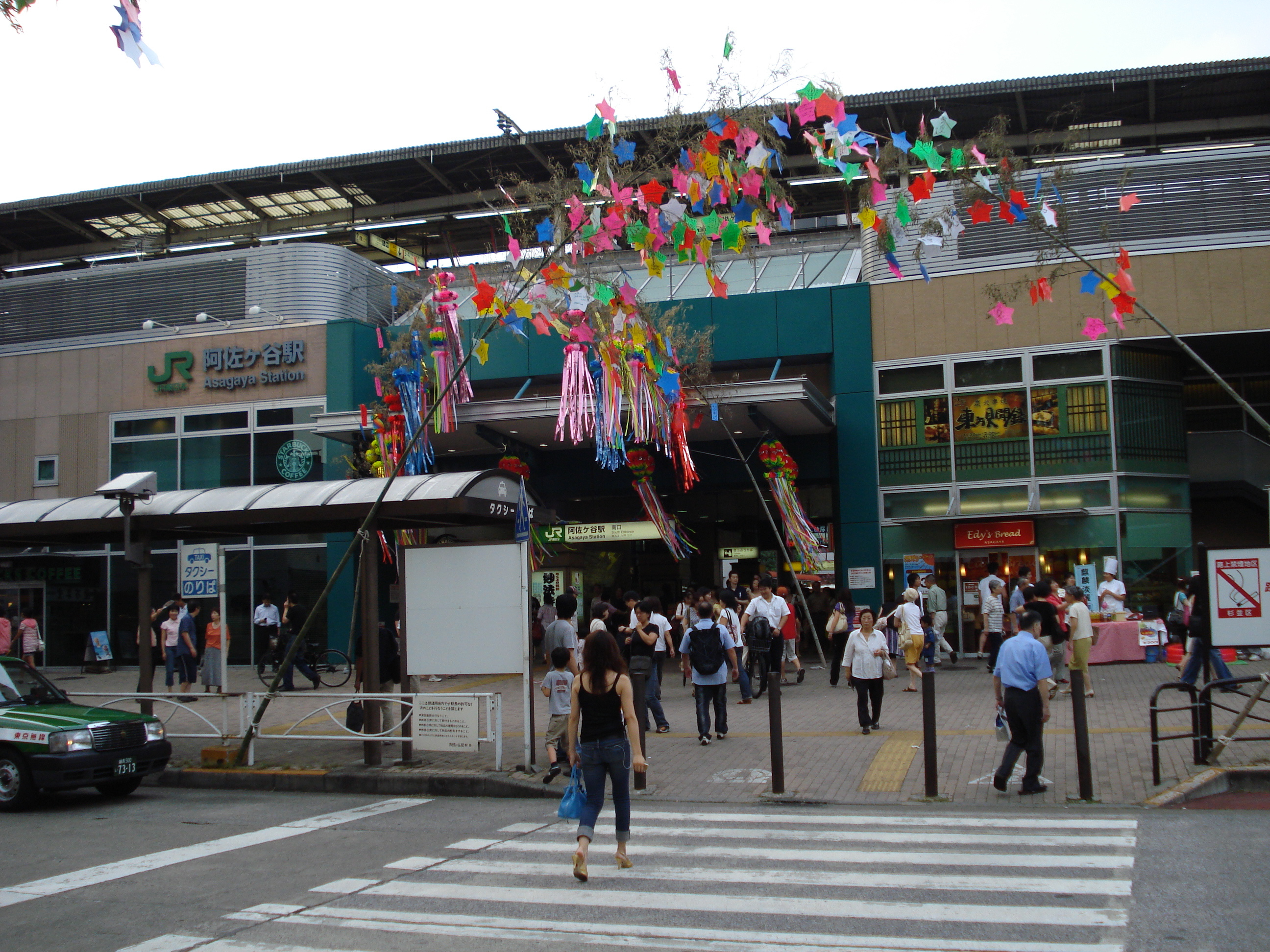
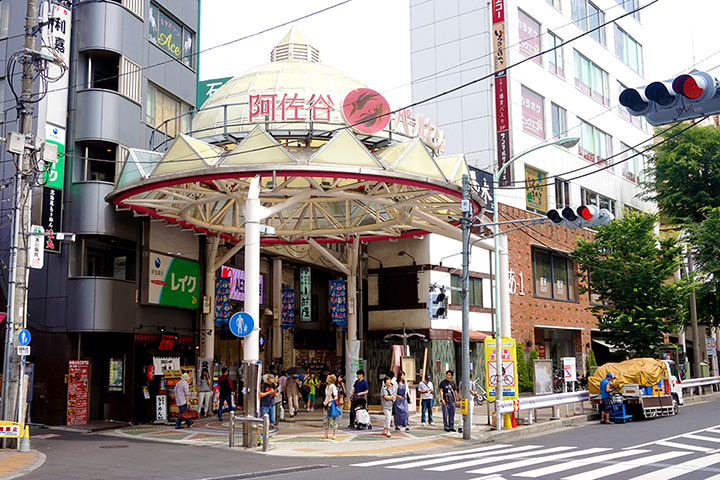
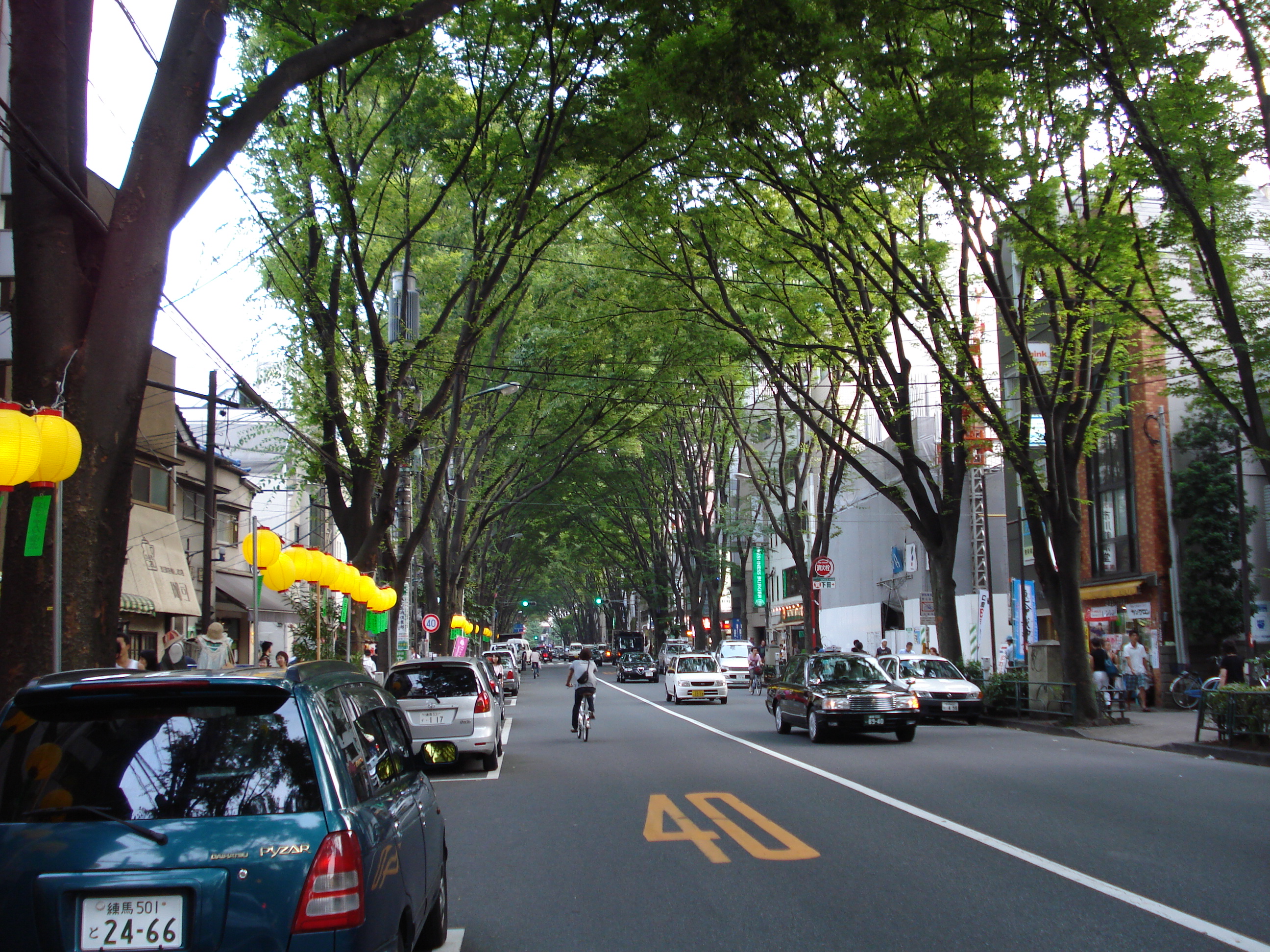
Conclusion: Asagaya is the strongest choice for people who want neighborhood character, independent stores, and local culture in a form that still feels easy to live with.
Asagaya works because its personality is tied directly to everyday life. It does not feel like a district built around trend culture alone. Instead, local shopping streets, long-running businesses, small eateries, music spaces, and community events all feed into the atmosphere of the neighborhood. That gives the area a warmth that makes its personality feel natural rather than forced.
Structurally, Asagaya sits in a very strong position. It has more visible local culture than a purely practical station, but it is more grounded than places that lean fully into subculture. That balance matters. It means the area has enough character to stay interesting, while still functioning smoothly as a place where people actually live. The result is a neighborhood with charm, but also with daily stability.
The real feeling of Asagaya comes through in its shopping streets and side roads. There is movement, but not too much pressure. There are individual stores, but they still belong to a real neighborhood rather than an entertainment zone. It feels human in scale. You notice that people are not only consuming the area. They are part of it. That sense of local participation gives Asagaya a face and a rhythm of its own.
Living here means culture becomes something you encounter naturally. You do not have to chase it. You pass through it on your way home. You end up with favorite local places almost by accident. One evening might lead to a live music venue, another to a small restaurant, another to nothing more than a walk through the shopping street that still feels satisfying. Asagaya is ideal for people who want neighborhood personality and cultural texture, but want it in a form that stays warm, balanced, and deeply livable.