In One Sentence
A city that quietly affirms a slower, calmer life.
Even in front of the station at night, voices stay low and movement softens.
Living here, you start to realize that a day where nothing happens can be the most valuable one.
1 Basic Information


Conclusion: Kunitachi is a city that was intentionally designed for a beautiful way of living.
Developed in the 1920s as an academic town, it is structured around the station and Hitotsubashi University.
The straight, iconic University Avenue is not accidental—it was planned that way from the beginning.
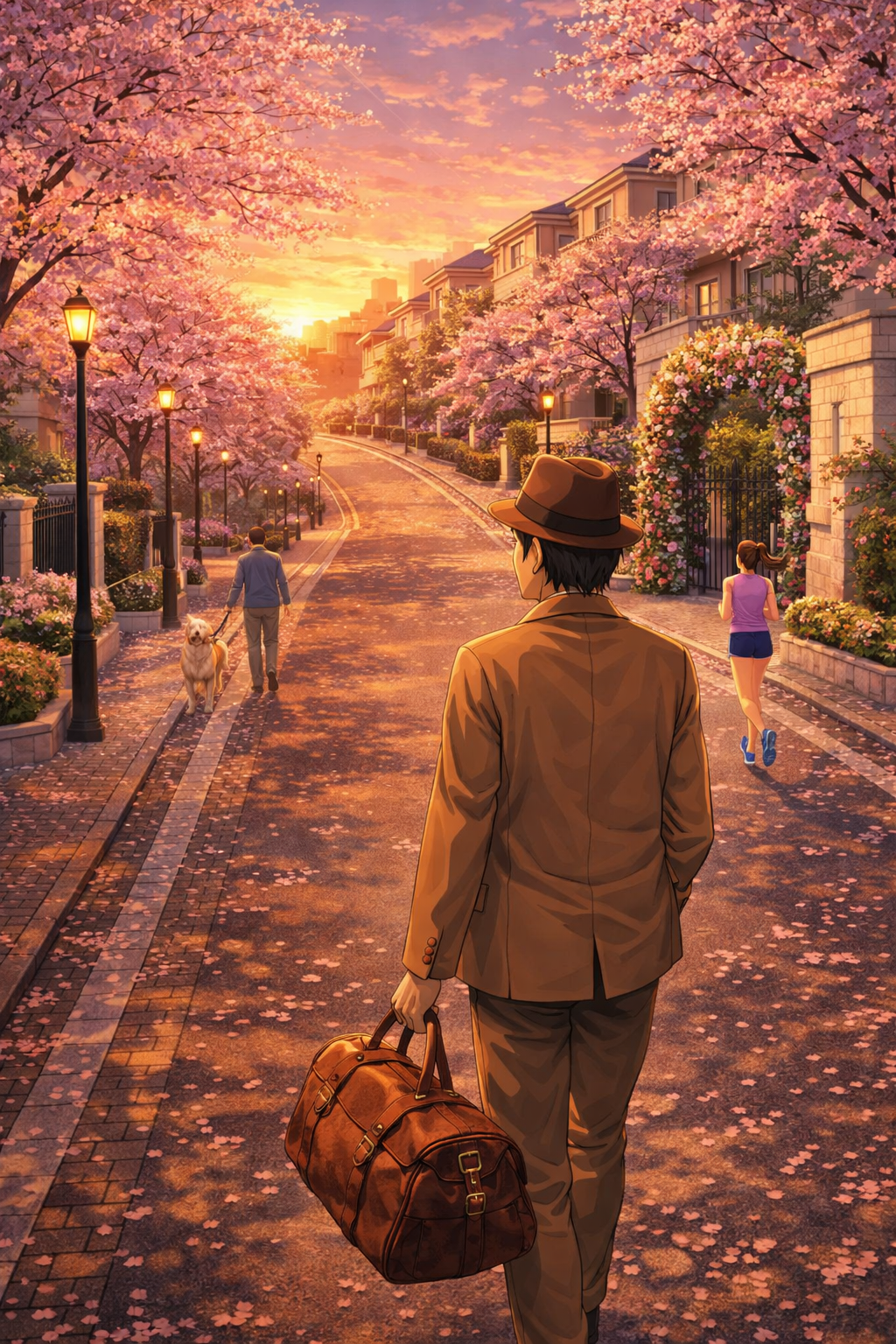
In the evening, sunlight stretches across the tree-lined road, and people naturally walk slower.
About 35 minutes to Shinjuku on the JR Chuo Line.
Close enough for commuting, but far enough to avoid becoming an extension of the city center.
Living here, you regain the “space” that convenience often takes away.
2 City Character
Conclusion: A place where stimulation is removed, leaving only quality of life.
The south side is centered around the university and culture, while the north side is even quieter, mostly residential.
There is almost no entertainment district or chaotic commercial zone.
Daytime brings students, evenings bring families, and nights bring only quiet returns home.
You may initially feel something is “missing” when you notice no groups lingering loudly outside convenience stores.
Living here, you start to see calmness not as boredom, but as comfort.
3 Safety and Night Atmosphere
Conclusion: One of the safest areas on the Chuo Line, with a noticeable drop in sound at night.
With no nightlife district, issues like drunken noise or trouble are rare.
It’s a highly reassuring environment even for solo living.
After 10 PM, even the station area feels subdued—footsteps and crossing signals stand out.
Living here, the habit of being alert at night slowly disappears.
4 Rent Levels
Conclusion: Not cheap, but justified when you factor in the environment.
Studio: ¥70,000 – ¥90,000
1LDK: ¥120,000 – ¥170,000
Family units: ¥170,000 – ¥250,000
Slightly above average for the Chuo Line.
But you are paying for safety, scenery, and cultural quality.
Step into residential areas, and the atmosphere becomes noticeably calmer.
Living here, rent becomes less about the room and more about the overall lifestyle.
5 Shopping Environment
Conclusion: Daily needs are covered, but entertainment shopping relies on Tachikawa.
Supermarkets like Kinokuniya and Miuraya focus on quality over price.
Discount-style shopping is limited.
In the evening, people shop quietly and efficiently.
Tachikawa, just 5 minutes away, fills the gap for large-scale shopping.
Living here, shopping shifts from “fun” to “refinement.”
6 Medical Access
Conclusion: Strong for everyday care, with major treatment handled in nearby cities.
Clinics are well distributed, making daily medical care easy.
The academic environment adds a layer of trust.
On weekday mornings, waiting rooms feel calm and unhurried.
Living here, healthcare feels less about proximity and more about reliability.
7 Local Restaurants
Conclusion: Not flashy, but deeply integrated into daily life.
■ Rojina Sabou
Western-style / ¥1,000–¥2,000
https://www.google.com/search?q=Rojina+Sabou+Kunitachi
A mix of students and locals creates a unique atmosphere.
It quietly becomes part of your weekly routine.
■ Hakujuji
Cafe & sweets / ¥800–¥1,500
https://www.google.com/search?q=Hakujuji+Kunitachi
Time feels slower, and the clientele is calm.
Your weekends begin to feel more intentional.
■ Kunitachi Tea House
Cafe / ¥1,000–¥2,000
https://www.google.com/search?q=Kunitachi+Tea+House
A space where nothing rushes you.
It becomes your base for reading and thinking.
8 Ramen Spots
Conclusion: Not a competitive ramen hub, but reliable options exist along daily routes.
■ Shodai Osamu
Soy sauce ramen / ¥900–¥1,200
https://www.google.com/search?q=Shodai+Osamu+Kunitachi
A short walk makes it feel intentional.
It becomes a place you choose, not just pass by.
■ Kunugi
Shoyu & salt / ¥900–¥1,300
https://www.google.com/search?q=Kunugi+Kunitachi+ramen
Close to the station yet calm.
It naturally fits into your return-home routine.
■ Sansan Ramen
Classic ramen / ¥800–¥1,100
https://www.google.com/search?q=Sansan+Ramen+Kunitachi
Convenient for the north side.
A reliable fallback after a long day.
■ Sapporo Ramen Kunitachi (Origin of Sutadon)
Miso / ¥800–¥1,200
https://www.google.com/search?q=Sapporo+Ramen+Kunitachi
A student-town staple with real energy.
It resets your body after exhausting days.
9 Train Line Character
Conclusion: The Chuo Line is fast but crowded—timing matters.
Rush hours are heavily congested.
Since rapid express trains don’t stop here, speed is slightly limited.
Morning platform lines often define your day’s fatigue.
Living here, you learn to design your schedule around comfort.
10 Access to Major Stations
Conclusion: Proximity to Tachikawa completes the lifestyle.
Shinjuku: ~35 min / last train ~00:30 / taxi ~¥9,000
Tokyo: ~50 min / last train ~00:10 / taxi ~¥13,000
Tachikawa: ~5 min / last train ~00:50 / taxi ~¥1,500
If you miss the last train, Tachikawa becomes your fallback.
Living here, mastering Tachikawa becomes part of daily life.
11 Shrine, Parks, and Culture




Conclusion: A place where simply walking becomes an activity.
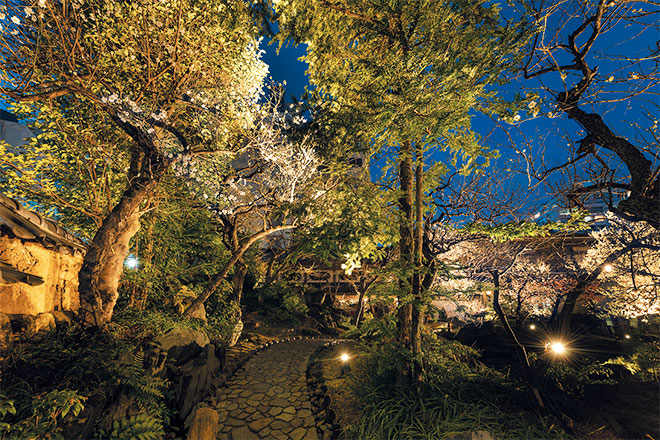
Yabo Tenmangu serves as a spiritual center.
The university campus feels like an open park.
In the morning, only wind and birds fill the air.
Living here, doing nothing becomes meaningful.
12 Disaster Risk
Conclusion: Generally safe from flooding, but fire risk requires awareness.
Located on the Musashino Plateau, flood risk is relatively low.
However, southern lowland areas need checking.
Some zones still have dense wooden housing.
Narrow streets can complicate evacuation.
Quiet neighborhoods can hide tightly packed older structures.
Living here means understanding fire risks and evacuation routes.
13 Pros and Cons
Conclusion: You trade stimulation for calmness.
Pros
- Excellent safety → Peaceful nights
- Beautiful streets → Lower mental fatigue
- Cultural depth → Ideal for long-term living
Cons
- Limited entertainment → Requires going out
- Crowded Chuo Line → Commuting stress
- Slightly higher rent → Depends on values
14 Who It’s For
Conclusion: A city for people who value quiet.
- Those seeking a calm lifestyle
- Safety-focused individuals
- People who value thinking and reading time
Not suitable for
- Those seeking excitement
- Nightlife-centered lifestyles
The quiet flow of people returning home already tells you the answer.
15 Summary
Conclusion: Kunitachi is a place that lowers and stabilizes the “temperature” of life.
Morning walks through tree-lined streets.
Calm, focused daytime work or study.
Quiet nights returning home.
Spring brings cherry blossoms, autumn brings color—seasons blend into daily life.
People here tend to choose stability over competition.
Not for those chasing stimulation.
Living here,
a day where nothing happens becomes the most valuable day of all.
Check nearby Chuo Line stations
Nishikokubunji Station Tokyo Living Guide | Kunitachi Station Tokyo Living Guide | Tachikawa Station Tokyo Living Guide