- In One Sentence
- 1 Basic Information
- 2 Neighborhood Characteristics
- 3 Safety and Night Atmosphere
- 4 Rent Levels
- 5 Shopping Environment
- 6 Medical Access
- 7 Local Restaurants
- 8 Ramen Scene
- 9 Train Lines and Connectivity
- 10 Access to Major Stations
- 11 Shrines, Parks, and Culture
- 12 Disaster Risk
- 13 Pros and Cons
- 14 Who This Area Suits
- 15 Summary
In One Sentence
“This isn’t a place you commute from to Tokyo Station—it’s a place you come back to.”
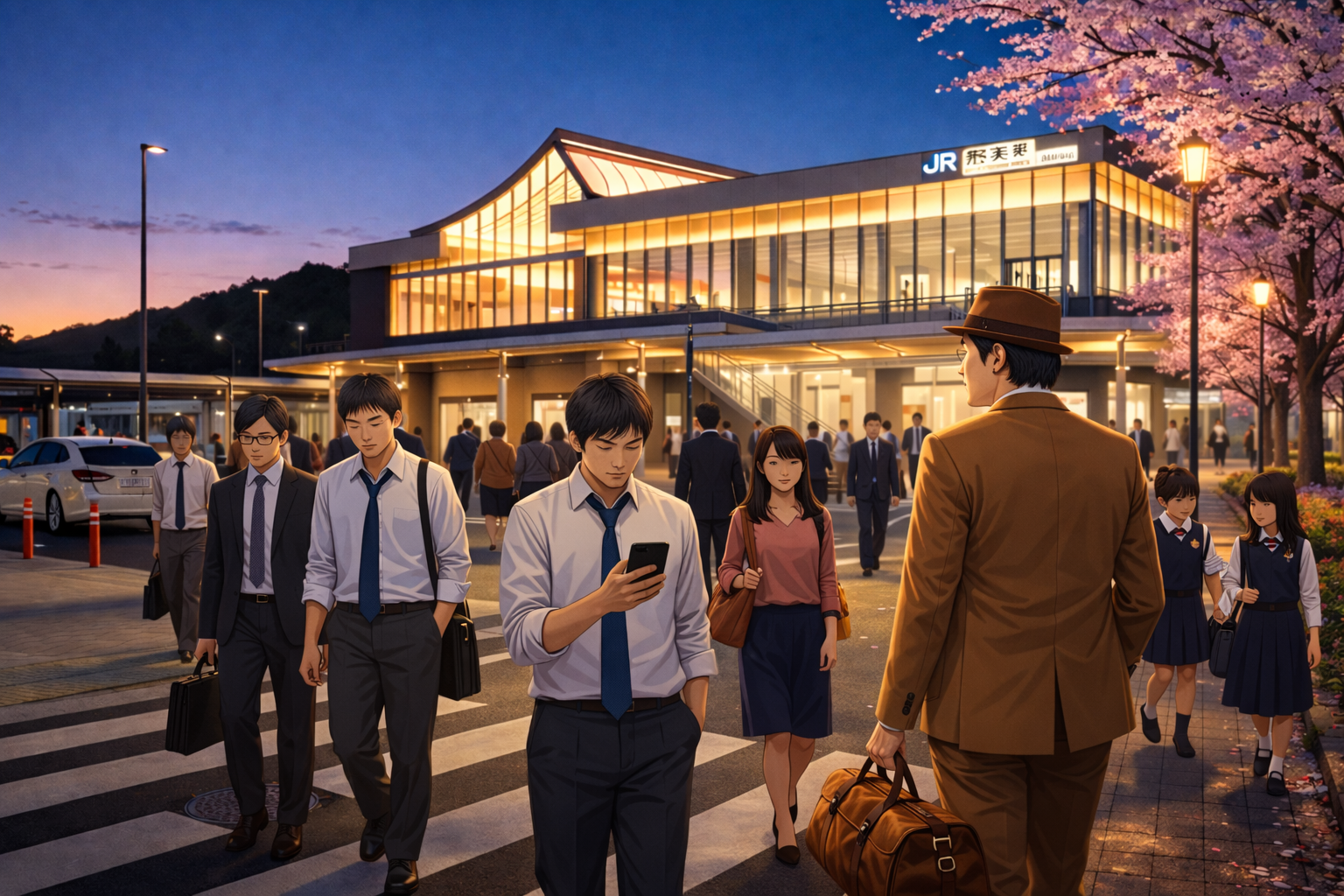
You can reach Shinjuku Station or Shibuya Station, but in the end, people return here. At night, local conversations blend with the noise of izakayas, and time flows differently from central Tokyo.
1 Basic Information


In conclusion, Hachioji Station is a fully independent lifestyle hub that still connects directly to major stations like Shinjuku Station and Tokyo Station.
You can reach Shinjuku Station in about 40 minutes via the JR Chuo Line Rapid, Tokyo Station in about 55 minutes, and Shibuya Station in around 50 minutes with one transfer.
In the morning, there is a strong flow of commuters heading toward Shinjuku Station, while at night the direction completely reverses, filling trains with people returning to Hachioji.
Living here shifts your mindset from “going into the city” to “coming back home to Hachioji.”
2 Neighborhood Characteristics
In conclusion, Hachioji is a city where the atmosphere clearly splits between outsiders and locals.
The station area is lively with shops, restaurants, and students, but just a short walk away, it quickly turns into a deeply local residential environment.
The north side functions as an entertainment and commercial zone, while the south side is more organized and residential due to redevelopment. However, the true character lies beyond these zones in everyday living areas.
In the evening, people returning from Shinjuku Station or Tachikawa Station mix with locals, but once you step into residential streets, the atmosphere becomes distinctly community-driven.
Living here means your experience depends on whether you become part of the local side of the city.
3 Safety and Night Atmosphere
In conclusion, Hachioji transforms depending on where you are at night.
Around the north-side Euro Road area, the streets fill with students and drinkers, creating a dense, almost regional downtown vibe.
But just a few minutes away, the noise fades and quiet residential streets take over.
At night, the contrast is sharp—you move from neon lights and laughter to near silence within minutes.
Living here means your sense of safety is shaped by your route home.
4 Rent Levels
In conclusion, Hachioji is a place where you trade commute time for living space.
A studio typically ranges from ¥50,000–¥70,000, while a 1LDK sits around ¥80,000–¥120,000.
Compared to areas around Shinjuku Station or Shibuya Station, you can secure significantly more space for the same budget.
Your mornings start in a spacious room, followed by a train ride into Shinjuku.
Living here means choosing space over time.
5 Shopping Environment
In conclusion, Hachioji allows you to complete daily life without going to Shinjuku Station.
Facilities like Celeo Hachioji, Octore, and Don Quijote provide everything from groceries to clothing.
The station area always has a steady flow of people carrying shopping bags, showing how daily life is concentrated here.
Living here removes the need to travel to central Tokyo for basic shopping.
6 Medical Access
In conclusion, Hachioji offers a self-contained medical environment that supports daily life.
From small clinics to large hospitals, healthcare is accessible within the local area.
During the day, waiting rooms are filled with elderly residents and families, showing how embedded healthcare is in everyday life.
Living here means not needing to travel toward Shinjuku for medical needs.
7 Local Restaurants
In conclusion, dining in Hachioji is deeply tied to local community life.
■ Keinoie Hachioji Main Store
• Genre: Izakaya
• Budget: ¥3,000–¥5,000
• URL: https://www.google.com/search?q=けいの家+八王子
• Local feel: Regulars casually talk across the counter, creating a tight-knit atmosphere.
• Future image: It becomes your go-to place after work.
■ Sumibiyaki Torikatsu
• Genre: Yakitori
• Budget: ¥2,000–¥4,000
• URL: https://www.google.com/search?q=鳥勝+八王子
• Local feel: Smoke drifts into the street, pulling people in naturally.
• Future image: A place where conversations with strangers become normal.
■ Okushiba Shoten Hachioji Tashirojo
• Genre: Soup Curry
• Budget: ¥1,000–¥2,000
• URL: https://www.google.com/search?q=奥芝商店+八王子
• Local feel: A mix of locals and visitors creates a unique balance.
• Future image: A regular weekend destination.
8 Ramen Scene
In conclusion, ramen in Hachioji is part of everyday life, not just food culture.
■ Minmin Ramen Main Store
• Genre: Hachioji-style ramen
• Budget: ¥700–¥1,000
• URL: https://www.google.com/search?q=みんみんラーメン+八王子
• Local feel: Locals line up without hesitation.
• Future image: It becomes your personal standard.
■ Tantan
• Genre: Hachioji-style ramen
• Budget: ¥700–¥1,000
• URL: https://www.google.com/search?q=タンタン+八王子ラーメン
• Local feel: No tourist vibe—purely local.
• Future image: A natural stop on your way home.
9 Train Lines and Connectivity
In conclusion, Hachioji sits at a position that connects to Shinjuku Station and Tokyo Station but still feels distant.
The JR Chuo Line Rapid provides direct access, but daily commuting requires commitment.
At the same time, the Yokohama Line and Hachiko Line allow movement beyond central Tokyo.
Morning trains head toward Shinjuku, while evening trains bring people back to Hachioji.
Living here feels less like being close to Tokyo and more like maintaining distance from it.
10 Access to Major Stations
In conclusion, access exists, but the distance is real.
• Shinjuku Station: ~40 min (last train around 0:30 / taxi ~¥15,000)
• Tokyo Station: ~55 min (last train around 0:00 / taxi ~¥20,000)
• Shibuya Station: ~50 min (last train around 0:00 / taxi ~¥18,000)
• Tachikawa Station: ~10 min (last train around 1:00 / taxi ~¥3,000)
Near the last train, tension is visible on the platform.
Living here means planning your life around the last train.
11 Shrines, Parks, and Culture
In conclusion, Hachioji blends local culture tightly with daily life.
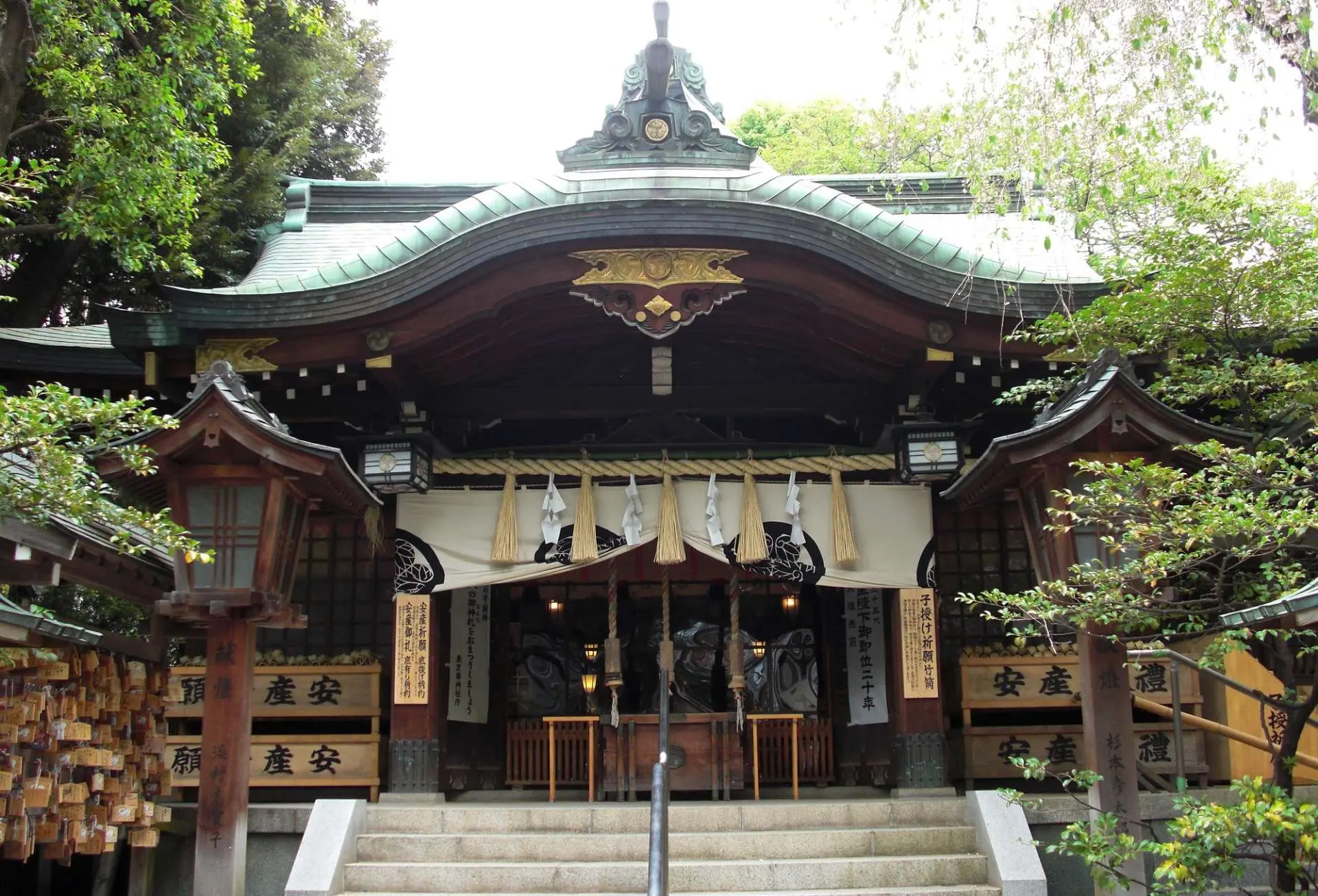
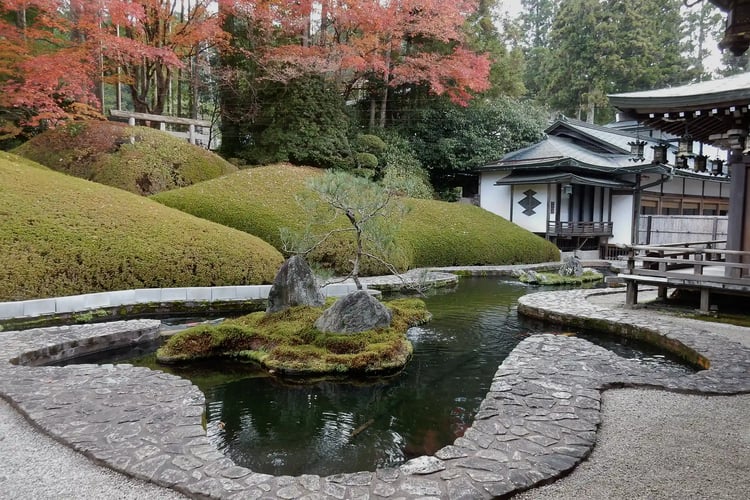

Koyasu Shrine offers a quiet contrast to the city while remaining part of daily routines.
The atmosphere softens as you step inside, and the noise fades.
Living here means having a place to reset within walking distance.
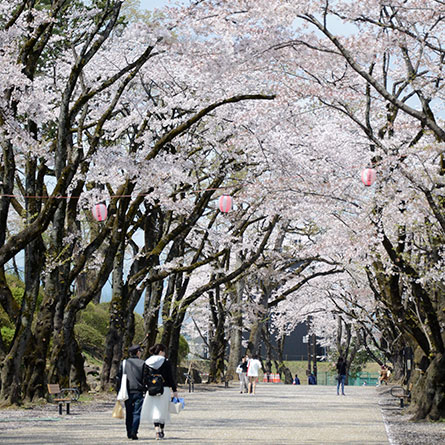
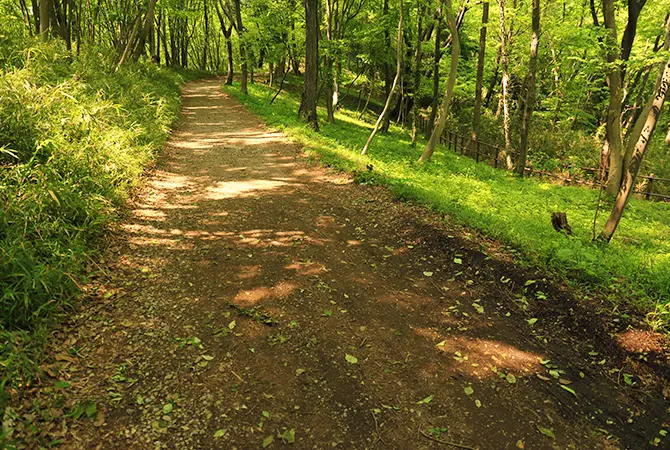

Fujimori Park functions as a living space where daily life and community overlap.
Families and locals naturally mix, especially on weekends.
Living here means your days off become rooted in the local area.
12 Disaster Risk
In conclusion, Hachioji is relatively stable but varies by location.
The ground is generally firm due to its proximity to the Tama hills, but areas near the Asakawa River may face flood risks.
Older wooden housing areas may carry fire spread risks.
Living here means choosing your neighborhood carefully for safety.
13 Pros and Cons
In conclusion, Hachioji’s value depends on how well you integrate into the local environment.
■ Pros
• Daily life is self-contained → Less need to travel
• Larger living space → More comfort
• Strong local community → High sense of belonging
■ Cons
• Takes time to fit in → Harder for newcomers
• Long commute → Daily burden
• Area differences → Location matters greatly
14 Who This Area Suits
In conclusion, Hachioji suits people who can integrate into a local community.
• People who value space and affordability
• Those willing to adapt to a local culture
• Commuters who accept distance
The strong local ties show up in events and daily interactions.
Living here means becoming part of something, not just living in a place.
15 Summary
In conclusion, Hachioji is a city where daily life exists on its own timeline, separate from central Tokyo.
Mornings begin in a spacious home, followed by a commute to Shinjuku or Shibuya.
Afternoons are spent locally, and evenings return to familiar streets.
Weekends revolve around parks, events, and community.
During the Hachioji Festival in summer, the city’s strong local identity becomes visible. Events, including appearances by local celebrities, bring both residents and visitors together.
People who settle here tend to stay.
Those who never integrate continue to feel distance.
Living here shifts your perspective from “which city you live in” to “which community you belong to.”
Check nearby Chuo Line stations
Toyoda Station Tokyo Living Guide | Hachioji Station Tokyo Living Guide | Nishi-Hachioji Station Tokyo Living Guide