- In One Sentence
- 1 Basic Information
- Hino Station
- 2 Area Characteristics
- 3 Safety and Night Atmosphere
- 4 Rent Prices
- 5 Shopping Environment
- 6 Medical Access
- 7 Local Restaurants
- 8 Ramen
- 9 Character of the Lines
- 10 Access to Major Stations
- 11 Shrines, Parks, Cultural Spots
- Hino-gu Shrine
- Tama River Riverside
- 12 Disaster Risk
- 13 Advantages and Disadvantages
- 14 Who It Suits
- 15 Summary
In One Sentence
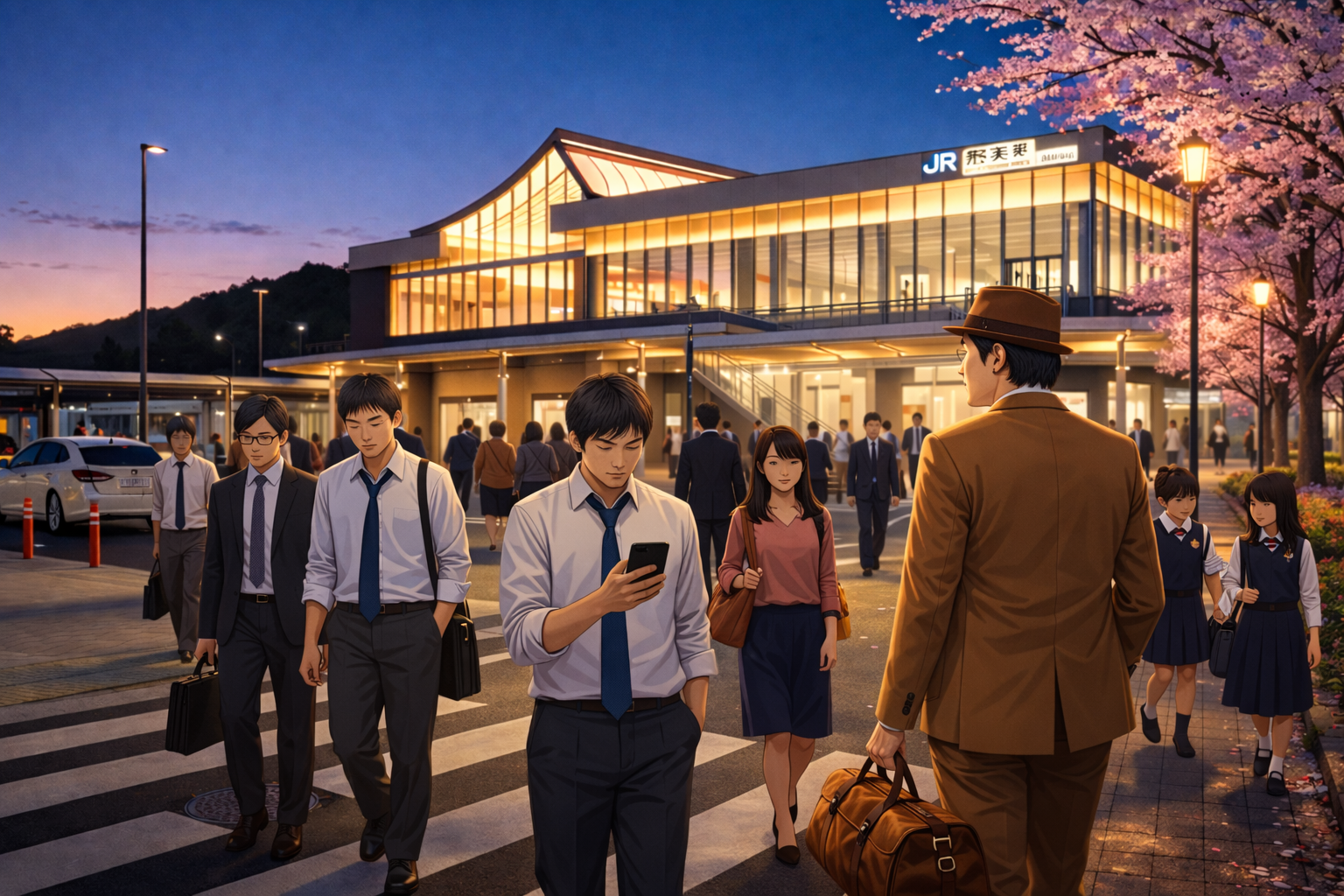
After experiencing Tachikawa’s “everything is here” convenience, some people pause and ask, “Do I really need all of that?”—and this is where they stop.
At night, the presence of the river and the quiet blend together, leaving an impression of atmosphere rather than sound.
Living here begins a lifestyle built around space and breathing room.
1 Basic Information
Hino Station

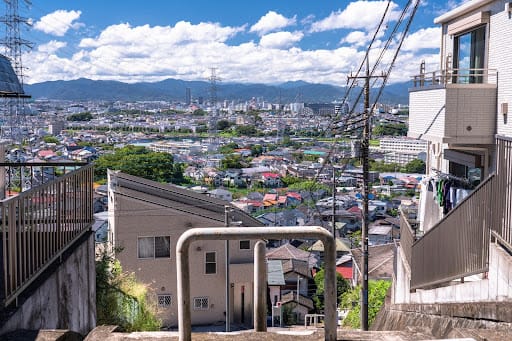
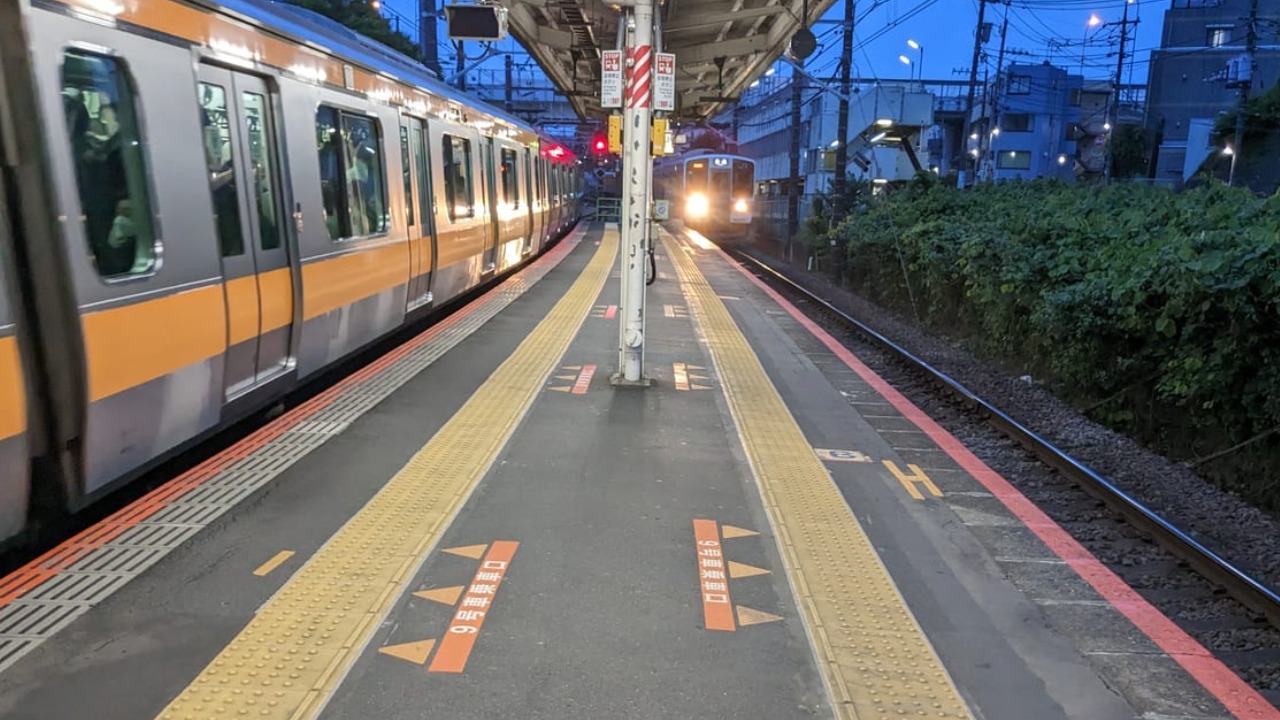

Hino Station is served by JR Chuo Line Rapid trains, about 30 minutes to Shinjuku and around 45 minutes to Tokyo.
At night, standing near the station, there are few people—just distant car sounds and the presence of wind.
The essence of this station is a bedtown where nature and residential life coexist.
Living here means placing a slight distance between yourself and the city.
2 Area Characteristics
Hino is a place where topography and water shape daily life.
The Tama River and Asakawa River run through the area, with plateaus, lowlands, and hills mixed together.
Daytime is quiet residential life, evenings bring returning commuters, and nights quickly settle into calm.
Unlike Tachikawa, there is no density pressure—space is noticeable.
Because of this structure, living conditions vary depending on the exact location within Hino.
Living here means your comfort level depends heavily on where you choose to live.
3 Safety and Night Atmosphere
Safety is generally stable.
There are almost no nightlife areas, and few people remain outside late.
After 10 PM, the sense of space becomes more noticeable than the presence of people.
Streetlights are spaced out, and some areas feel quite dark.
Living here teaches you that quietness can mean both comfort and slight unease.
4 Rent Prices
Hino is more affordable compared to most Chuo Line stations.
- Studio / 1K: ¥55,000–¥80,000
- 1LDK: ¥85,000–¥120,000
- 2LDK+: ¥120,000–¥180,000
Prices drop further away from the station.
You can secure more space at lower cost.
Living here makes a spacious lifestyle realistically achievable.
5 Shopping Environment
There are basic supermarkets and shops around the station.
At night, people carrying groceries quietly disappear into residential areas.
Large shopping facilities are limited, so going to Tachikawa is often necessary.
Living here leads to a lifestyle of choosing only what you need.
6 Medical Access
Clinics are scattered and sufficient for everyday medical needs.
Larger hospitals are accessed in nearby areas.
Daytime shows calm and orderly visits.
Living here means splitting medical use between local and nearby cities.
7 Local Restaurants
Teuchi Soba Muraoka
Cuisine: Soba
Price: ¥800–¥1,500
https://www.google.com/search?q=むら岡+日野
A quiet place to eat.
Meals become a way to reset your pace.
Kitchen Inaba
Cuisine: Western-style
Price: ¥800–¥1,400
https://www.google.com/search?q=キッチンいなば+日野
A locally rooted restaurant.
It naturally becomes part of daily life.
8 Ramen
Menya Musashino
Style: Soy sauce ramen
Price: ¥800–¥1,100
A calm place for a simple meal.
It blends quietly into everyday life.
Ramen Yoshimaru
Style: Tonkotsu ramen
Price: ¥800–¥1,100
Simple but satisfying.
It becomes part of your routine on the way home.
9 Character of the Lines
The Chuo Line is Tokyo’s main east-west artery.
Hino sits on the residential side of that line.
Rapid and Local trains stop here, while Special Rapid trains pass through.
This means slightly longer commute times compared to Kokubunji or Tachikawa, but with slightly less congestion.
In the morning, people head toward the city; at night, they return to residential areas.
This station exists primarily to connect residents to the city.
Living here means commuting is necessary—but returning home brings calm.
10 Access to Major Stations
- Shinjuku: ~30 min (last train around 00:20 / taxi ~¥10,000)
- Tokyo: ~45 min (last train around 00:00 / taxi ~¥15,000)
- Tachikawa: ~5 min (last train around 01:00 / taxi ~¥1,500)
11 Shrines, Parks, Cultural Spots
Hino-gu Shrine


A shrine rooted in the local community.
You can feel everyday life within the quiet.
Being here brings a sense of calm.
Tama River Riverside
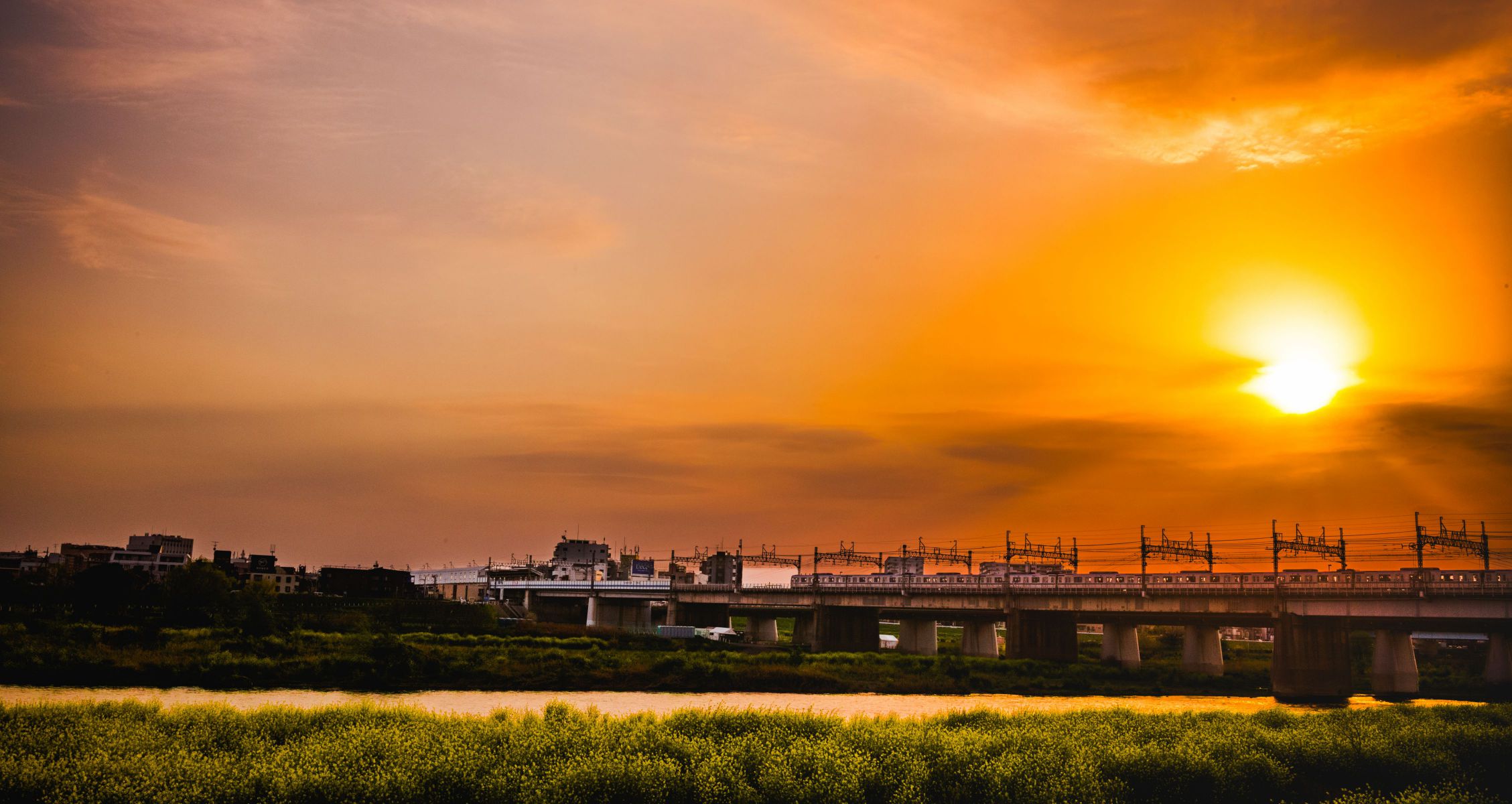
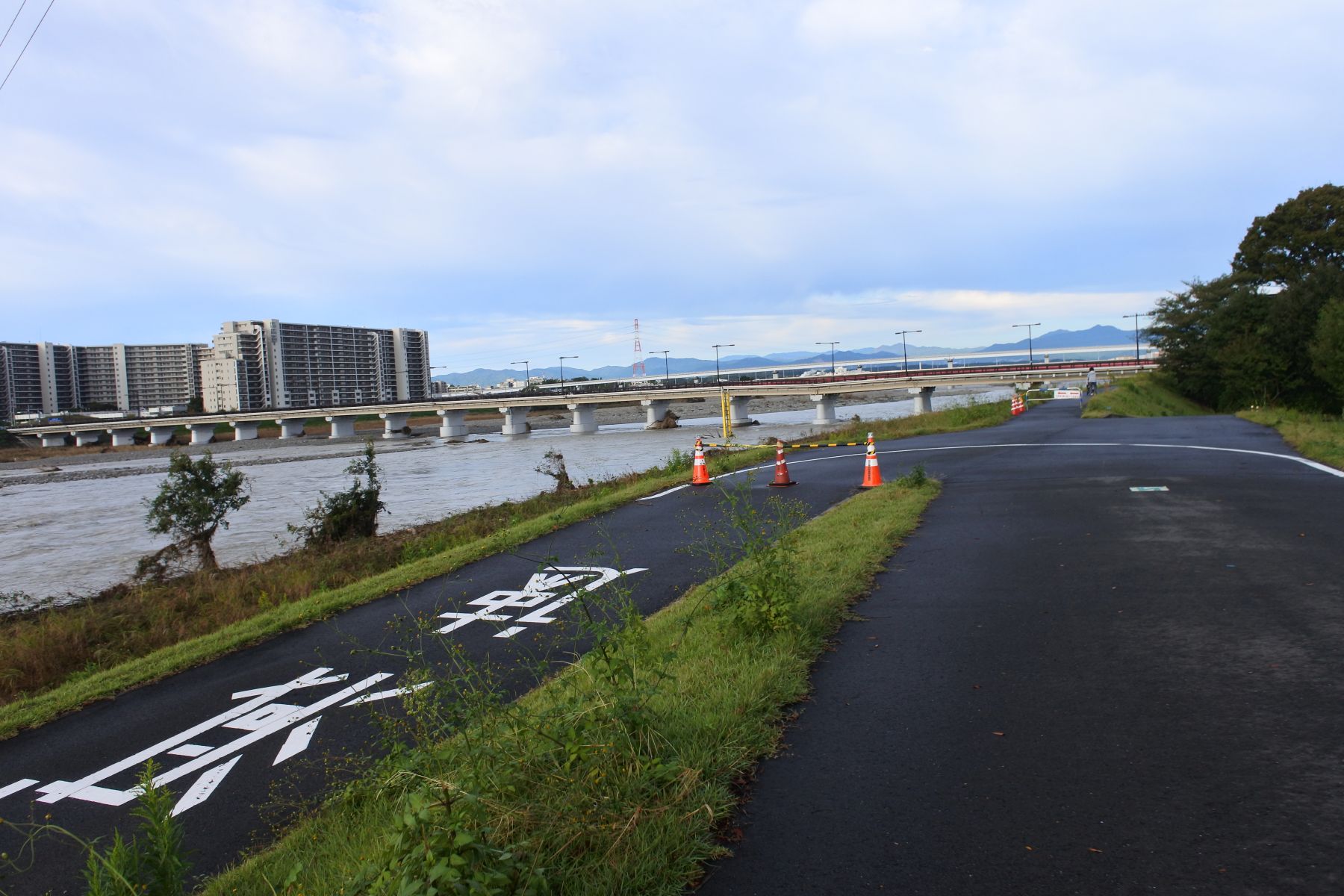
A place defined by wide skies and flowing water.
The sound of wind and water becomes part of daily life.
Living here allows time where doing nothing is enough.
12 Disaster Risk
Hino is a place where risk changes depending on geography.
Ground
The Kanto loam layer is widespread, and land can become weaker after development.
Flooding
Areas near the Tama River and Asakawa River have flood risk.
Fire
Dense residential areas carry fire spread risk.
Evacuation
Routes differ between lowlands and elevated areas.
Snow
Snowfall can be slightly heavier than central Tokyo, sometimes affecting transport.
At night, lowland areas feel more humid, and the air changes.
Living here requires understanding that nature also brings risk, and preparation is essential.
13 Advantages and Disadvantages
Advantages
- Close to nature
- Lower rent
- Quiet environment
Disadvantages
- Limited commercial facilities
- Dependence on travel
- Ground and flood risks
14 Who It Suits
- People seeking a quiet lifestyle
- Those who want to feel nature
- People aiming to reduce living costs
It is not suitable for those seeking urban convenience.
Living here creates a sense of building your own lifestyle.
15 Summary
Hino is a place to live with space and breathing room.
Morning: commute into the city
Day: work
Night: return to quiet surroundings
Weekends are spent by the river or in nature.
Summer brings water and greenery, winter brings crisp air.
People who live here choose space over convenience.
This is a place where you control the density of your life.
Check nearby Chuo Line stations
Tachikawa Station Tokyo Living Guide | Hino Station Tokyo Living Guide | Toyoda Station Tokyo Living Guide