- In One Quick Line
- 2 Character of the Area
- 3 Safety and the Feel of the Night
- 4 Rent Levels
- 5 Shopping Environment
- 6 Medical Access
- 7 Local Restaurants
- 8 Ramen
- 9 Character of the Lines
- 10 Access to Major Stations
- 11 Shrines, Parks, and Cultural Facilities
- 12 Disaster Risk
- 13 Advantages and Disadvantages
- 14 Who This Area Suits
- 15 Summary
In One Quick Line

Yurakucho is “a livable Tokyo” right next to Ginza.
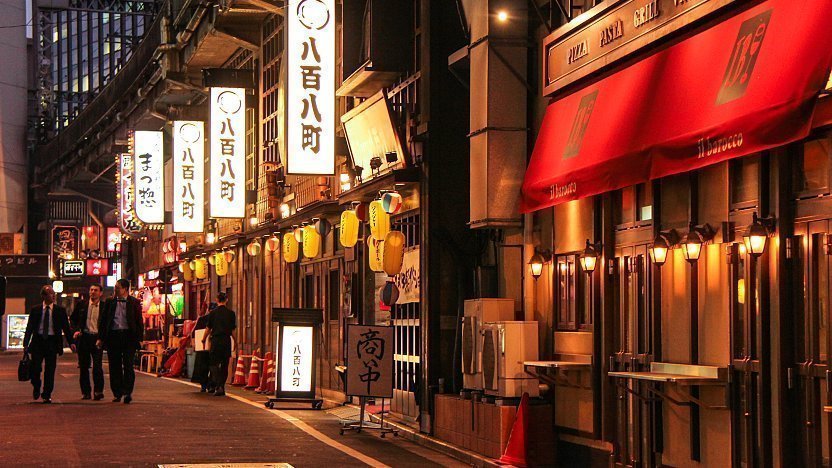
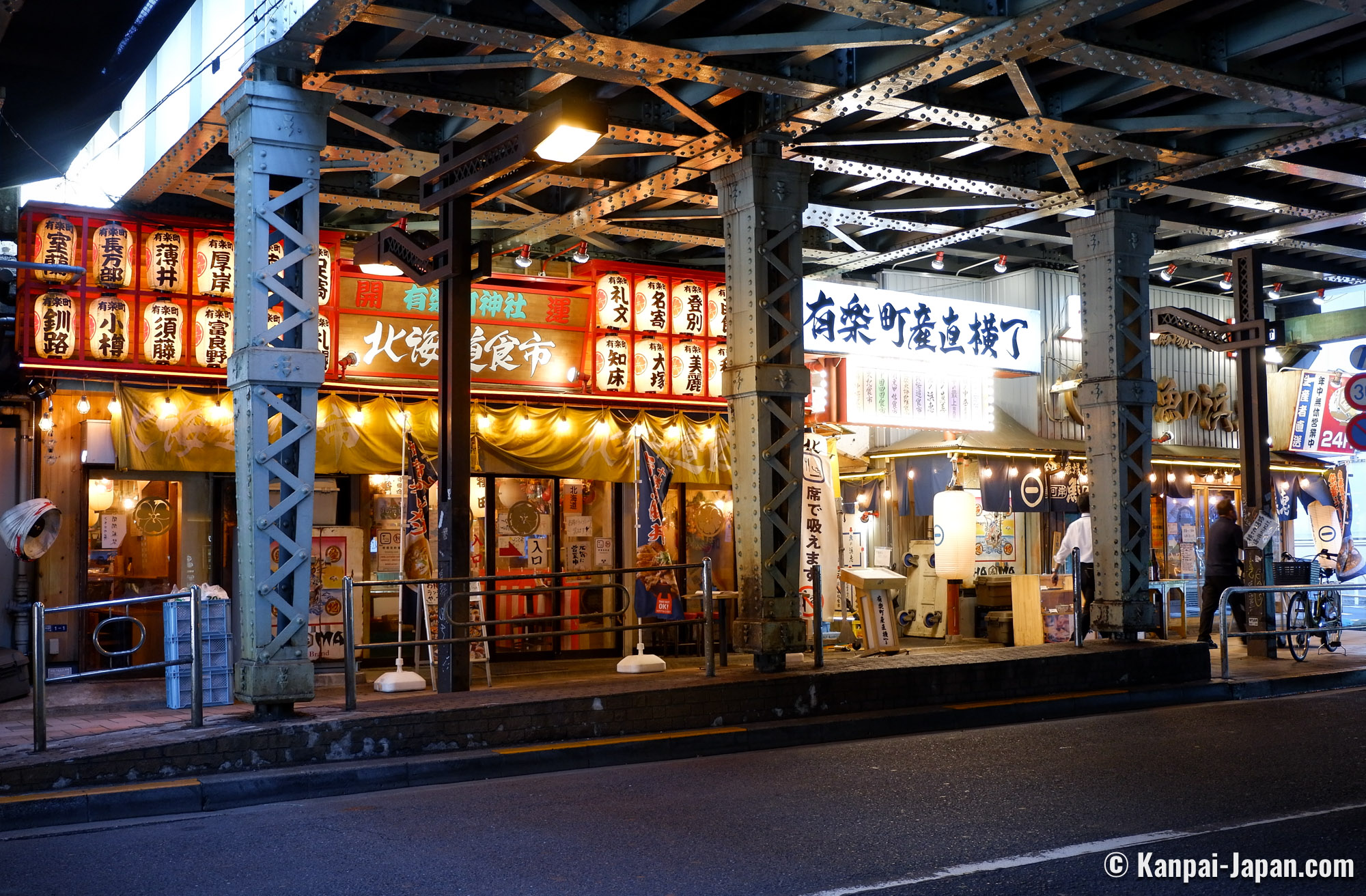
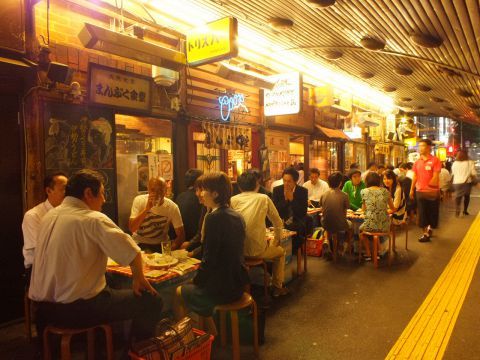
At night, under the railway tracks, the smell of grilled chicken mixes with laughter, and office workers and foreign visitors sit shoulder to shoulder.
You can switch from the polished calm of Marunouchi to the rough, lived-in atmosphere of the guardrail-side bars within minutes—that contrast feels almost strange.
If you live here, you get daily life in central Tokyo that still feels human.
Conclusion: Yurakucho is a “more livable core city” next to Tokyo Station.
Yurakucho is served by the Yamanote Line and Keihin-Tohoku Line, and connects to the Tokyo Metro Yurakucho Line.
Tokyo Station, Ginza, Hibiya, and Marunouchi are all within walking distance.
In the morning, commuters flow smoothly in one direction.
At midday, shoppers and office workers mix.
At night, people gather under the railway tracks.
The defining feature here is the railway underpass culture.
Rows of small bars and restaurants remain from postwar black-market origins, sitting right beside modern office buildings.
If you live here, commuting is efficient, and stopping by for a quick drink or meal on the way home becomes part of your routine.
2 Character of the Area
Conclusion: Yurakucho is “where real life exists next to Ginza.”
If Ginza is a place to be seen, Yurakucho is a place to be used.
Ginza means luxury and brands.
Yurakucho means casual dining and everyday consumption.
You can switch between those worlds within a few minutes.
During the day, you shop at Lumine or Itochia.
In the evening, maybe stop by Bic Camera.
At night, you drift into the underpass bars.
The flow of life—work → consumption → drinking—connects naturally.
The real character of this area is that it is not overly polished.
Even with redevelopment, a deliberate roughness remains.
If you live here, you end up choosing your mood:
a refined evening in Ginza, or a relaxed, messy one under the tracks.
3 Safety and the Feel of the Night
Conclusion: Safe overall, but clearly a nightlife area in the evening.
During the day, the area feels calm, influenced by nearby Ginza and Marunouchi.
At night, however, the underpass area fills quickly with people, voices, and smoke.
What stands out is that it is not “dangerous”—just people drinking.
It lacks the edge of Shinjuku or the chaos of Ueno.
It is simply an extension of office workers’ daily lives.
You hear the clink of beer glasses, the rumble of trains, and laughter.
Smell and sound mix together.
Living here means experiencing nights where you can still feel human warmth in the middle of Tokyo.
4 Rent Levels
Conclusion: Expensive, but still somewhat realistic for central Tokyo.
Studio: around ¥100,000–¥160,000
1LDK: around ¥200,000–¥350,000
Considering its proximity to Ginza and Tokyo Station, prices are still within reach compared to ultra-prime zones.
However, housing supply is limited.
In reality, people often search slightly toward
Shimbashi, Ginza, or Hibiya.
Living here shifts your priorities:
you start valuing location over room size.
5 Shopping Environment
Conclusion: Strong overall, but weak in everyday supermarkets.
Shopping options are excellent:
Lumine, Itochia, Yurakucho Marui, Bic Camera, and Ginza nearby.
Almost anything can be found.
However,
large, affordable supermarkets are limited.
As a result, lifestyles tend to lean toward:
eating out, takeaway meals, and department-store food.
Living here often means convenience increases—but so do daily expenses.
6 Medical Access
Conclusion: No major issues, but highly functional.
Clinics are concentrated around Ginza, Hibiya, and Marunouchi.
Access is very convenient.
However,
the feeling of a “local family doctor” is limited.
Most clinics are inside office buildings.
Living here makes healthcare feel like a service you access when needed, rather than part of a neighborhood routine.
7 Local Restaurants
Conclusion: Yurakucho’s drinking culture is directly tied to daily life.
Matsusou
Genre: Yakitori
Price: ¥2,000–¥4,000
https://www.google.com/search?q=まつ惣+有楽町
Real feel: Smoke and voices blend under the tracks
Future image: A quick drink after work becomes routine
Kotsu Hanten
Genre: Chinese
Price: around ¥1,000
https://www.google.com/search?q=交通飯店+有楽町
Real feel: Constant turnover of customers
Future image: Quick meals become part of daily flow
Keiraku
Genre: Cantonese
Price: ¥1,000–¥3,000
https://www.google.com/search?q=慶楽+有楽町
Real feel: Calm, easy-to-use atmosphere
Future image: Casual dining blends into everyday life
8 Ramen
Conclusion: Not flashy, but reliable and daily-use oriented.
Menya Hyottoko
https://www.google.com/search?q=麺屋ひょっとこ+有楽町
Real feel: Light, gentle broth—perfect after drinking
Future image: Late-night ramen becomes a habit
Tani Ramen
https://www.google.com/search?q=谷ラーメン+有楽町
Real feel: Old-school comfort taste
Future image: A regular, dependable meal spot
9 Character of the Lines
Conclusion: Almost no stress in moving around Tokyo.
From Yurakucho:
Tokyo, Shimbashi, Shinagawa, and Ueno are all quickly accessible via the Yamanote Line.
Ginza and Hibiya are within walking distance.
Morning commutes flow relatively smoothly despite crowding.
Living here means that “getting anywhere” rarely feels like a burden.
10 Access to Major Stations
Tokyo: ~2 min
Shimbashi: ~2 min
Shinagawa: ~10 min
Shinjuku: ~20 min
11 Shrines, Parks, and Cultural Facilities
Shrine
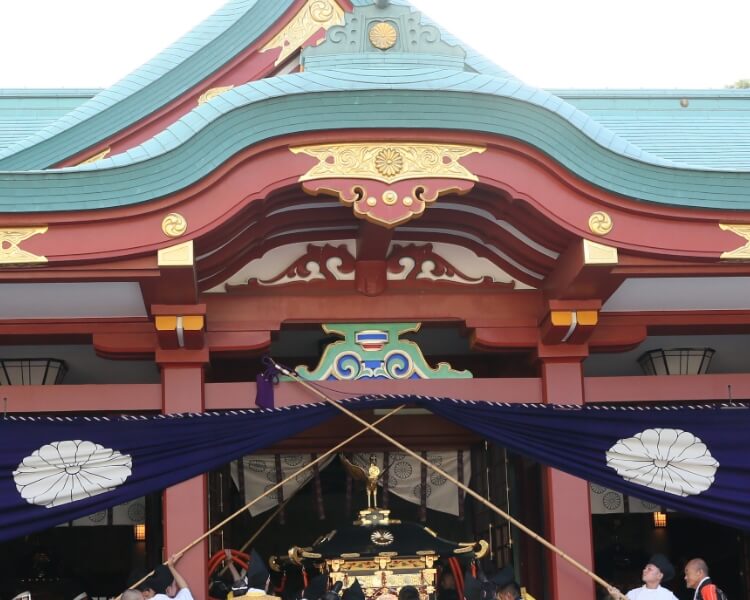
Conclusion: Slightly further away, but high quality.
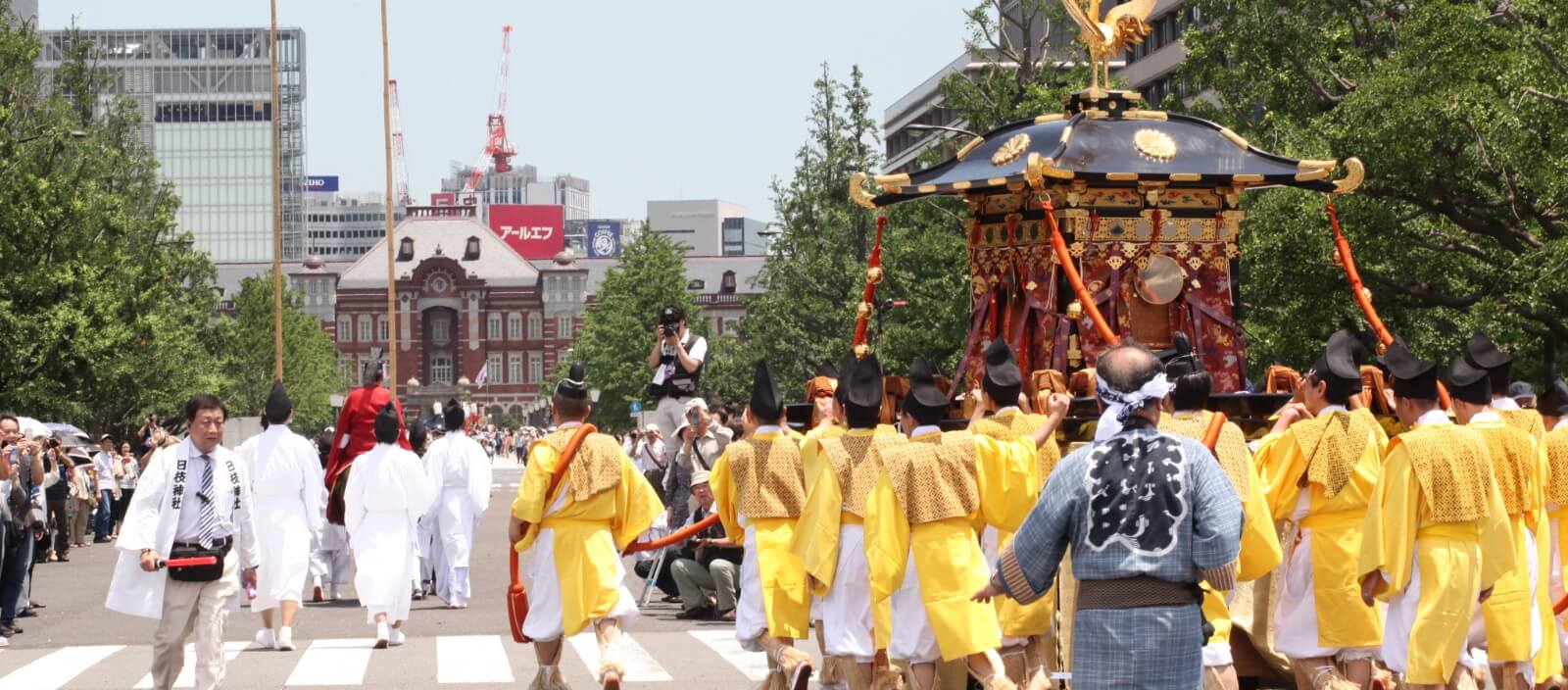
Hie Shrine is just within the broader living area.
Stepping inside, the atmosphere changes completely.
Living here makes you realize the importance of having a place to reset your mind.
Park
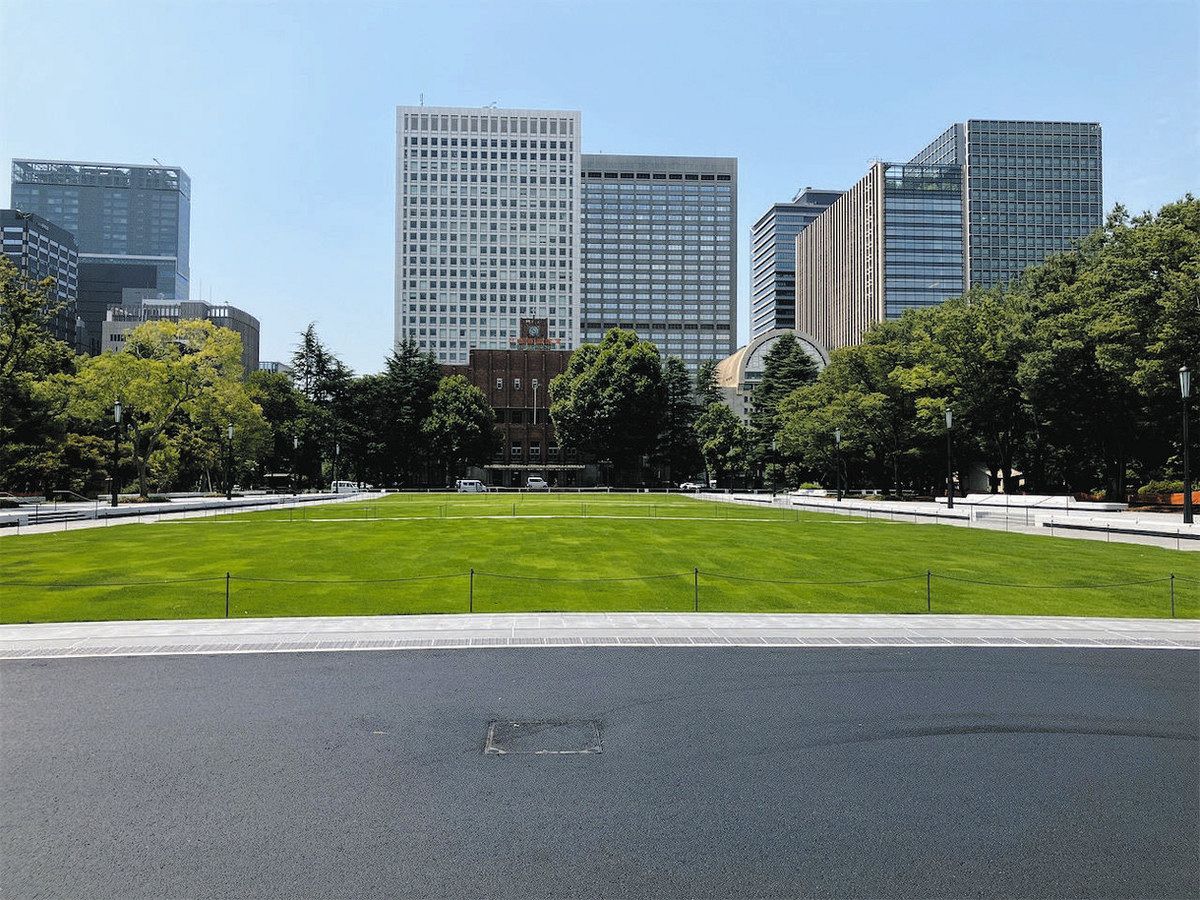
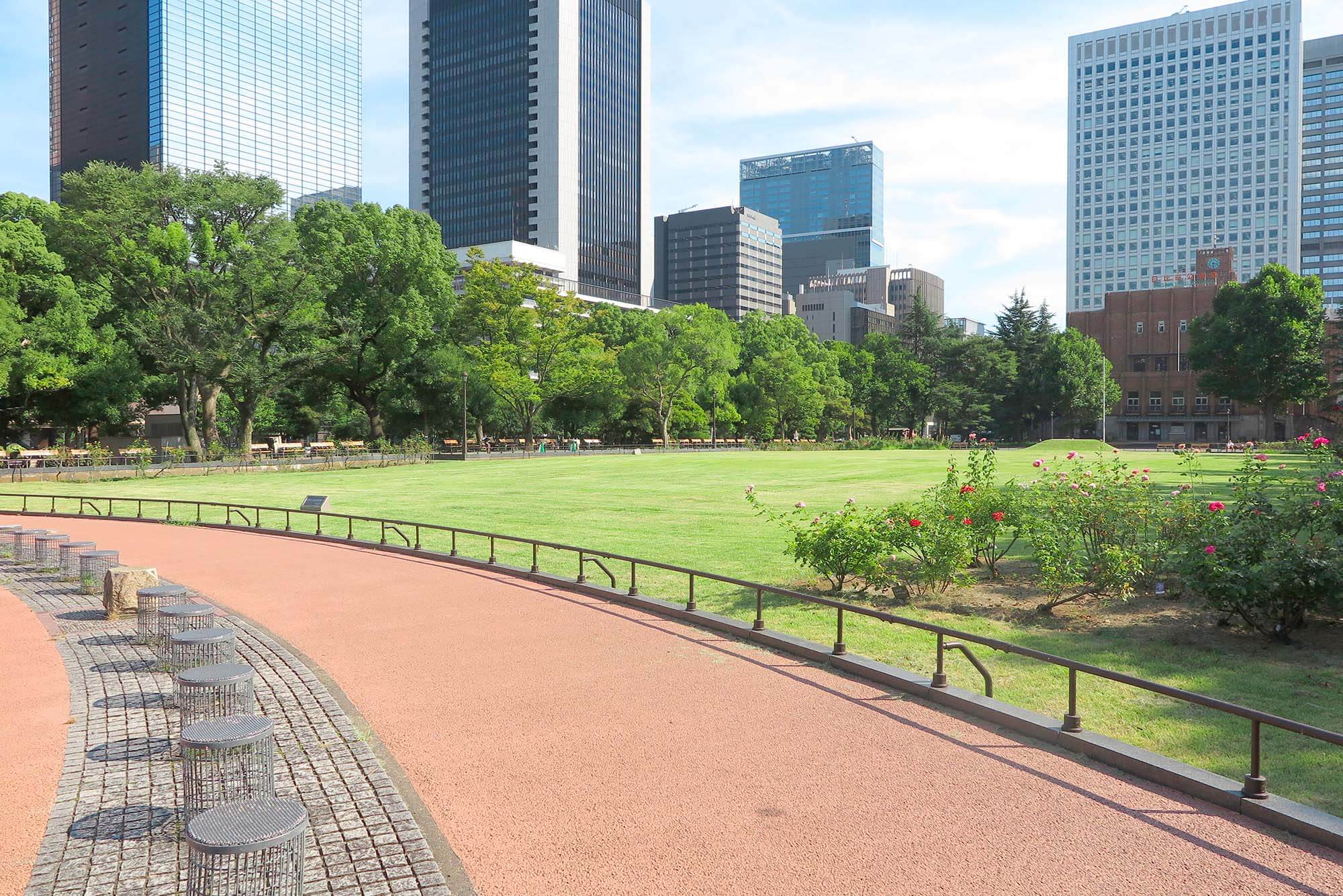
Conclusion: Excellent as a daily escape.
Hibiya Park is a large, walkable park nearby.
During the day, it fills with office workers; at night, it becomes calm.
Living here naturally leads to a habit of “going to the park when tired.”
Cultural Facilities
The Hibiya area offers theaters, cinemas, and cultural spaces.
Tokyo Midtown Hibiya adds a more refined, modern layer.
Living here means culture is not a special event—it becomes part of everyday life.
12 Disaster Risk
Conclusion: The biggest risk is being unable to return home.
Like Tokyo Station, the issue is density.
When trains stop, people accumulate rapidly.
Buildings are strong, but movement becomes difficult.
Living here means understanding that “disaster = inability to move.”
13 Advantages and Disadvantages
Conclusion: A balance between convenience and human warmth.
Advantages
• Prime location
• Strong dining and nightlife
• Excellent transport access
Disadvantages
• High rent
• Weak supermarket options
• Noisy at night
14 Who This Area Suits
Conclusion: Best for people who “use the city.”
Good fit
• People who eat out often
• Work-focused lifestyles
• Central Tokyo living
Not a good fit
• Home-cooking-focused lifestyles
• Quiet residential preferences
15 Summary
Yurakucho is “real Tokyo next to Ginza.”
Luxury and everyday life, calm and noise—all mixed together.
Morning is for commuting.
Daytime is for consumption.
Night is for drinking.
The seasons change the scenery, but the human warmth stays.
Living here gives you the feeling of truly living in Tokyo.
Less sterile than Tokyo Station.
Less chaotic than Shinjuku.
A perfectly balanced city life.
Check nearby Yamanote Line stations
← Tokyo Station Tokyo Living Guide | Yurakucho Station | Shimbashi Station Tokyo Living Guide →