- In One Line
- 1 Basic Information
- 2 Area Characteristics
- 3 Safety and Night Atmosphere
- 4 Rent Levels
- 5 Shopping Environment
- 6 Medical Access
- 7 Local Restaurants
- 8 Ramen Spots
- 9 Train Lines
- 10 Access to Major Stations
- 11 Shrines, Parks, Culture
- Meiji Shrine
- Yoyogi Park
- 12 Disaster Risk
- 13 Pros and Cons
- 14 Who It Suits
- 15 Summary
In One Line
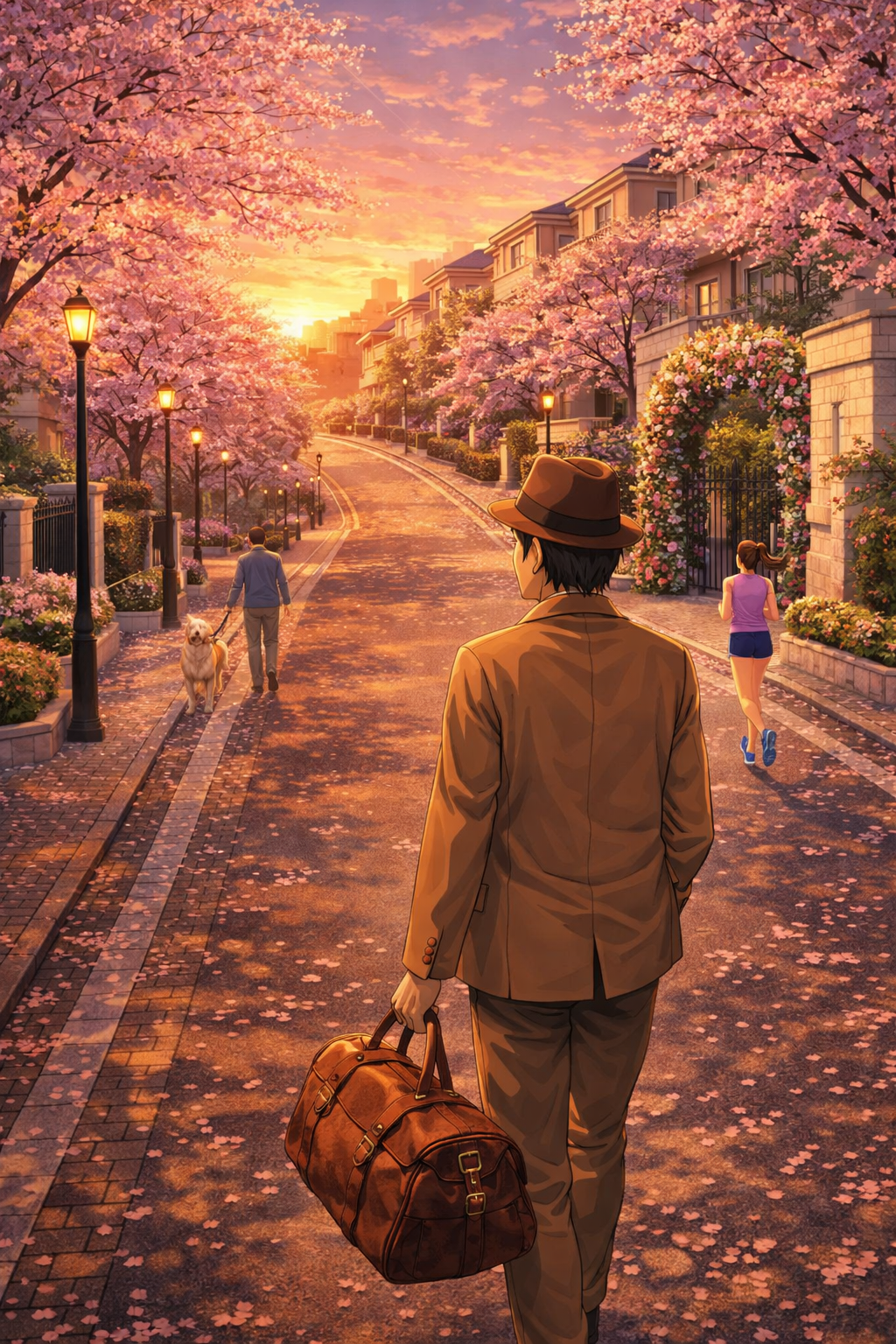
👉 A place where you can fully use Shinjuku while keeping your own life calm and controlled.
Even at night, the flow of people is relaxed, with office workers and students blending without tension. Living here, you naturally shift from being overwhelmed by Tokyo to using it on your own terms.
1 Basic Information
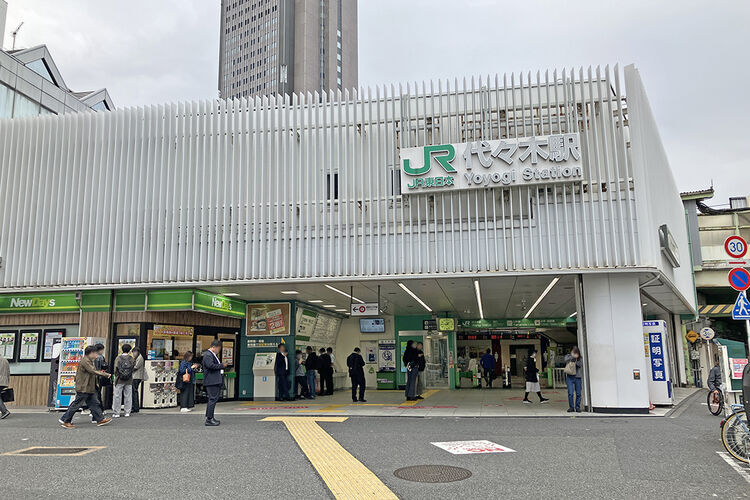
👉 Yoyogi is a “living-optimized area on the edge of a mega city.”
It connects the Yamanote Line, Sobu Line, and Oedo Line, yet the station itself remains compact and easy to navigate. Unlike Shinjuku, which has expanded into a massive hub, Yoyogi retained its role as a pass-through station, resulting in highly efficient daily movement.
Morning is dominated by commuters and students, daytime by office workers and vocational school students, and night by residents.
👉 Living here, you experience how the city subtly changes its face throughout the day.
2 Area Characteristics
👉 Yoyogi is a “functionally divided city.”
The east side blends into Shinjuku’s business zone, while the west side shifts into residential and school areas. This physical separation creates efficiency: noise and calm are naturally divided.
During the day, people flow through; at night, they disappear quickly.
👉 Living here, you feel an immediate switch into “home mode” the moment you return.
3 Safety and Night Atmosphere
👉 Yoyogi is structurally low-risk rather than just “safe.”
There are no major nightlife districts or tourist-heavy areas, meaning fewer sources of trouble. This reduces the variety of risks rather than just their frequency.
At night, the streets are neither too quiet nor too loud—just a balanced urban hum.
👉 Living here, you stop “being on guard” and start simply walking.
4 Rent Levels
👉 Rent here is essentially “access to Tokyo’s core.”
Studios range roughly from ¥100,000 to ¥150,000. While not cheap, the proximity to Shinjuku justifies it.
Unlike rapidly redeveloping areas, Yoyogi remains relatively stable.
👉 Living here, you realize your rent saves time, energy, and transportation costs.
5 Shopping Environment
👉 Daily life in Yoyogi, everything else in Shinjuku.
Basic needs are covered by local supermarkets and convenience stores, but variety is limited. For anything beyond essentials, Shinjuku is your extension.
Evening supermarkets are filled with working professionals, reinforcing a lived-in atmosphere.
👉 Living here, your lifestyle naturally becomes simpler and more efficient.
6 Medical Access
👉 A perfect balance of local clinics and major hospitals.
Small clinics are scattered around Yoyogi, while large hospitals are concentrated in Shinjuku.
For foreigners, access to English-speaking hospitals nearby is a major advantage.
👉 Living here, healthcare becomes something you don’t worry about.
7 Local Restaurants
👉 Restaurants here blend into everyday life rather than standing out.
① Katsu-sei (Tonkatsu)
Price: ¥1,000–¥2,000
https://www.google.com/search?q=かつ精+代々木
Reality: Quietly fills with office workers at lunch.
Future: Becomes your go-to weekday routine.
② Bistro Hitsujiya
Price: ¥1,000–¥3,000
https://www.google.com/search?q=ひつじや+代々木
Reality: A chaotic, multicultural dining atmosphere.
Future: International culture becomes part of your daily life.
③ Sansuiro (Western-style dining)
Price: ¥1,000–¥2,000
https://www.google.com/search?q=山水楼+代々木
Reality: Regular customers create a calm environment.
Future: You develop a “personal place” in the city.
8 Ramen Spots
👉 Ramen here fits naturally into your commute home.
① Menkoi-dokoro Isoji
Price: ¥900–¥1,200
https://www.google.com/search?q=麺恋処いそじ
Reality: Quiet crowds at night, focused on eating.
Future: Becomes your comfort stop after long days.
② Fuunji
Price: ¥900–¥1,200
https://www.google.com/search?q=風雲児+新宿
Reality: Constant lines, but efficient turnover.
Future: Even waiting becomes part of your routine.
9 Train Lines
👉 A rare station where mobility is high but stress is low.
You can circle Tokyo via the Yamanote Line, move east-west via Sobu, and cross the city via Oedo Line—all without overwhelming station complexity.
👉 Living here, transportation stops being exhausting.
10 Access to Major Stations
👉 You can fully utilize Tokyo within short distances.
Shinjuku: ~2 min / last train ~1:00 / taxi ~¥800
Shibuya: ~7 min / last train ~0:50 / taxi ~¥1,500
Tokyo: ~20 min / last train ~0:30 / taxi ~¥4,000
👉 Living here, missing the last train is no longer a serious problem.
11 Shrines, Parks, Culture
Meiji Shrine


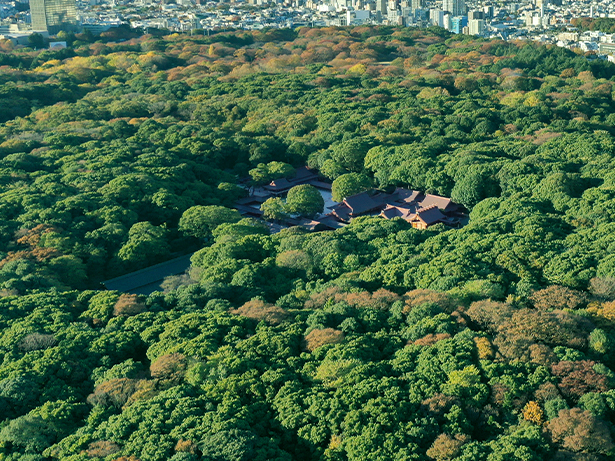
👉 A complete break from the city’s noise.
Step inside and the soundscape changes dramatically.
👉 Living here, you gain a place to reset your mind.
Yoyogi Park
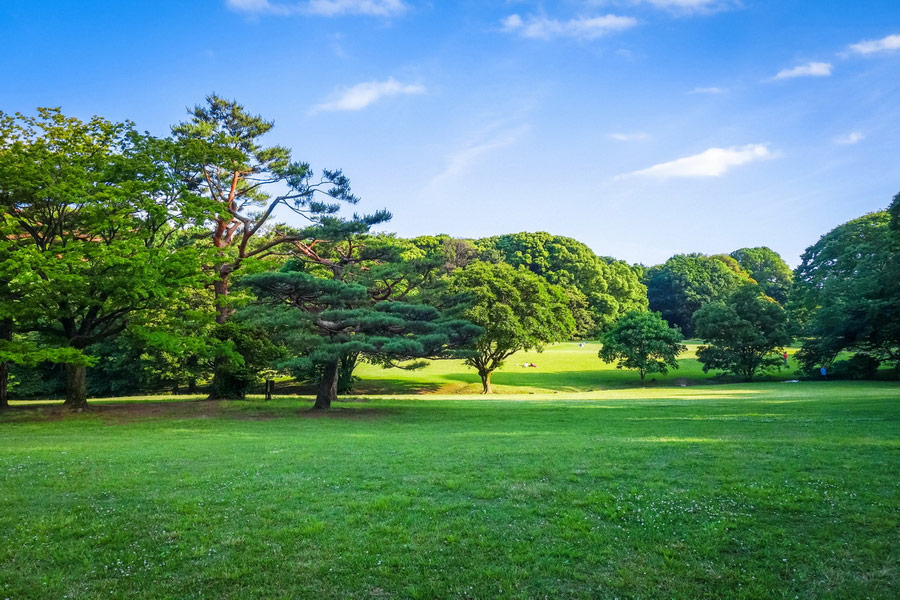
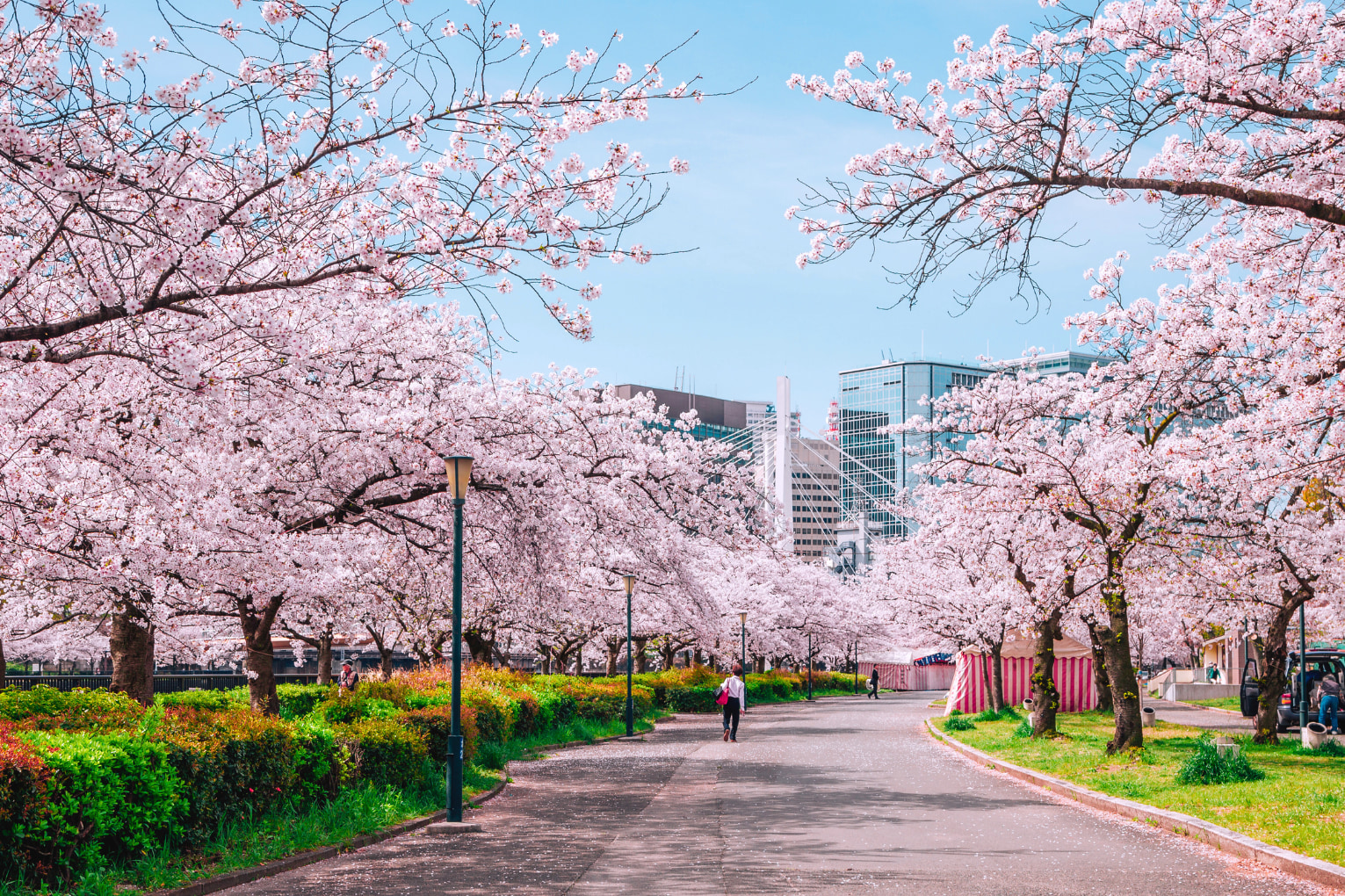

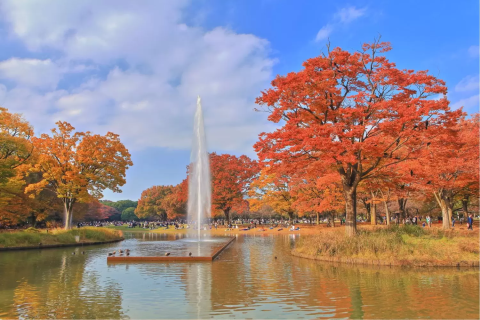
👉 A space that adds “breathing room” to life.
On weekends, it fills with diverse groups and a relaxed vibe.
👉 Living here, doing nothing becomes valuable.
12 Disaster Risk
👉 Stable ground with typical urban risks.
Built on the Musashino Plateau, the ground is strong and flood risk is low. However, dense areas still carry fire spread risks.
👉 Living here, you feel generally secure but remain aware.
13 Pros and Cons
Pros
- Walkable to Shinjuku → maximum flexibility
- Stable safety → low mental stress
- Efficient transport → less daily fatigue
Cons
- Reliance on Shinjuku
- Rent is not cheap
- Lacks excitement
14 Who It Suits
👉 Ideal for those who want to use Tokyo without being consumed by it.
- First-time residents in Tokyo
- Working professionals
- People seeking calm urban living
👉 Living here, your life becomes structured and efficient.
15 Summary
👉 Yoyogi is one of the most balanced bases for living in Tokyo.
Morning starts smoothly, without overwhelming crowds.
Midday, you access everything Shinjuku offers.
At night, you return to calm streets where the city softens.
Weekends offer contrast: open space in Yoyogi Park, deep silence in Meiji Shrine. Seasons pass quietly—cherry blossoms, greenery, autumn leaves—woven into daily life.
People who live here tend to prioritize efficiency, stability, and control over excitement. It’s not for thrill-seekers, but for those who want to build a sustainable life in Tokyo.
👉 In conclusion, Yoyogi is not just near Shinjuku—
it is the place that lets you master Tokyo without burning out.
Check nearby Yamanote Line stations
← Harajuku Station Tokyo Living Guide | Yoyogi Station | Shinjuku Station Tokyo Living Guide →