
Quick Take
Ueno is a place where you live with both the power and the rough edges of Tokyo at the same time. The station area is always crowded with tourists, shoppers, commuters, and drinkers, creating a dense atmosphere day and night. Convenience is among the best on the Yamanote Line, but if you expect quiet or elegance, you will feel a gap. Living here means gaining culture, food, and mobility all at once, while also dealing with crowds and chaos every single day.
1 Basic Information

4
Conclusion: Ueno is a “livable mega terminal,” far beyond just a convenient station.
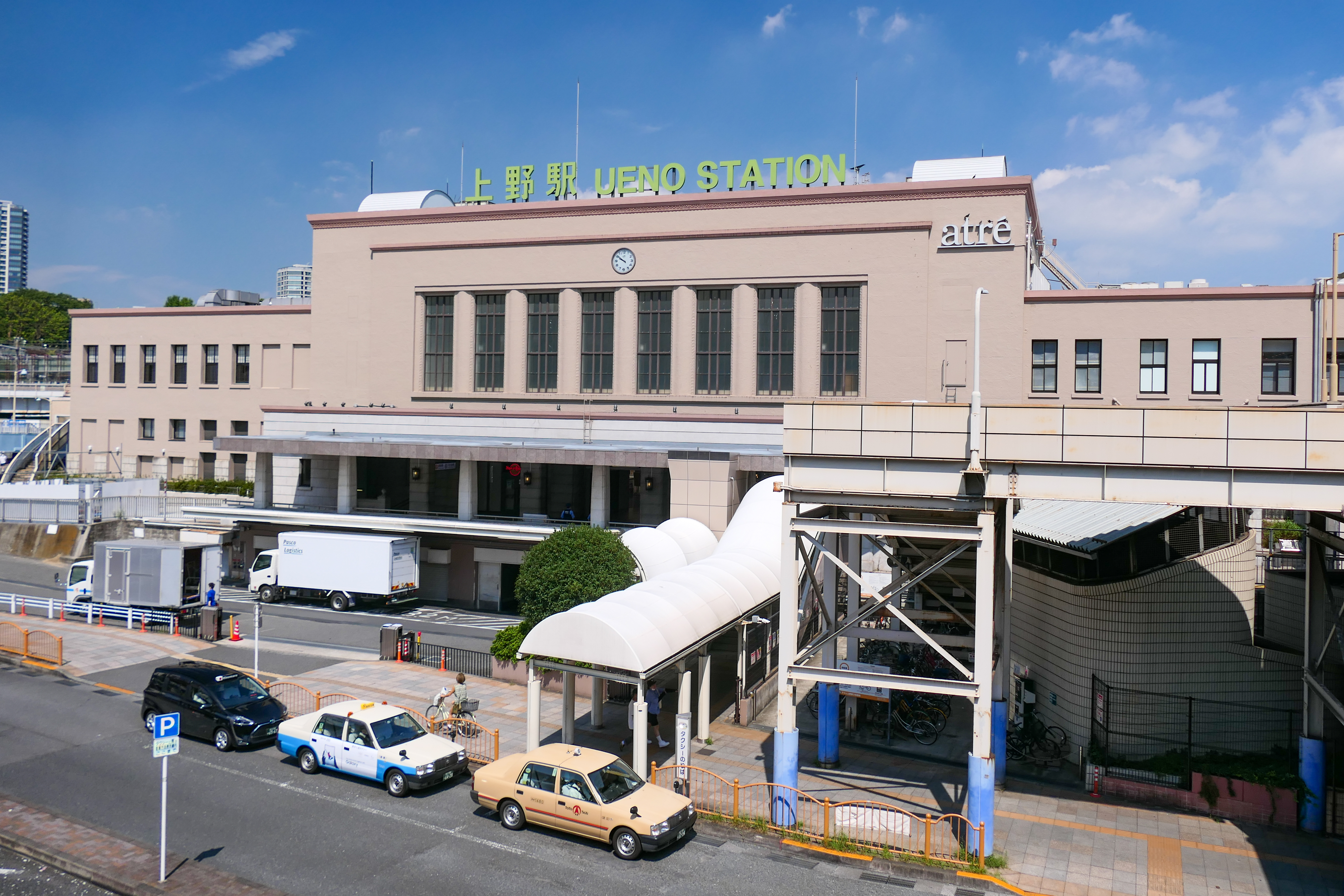
JR lines include the Yamanote Line, Keihin-Tohoku Line, Joban Line, Takasaki Line, Utsunomiya Line, and Ueno-Tokyo Line. Tokyo Metro Ginza and Hibiya Lines are also available. With Shinkansen access and proximity to Keisei Ueno, it connects not only within Tokyo but also to northern Kanto, Tohoku, and Narita Airport.
The real strength is what happens outside the station. Shopping, dining, parks, museums, a zoo, nightlife, and traditional markets are all packed together. Instead of being neatly separated, urban functions are exposed and mixed together. Even at night, the energy rarely fades.
2 Area Character
Conclusion: Ueno has everything, but it is not comfortable for everyone.
Ameyoko, Ueno Park, Ueno Zoo, Shinobazu Pond, and dense dining areas overlap within walking distance. Every few minutes, the atmosphere shifts between tourist zone, nightlife, and everyday life. That constant switching is both what makes Ueno exciting and what makes it exhausting.
Tourism is a major factor. The area attracts tens of millions of visitors annually, including a large number of international visitors, especially from East and Southeast Asia. Ueno is no longer just a “Japanese local area.” Some see this as global energy, others as constant noise.
Culturally, it is extremely strong. Museums, the zoo, and Shinobazu Pond are not “weekend destinations” but part of daily life. In spring, around 800 cherry blossom trees transform the area, and illuminated paths around the pond become part of your routine walk home.
3 Safety and Night Atmosphere
Conclusion: Ueno is convenient, but safety should not be described lightly.
The station area and Ameyoko remain crowded late into the night, with a mix of drunk customers and high-energy crowds. The ward has strict regulations against street solicitation, which reflects the presence of such risks.
Pickpocketing and theft are long-standing concerns. Patrols and surveillance have reduced incidents, but the key point is this: Ueno is not dangerous, but it is not a place to let your guard down.
Main streets are busy and visible, but nightlife areas and crowded zones require awareness of your belongings. If you are looking for a quiet residential environment, Ueno’s density may become tiring.
4 Rent
Conclusion: Ueno is not cheap, but it is reasonable for what it offers.
Studio to 1K apartments typically range from about 80,000 to 120,000 yen per month. Considering the level of access, shopping, culture, and transportation, the price is understandable.
However, prices rise near the station, in newer buildings, and in highly convenient zones. Ueno is not a hidden cheap area; it is a place where you pay for access to everything.
5 Shopping Environment
Conclusion: Shopping is top-class, but calmness is weak.
Ameyoko, department stores, discount shops, drugstores, groceries, and specialty goods are all packed together. You rarely need to go elsewhere.
However, convenience and comfort are different. Weekends and peak seasons can feel overwhelming. The entire area often feels like a constant event space.
6 Medical Facilities
Conclusion: Medical access is strong and reliable.
Large hospitals and clinics are concentrated in the area, providing a strong sense of security. It is one of Ueno’s most practical advantages for daily life.
7 Local Restaurants
Conclusion: Dining is not just convenient—it defines the lifestyle.
Meat dishes, standing bars, traditional soba, tourist restaurants, and Asian cuisine all coexist within walking distance. Eating out becomes part of daily rhythm rather than a special occasion.
8 Ramen
Conclusion: Ramen is a daily option, not just a destination.
From famous shops to everyday favorites, Ueno supports both casual meals and high-level ramen experiences within your daily route.
9 Train Lines Character
Conclusion: Ueno is not just a transfer hub—it is a starting point.
You can move easily not only within Tokyo but also toward northern regions and airports. Living here creates a sense that “you can go anywhere today.”
10 Access to Major Stations
Conclusion: Access is extremely strong.
Tokyo: about 5 minutes (last train around 0:30 / taxi about 2,000–3,000 yen)
Ikebukuro: about 15 minutes (last train around 0:30 / taxi about 4,000–5,000 yen)
Shinjuku: about 20 minutes (last train around 0:20 / taxi about 5,000–6,000 yen)
Shinagawa: about 15 minutes (last train around 0:20 / taxi about 4,000–5,000 yen)
You rarely feel stuck. Multiple routes reduce stress, especially at night.
11 Shrine, Park, Culture


4
Conclusion: Culture is not nearby—it is part of daily life.
Ueno Park is not just a tourist spot. It becomes part of your routine. Shinobazu Pond offers a slightly calmer space even during busy cherry blossom seasons.
Ueno Zoo also changes meaning when you live nearby. It becomes an extension of daily walks. While panda exhibitions ended in 2026, the cultural memory remains strong. Since the 1950s–1980s, visiting the zoo and eating at restaurants like Juraku has been part of family culture in Japan.
12 Disaster Risk
Conclusion: Risk is average for Tokyo.
There are no extreme weaknesses, but like any central area, risk is not zero. In practice, crowd density and location choice matter more in daily life.
13 Pros and Cons
Conclusion: Everything is strong, but everything is intense.
Pros include transportation, shopping, food, medical access, and culture. You can complete your entire day within the area.
Cons include crowds, tourism pressure, nightlife risks, and occasional fatigue from constant activity.
14 Who It Suits
Conclusion: Ueno suits people who actively use convenience.
It works well for commuters, travelers, food lovers, and those who enjoy culture in daily life. It is not suitable for those seeking quiet and slow-paced environments.
15 Summary
Conclusion: Ueno is ideal for people who want full Tokyo without dilution.
Living here means fast mornings, efficient movement, spontaneous shopping, easy dining, and access to culture within walking distance. In spring, cherry blossom crowds blend into daily life.
At the same time, noise, crowds, and minor risks are always present. Ueno is not a perfect paradise, but for those who want the full intensity of Tokyo, it is one of the strongest options.
Check nearby Yamanote Line stations
← Uguisudani Station Tokyo Living Guide | Ueno Station | Okachimachi Station Tokyo Living Guide →
