A guide to choosing where to live in Tokyo by station.
Covers commuting, rent levels, safety, and the real feel of each neighborhood.
What is the Yamanote Line?
The Yamanote Line is a loop line that connects Tokyo’s major areas and serves as the main reference line for living in the city.
It links key hubs such as Tokyo, Shinjuku, Shibuya, Shinagawa, and Ueno, making it the easiest line to understand for first-time residents.
Find Your Best Area on the Yamanote Line
Quiet Areas
A selection of calm neighborhoods suitable for a peaceful lifestyle
Convenient Areas
Areas with strong access for commuting and daily movement
Budget Areas
Neighborhoods where you can keep living costs lower
Balanced Areas
Areas with a good balance of convenience, environment, and cost
Active at Night Areas
Areas where life continues late into the night and movement never really stops
Yamanote Line Station List
Tokyo – The center of Tokyo, unmatched convenience but limited residential feel
Yurakucho – Compact, urban, and well-balanced
Shimbashi – Business and nightlife, strong evening atmosphere
Hamamatsucho – Strong airport access, business-oriented
Tamachi – A redeveloping area with a mix of business and residential spaces
Takanawa Gateway – A future-focused, rapidly developing district
Shinagawa – A major transport hub connecting Tokyo to the rest of Japan
Osaki – Quiet with a balance of offices and residential areas
Gotanda – Easy to live in, with both residential and nightlife aspects
Meguro – Calm and stylish, a well-balanced living area
Ebisu – A mature area with great food and a comfortable lifestyle
Shibuya – Youth culture, high energy, always in motion
Harajuku – The center of culture and tourism
Yoyogi – The boundary between urban energy and quiet living
Shinjuku – The ultimate transport hub with everything from daily life to nightlife
Shin-Okubo – A lively, multicultural neighborhood
Takadanobaba – A student-friendly area with affordable living
Mejiro – A quiet residential area ideal for a calm lifestyle
Ikebukuro – A major terminal with everything you need
Otsuka – A local, down-to-earth area with good livability
Sugamo – A calm and senior-friendly neighborhood
Komagome – Quiet and well-balanced for residential living
Tabata – Lower rent and a hidden residential gem
Nishi-Nippori – An underrated transport hub with a calm atmosphere
Nippori – A balance of traditional downtown charm and convenience
Uguisudani – Lower rent with a unique atmosphere
Ueno – A mix of tourism and everyday life
Okachimachi – A blend of local life and the lively Ameyoko market
Akihabara – The center of electronics and otaku culture
Kanda – A balance of business district and local nightlife
Yamanote Line Overview


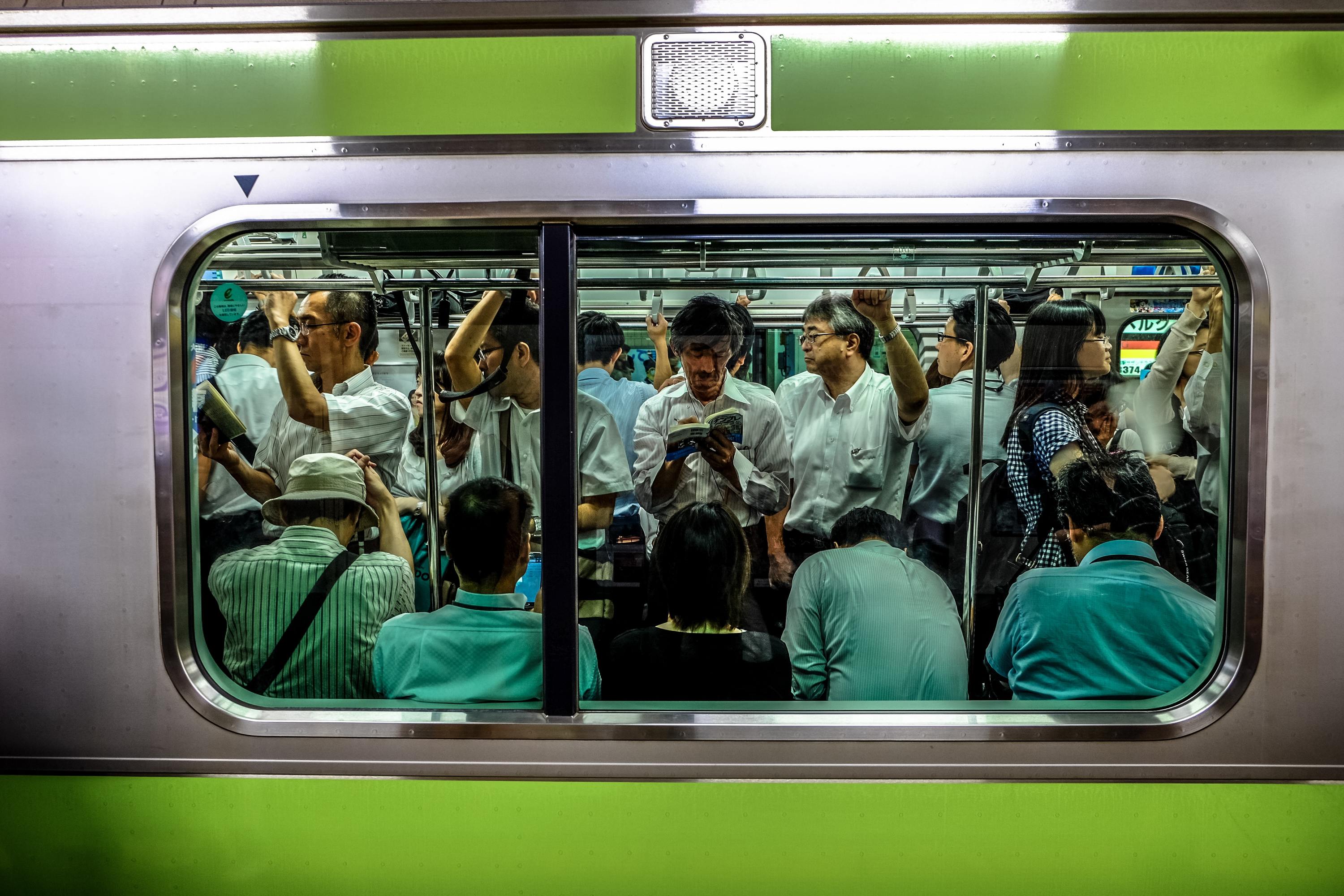

- Trains run every 3–5 minutes throughout the day
- Frequent service from first train to last train
- Covers all major areas in Tokyo
- Busy at almost all times
Peak congestion times
- Morning: 7:30–9:30 (rush hour)
- Evening: 18:00–20:00 (commute peak)
Shinjuku, Shibuya, and Tokyo areas are consistently crowded.
Yamanote Line Summary
The Yamanote Line is the strongest option if convenience and mobility are your priority.
However, due to the constant flow of people, choosing the right station is important if you want a quieter lifestyle.
There is no single “best” — only what fits your life
Now that you’ve seen the differences, the next step is simple.
Discover hidden Yamanote Line stations that let you use major Tokyo hubs as part of your daily life.
Hidden Yamanote Line Stations That Put Major Tokyo Hubs in Your Daily Orbit
Beyond the Yamanote
Live with culture and nature beyond the Yamanote. Enter the Chuo Line.