- Quick Take
- 1 Basic Information
- Takanawa Gateway Station
- 2 Area Characteristics
- 3 Safety and Night Atmosphere
- 4 Rent Prices
- 5 Shopping Environment
- 6 Medical Facilities
- 7 Local Restaurants
- 8 Ramen
- 9 Train Lines and Connectivity
- 10 Access to Major Stations
- 11 Shrines, Parks, and Culture
- Sengakuji Temple
- Takanawa Park
- 12 Disaster Risk
- 13 Pros and Cons
- 14 Who It’s For
- 15 Summary
Quick Take
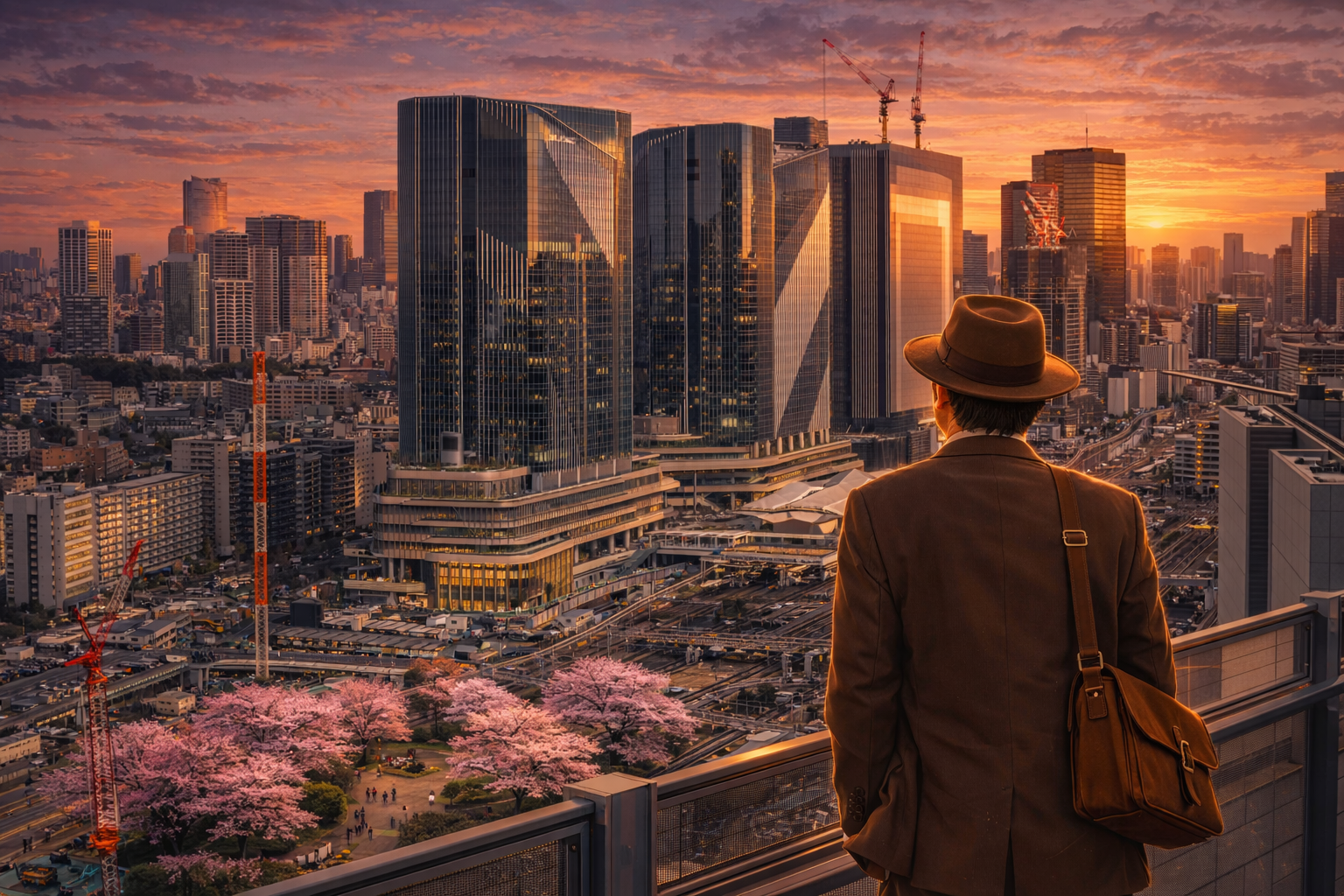
Takanawa Gateway is a place where you experience the future of Tokyo before it fully arrives, and at night, the people disappear while the space itself remains.
There is a strange mismatch between the polished, almost too-perfect cityscape and the lack of human presence, which makes the area feel almost empty of real daily life.
Living here means stepping into the unusual experience of living inside a city that is still being completed.
1 Basic Information
Takanawa Gateway Station
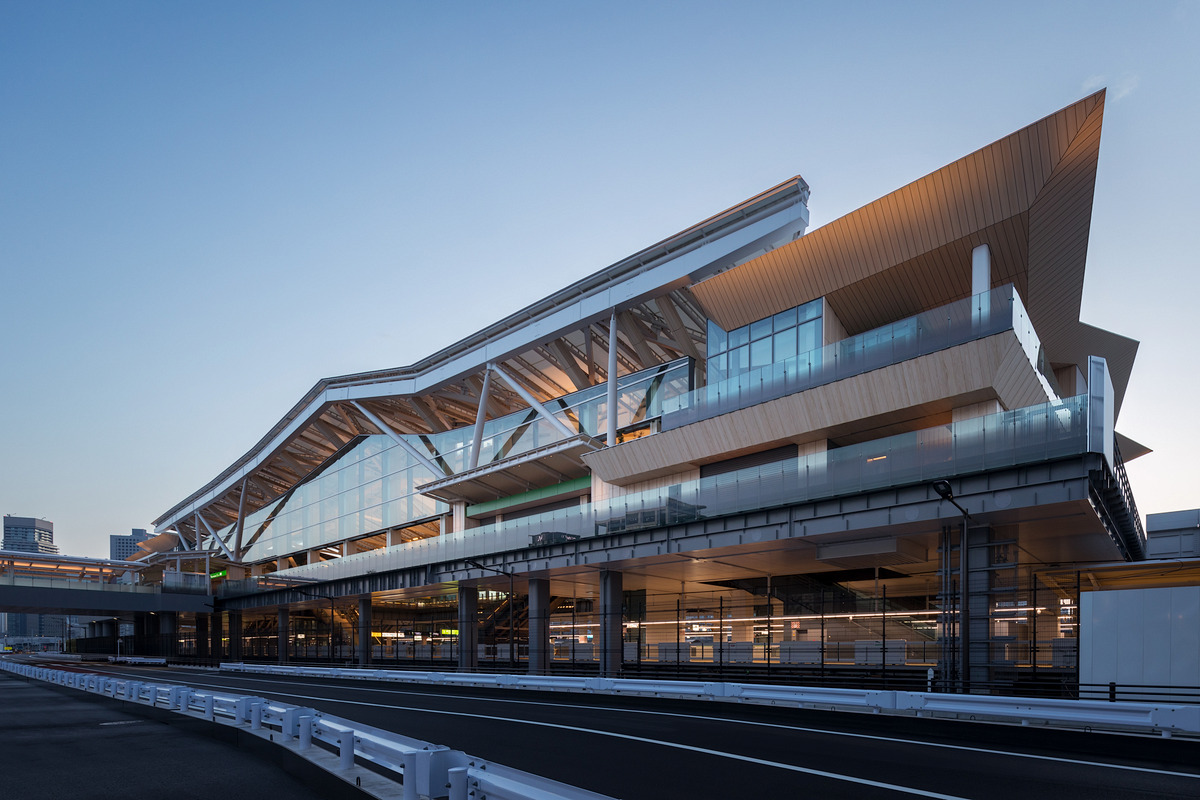

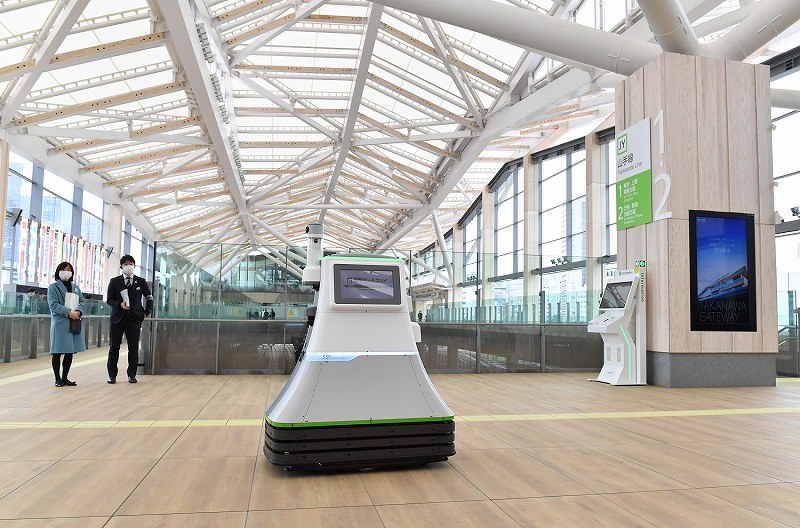
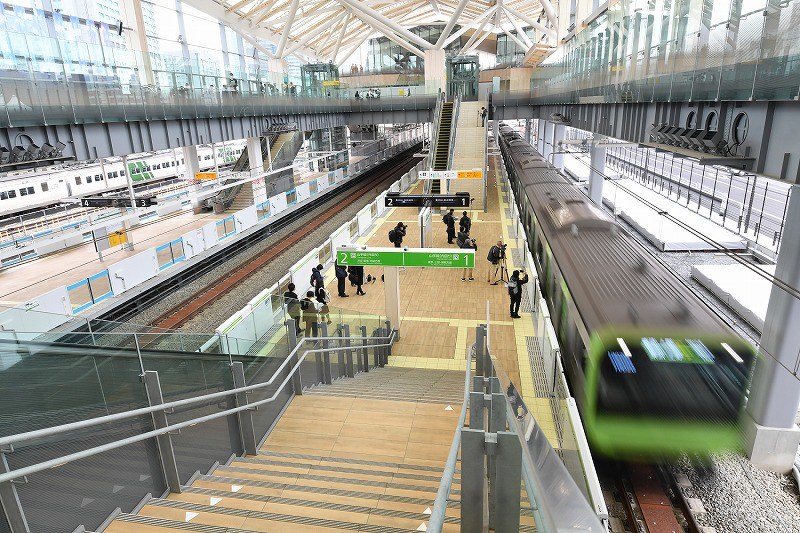
Takanawa Gateway is not a station inside an existing neighborhood. It is a station built to create a neighborhood around it.
Opened in 2020, it is served by the Yamanote Line and the Keihin-Tohoku Line.
It was designed as the centerpiece of a large-scale redevelopment project led by JR East.
The area covers roughly 9.5 hectares and is planned as a mixed-use district combining offices, hotels, retail, cultural facilities, and housing.
Its concept is that of an international exchange hub and a testing ground for the future city.
In other words, this is not a finished neighborhood.
It is a city that is still evolving.
Living here means building your life while waiting for the city itself to catch up.
2 Area Characteristics
Takanawa Gateway is less a neighborhood and more a project.
Most neighborhoods grow naturally out of daily movement and human activity.
This place, by contrast, is being designed almost from scratch.
That is why, at the moment, it feels
- spacious
- beautiful
- and strangely empty
There are still few everyday shops and few places to eat,
so the area lacks the continuous flow that makes a place feel like a real town.
Living here, you strongly feel that the city itself is not yet supporting everyday life.
3 Safety and Night Atmosphere
The area feels extremely safe, but that does not automatically translate into comfort.
With so few people around, the risk of crime appears low.
At the same time, the area becomes almost completely empty at night, and the scale of the space can feel unsettling.
Even though it is bright and carefully maintained,
it can feel like an unoccupied city.
Living here means experiencing nights that are safe, yet somehow emotionally unsettled.
4 Rent Prices
Takanawa Gateway is an area where prices are driven more by future potential than by current convenience.
Studios and 1K apartments are roughly in the ¥120,000 to ¥160,000 range.
A 1LDK can run from around ¥200,000 to ¥350,000.
Prices remain high because of the Takanawa and Shinagawa brand value.
But compared with the area’s current level of livability,
many people may find it expensive for what it is today.
Living here can feel like paying rent for the future rather than for the present.
5 Shopping Environment
The honest conclusion is that, as a place for daily life, it is still not fully functional.
There is almost no proper supermarket environment,
so it is easy to end up relying on convenience stores.
For everyday shopping, you will likely depend on nearby areas such as
- Shinagawa
- Tamachi
- Shirokane
Living here means planning your shopping together with your movement through the city.
6 Medical Facilities
Medical care does not really feel self-contained within the immediate area.
Clinic options are limited,
so in practice you will depend on areas like Shinagawa or Tamachi.
Living here means assuming that even healthcare happens outside the neighborhood.
7 Local Restaurants
(At the moment, there is very little true local restaurant culture directly around the station.)
Shinagawa Area (as part of the practical living zone)
Genre: Izakaya
Price range: ¥3,000–¥5,000
https://www.google.com/search?q=品川 居酒屋 個人店
Local feel: On weekday nights it is lively with office workers, but it feels like a completely different world from the station area itself.
Future image: It becomes the kind of place you stop by on your way home.
Takanawa Area Japanese Restaurant
Genre: Japanese cuisine
Price range: ¥2,000–¥4,000
https://www.google.com/search?q=高輪 和食 個人店
Local feel: The atmosphere is calm, with a quieter and more settled clientele.
Future image: It becomes a place where you go when you want a slower, more deliberate meal.
8 Ramen
Kariyon
Price range: ¥900–¥1,200
https://www.google.com/search?q=かりよん+高輪ゲートウェイ
Local feel: A small, understated shop that quietly attracts regulars rather than crowds.
Future image: It becomes a hidden spot you return to when you want something simple and familiar.
9 Train Lines and Connectivity
Takanawa Gateway is a station with strong transportation but weak day-to-day livability.
The Yamanote Line gives direct access to major Tokyo districts.
The Keihin-Tohoku Line also makes north-south travel easy.
But the station’s transportation potential
does not yet match its quality as a place to live.
Living here means feeling that movement is smooth while daily life still feels incomplete.
10 Access to Major Stations
Shinagawa: about 2 minutes (last train around 00:30)
Tokyo: about 15 minutes (last train around 00:10)
Shimbashi: about 10 minutes (last train around 00:20)
Shibuya: about 20 minutes (last train around 00:00)
Living here means you can go almost anywhere easily, but not truly complete your life here.
11 Shrines, Parks, and Culture
Sengakuji Temple
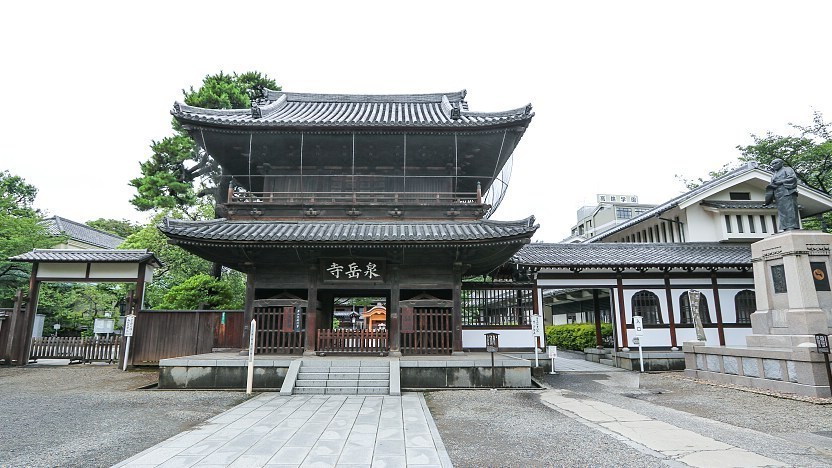
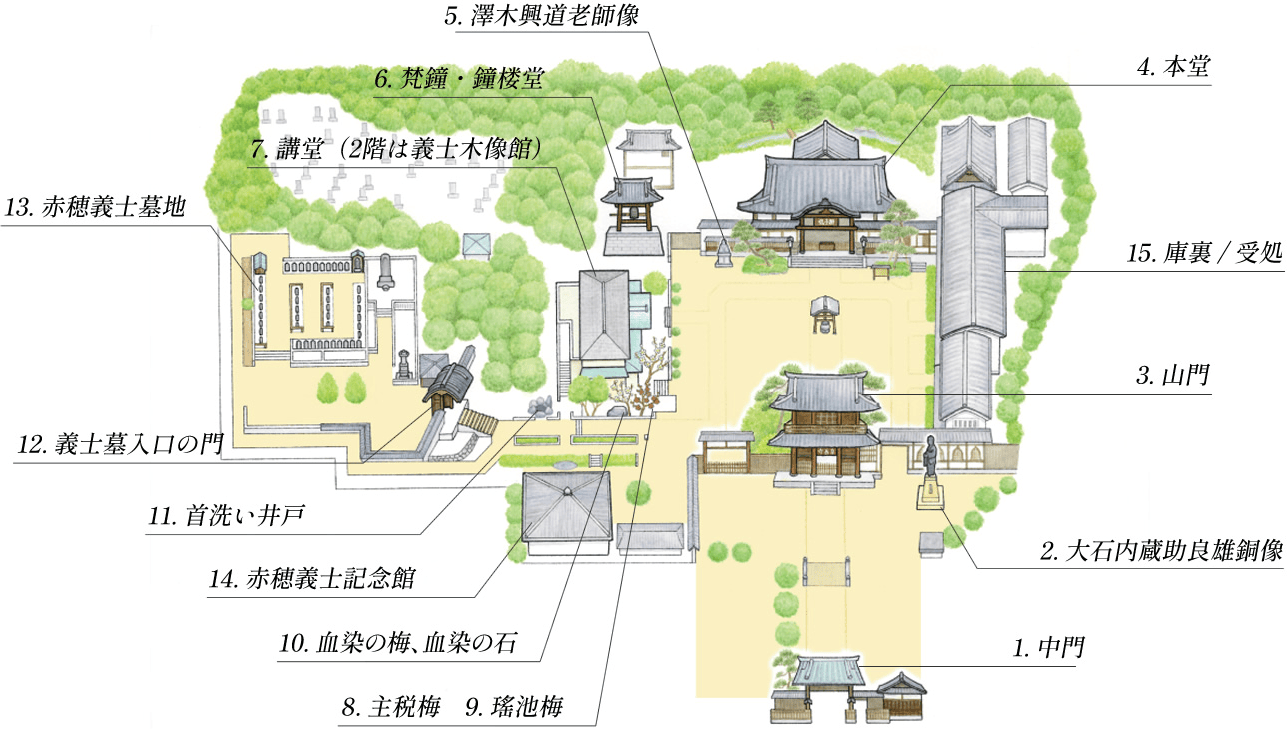

Sengakuji is a place where the past remains powerfully present.
Known for its connection to the story of the Forty-Seven Ronin, it carries a heavy historical atmosphere.
Living here means feeling the contrast between cutting-edge redevelopment and deeply rooted history in everyday life.
Takanawa Park


Takanawa Park is a quiet park with relatively few people.
It is well maintained, but rarely feels busy.
Living here means having an almost too-quiet kind of space woven into daily life.
12 Disaster Risk
Takanawa Gateway is an area where newness and geographical risk exist side by side.
The Takanawa side sits on relatively stable ground.
Some areas closer to reclaimed land may carry liquefaction risk.
The redevelopment zone itself is highly earthquake-resistant,
but newer districts always come with some uncertainty in how they will function during real emergencies.
Living here means accepting both the strength and the uncertainty of a newly built city.
13 Pros and Cons
Pros
- Strong transport access
→ Easy use of the Yamanote Line and close proximity to Shinagawa - Exceptionally new environment
→ Clean, polished, and comfortable public spaces - High long-term potential
→ At the center of one of Tokyo’s major redevelopment projects
Cons
- Daily-life functions are still incomplete
→ Everyday living is not yet easy or self-contained - Very few people
→ The area lacks energy and street-level life - Heavy dependence on surrounding districts
→ Daily life relies on other neighborhoods
Living here means choosing a life that invests in the future rather than one that feels complete today.
14 Who It’s For
Takanawa Gateway suits people who can find value in an unfinished city.
- People who enjoy watching redevelopment happen in real time
- People who prioritize quiet surroundings
- People who care most about central Tokyo access
It may especially suit
👉 expatriates and internationally oriented business professionals
This area feels closer to a place designed for
- short-term living
- fluid, mobile residence
By contrast, it is not a strong fit for people who want
- a neighborhood where life is complete on foot
- easy daily shopping
- warmth and texture in the surrounding streets
Living here means adapting yourself to the future shape of the city.
15 Summary
Takanawa Gateway is a place where you experience the future of Tokyo ahead of time.
In the morning, you enter a station that already feels futuristic.
By day, the district is dominated by business activity.
At night, the people disappear and only the architecture remains.
On weekends, you are likely somewhere else.
Life here naturally expands outward into surrounding districts.
This is not a fully formed place to live.
It is the process of city-making itself.
Its value does not come from everyday comfort.
Its value comes from still being unfinished.
Choosing to live here means choosing
- not comfort
- but participation in the future
And whether this area will one day become a dazzling, magnetic district with the energy of New York is something I want you to see with your own eyes.
Check nearby Yamanote Line stations
← Tamachi Station Tokyo Living Guide | Takanawa Gateway Station | Shinagawa Station Tokyo Living Guide →