- In One Sentence
- 1 Basic Information
- Tachikawa Station
- 2 Area Characteristics
- 3 Safety and Night Atmosphere
- 4 Rent Prices
- 5 Shopping Environment
- 6 Medical Access
- 7 Local Restaurants
- 8 Ramen
- 9 Character of the Lines
- 10 Access to Major Stations
- 11 Shrines, Parks, Cultural Spots
- Suwa Shrine (Tachikawa)
- Showa Memorial Park
- 12 Disaster Risk
- 13 Advantages and Disadvantages
- 14 Who It Suits
- 15 Summary
In One Sentence
If you’re looking for a place where family life works without sacrificing convenience, many people stop here on the Chuo Line.
Even at night, the crowds remain, but families and daily life blend into the flow, keeping the atmosphere surprisingly balanced.
Living here makes it possible to balance urban convenience with family life.
1 Basic Information
Tachikawa Station
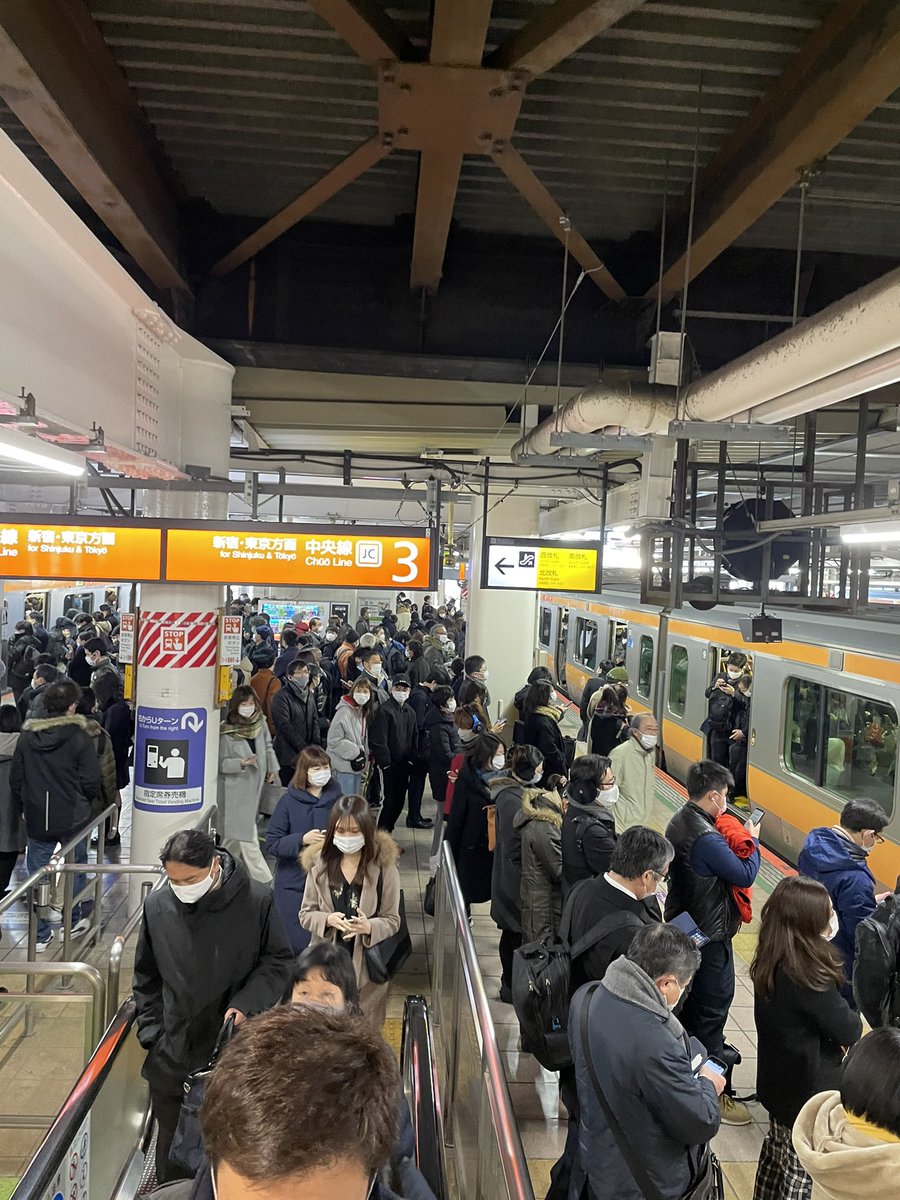
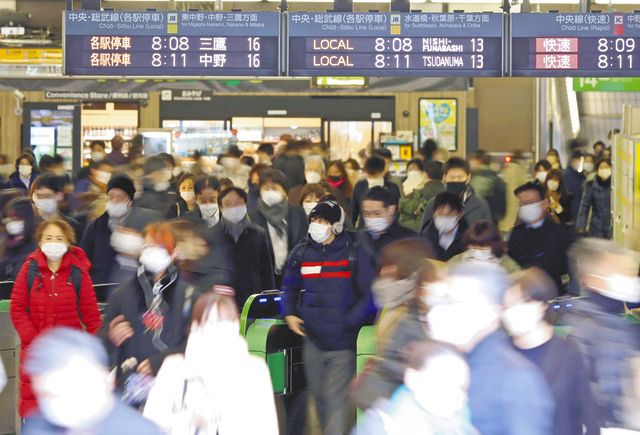
Tachikawa is a major hub on the JR Chuo Line, where Rapid, Commuter Rapid, and Special Rapid trains all stop.
It also connects to the Nambu Line, Ome Line, and Tama Monorail, making it one of the largest transport centers in western Tokyo.
At night, families returning from shopping and commuters blend naturally in the station area.
The essence of this station is a city where family life fully functions.
Living here means your entire daily life can be completed without going into central Tokyo.
2 Area Characteristics
Tachikawa is a hybrid of urban center and residential base.
The station area is packed with large commercial facilities, while residential zones spread out just beyond.
During the day, families and shoppers fill the streets; in the evening, parents with children and commuters return home.
This layering of daily life defines the atmosphere.
Unlike the quiet elegance of Kunitachi, Tachikawa maintains constant movement.
Living here makes the city itself an extension of your daily life.
3 Safety and Night Atmosphere
Safety varies depending on the area.
The north side has a busier nightlife scene, while the south side and residential zones remain calm.
At night, once you move away from the main streets, you begin to see families heading home.
The presence of families contributes to overall stability.
Living here teaches you that choosing the right area creates a safe environment for raising children.
4 Rent Prices
Tachikawa offers good balance for its level of convenience.
- Studio / 1K: ¥65,000–¥95,000
- 1LDK: ¥100,000–¥150,000
- 2LDK+: ¥140,000–¥220,000
Family-sized apartments become more accessible slightly away from the station.
Living here allows you to balance space and convenience effectively.
5 Shopping Environment
This is where Tachikawa stands out.
- IKEA Tachikawa (furniture and home goods)
- LaLaport Tachikawa Tachihi (family-oriented mall)
- Isetan / Takashimaya (department stores)
- Granduo / Lumine (daily shopping and fashion)
On weekends, families with strollers naturally blend into the streets.
Living here means family shopping is completed in one area.
6 Medical Access
Multiple general and specialized hospitals are available.
There are many pediatric clinics, making it ideal for families.
During the day, you often see parents bringing children in for care.
Living here reduces anxiety around children’s health.
7 Local Restaurants
Yotsukado Hanten
Cuisine: Chinese
Price: ¥800–¥1,500
https://www.google.com/search?q=四つ角飯店+立川
Casual and family-friendly.
Dining out becomes part of everyday life.
Bistro Flat
Cuisine: Western
Price: ¥1,000–¥2,000
https://www.google.com/search?q=ビストロフラット+立川
A calm place for relaxed meals.
Family dining becomes more intentional.
8 Ramen
Tachikawa Mashimashi
Style: Jiro-style ramen
Price: ¥800–¥1,200
A hearty, satisfying option.
It becomes a go-to after long days.
Seiju
Style: Niboshi ramen
Price: ¥900–¥1,200
A quieter spot for solo meals.
It creates small moments of personal space.
9 Character of the Lines
The Chuo Line serves as Tokyo’s main east-west backbone.
Tachikawa functions as a western hub.
All major train types—Rapid, Commuter Rapid, and Special Rapid—stop here, ensuring efficient commuting.
The Nambu Line connects to Kawasaki, the Ome Line leads to nature-rich areas, and the Tama Monorail expands movement across the Tama region.
In the morning, people disperse in all directions; at night, they return home.
This station connects work and family life.
Living here allows you to secure time with your family more easily.
10 Access to Major Stations
- Shinjuku: ~25 min (last train around 00:30 / taxi ~¥9,000)
- Tokyo: ~40 min (last train around 00:00 / taxi ~¥14,000)
- Hachioji: ~10 min (last train around 01:00 / taxi ~¥2,500)
11 Shrines, Parks, Cultural Spots
Suwa Shrine (Tachikawa)

A calm space within the city.
The sound of wind through the trees creates a quiet atmosphere.
Coming here changes the quality of family time.
Showa Memorial Park
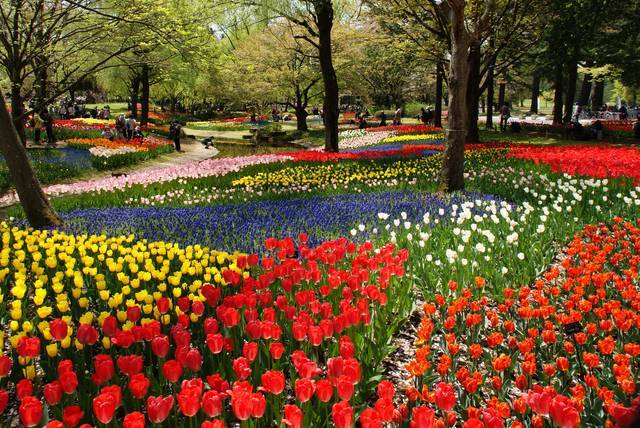
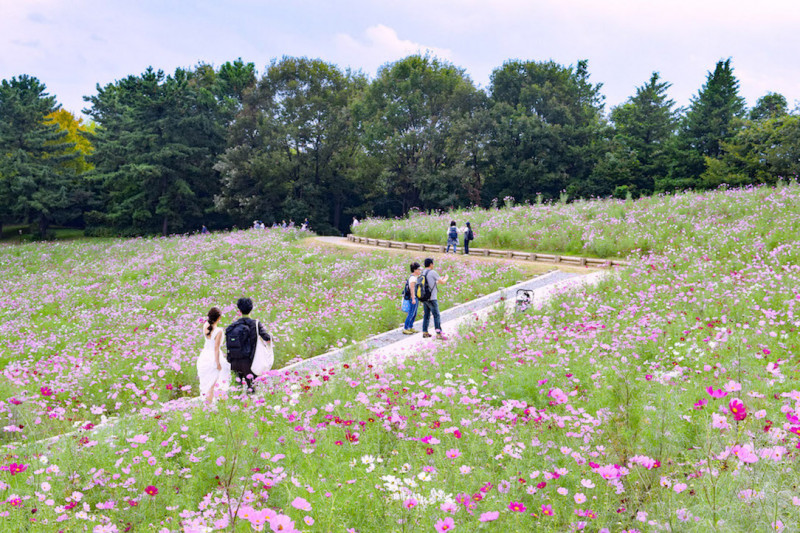
One of the largest parks in Tokyo.
Children run freely while adults can relax at their own pace.
Weekends feel less like an event and more like an extension of everyday life.
Living here naturally increases the amount of time you spend with your family.
12 Disaster Risk
The ground is relatively stable.
However, the station area has high population density, which may cause congestion during evacuations.
Residential areas still carry fire risks.
Living here requires understanding that crowds can become a risk factor.
13 Advantages and Disadvantages
Advantages
- Daily life fully self-contained
- Strong environment for raising children
- Excellent transportation access
Disadvantages
- High foot traffic
- Area-based differences in safety
- Quietness depends on location
14 Who It Suits
- Families
- Dual-income households
- People seeking both urban function and livability
It is not ideal for those seeking complete silence.
Living here means integrating the city into your daily life.
15 Summary
Tachikawa is a complete city for family living.
Morning: commute
Day: work or school
Night: family time
Weekends are spent in parks or shopping areas without leaving the city.
Seasonal changes—flowers in spring, events in summer, foliage in autumn—naturally become part of life.
People who live here choose efficiency and richness in daily living.
This is a place where family life expands.