- First Impressions
- 1 Basic Information
- 2 Neighborhood Character
- 3 Safety and Night Atmosphere
- 4 Rent Prices
- 5 Shopping Environment
- 6 Medical Facilities
- 7 Local Restaurants
- 8 Ramen Picks
- 9 Train Lines and Accessibility
- 10 Access to Major Areas
- 11 Shrine, Park, and Cultural Spots
- 12 Disaster Risk
- 13 Pros and Cons
- 14 Who It’s For
- 15 Summary
First Impressions
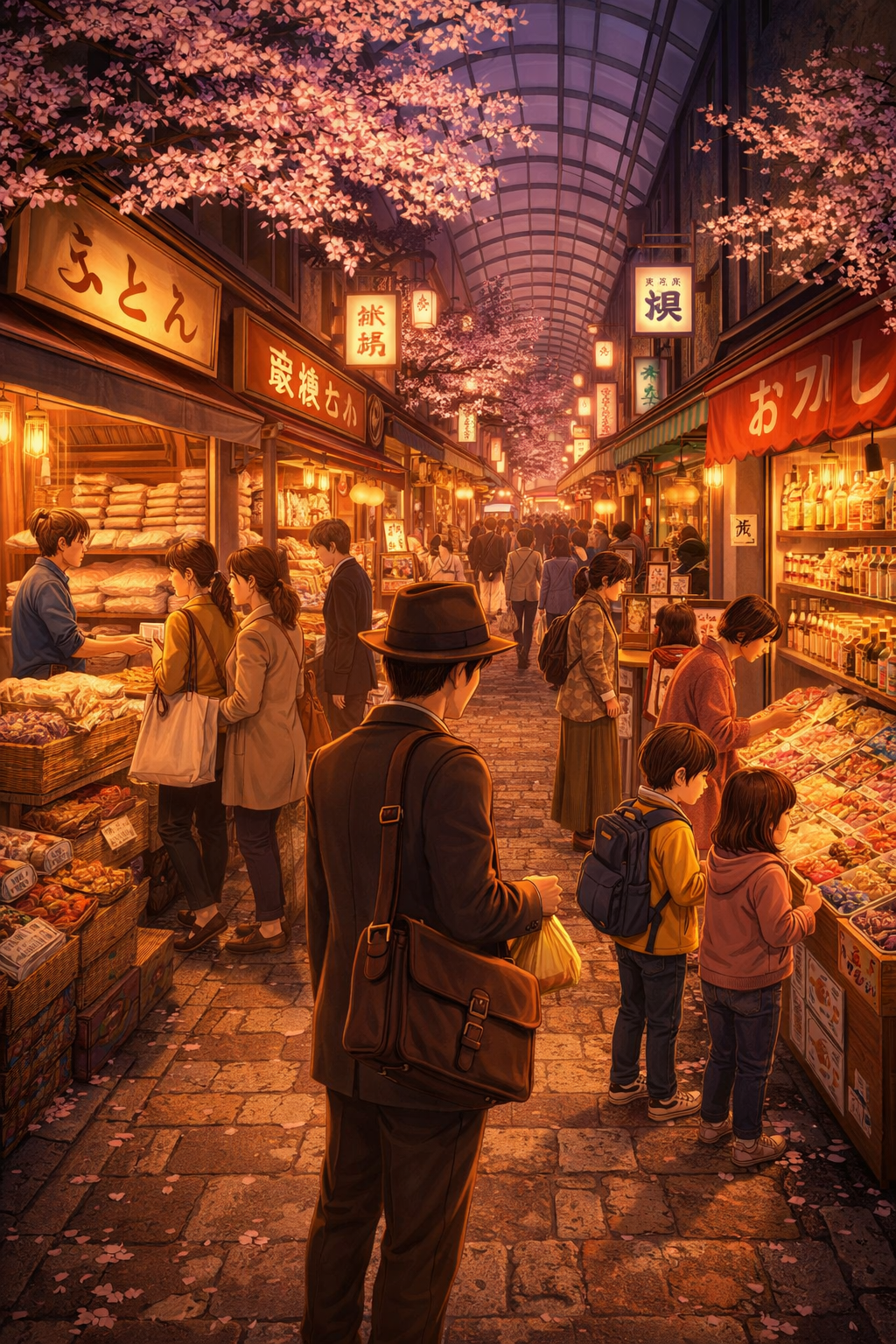
Sugamo is “a place where life slows down in a good way.” At night, the station area is softly lit, people walk at an unhurried pace, and the crowd is mostly locals and older residents, creating a calm and steady atmosphere. It feels unusual for a Yamanote Line station to be this quiet, and living here naturally pulls you into a more relaxed daily rhythm.
1 Basic Information
Conclusion: One of the quietest livable stations on the Yamanote Line.
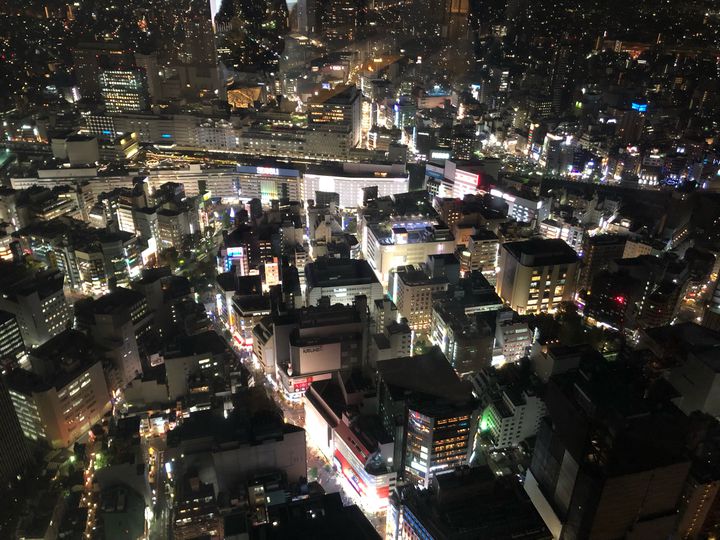
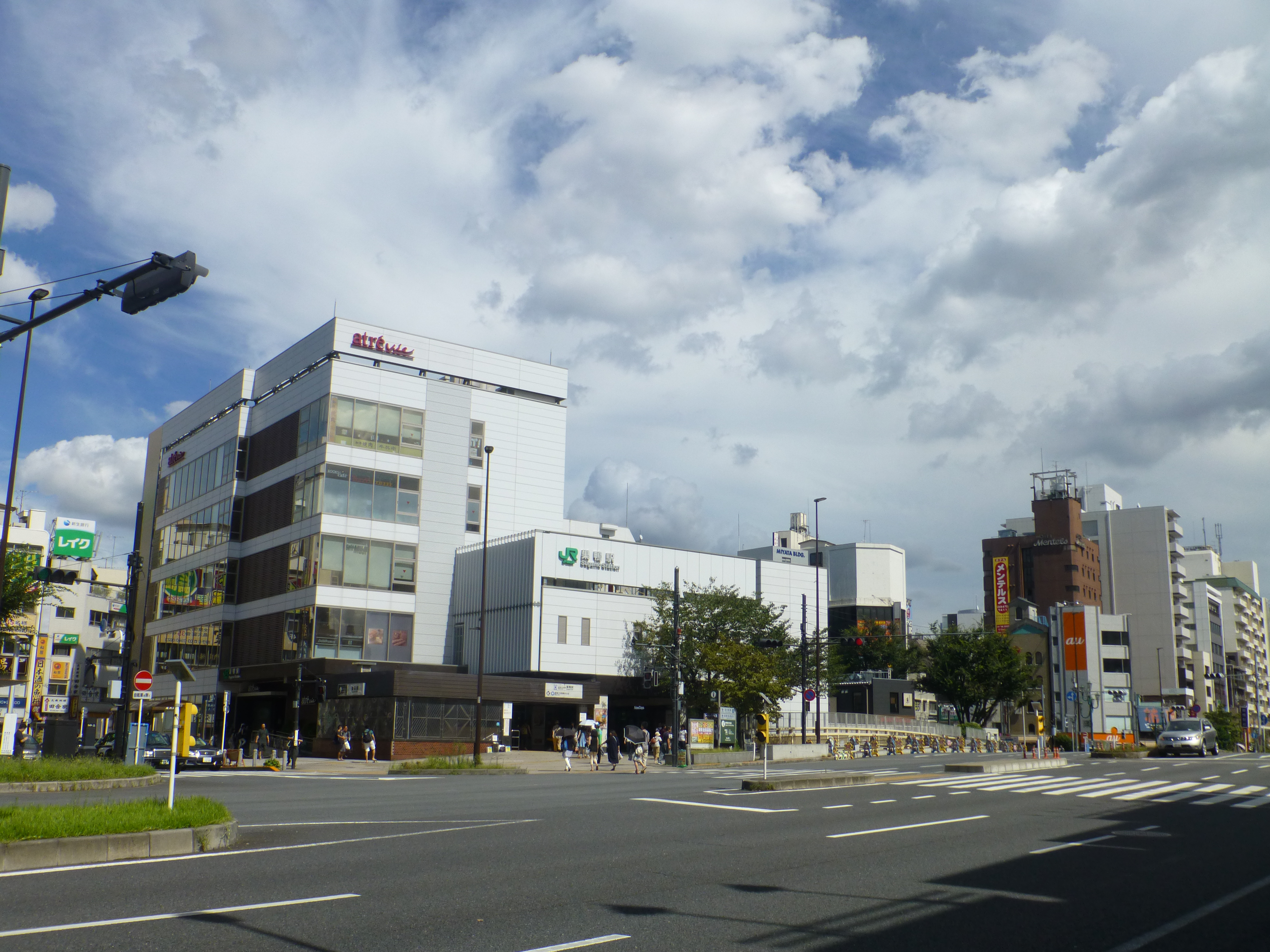

Sugamo is served by the JR Yamanote Line and the Toei Mita Line, yet the station area remains very calm. While it has a reputation as a tourist spot, it is fundamentally a residential neighborhood. The station surroundings are compact and easy to navigate. At night, the flow of people slows down, and the lights feel softer.
2 Neighborhood Character
Conclusion: More than “Grandma’s Harajuku,” it’s genuinely easy to live in.
Jizo-dori Shopping Street is famous for its elderly-focused shops, but this actually makes daily life easier. Prices are stable, and everyday essentials are easy to find. It lacks flashy, youth-oriented spots, but offers strong comfort and practicality. During the day, the shopping street has a slow, steady flow of people.
3 Safety and Night Atmosphere
Conclusion: Very safe, among the best in Tokyo.
There is almost no nightlife district, and nights are very quiet. While foot traffic decreases, it never feels unsafe. There are few drunk people, and the calm atmosphere continues throughout the night. Standing outside the station, you notice how quiet it is, and time seems to pass more slowly.
4 Rent Prices
Conclusion: Affordable for the Yamanote Line, with great stability.
Studio to 1K apartments range around ¥70,000 to ¥100,000. Slightly cheaper than Otsuka or Ikebukuro, making it a strong value choice. Considering the quiet environment, it feels even more attractive. At night, indoor life is peaceful with minimal outside noise.
5 Shopping Environment
Conclusion: Practical and sufficient for daily life.
Supermarkets, drugstores, and the shopping street cover everyday needs. Large shopping facilities are limited, but Ikebukuro is just a short ride away. Shopping here carries a nostalgic, comforting feel. In the evening, people move at a relaxed pace.
6 Medical Facilities
Conclusion: Very well equipped, especially for daily care.
Clinics and pharmacies are plentiful, making routine healthcare easy. The area’s demographics support strong medical infrastructure. Larger hospitals are also accessible nearby. During the day, you’ll see a steady flow of people visiting clinics.
7 Local Restaurants
Conclusion: Not flashy, but full of reliable local spots.
■ Tokiwa Shokudo (Main Store)
Genre: Japanese set meals
Price: ¥1,000–¥2,000
https://www.google.com/search?q=ときわ食堂+巣鴨
Local feel: A mix of locals and visitors creates a comfortable atmosphere.
Future image: You develop a routine of enjoying a calm dinner after work.
■ Konaya Sugamo Main Store
Genre: Curry udon
Price: ¥1,000–¥1,500
https://www.google.com/search?q=古奈屋+巣鴨
Local feel: Sometimes there’s a line, but the crowd remains calm.
Future image: Waiting in line on a relaxed weekend becomes part of your lifestyle.
■ Kobayashi Shokudo
Genre: Western-style dining
Price: ¥1,000–¥2,000
https://www.google.com/search?q=小林食堂+巣鴨
Local feel: Simple but well-made dishes keep locals coming back.
Future image: You find your own favorite regular spot.
8 Ramen Picks
Conclusion: Fewer options, but quality-focused.
■ Menso-an Sunada
Style: Soy sauce ramen
Price: Around ¥1,000
https://www.google.com/search?q=麺創庵+砂田+巣鴨
Local feel: A quiet space where people focus on their meal.
Future image: You stop by alone for a calm, satisfying meal.
■ Tsuta (relocation note)
Style: Creative soy-based ramen
Price: ¥1,000–¥2,000
https://www.google.com/search?q=蔦+ラーメン+巣鴨
Local feel: Well-known, yet still calm and refined.
Future image: You treat yourself to a special bowl once in a while.
9 Train Lines and Accessibility
Conclusion: Yamanote Line plus Mita Line makes it quietly powerful.
You can access major areas via the Yamanote Line while using the Mita Line for smooth north-south travel. It’s not flashy, but highly practical. Commuting is stable and efficient. Even during busy hours, the atmosphere feels relatively calm.
10 Access to Major Areas
Conclusion: Solid access to key Tokyo locations.
Ikebukuro: About 5 minutes (last train around 1:00 AM / taxi about ¥1,200)
Shinjuku: About 15 minutes (last train around 0:30 AM / taxi about ¥3,500)
Tokyo: About 20 minutes (last train around 0:20 AM / taxi about ¥5,000)
Otemachi: About 20 minutes via Mita Line (taxi about ¥5,000)
At night, the short distance from Ikebukuro adds a sense of security.
11 Shrine, Park, and Cultural Spots
Conclusion: Quiet places that blend into daily life.
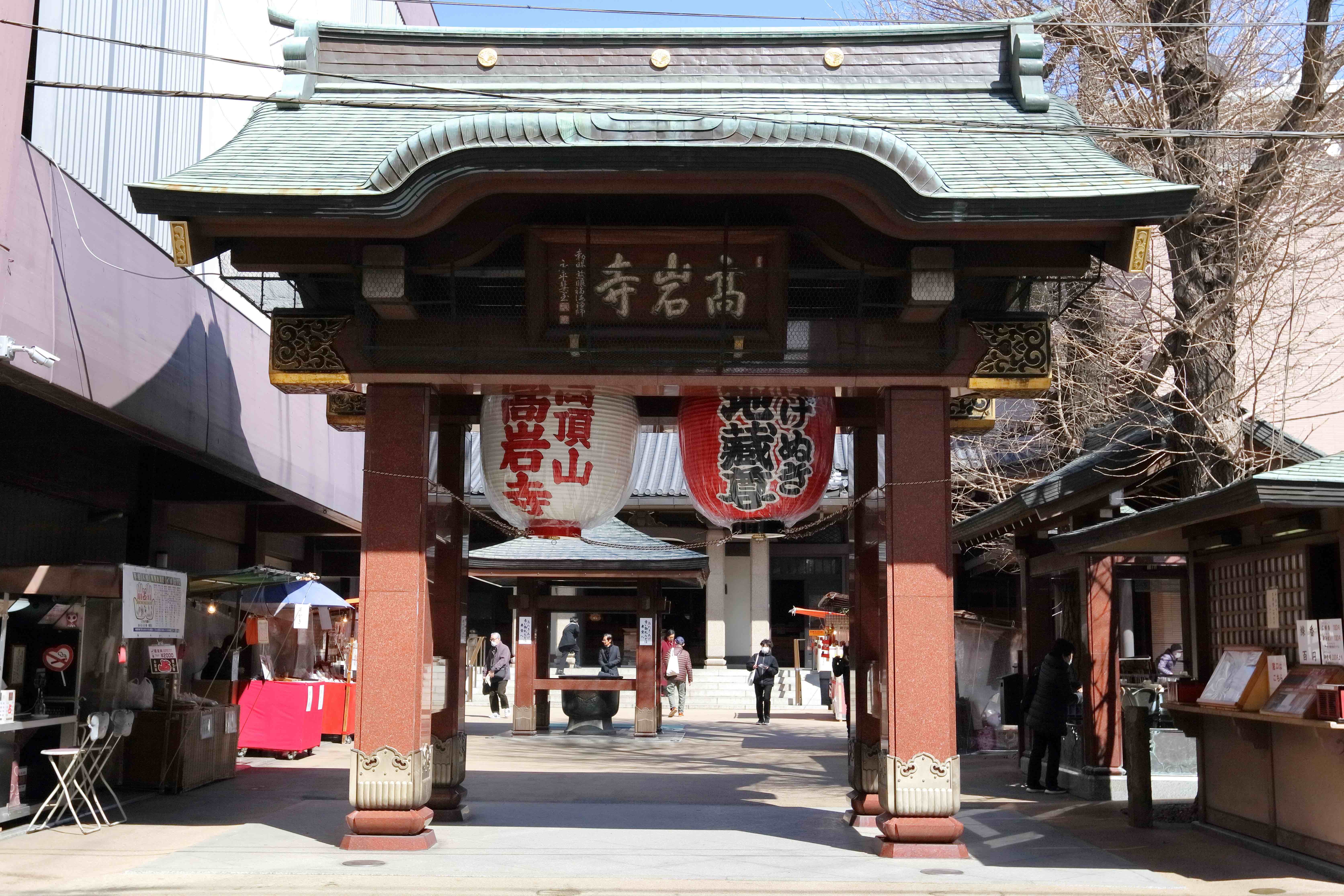
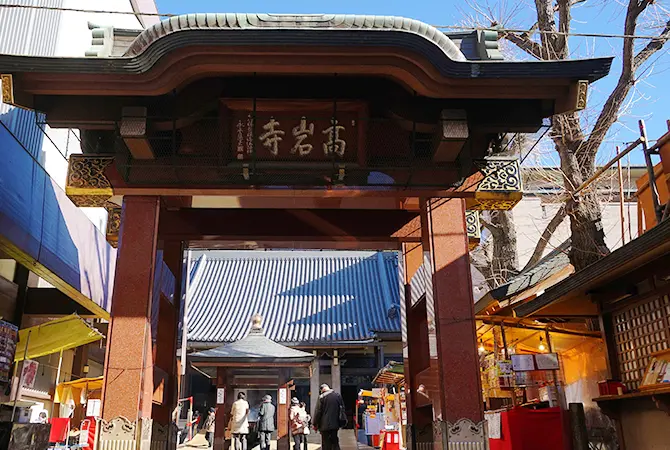
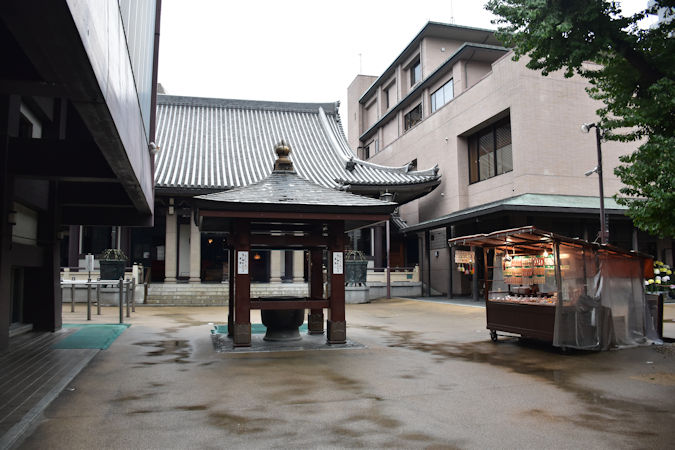
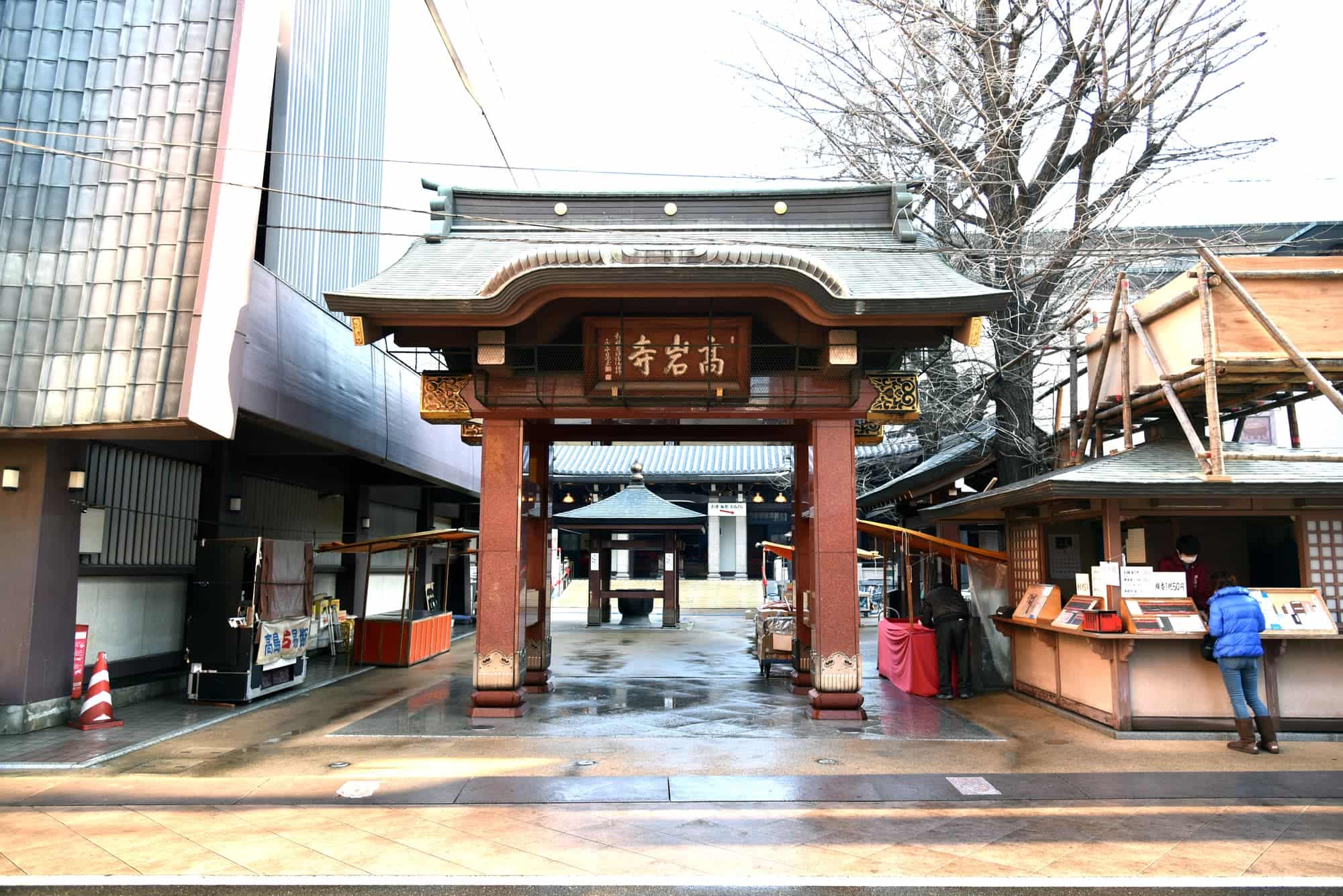
Koganji Temple (Togenuki Jizo) is the heart of the area. While it attracts visitors, it still feels like a genuine local place of worship. It can be busy during the day, but mornings and evenings are peaceful.
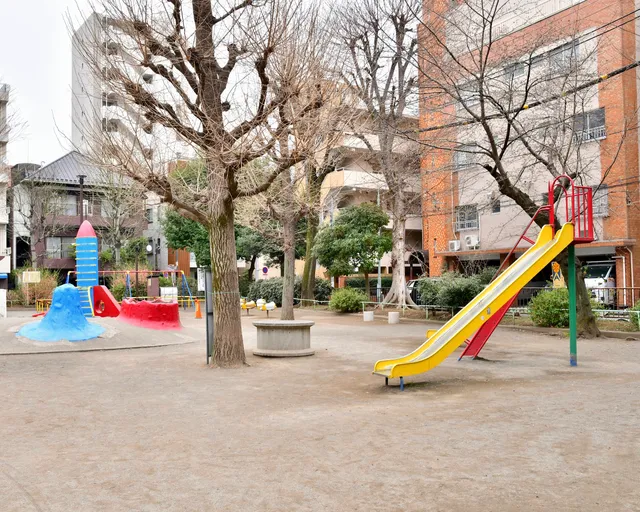

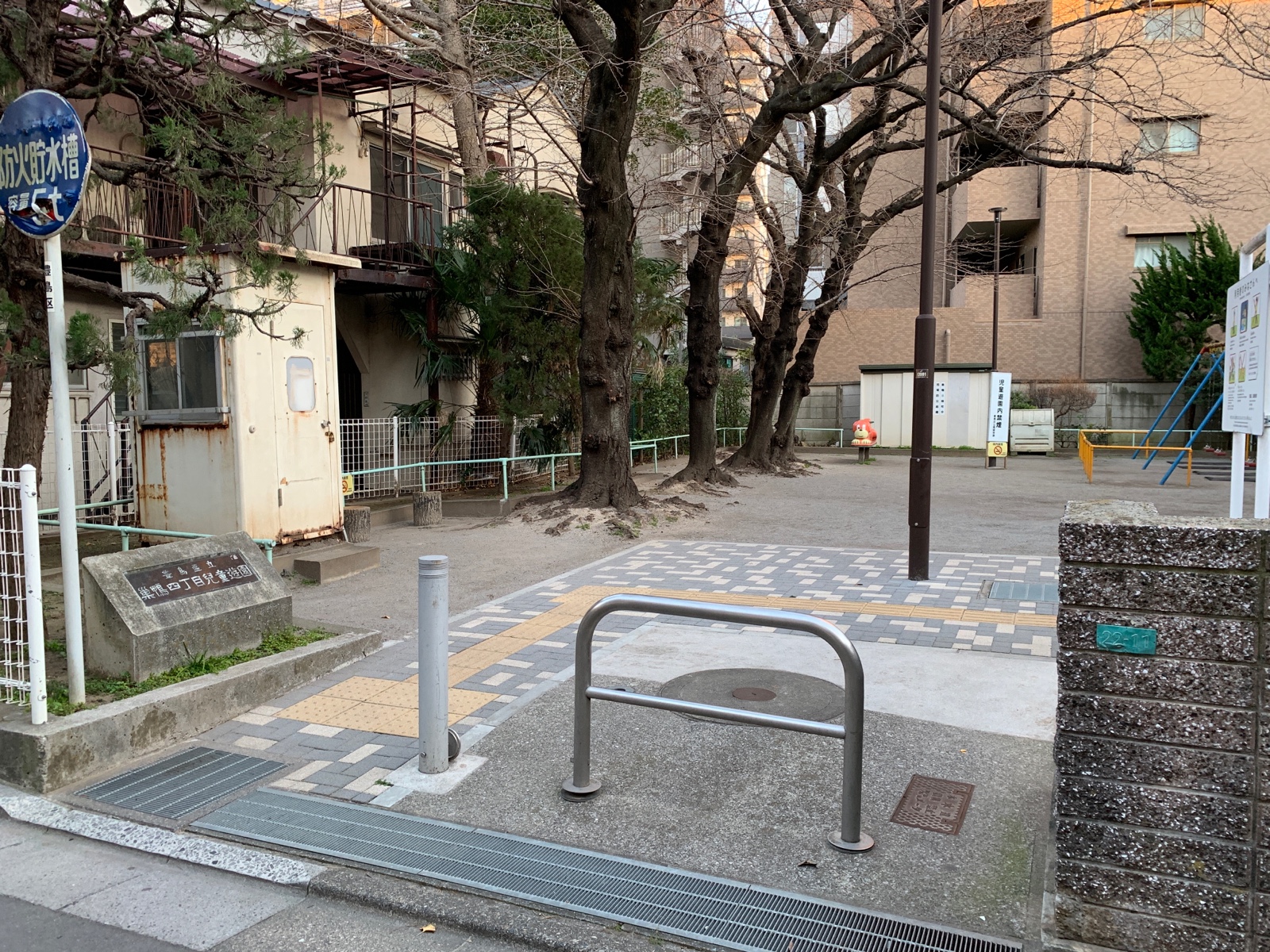
Sugamo Park is compact and used daily by locals. It’s not flashy, but it offers a calm and comfortable space. During the day, the atmosphere is gentle and quiet. Sitting on a bench, you can hear the soft sounds of everyday life.
12 Disaster Risk
Conclusion: Relatively stable with low major risks.
With fewer nearby rivers and some elevated areas, flood risk is relatively low. The ground is also stable compared to many Tokyo areas. While not risk-free, it is considered a safer location overall. Even on rainy nights, the city functions normally.
13 Pros and Cons
Conclusion: One of the best areas for quiet living.
Pros include safety, quietness, and ease of daily life. Cons are the lack of entertainment and fewer options for younger crowds. However, this calmness is its greatest strength. At night, the quiet turns into a strong sense of security.
14 Who It’s For
Conclusion: Ideal for those who value peace and stability.
Perfect for people who dislike noisy environments but still want urban convenience. It suits those who want a steady lifestyle in a calm setting. If you value a peaceful commute home at night, this area fits well.
15 Summary
Conclusion: Best for those prioritizing quiet living on the Yamanote Line.
Living here, your daily pace slows down, and life feels less noisy. Mornings start calmly, days remain stable, and nights end in a peaceful atmosphere. Sugamo becomes a place where you can truly feel at ease in Tokyo.
Check nearby Yamanote Line stations
← Otsuka Station Tokyo Living Guide | Sugamo Station | Komagome Station Tokyo Living Guide →