- In One Sentence
- 1. Basic Information
- 2. Character of the Neighborhood
- 3. Safety and the Atmosphere at Night
- The Atmosphere Around the Station
- Commercial District Streets
- 4. Average Rent
- 5. Shopping Environment Within Walking Distance
- 6. Medical Facilities
- 7. Local Restaurants
- 8. Ramen Spot
- 9. Character of the Railway Lines
- 10. Access to Major Stations
- 11. Shrines, Parks, and Cultural Spaces
- 12. Disaster Risk
- 13. Advantages / Disadvantages
- 14. Who Would Enjoy Living Here
- 15. Conclusion
In One Sentence
The busiest train station in the world — yet just a short walk away, there are neighborhoods where everyday life unfolds quietly.
That contrast is what defines Shinjuku.
【Photo: Shinjuku Station West Exit】
Recommended search keywords
Shinjuku Station West Exit
Shinjuku Station West Exit Tokyo


1. Basic Information
Location
Shinjuku, Tokyo
Railway Lines
JR Yamanote Line
JR Chuo Line (Rapid)
JR Chuo-Sobu Line
JR Saikyo Line
JR Shonan–Shinjuku Line
Odakyu Line
Keio Line
Tokyo Metro Marunouchi Line
Toei Shinjuku Line
Toei Oedo Line
Daily Passengers
Approximately 3.5 million people per day
Shinjuku Station is the busiest railway station in the world.
Station Character
Shinjuku Station is more than just a transportation hub.
It is the center of one of Tokyo’s largest urban districts.
Around the station you will find
clusters of skyscrapers
major entertainment districts
large department stores
and quiet residential neighborhoods.
The west side of the station is a business district.
The east side is a dense entertainment area.
The south side has been redeveloped into a modern commercial zone.
Walk about 10 to 15 minutes away from the station and the atmosphere changes.
You begin to see ordinary residential streets where people live their daily lives.
Few places in Tokyo show the contrast between urban intensity and residential calm as clearly as Shinjuku.
2. Character of the Neighborhood
The atmosphere of Shinjuku changes depending on the direction you walk.
West Shinjuku is dominated by tall office towers.
The Tokyo Metropolitan Government Building stands here, surrounded by corporate headquarters and hotels.
During the day the streets are filled with office workers.
At night the area becomes surprisingly quiet.
On the east side lies one of Tokyo’s largest nightlife districts.
Kabukicho
Shinjuku-sanchome
Restaurants, bars, and entertainment venues fill nearly every street.
The south side of the station feels very different.
This area has been redeveloped into a modern urban space.
NEWoMan Shinjuku
Busta Shinjuku (the main long-distance bus terminal)
These facilities give the district a clean and contemporary atmosphere.
Walk a little farther toward Shinjuku Gyoen and the environment changes again.
The noise of the city fades and residential buildings appear.
Skyscrapers and quiet apartment blocks stand only minutes apart.
This contrast is one of Shinjuku’s most distinctive characteristics.
3. Safety and the Atmosphere at Night
Shinjuku sometimes has a reputation for being unsafe.
In reality, safety varies greatly depending on the area.
West Shinjuku is largely an office district and tends to be calm.
Late at night, once office workers have gone home, the streets become quiet.
The Shinjuku Gyoen area is also a peaceful residential neighborhood.
The busiest nightlife areas are
Kabukicho
Shinjuku-sanchome
These districts remain lively late into the night.
However, compared with nightlife districts in many countries,
Japanese entertainment areas are generally quite safe.
Once you step into residential streets, the atmosphere becomes calm and comfortable.
The Atmosphere Around the Station
【Photo: Shinjuku Station East Exit】
Recommended search keywords
Shinjuku Station East Exit
Shinjuku East Exit Tokyo street


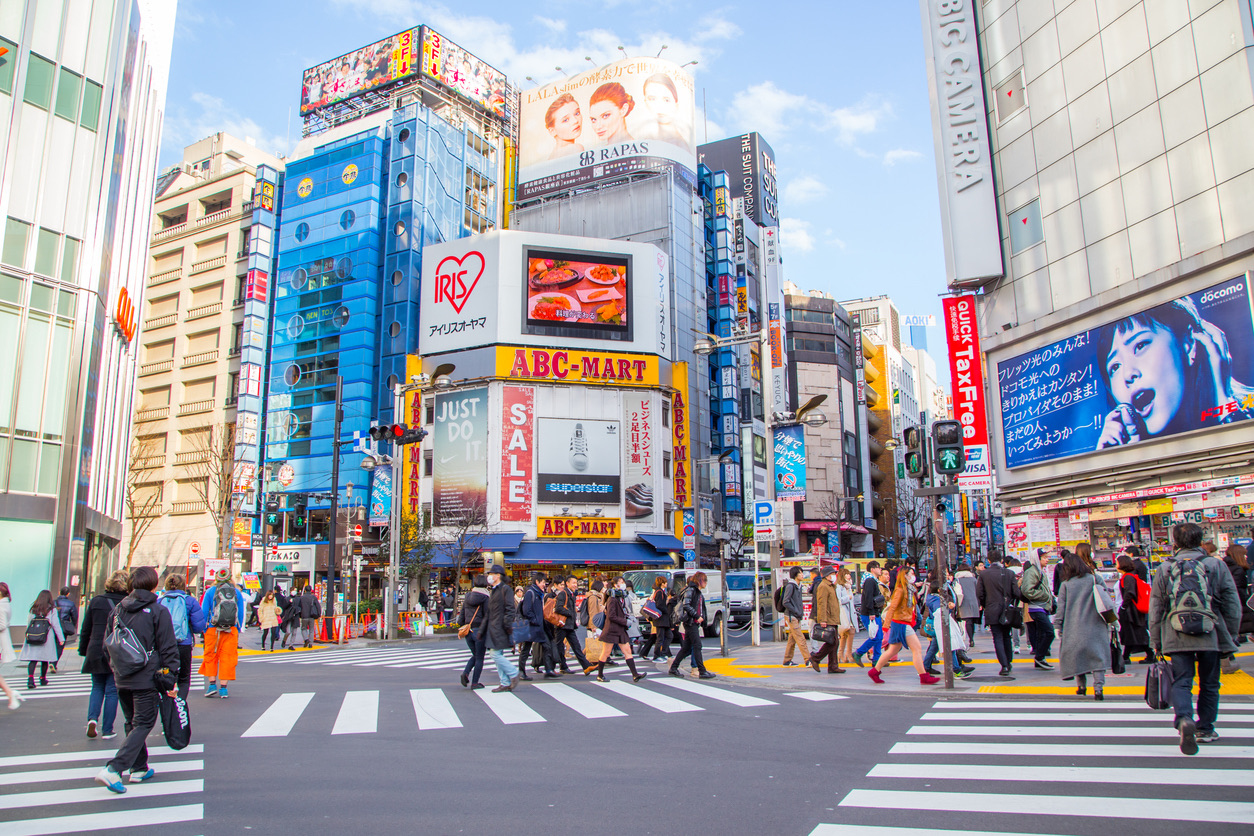
Commercial District Streets
【Photo: Kabukicho Street Area】
Recommended search keywords
Kabukicho Shinjuku street view
Kabukicho entrance gate Tokyo


4. Average Rent
Because Shinjuku is located in central Tokyo, rents are relatively high.
Studio apartment
¥100,000 – ¥140,000 per month
1LDK apartment
¥180,000 – ¥280,000 per month
2LDK apartment
¥300,000 – ¥450,000 per month
However, rent varies greatly depending on the exact location.
Areas such as
Shinjuku-gyoenmae
Akebonobashi
Okubo
offer more reasonable prices while still being within walking or short train distance of Shinjuku.
Considering the exceptional transportation access, many residents consider the cost reasonable for central Tokyo.
5. Shopping Environment Within Walking Distance
Shinjuku offers one of the best shopping environments in Tokyo.
Maruetsu Petit Nishi-Shinjuku 6-chome
Type
Supermarket
Walking distance
About 10 minutes
Opening hours
24 hours
Living comment
A convenient neighborhood supermarket serving the residential towers of West Shinjuku.
The 24-hour opening time is especially helpful for people who return home late.
MyBasket Shinjuku 5-chome
Type
Small supermarket
Walking distance
About 8 minutes
Opening hours
7:00 – 23:00
Living comment
A compact grocery store in a residential area.
It provides everything needed for everyday shopping.
Isetan Shinjuku
Type
Department store
Walking distance
About 5 minutes
Opening hours
10:00 – 20:00
Living comment
One of Japan’s most famous department stores.
Its basement food market is particularly impressive.
Summary
Supermarkets, department stores, pharmacies, and convenience stores are all within easy reach.
Daily shopping is never a problem here.
In fact, residents often feel that Shinjuku offers more options than they actually need.
6. Medical Facilities
Tokyo Medical University Hospital
Walking distance
About 10 minutes
Departments
General hospital
Living comment
One of the largest medical centers in the Shinjuku area, offering advanced medical services.
JR Tokyo General Hospital
Walking distance
About 8 minutes
Departments
General hospital
Living comment
A large hospital operated by JR with excellent accessibility from the station.
Shinjuku Gyoenmae Clinic
Walking distance
About 12 minutes
Departments
Internal medicine
Living comment
A quiet neighborhood clinic commonly used by local residents.
Summary
With several major hospitals within walking distance, healthcare access in Shinjuku is very reliable.
7. Local Restaurants
Donzoko
Walking distance
About 7 minutes
Closing time
23:00
Price examples
Beer
¥700
Lemon sour
¥650
Dishes
Piroshki
¥900
Beef stew
¥1500
Atmosphere
A historic restaurant founded in the 1950s.
It has long been known as a gathering place for writers and artists.
Saemon
Walking distance
About 6 minutes
Closing time
22:30
Price examples
Beer
¥750
Sour
¥650
Dishes
Japanese omelet
¥800
Grilled fish
¥1200
Atmosphere
A calm Japanese restaurant that feels surprisingly peaceful despite its location near busy streets.
Azuchi Tsuke-Soba
Walking distance
About 8 minutes
Closing time
22:00
Price examples
Beer
¥600
Dish
Tsuke-soba noodles
¥950
Tempura
From ¥300
Atmosphere
A relaxed restaurant that many people visit after work.
8. Ramen Spot
Menya Kaijin
Walking distance
About 5 minutes
Price
Around ¥1,000
Feature
A well-known ramen shop famous for its broth made from fish bones.
9. Character of the Railway Lines
Shinjuku Station is Tokyo’s largest railway hub.
Yamanote Line
Connects most major districts in central Tokyo.
Chuo Line
Provides fast access to western Tokyo.
Saikyo Line
Connects Shibuya, Ikebukuro, and Saitama.
Odakyu Line
Runs toward Kanagawa and suburban areas.
Keio Line
Connects Shinjuku with western Tokyo suburbs.
Many commuters in the Tokyo metropolitan area pass through Shinjuku every day.
10. Access to Major Stations
Tokyo Station
About 14 minutes
(Chuo Line)
Shibuya Station
About 7 minutes
(Yamanote Line)
Ikebukuro Station
About 5 minutes
(Yamanote Line)
Shinagawa Station
About 20 minutes
Last train
The Yamanote Line runs until around 1:00 AM,
making late-night travel relatively convenient.
11. Shrines, Parks, and Cultural Spaces
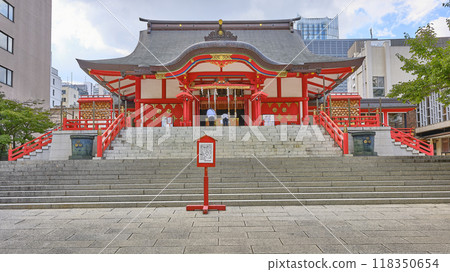
Hanazono Shrine
Walking distance
About 7 minutes
Google Maps search
Hanazono Shrine Shinjuku
【Photo: Hanazono Shrine】
Recommended search keywords
Hanazono Shrine Shinjuku
Hanazono Shrine Tokyo



Shinjuku Gyoen
Walking distance
About 12 minutes
Google Maps search
Shinjuku Gyoen National Garden
【Photo: Shinjuku Gyoen】
Recommended search keywords
Shinjuku Gyoen National Garden
Shinjuku Gyoen Tokyo park


This is one of the largest parks in Tokyo.
It is especially famous for cherry blossoms in spring and colorful foliage in autumn.
12. Disaster Risk
Shinjuku sits on the Musashino Plateau.
Elevation
About 30 meters above sea level
Flood risk
Low
The area is far from major rivers such as the Arakawa and Tama Rivers.
The ground is considered relatively stable for Tokyo.
13. Advantages / Disadvantages
Advantages
Transportation
★★★★★
Direct access to almost every major area in Tokyo.
Convenience
★★★★★
Shopping, healthcare, and restaurants are all nearby.
Urban energy
★★★★★
The city remains active late into the night.
Disadvantages
Rent
★★☆☆☆
Housing costs are relatively high.
Crowds
★★☆☆☆
The station is extremely busy during peak hours.
14. Who Would Enjoy Living Here
Shinjuku suits people who
work in central Tokyo
often stay out late
prefer living without a car
enjoy a highly urban lifestyle
15. Conclusion
Shinjuku sits at the center of Tokyo.
A massive railway station,
skyscrapers,
entertainment districts,
department stores,
and a large national park
all exist within walking distance.
Yet only a short walk away you can find quiet residential streets.
Leaving the station after work,
passing through neon-lit streets,
and returning to a calm apartment building.
That kind of urban lifestyle is possible here.
Shinjuku is one of the places where you can experience Tokyo’s city life in its most intense and fascinating form.
Check nearby Yamanote Line stations
Check nearby Yamanote Line stations
← Yoyogi Station Tokyo Living Guide | Shinjuku Station | Shin-Okubo Station Tokyo Living Guide →