Quick Take
Shinagawa is not a place to live — it’s a place to stay.
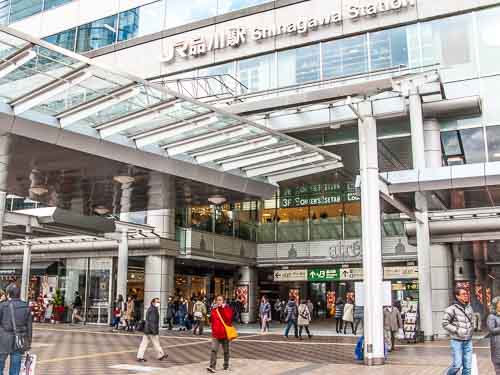
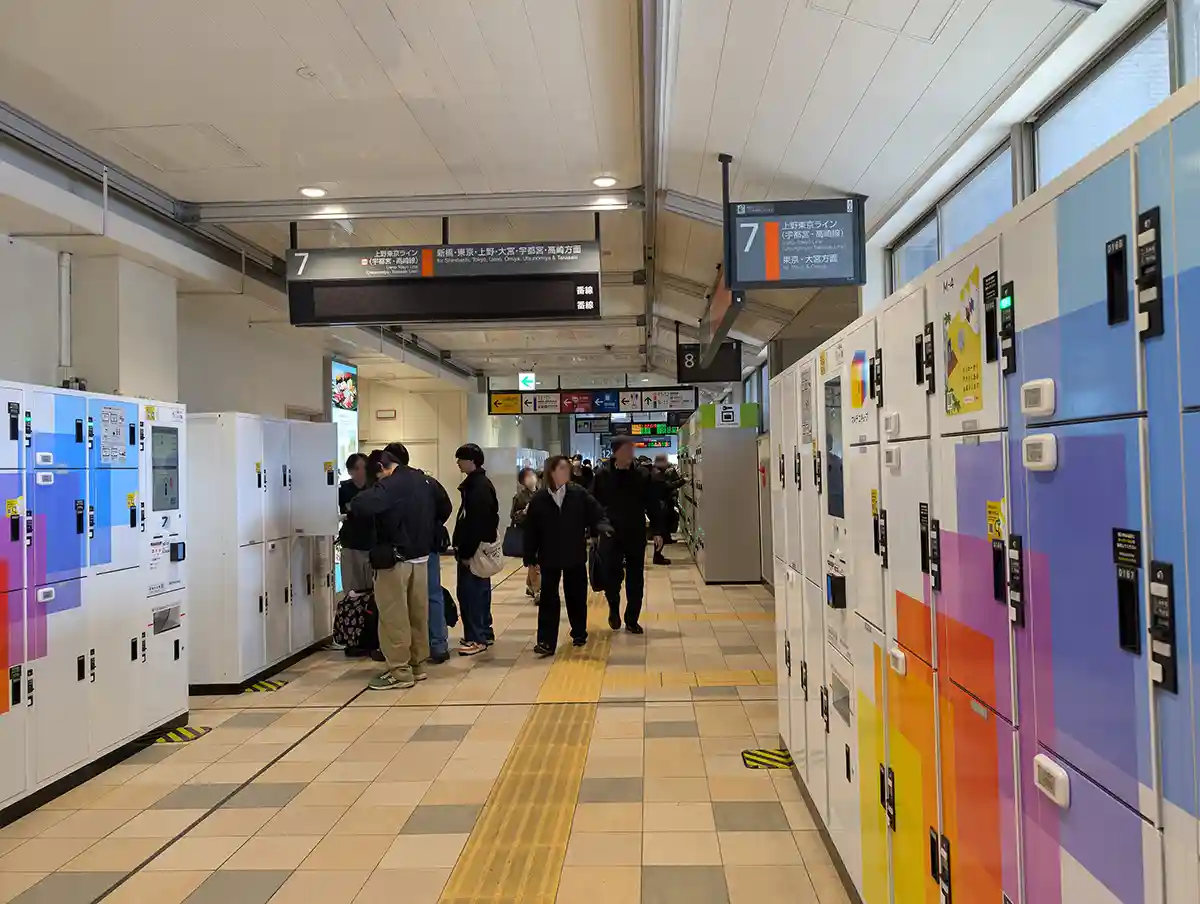

In the morning, suitcases and business bags move at the same pace, pulled toward the gates.
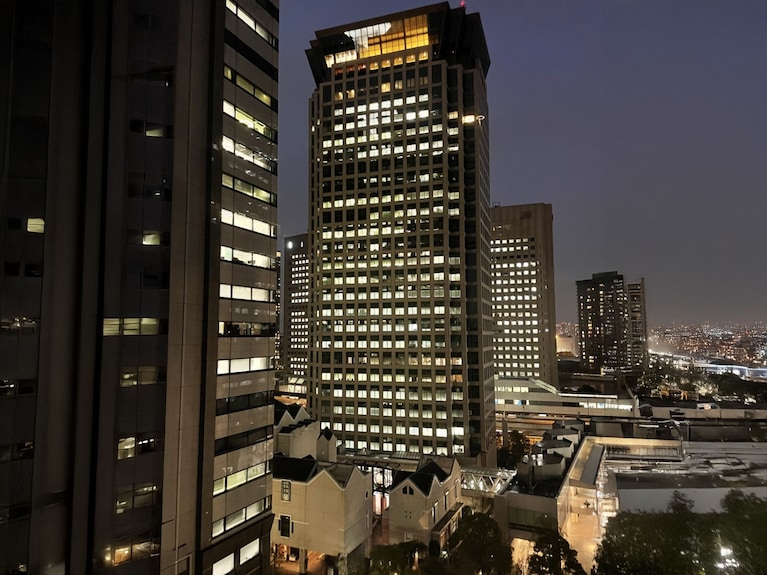
At night, as office lights switch off, the city goes quiet almost instantly.
There’s very little sense of “living” here.
What you feel instead is the constant presence of people in transit.
Living here feels less like going home,
and more like checking into a city.
1 Basic Information
One of Japan’s strongest transportation hubs
- JR Lines (Yamanote, Keihin-Tohoku, Tokaido, Yokosuka)
- Tokaido Shinkansen
- Keikyu Line → Direct access to Haneda Airport
This station sits at the intersection of domestic and international movement.
Around the ticket gates, almost no one stands still.
Everyone is heading somewhere.
Base yourself here, and movement becomes part of daily life.
2 Area Character
A functional city — and a divided one
- Konan Exit → High-rise business district
- Takanawa Exit → Older Tokyo with hotels and traditional streets
The atmosphere changes completely depending on which side you step out.
Konan feels too perfectly designed — almost sterile.
Takanawa retains a bit of human texture, but still firmly urban.
Where you stand defines which version of Tokyo you experience.
3 Safety and Night Atmosphere
Safe, but emotionally quiet
There’s almost no nightlife district, and trouble is rare.
Even at night, people are around — but the noise is minimal.
It’s a calm that comes with a trade-off:
less warmth, less spontaneity.
Footsteps and train sounds often stand out more than voices.
4 Rent
You’re paying for time efficiency
- Studio: ¥100,000–¥170,000
- 1LDK: ¥200,000+
Modern towers dominate the area.
Homes here aren’t about comfort —
they’re about how efficiently you can move.
Your room gradually becomes a place to recharge, not to live in.
5 Daily Shopping
Convenient, but lacking everyday texture
- Strong station malls (Atre, Ecute, Wing)
- Weak supermarket options
You can get what you need, but it rarely feels like “daily life shopping.”
Instead of browsing, you tend to grab and go.
Meals and groceries shift toward efficiency.
6 Healthcare
Functional, but impersonal
Clinics are plentiful and easy to access.
However, they feel more like urban services than neighborhood care.
Places you use when needed — and leave right after.
7 Local Restaurants
A district built for after-work dining
Konan Exit Izakaya Area
Genre: Japanese pub
Price: ¥3,000–¥5,000
https://www.google.com/maps/search/Shinagawa+Konan+izakaya
Friday nights are packed with suits, and finding a seat can be competitive.
People drink quickly and move on — long stays are rare.
Drinking here naturally blends into work life.
Toriichidai Shinagawa
Genre: Yakitori
Price: Around ¥3,000
https://www.google.com/maps/search/Toriichidai+Shinagawa
Fast turnover, short stays.
A typical stop on the way home.
T.Y.HARBOR (Tennozu)
Genre: Restaurant
Price: ¥4,000–¥8,000
https://www.google.com/maps/search/T.Y.HARBOR
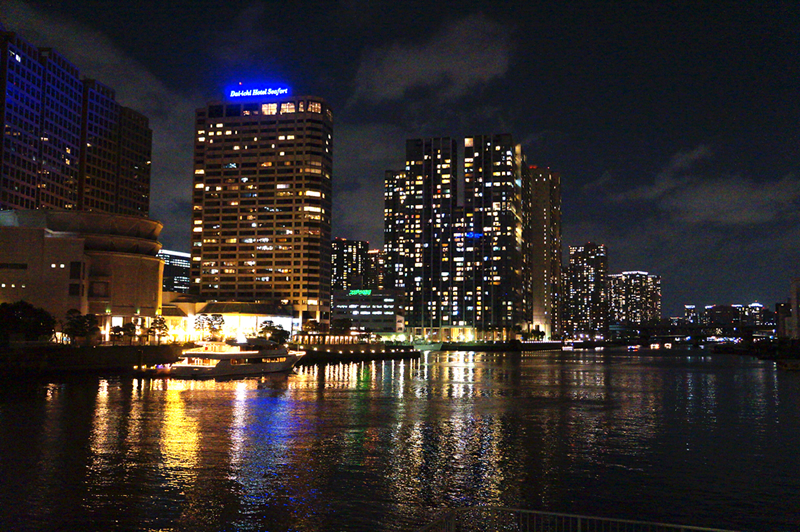
Step onto the waterfront and the atmosphere shifts instantly.
The tension of the business district fades, replaced by open air and space.
Places like this create rare breathing room in an otherwise efficient city.
8 Ramen
Reliable, but rarely memorable
Shinatatsu Ramen Street
https://www.google.com/maps/search/Shinatatsu+ramen
Multiple options make it easy to choose.
But few bowls feel truly unique.
Mouko Tanmen Nakamoto Shinagawa
https://www.google.com/maps/search/Mouko+Tanmen+Nakamoto+Shinagawa
Lines form depending on the time of day.
People come for the intense spice — and leave sweating.
It adds a jolt of stimulation to an otherwise predictable routine.
9 Transport Character
A starting point for everywhere
Tokyo, Yokohama, Shinkansen routes, airport — all connected.
Movement becomes effortless.
Your range expands without resistance.
10 Access to Major Stations
Top-tier mobility
- Tokyo: ~8 min
- Shimbashi: ~5 min
- Yokohama: ~20 min
- Haneda Airport: ~20 min
Last train: Around 00:30
Taxi to Tokyo Station: ~¥2,000
Getting stranded is rarely a concern.
11 Shrines, Parks, Culture

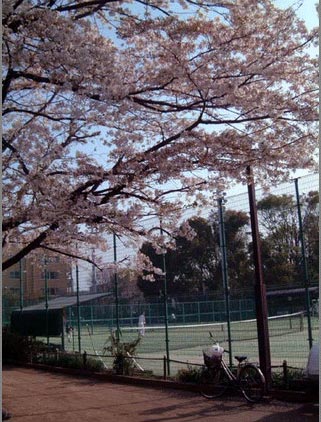

Places to reset, not to linger
Spots like Shinagawa Shrine and Tennozu offer brief escapes.
But they are not destinations for long stays.
They function as pauses — not anchors.
12 Disaster Risk
Varies significantly by location
- Konan → Reclaimed land (flood/liquefaction risk)
- Takanawa → Elevated ground (more stable)
Where you live matters greatly within the same station area.
13 Pros and Cons
A city optimized for convenience
Pros
- Exceptional transport access
- Direct airport connection
- High safety
Cons
- Weak sense of daily life
- High rent
- Low emotional warmth
It’s incredibly convenient —
but not everyone finds a reason to settle.
14 Who It Suits
People who use the city, not stay in it
- Frequent business travelers
- Dining-out lifestyle
- Minimal time at home
Those seeking comfort, warmth, or neighborhood life may struggle here.
15 Summary
Shinagawa is not where you live — it’s where you stay.
There’s little sense of rooted life here.
Instead, you gain freedom.
You can go anywhere.
You waste no time.
Living here means not anchoring yourself in one place,
but moving through the entire city with ease.
It’s not a home.
It’s a base.
Shinagawa is that kind of place.
Check nearby Yamanote Line stations
← Takanawa Gateway Station Tokyo Living Guide | Shinagawa Station | Osaki Station Tokyo Living Guide →