- First Impression
- 1 Basic Information
- Osaki Station
- 2 Area Characteristics
- 3 Safety and the Atmosphere at Night
- 4 Rent Prices
- 5 Shopping Environment
- 6 Medical Facilities
- 7 Local Restaurants
- 8 Ramen Spots
- 9 Character of the Train Lines
- 10 Access to Major Stations
- 11 Shrines, Parks, and Cultural Spots
- Irugi Shrine
- Osaki Park
- 12 Disaster Risk
- 13 Pros and Cons
- 14 Who It Suits
- 15 Summary
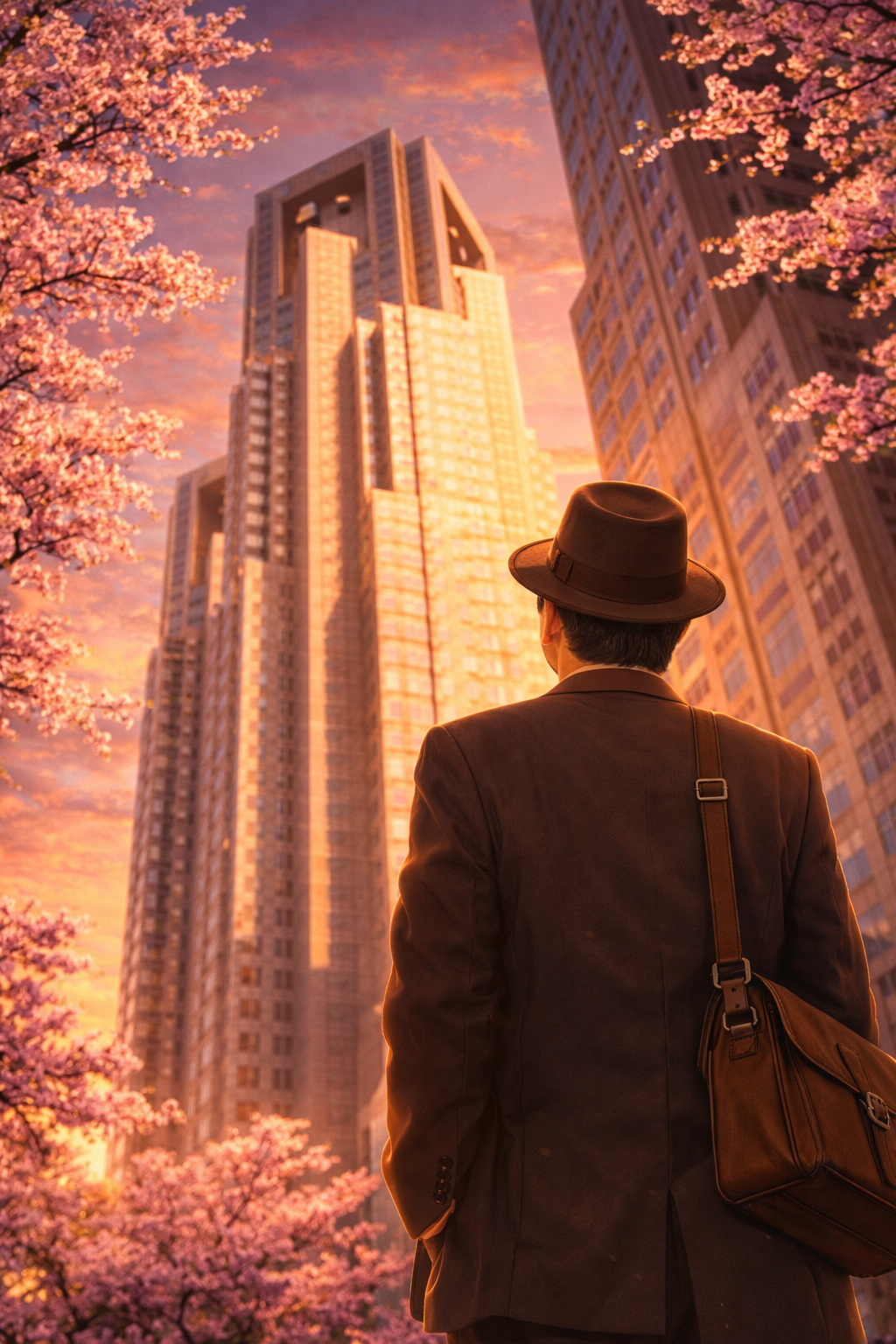
First Impression
Osaki is a Yamanote Line station that somehow does not feel flashy in the usual “I live in central Tokyo” way.
At night, the flow of office workers thins out across the pedestrian decks, and only the white reflections on the glass buildings remain.
Commuters, office workers, slightly polished single residents, and families who value quiet all mix here, but there is none of the heat of Shibuya or Shinjuku.
Living here means starting a life where you can use Tokyo without being pushed around by it, in a place that does not force a strong identity onto you.
1 Basic Information
Osaki Station


Conclusion: Osaki is a station with high practical value, even if it does not look dramatic at first glance.
Osaki Station is served by the Yamanote Line, Saikyo Line, Shonan-Shinjuku Line, and the Rinkai Line connection.
It has stronger mobility than many people expect, with direct access toward Shibuya, Shinjuku, Ikebukuro, and the waterfront area.
In the morning, the flow from the ticket gates into the office buildings is very clear, and the paths leading into the redevelopment complexes are straightforward.
Even for foreigners visiting for the first time, it feels far less confusing than a giant station like Shinjuku.
That said, if you imagine a lively station town with traditional shopping streets spreading out in every direction, the reality feels different.
The station is strong, but the surrounding town is calm.
Living here means getting the convenience of the Yamanote Line without having to absorb the noise and pressure that often come with it.
2 Area Characteristics
Conclusion: Osaki is a polished city district with very little noise.
The atmosphere of Osaki is defined by large redevelopment projects centered on Gate City Osaki and ThinkPark.
Instead of an old-fashioned station district packed with small streets and layered chaos, the area is built around offices, restaurants, pedestrian decks, towers, and carefully designed walkways.
When you walk here, the roads are wide, the sidewalks are neat, and there is little of the clutter or aggressive street energy you find in busier entertainment areas.
That gives the area a strong sense of order, but it also means fewer surprises.
It is not the kind of neighborhood where simply walking around raises your excitement.
It is the kind of place where you finish the day thinking, “Life ran smoothly today.”
In the morning it is a commuter district.
At midday it becomes fully a working district.
At night the volume drops sharply.
On weekends it loosens up, but it still stays controlled and clean.
The decks, the glass towers, the planted greenery, and the fast-moving office workers all reinforce the same impression: this is not messy Tokyo, but organized Tokyo.
Living here means enjoying Tokyo’s convenience while emotionally living in something slightly calmer and more restrained.
3 Safety and the Atmosphere at Night
Conclusion: Osaki feels safe, but its nighttime atmosphere is thin.
There is no major nightlife district here.
It is not structured like an area where drunk crowds spill into the streets and linger outside the station.
Because it is centered on redevelopment complexes and office-oriented facilities, the area does not become rough at night very easily.
That is a major strength for people considering living here.
For women living alone, or for people who work in central Tokyo but do not want to come home to noise and disorder, this is a serious advantage.
But safety is not the same thing as an enjoyable night scene.
After the main wave of office workers has gone home, the station area becomes a place of footsteps and reflected lights.
There are still convenience stores, lit building entrances, and some restaurants, but the heat of the city fades quickly.
You do not get the feeling of “one more stop, one more drink” in the same way you do in Shibuya or Gotanda.
Some people will feel relieved by that quiet.
Others will feel that the neighborhood simply dies too early.
From a foreign resident’s point of view, the station area may initially look highly urban and extremely convenient.
But once you actually live here, you begin to notice the gap between the polished image and the more limited nighttime options for food, wandering, and spontaneous activity.
Living here means gradually accepting a routine where the city quiets down at night and going home peacefully starts to feel more natural than chasing stimulation.
4 Rent Prices
Conclusion: Osaki is not cheap, but the reasons for the price are easy to understand.
This is a Yamanote Line area with access to the Saikyo Line, Shonan-Shinjuku Line, and Rinkai Line.
The station front is anchored by large-scale redevelopment, and there are many newer apartment buildings and tower-style residences nearby.
The rent is not high just because of the Yamanote Line name.
It reflects a combination of transit strength, redevelopment quality, and modern housing stock.
In practical terms, studios and one-room units are not in the range people would call “budget Tokyo.”
But for people who want fewer transfers, newer buildings, shorter commuting time, and a tidy urban environment, the pricing feels more rational than inflated.
If someone comes here thinking, “Osaki sounds a bit plain, so it should be cheaper,” they will probably be disappointed.
The ease of the morning commute, the clean walk to the station, the quieter evenings, and the quality of the apartments all become part of what you are paying for.
Living here makes rent feel less like money for a room, and more like money for reduced daily friction.
5 Shopping Environment
Conclusion: Daily life works well here, but shopping itself is not especially exciting.
Osaki’s shopping environment is the kind where practical needs are built into the redevelopment zone.
Facilities around the station contain shops and restaurants, and the area has enough stores along daily walking routes that buying what you need after work is not difficult.
What it does not offer much of is the joy of wandering.
You do not really get the neighborhood-shopping-street feeling of checking a greengrocer, then a deli, then buying something unplanned just because it looked good.
Shopping in Osaki is built for efficiency: buy what you need, when you need it, and move on.
For Japanese office workers, this works very well.
For foreigners hoping for a more traditionally “Tokyo local” style of neighborhood life, it can feel a little too office-oriented.
Mornings are dominated by commuting, daytime by lunch demand, and evenings by quick restocking on the way home.
Weekends are easier and quieter, but the area still does not become a place where people shop for pleasure.
Living here means daily necessities are easy to manage, but if you want shopping to feel like part of your leisure, you will probably end up going to Gotanda, Shinagawa, or Ebisu.
6 Medical Facilities
Conclusion: Everyday medical care is good enough, and serious care is backed up by strong central access.
Osaki includes enough medical infrastructure in and around its redevelopment area that ordinary clinic visits are not difficult.
Because it is so well connected to the rest of Tokyo, you also do not have to keep all your medical options inside the immediate neighborhood.
It is not a district known specifically for healthcare, but that is part of Osaki’s character.
Its strength is not that one category stands out dramatically.
Its strength is that there are very few serious holes in daily life.
Even if the streets become quiet at night, you are still only a short train ride from major parts of the city.
That makes healthcare less of a “local problem” than it would be in a more isolated area.
Living here means medical care works not as a source of excitement, but as part of a larger pattern of low-friction daily life.
7 Local Restaurants
Conclusion: Dining in Osaki is not built around tourism or food hype. It is built around the reality of people who work and live here.
● Miraku
Genre: Sardine dishes, seafood, set meals
Price range: Around ¥1,000 at lunch / around ¥4,000 at dinner
Google search URL: https://www.google.com/search?q=味楽+大崎
Local feel: Just one minute from the east exit, this is the kind of place where office workers come for a proper lunch and regular-looking customers come back at night for sardines and drinks. In a neighborhood full of polished buildings, it has the rare feeling of a place with a face of its own.
Future image: Once this becomes part of your daily area, lunch stops being mere fuel, and you start thinking, “Osaki actually has places like this.”
● Nippon Eikou Sakaba Rocky Sasaya Osaki
Genre: Izakaya
Price range: Around ¥3,000–¥4,000
Google search URL: https://www.google.com/search?q=日本栄光酒場+ロッキーササヤ+大崎
Local feel: Located along the Osaki New City side of the station, it feels casual and unpretentious. Outside, Osaki is polished and clean, but inside the mood shifts into after-work release, and your body temperature comes back up a little.
Future image: In a quiet area like Osaki, this becomes the kind of place you use when you do not want to go straight home and need just one small escape.
● Gyokai Bistro sasaya BYO Osaki
Genre: Seafood bistro, wine
Price range: Around ¥4,500–¥7,000
Google search URL: https://www.google.com/search?q=魚介ビストロ+sasaya+BYO+大崎
Local feel: Near the west exit, this is a slightly more stylish option centered on seafood and wine. It feels less like a date spot and more like the kind of place where coworkers say, “Let’s actually eat properly tonight.” It adds a small amount of softness to the neighborhood’s functional mood.
Future image: Living in Osaki naturally creates a rhythm where weekdays are about efficiency, and places like this are where you occasionally lift the mood.
● Osaki Book Cafe
Genre: Book cafe
Price range: ¥690 for one-day use with one drink included
Google search URL: https://www.google.com/search?q=大崎ブックカフェ
Local feel: About five minutes from the station, this is a quiet space where you can read, study, or work remotely. It is not nightlife energy at all, but something more valuable in this area: a quiet place to exist.
Future image: Once you start spending a few weekend hours here, Osaki changes from a station you only return home to into a place that helps you reset your pace.
8 Ramen Spots
Conclusion: The ramen scene around Osaki is not really about flashy food tourism. It is about a few strong places that stay in your life.
● Rokurinsha Osaki
Google search URL: https://www.google.com/search?q=六厘舎+大崎店
Local feel: Within walking distance of the south exit, this is a foundational name in the area, especially because it returned to Osaki, its original home base. The line gives it a famous-destination feeling, but it also has real credibility as a place local workers treat as part of normal life.
Future image: Living in Osaki turns Rokurinsha from a famous place you visit once into a serious option inside your routine.
● Hirataishu Ajian
Google search URL: https://www.google.com/search?q=平太周+味庵
Local feel: Toward the Osaki-Hirokoji side but still walkable from Osaki, this place brings heavy back-fat ramen and a rougher, clearer kind of satisfaction that pushes against Osaki’s tidy atmosphere in the best way.
Future image: On nights when self-control falls apart a little, having a bowl like this inside your wider living area starts to feel like a genuine survival tool.
● Jigoku no Tantanmen Gomaryu Gotanda
Google search URL: https://www.google.com/search?q=地獄の担担麺+護摩龍+五反田
Local feel: Still reachable on foot from Osaki, this is the place for days when you want intensely spicy tantanmen. Osaki alone can feel narrow in food variety, but once you can walk a little, Gotanda’s personality begins to mix into your life.
Future image: Living in Osaki means learning to switch between Osaki’s calmness and Gotanda’s stronger flavor depending on your mood.
9 Character of the Train Lines
Conclusion: Osaki’s rail power is a quiet kind of versatility.
The Yamanote Line gives you access across central Tokyo.
The Saikyo Line and Shonan-Shinjuku Line strengthen access to Shinjuku and Ikebukuro.
The Rinkai Line connection makes the waterfront and Tokyo Big Sight area easier to reach.
This helps not only for work and errands, but also for weekends, because it lowers the mental cost of deciding where to go.
In the morning, the lines support commuting.
At midday, they make central Tokyo feel close.
At night, they make getting home easy.
Osaki’s rail strength is not flashy in the way Shinagawa’s is, nor does it feel like the overwhelming center of everything the way Shinjuku does.
But in practical life, it is extremely strong.
Living here means that moving around Tokyo gradually feels less like effort and more like part of the natural shape of your day.
10 Access to Major Stations
Shibuya Station: about 9 minutes / last train around 00:48
Shinjuku Station: about 10–15 minutes / last train around 00:40
Tokyo Station: about 15–16 minutes / last train around 00:35
Shinagawa Station: about 3 minutes / last train around 00:22
11 Shrines, Parks, and Cultural Spots
Irugi Shrine


Conclusion: This is the easiest place to feel Osaki’s quietness with your own body.
Irugi Shrine is about three minutes from Osaki Station’s west exit.
The official setting describes it as a peaceful sacred place wrapped in greenery, and that feels accurate.
Compared with the clean, corporate air of the redevelopment zone, the shrine lowers the emotional temperature all at once with trees, stone, and a slower rhythm of movement.
At midday, nearby office workers slip in for a brief pause.
Toward evening, the residential atmosphere becomes stronger.
It is the kind of place that reminds you Osaki is not only glass and decks. It still has ground-level time.
Living here means that alongside convenience, you also gain a short route back to quiet.
Osaki Park
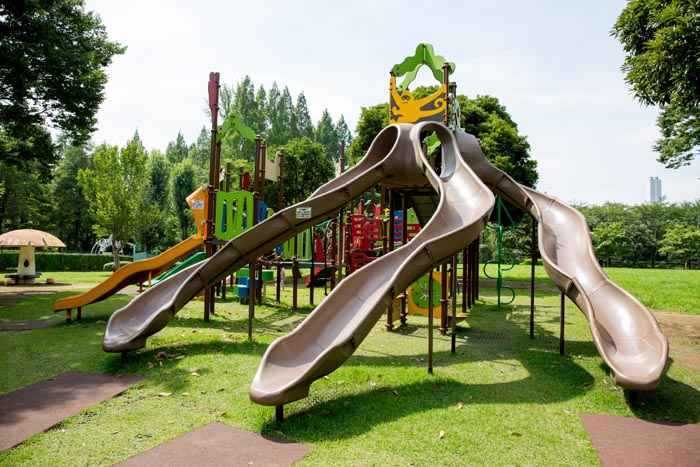


Conclusion: Osaki Park shows that this area is genuinely a place where people live.
It is a small park near Yamate-dori, surrounded by buildings, with playground equipment and a modest neighborhood feel.
It is not a grand destination park, but that smallness is exactly what makes it fit Osaki.
In the gaps inside a work-oriented district, you can still see parents, children, and nearby residents using ordinary time.
If you pass through on a weekend afternoon, the contrast with weekday Osaki becomes clear.
You start to see not just the business district face, but the outline of actual local life.
Living here means slowly discovering that behind the glass and decks, there really is a neighborhood.
12 Disaster Risk
Conclusion: Osaki feels relatively stable within central Tokyo, but flooding risk and high-rise living risks should still be taken seriously.
Shinagawa Ward publishes flood hazard maps, and the broader area including Osaki is not a place where you should casually assume complete safety.
Especially with the scale of recent rainfall events, it is worth paying attention to lower-lying zones and underground spaces.
At the same time, many residences in Osaki are newer apartment buildings and towers.
That means disaster risk is not only about structural damage.
It is also about elevator stoppages during blackouts, water supply interruptions, delays in deliveries, and the way daily life can freeze inside a highly managed building environment.
Because the streets are clean and calm, it is easy to forget disaster risk here.
But in practice, things like food and water storage, phone charging, building management quality, and evacuation route awareness directly shape how safe life feels.
Living here means disaster preparation is not about panic. It is about making a polished city district genuinely livable.
13 Pros and Cons
Conclusion: Osaki works very well for people who want a strong station and a quiet life, but it can feel too thin for people who want the energy of the city itself.
Pro 1: Excellent access.
The Yamanote Line, Saikyo Line, Shonan-Shinjuku Line, and Rinkai Line all combine to make travel to Shibuya, Shinjuku, Ikebukuro, Shinagawa, and Tokyo easy. In daily life, this reduces commuting time, makes late returns less stressful, and lowers the effort needed for weekend plans.
Pro 2: A strong sense of safety.
Because the area is redevelopment-based rather than nightlife-based, the atmosphere at night stays orderly. In practical terms, this makes it easier to choose for women living alone and for professionals who want a stable place to come home to.
Pro 3: Short daily-life routes.
The connections between station, offices, shops, and residences are highly organized. In daily life, this means less friction on rainy days, tired days, and rushed days.
Con 1: The neighborhood itself is not very entertaining.
It is not the kind of area where walking around at night automatically leads to interesting places. In practice, people who want stimulation often develop a habit of going elsewhere in the evening or on weekends.
Con 2: Rent is definitely high.
The convenience and redevelopment quality are already priced in, so it is risky to assume that a less flashy reputation means cheaper housing. In daily life, this often means making trade-offs in room size or station distance.
Con 3: Dining variety is limited if you only look at the station area itself.
There are good places, but the district as a whole is not built for endless restaurant wandering. In practice, people often include Gotanda or Shinagawa in how they think about eating out.
14 Who It Suits
Conclusion: Osaki suits people who want quietness, efficiency, and central access at the same time.
It is especially good for people who work in central Tokyo and want to reduce commuting waste.
If you want to cut daily travel stress but do not want to live inside the noise of Shinjuku or Shibuya, Osaki fits very well.
It also works for single professionals whose lives are built around work and who care more about daily ease than about turning every meal or shopping trip into a hobby.
For foreign residents too, it can be a strong match if what they want from Tokyo is not excitement, but a central neighborhood that is safe, understandable, and easy to move through.
The station layout and surrounding routes are relatively straightforward compared with giant terminal stations.
On the other hand, it is not a strong fit for people who love messy city texture.
If you want to discover tiny independent shops every day, if you want nightlife heat, or if you want a neighborhood full of backstreets and old shopping arcades, Osaki may feel overly polished.
Even for families, it can feel a little limited if the goal is to keep all weekend leisure and food life inside the immediate neighborhood.
Living here makes one question clearer: what exactly do you want from Tokyo?
Excitement, or quiet convenience?
Osaki is the kind of station that divides people cleanly along that line.
15 Summary
Conclusion: Osaki is not a station for squeezing every thrill out of Tokyo. It is a station for living in Tokyo without letting it wear you down.
In the morning, there is movement, but not the kind that crushes you.
People move quickly through the ticket gates and across the decks into the office buildings, yet the atmosphere is not overly aggressive.
At midday, the area becomes a district of practical lunches and work routines.
At night, it gradually leaves behind only light and quiet.
That rhythm—function in the morning, work in the daytime, calm at night—is the core identity of Osaki.
In spring, the greenery around the redevelopment zone softens the harder edges of the office district.
In summer, the glass and concrete throw back heat in a very central-Tokyo way.
In autumn, the air turns drier and walking along the decks and building edges starts to feel surprisingly pleasant.
In winter, the sound of footsteps on the way home becomes clearer, and the area’s quietness is most obvious.
In every season, Osaki’s appeal is not spectacle. It is the low level of noise in daily life.
On weekends, some people will find the station area a little dull.
But in central Tokyo, that dullness can actually be valuable.
Living in a district where everything is too strong means being exposed to stimulation all the time.
Osaki sits half a step back from that.
You can go to Shibuya, Shinjuku, Shinagawa, or Tokyo easily when you need them, but when you come back, the temperature drops properly.
There are people it clearly will not suit.
People who love nightlife.
People who love chaotic shopping streets.
People who want the neighborhood itself to tell a vivid story.
For them, Osaki may feel too clean, too controlled, too much like an excellent student.
But for people who want to keep work and life functioning, strengthen mobility, and avoid living in constant noise, Osaki is powerful.
It may not be the kind of place you fall in love with dramatically.
But over time, through commuting, late-night returns, shopping, meals, and the quiet after getting home, it starts to feel quietly excellent.
Living here changes Tokyo from a place you fight with into a place you use well.
Check nearby Yamanote Line stations
← Shinagawa Station Tokyo Living Guide | Osaki Station | Gotanda Station Tokyo Living Guide →