
- In One Line
- 1 Basic Information
- 2 Area Characteristics
- 3 Safety and Night Atmosphere
- 4 Rent Prices
- 5 Shopping Environment
- 6 Medical Facilities
- 7 Local Restaurants
- 8 Ramen
- 9 Train Lines and Connectivity
- 10 Access to Major Stations
- 11 Shrine, Park, and Culture
- 12 Disaster Risk
- 13 Pros and Cons
- 14 Who This Area Is For
- 15 Conclusion
In One Line
Ochanomizu is a place where your life is shaped by slopes and intellect.
During the day, the streets fill with students and medical professionals, and at night, an almost unnatural quiet takes over.
Living here means your daily comfort is defined less by convenience and more by the structure of the environment.
1 Basic Information
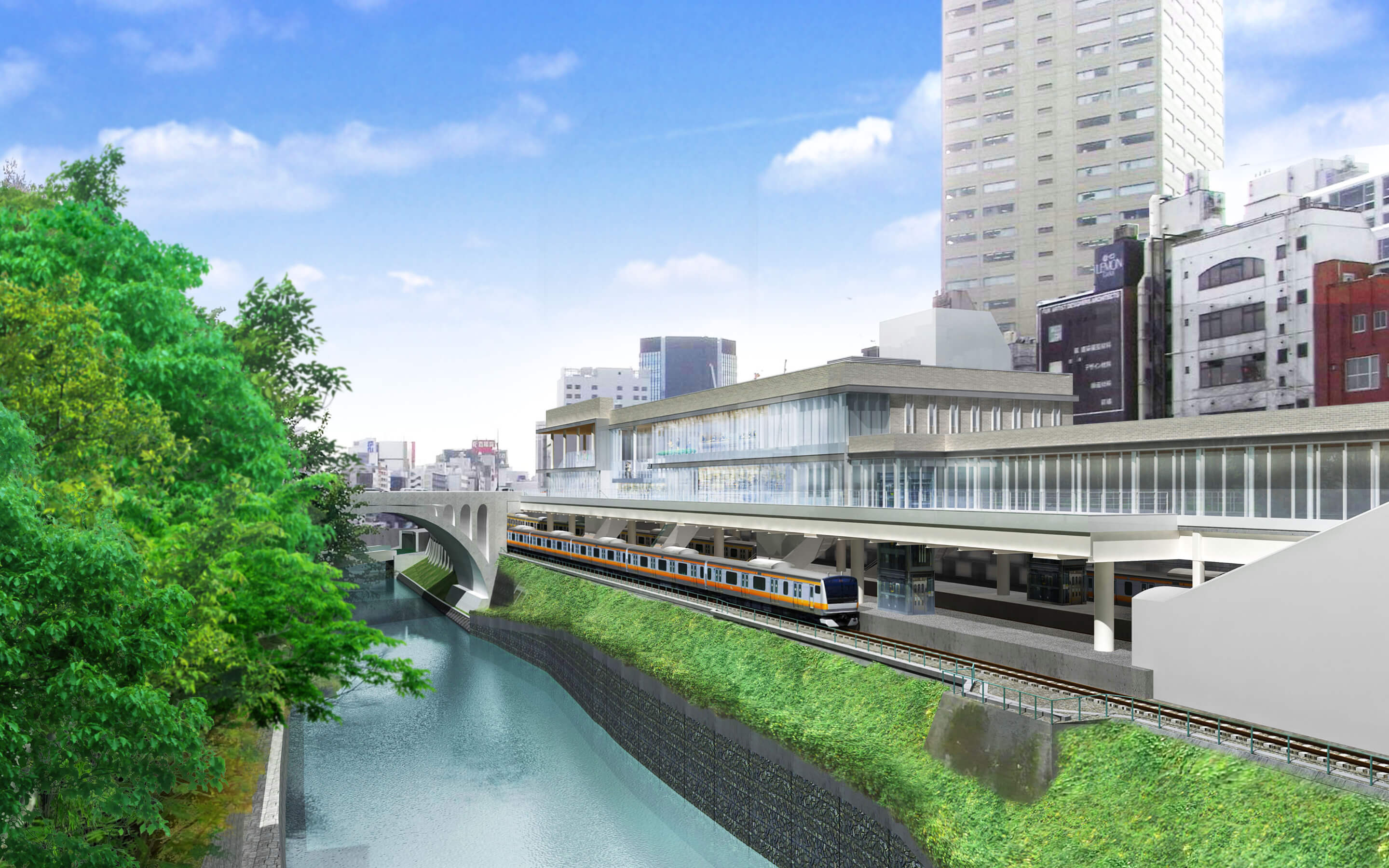

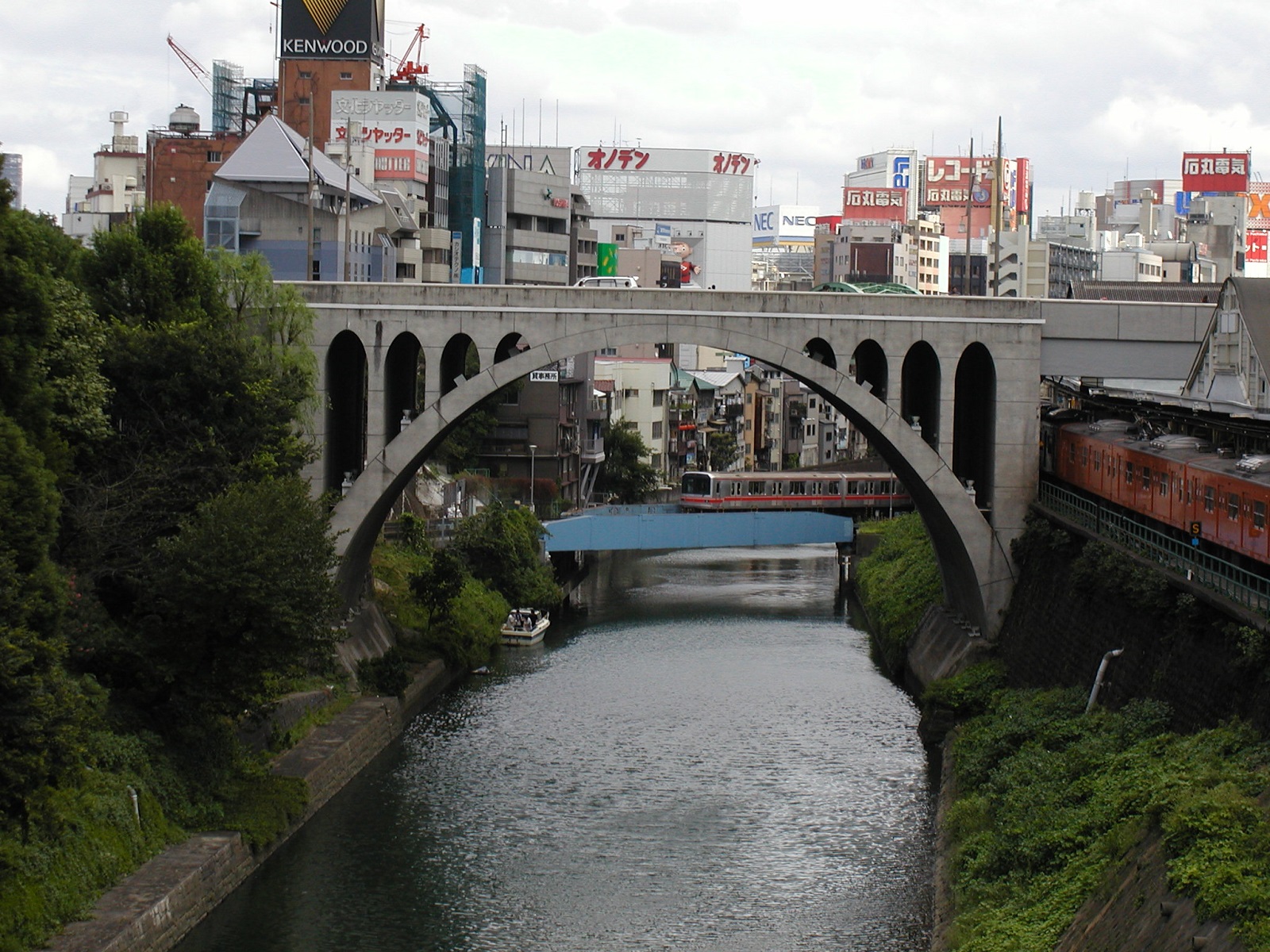

Ochanomizu Station is a junction where the Chuo Line and Sobu Line split, forming the center of an intellectual district.
The area is divided by the Kanda River and significant elevation differences, which strongly affect daily life.
Around 8 AM, students and medical workers mix in the crowd, with noticeably fewer office workers compared to Kanda.
Living here means becoming part of a daily flow defined by study and healthcare rather than just business.
2 Area Characteristics
Ochanomizu is a district where education and medicine intersect, creating a clearly structured environment.
To the south lies Meiji University and student-focused areas, while the north is dominated by hospitals and medical institutions. There is also a strong cultural presence with musical instrument shops lining certain streets.
The most defining feature is the terrain—steep slopes make even short distances physically demanding.
During the day, conversations and faint instrument sounds blend into the background.
Where you live in relation to elevation directly impacts your daily fatigue.
3 Safety and Night Atmosphere
Ochanomizu is safe, but its nighttime quietness can feel extreme.
With a population centered around students and healthcare workers, there is little nightlife chaos, but the streets empty out quickly after dark.
After 10 PM, some areas feel almost deserted.
Living here offers peace of mind, but also moments of isolation at night.
4 Rent Prices
Ochanomizu has relatively high rent for its location, with somewhat limited value.
Studios and 1K apartments range from about ¥110,000 to ¥140,000. Demand from students and medical professionals keeps prices from dropping.
Elevation and location significantly affect comfort, even within the same walking distance.
At night, residential areas become extremely quiet.
Choosing the right apartment here is crucial to daily satisfaction.
5 Shopping Environment
Ochanomizu has weak daily shopping options and often relies on nearby areas.
There are small supermarkets, but limited variety, making Akihabara or Kanda necessary for more complete shopping.
In the evening, students gather around convenience stores.
Daily life often revolves around quick, situational purchases.
6 Medical Facilities
Ochanomizu is one of Tokyo’s strongest medical hubs.
Major hospitals such as Tokyo Medical and Dental University Hospital provide a high level of security in healthcare access.
Ambulance sirens are a regular part of the daytime soundscape.
Living here integrates a sense of medical security into daily life.
7 Local Restaurants
Ochanomizu offers practical dining shaped by students and professionals.
Hilltop (Yamanoue Hotel Coffee Parlor)
- Genre: Café / Western
- Price Range: ¥1,500–¥3,000
- Google: https://www.google.com/search?q=Hilltop+Yamanoue+Hotel
- The quiet atmosphere slows down time.
- It becomes a place to enjoy doing nothing on weekends.
Kitchen Calorie
- Genre: Western
- Price Range: ¥1,000–¥1,500
- Google: https://www.google.com/search?q=Kitchen+Calorie+Ochanomizu
- The energy of students fills the space.
- You naturally shift toward hearty, satisfying meals.
Gavial
- Genre: Curry
- Price Range: ¥1,200–¥2,000
- Google: https://www.google.com/search?q=Gavial+Ochanomizu
- The smell of spices drifts out to the street.
- Meals become something you look forward to.
Butanoyaro
- Genre: Pork bowl (Butadon)
- Price Range: ¥800–¥1,200
- Google: https://www.google.com/search?q=Butanoyaro+Ochanomizu
- As you climb the stairs, the smell of sauce and charcoal hits instantly.
- On tiring days, it becomes a place where you silently recharge through food.
8 Ramen
Ochanomizu has a quiet but high-quality ramen scene.
Tsujita Ochanomizu
- Genre: Tsukemen
- Price Range: ¥900–¥1,200
- Google: https://www.google.com/search?q=Tsujita+Ochanomizu
- Lines form, but service moves quickly.
- Meals become efficient yet satisfying routines.
Kanda Katsumoto
- Genre: Ramen
- Price Range: ¥900–¥1,300
- Google: https://www.google.com/search?q=Kanda+Katsumoto
- The calm interior encourages quiet eating.
- You develop a more structured rhythm around meals.
9 Train Lines and Connectivity
Ochanomizu requires awareness of train line choices.
The Chuo Line heads toward Shinjuku, while the Sobu Line connects to Akihabara and beyond.
Passengers naturally separate by destination on the platform.
Living here means constantly making small routing decisions.
10 Access to Major Stations
- Tokyo Station: ~5 min (last train ~00:30) taxi ~¥1,000
- Shinjuku Station: ~10 min (last train ~00:15) taxi ~¥4,000
- Akihabara Station: ~2 min (last train ~00:40) taxi ~¥800
- Ueno Station: ~8 min (last train ~00:30) taxi ~¥1,500
Access is excellent, but requires awareness of line selection.
Daily movement becomes a series of efficient choices.
11 Shrine, Park, and Culture

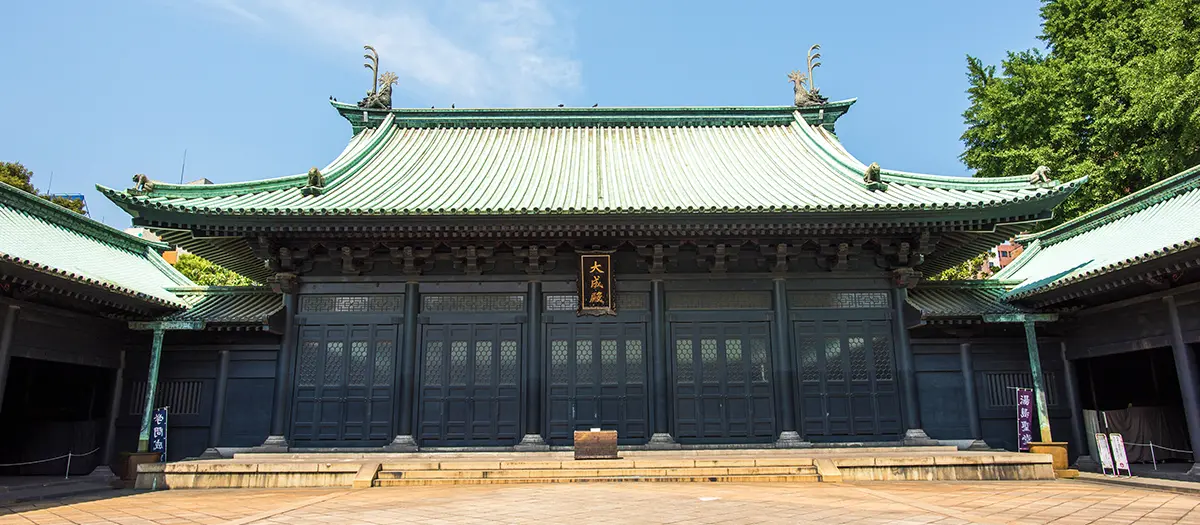
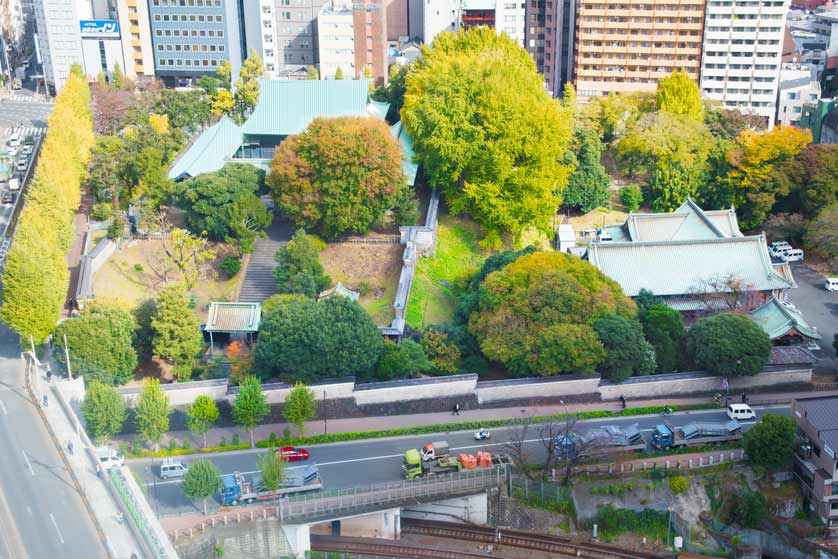
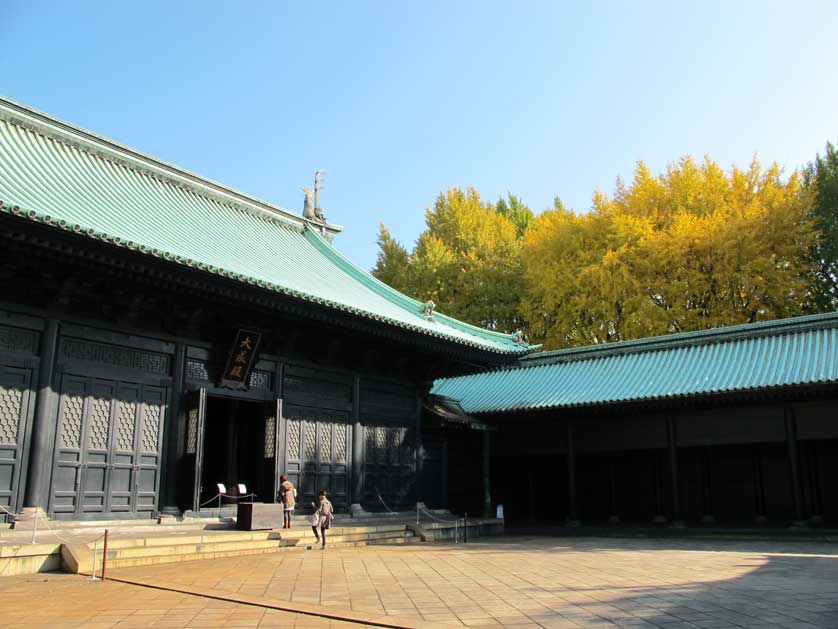
Ochanomizu preserves a strong intellectual and cultural identity.
Yushima Seido, dedicated to Confucius, symbolizes learning and discipline.
Inside, the city noise fades noticeably.
Living here provides a place to reset mentally.
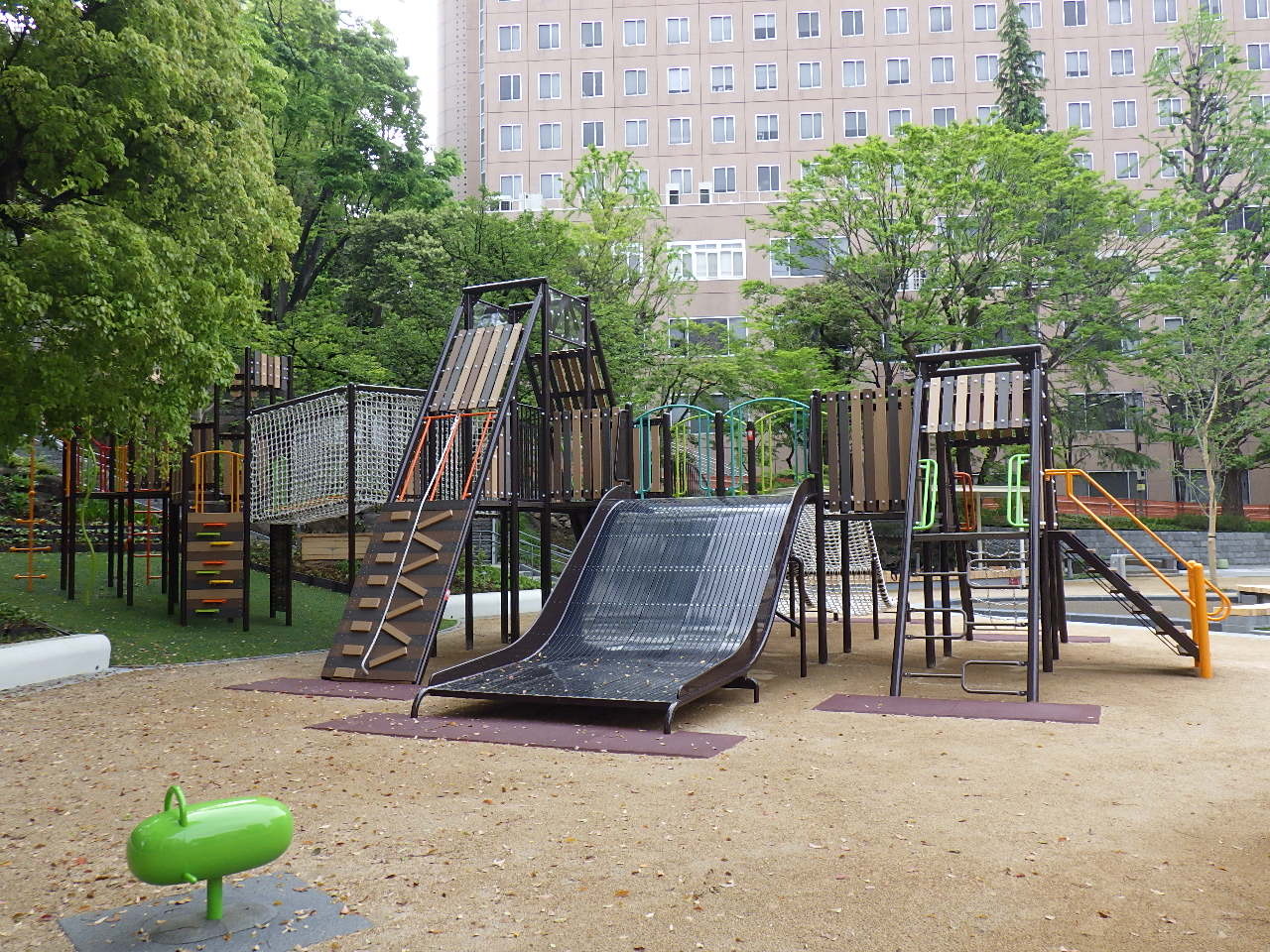

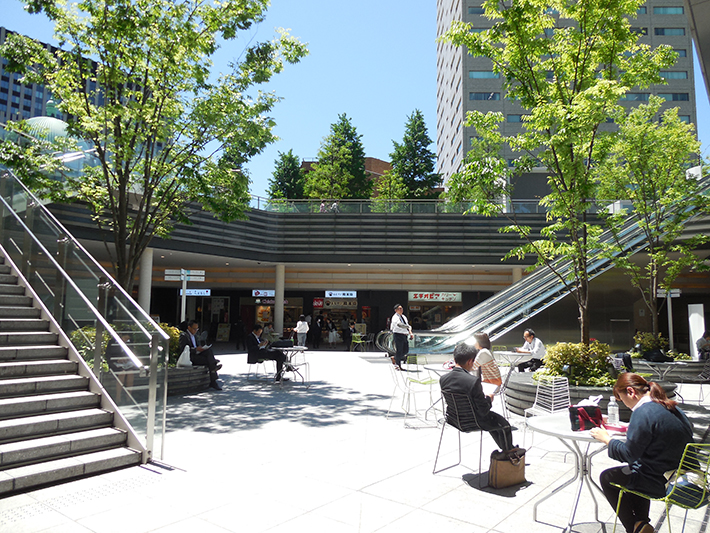

Small parks and riverside spaces provide brief moments of rest.
During the day, people pause along the river.
These short breaks become part of daily life.
12 Disaster Risk
Ochanomizu has risks shaped by its terrain.
Higher ground is relatively safe, while areas near the Kanda River carry flood risk during heavy rain.
Steep slopes can make evacuation more physically demanding.
Older buildings also present potential risks during earthquakes.
On rainy days, people move carefully along steep streets.
Living here requires awareness of the terrain in daily life.
13 Pros and Cons
Pros
- Strong medical access
→ Provides daily security - Good transport connectivity
→ Easy movement across Tokyo - Stable safety environment
→ Peaceful living conditions
Cons
- Many slopes
→ Daily movement can be tiring - Weak shopping options
→ Requires planning - Higher rent for value
→ Limited cost performance
14 Who This Area Is For
Ochanomizu suits individuals who value quiet and intellectual surroundings.
It works well for students, medical professionals, and those seeking a calm lifestyle.
It is less suitable for people who prioritize flat terrain or convenience.
If you can accept the slopes, the area fits naturally.
Living here means balancing calmness with physical effort.
15 Conclusion
Ochanomizu is a place defined by its environment.
Mornings begin with descending slopes toward the station, days are surrounded by academic and medical life, and nights are quiet.
Weekdays are efficient, while weekends lean toward stillness.
Spring softens the riverside, summer intensifies the heat of the slopes, and winter emphasizes the quiet atmosphere.
This is not a place for everyone.
But for those who accept its structure, it offers a calm and focused way of living.