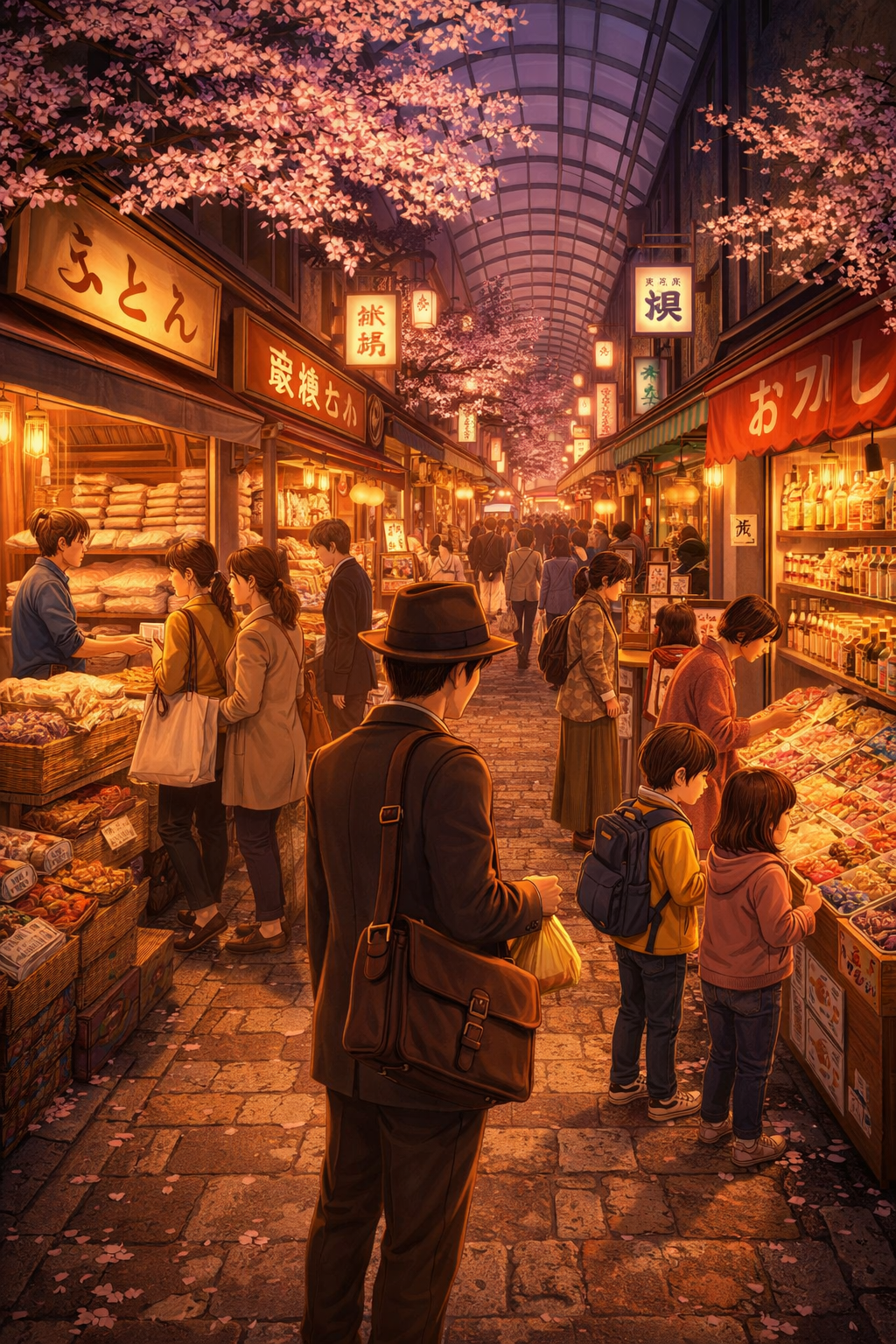
- First Impressions
- 1 Basic Information
- 2 Neighborhood Character
- 3 Safety and Night Atmosphere
- 4 Rent Prices
- 5 Shopping Environment
- 6 Medical Facilities
- 7 Local Restaurants
- 8 Ramen Picks
- 9 Train Lines and Accessibility
- 10 Access to Major Areas
- 11 Shrine, Park, and Cultural Spots
- 12 Disaster Risk
- 13 Pros and Cons
- 14 Who It’s For
- 15 Summary
First Impressions
Nishi-Nippori is “a place where you can live efficiently without noise.” At night, the station area is active but not loud, with a calm mix of students and working adults. It feels unusual for a major transfer station to have such a grounded, everyday atmosphere, and living here naturally makes both commuting and daily life run smoothly.
1 Basic Information
Conclusion: A highly practical station with excellent transport and livability.


Nishi-Nippori is served by the JR Yamanote Line, Keihin-Tohoku Line, Tokyo Metro Chiyoda Line, and the Nippori-Toneri Liner. Despite being a strong transfer hub, the area around the station remains calm and free from major entertainment districts. Nearby educational institutions bring a noticeable student presence. At night, there is movement, but the noise level stays low.
2 Neighborhood Character
Conclusion: Not flashy, but well-balanced for living and mobility.
The area combines residential streets and schools, creating a quiet environment. Nearby Nippori and Tabata expand the living area. There are enough restaurants to meet daily needs, though nothing stands out dramatically. During the day, students and locals blend into a steady, calm flow.
3 Safety and Night Atmosphere
Conclusion: Stable and safe.
With no nightlife districts, trouble at night is rare. There is a moderate level of foot traffic, but very little noise. Drunk crowds are uncommon, and the calm atmosphere continues. At night, you mainly notice the steady but quiet movement of people.
4 Rent Prices
Conclusion: Slightly affordable to average, well-balanced.
Studio to 1K apartments range around ¥75,000 to ¥105,000. For the Yamanote Line, this is relatively reasonable. Considering the strong transport access, the value is high. At night, indoor spaces feel calm and insulated from outside noise.
5 Shopping Environment
Conclusion: Daily life is covered with a compact setup.
Supermarkets and convenience stores are available near the station, making daily shopping easy. Large shopping facilities are limited, but Nippori, Ueno, and Ikebukuro are all close. The living flow is simple and efficient. In the evening, people shop quietly at their own pace.
6 Medical Facilities
Conclusion: Sufficient and reliable.
Clinics and dental offices are scattered around the station area. Larger hospitals are also accessible nearby, ensuring support in emergencies. The presence of students and residents supports a stable healthcare environment. During the day, patient flow remains calm.
7 Local Restaurants
Conclusion: Not flashy, but very usable.
■ Habutae Dango Main Store
Genre: Japanese sweets
Price: Up to ¥1,000
https://www.google.com/search?q=羽二重団子+西日暮里
Local feel: A mix of visitors and locals in a calm setting.
Future image: You start enjoying quiet dessert time on weekends.
■ Nishi-Nippori Hormone
Genre: Yakiniku / offal
Price: ¥2,000–¥3,000
https://www.google.com/search?q=西日暮里ホルモン
Local feel: Casual and local-focused atmosphere.
Future image: It becomes your go-to stop after work.
■ Bazoku (Chinese handmade noodles, Nippori area)
Genre: Chinese
Price: ¥1,000–¥2,000
https://www.google.com/search?q=馬賊+日暮里
Local feel: The sound of hand-pulled noodles adds strong local character.
Future image: A reliable place you return to regularly.
8 Ramen Picks
Conclusion: Not flashy, but solid options.
■ Mensake-dokoro Burari
Style: Chicken paitan
Price: Around ¥1,000
https://www.google.com/search?q=麺酒処ぶらり+西日暮里
Local feel: Calm atmosphere with many quiet diners.
Future image: You develop a habit of eating alone in a relaxed setting.
■ Tsukemen TETSU (nearby Nippori)
Style: Tsukemen
Price: Around ¥1,000
https://www.google.com/search?q=TETSU+日暮里
Local feel: Fast turnover and steady popularity.
Future image: A casual option you stop by on your way home.
9 Train Lines and Accessibility
Conclusion: One of the best transfer hubs in Tokyo.
Multiple lines provide excellent mobility. The Chiyoda Line adds strong north-south access beyond the Yamanote Line. Commuting and school routes become highly flexible. In the morning, multiple flows of people move efficiently together.
10 Access to Major Areas
Conclusion: Strong in almost every direction.
Ueno: About 5 minutes (last train around 0:30 AM / taxi about ¥1,500)
Tokyo: About 10 minutes (last train around 0:20 AM / taxi about ¥3,000)
Ikebukuro: About 10 minutes (last train around 0:50 AM / taxi about ¥2,500)
Otemachi: About 15 minutes via Chiyoda Line (taxi about ¥4,000)
Even late at night, returning from major areas is smooth.
11 Shrine, Park, and Cultural Spots
Conclusion: Quiet spaces that add depth to daily life.
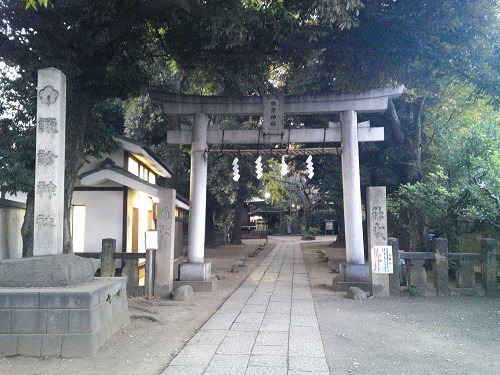
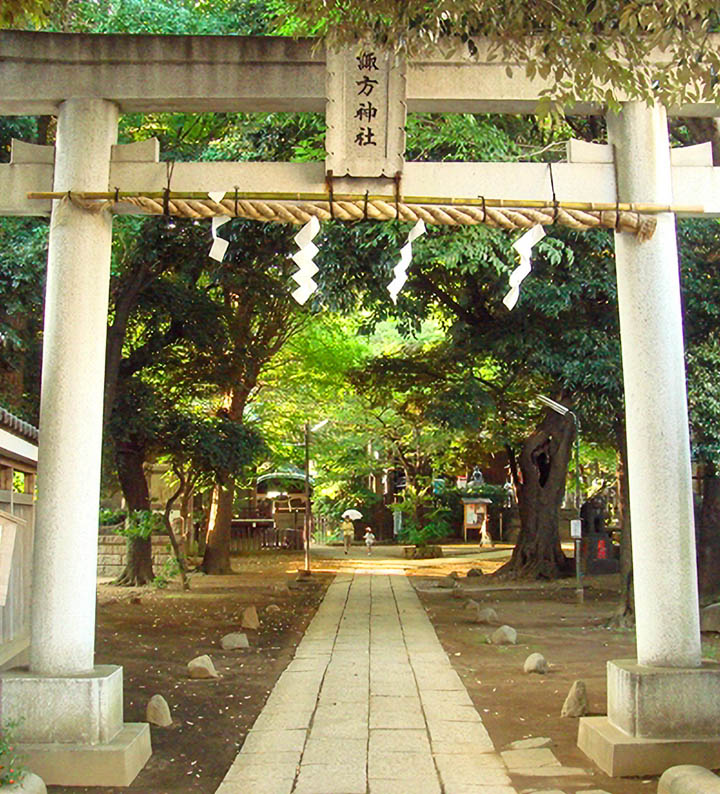


Suwa Shrine is close to the station but maintains a calm and quiet atmosphere. It is a place locals visit regularly, offering a peaceful break. In the evening, it becomes especially quiet.
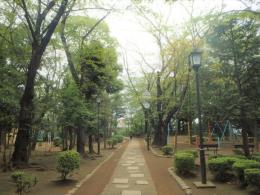
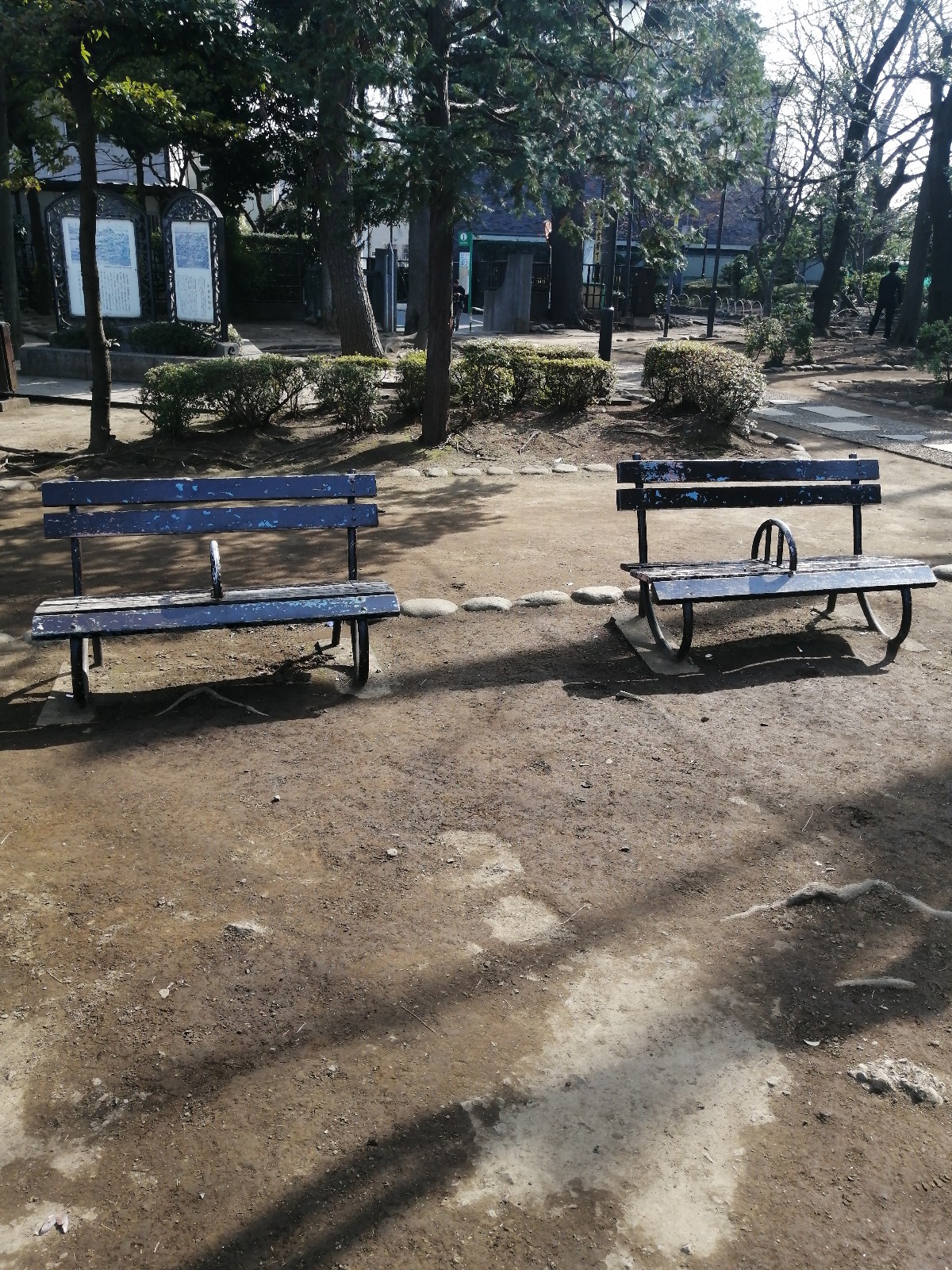
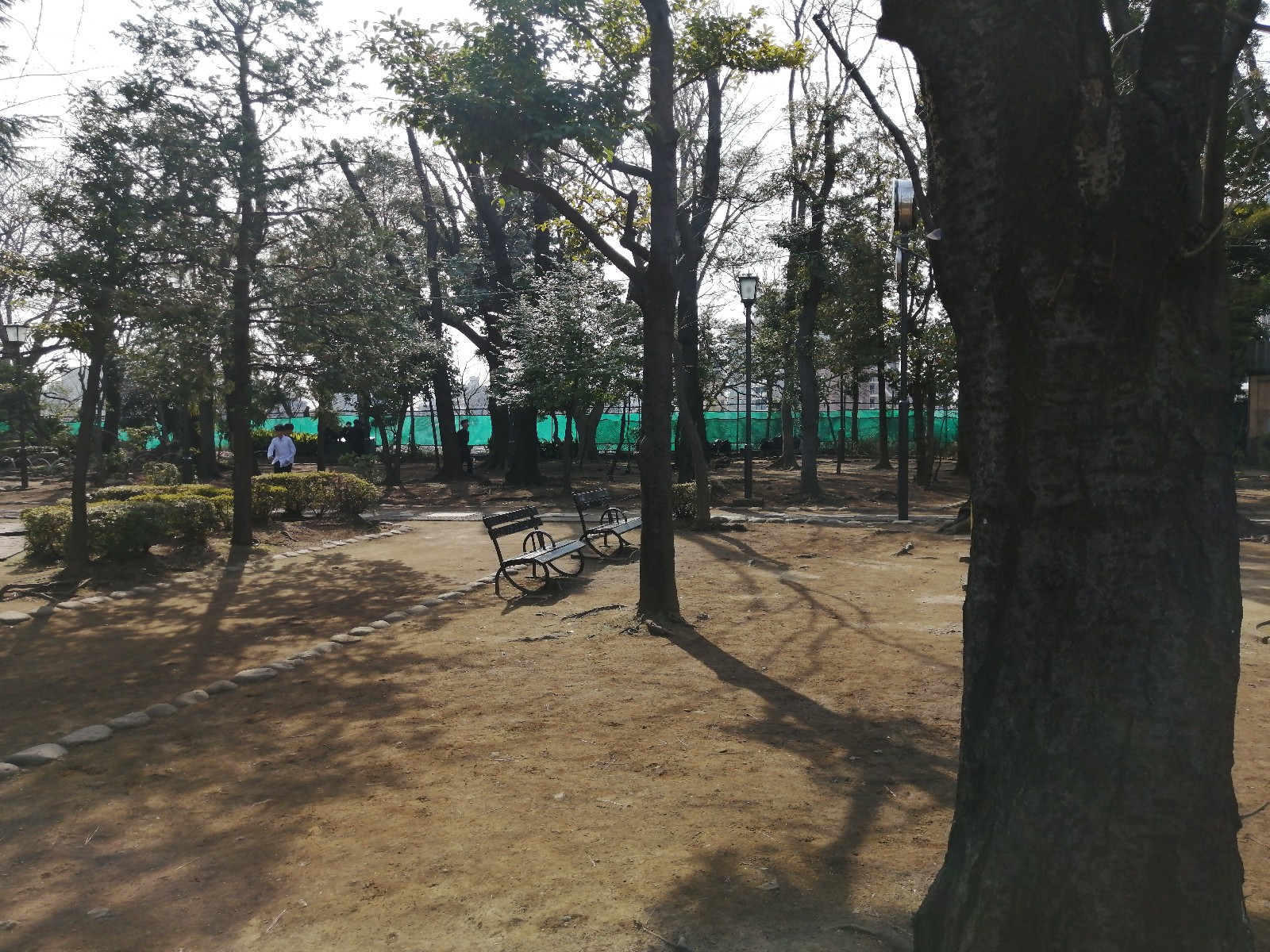
Nishi-Nippori Park is a compact space used daily by locals. It is simple but comfortable. During the day, the atmosphere is calm. Sitting on a bench, you can hear the soft sounds of everyday life.
12 Disaster Risk
Conclusion: Relatively stable, slightly safer than average Tokyo areas.
Located somewhat away from major rivers, flood risk is moderate to low. The ground is relatively stable. Compared to many areas in Tokyo, it offers a sense of security. Even on rainy days, daily functions continue normally.
13 Pros and Cons
Conclusion: A well-balanced area for transport and living.
Pros include strong transportation, a calm environment, and reasonable rent. Cons are limited entertainment and a somewhat plain atmosphere. However, this simplicity contributes to comfort. At night, the lack of noise becomes reassuring.
14 Who It’s For
Conclusion: Ideal for those who value efficiency and calm living.
Perfect for people who prioritize commuting convenience but don’t want a noisy environment. It suits those who want balance between mobility and daily life. If you value a quiet return home, this area fits well.
15 Summary
Conclusion: Best for those who want an efficient and quiet life on the Yamanote Line.
Living here, commuting becomes easier and daily routines flow smoothly. Mornings are efficient, days are spent in the city, and nights end in a calm environment. Nishi-Nippori offers a streamlined and balanced lifestyle in Tokyo.
Check nearby Yamanote Line stations
← Tabata Station Tokyo Living Guide | Nishi-Nippori Station | Nippori Station Tokyo Living Guide →