- In One Line
- 1 Basic Information
- 2 Area Characteristics
- 3 Safety and Night Atmosphere
- 4 Rent Prices
- 5 Shopping Environment
- 6 Medical Facilities
- 7 Local Restaurants
- 8 Ramen
- 9 Train Lines and Connectivity
- 10 Access to Major Stations
- 11 Shrine, Park, and Culture
- 12 Disaster Risk
- 13 Pros and Cons
- 14 Who This Area Is For
- 15 Conclusion
In One Line
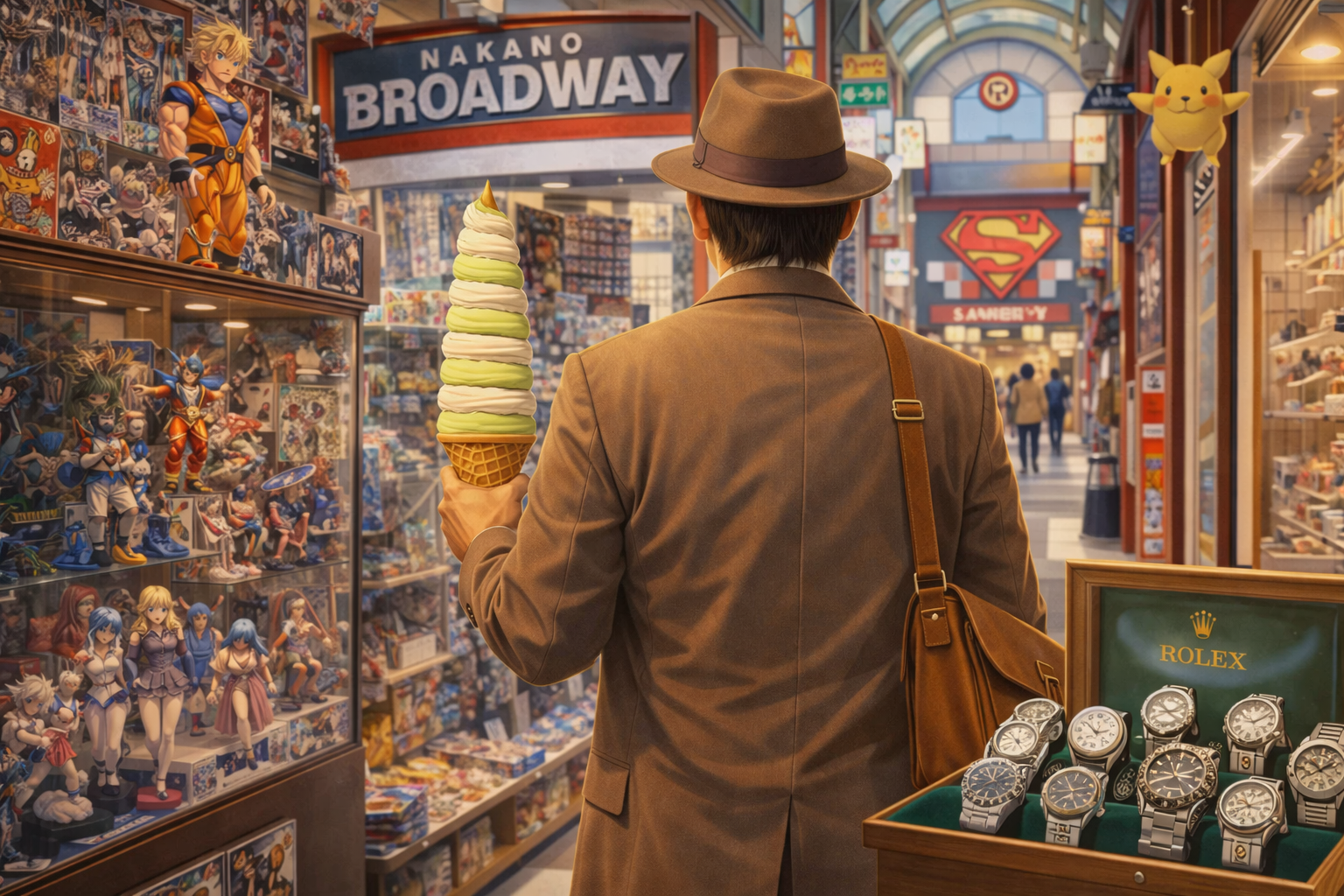
Nakano is a place where subculture, nightlife, student life, and everyday residential living all overlap in the same daily space.
From the north exit, people flow into Sun Mall and Nakano Broadway, while at night the energy shifts toward bars and late dining. Walk toward the south exit, and the atmosphere suddenly softens into a place where people simply go home.
Living here means using Tokyo’s intensity without letting it control your daily rhythm.
1 Basic Information

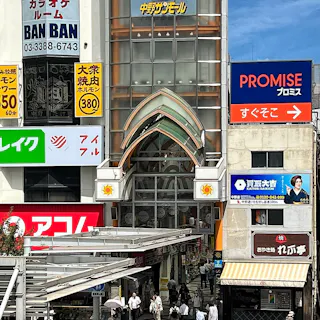
Nakano Station is served by the JR Chuo Line, Chuo-Sobu Line, and is also the starting point of the Tokyo Metro Tozai Line.
It offers extremely practical access: just a few minutes to Shinjuku, while still functioning as a fully livable area with shopping streets, university campuses, and residential zones all within walking distance.
Meiji University’s Nakano campus and Teikyo Heisei University bring a steady student presence, blending naturally into the flow of daily life.
In the morning, the station is busy, but lacks the tension you feel in major terminals like Shinjuku.
Living here means commuting efficiently without starting your day under pressure.
2 Area Characteristics
Nakano is built on a layered structure: subculture and commerce in the north, residential calm in the south, and everyday practicality connecting both.
Nakano Broadway is not just a tourist attraction—it’s a mixed-use complex where everyday local shops coexist with deep niche subculture.
The rise of stores like Mandarake transformed it into a globally known hub for anime and collector culture, but its core remains rooted in local daily life.
This cultural layer is deeply tied to the area’s identity.
Nakano-born talent like Shoko Nakagawa has spoken about growing up around Nakano Broadway and Mandarake, showing how this environment shapes not just visitors, but residents themselves.
In the evening, students, workers, shoppers, and hobbyists all share the same streets.
Living here means experiencing Tokyo not as separate worlds, but as a blended, everyday reality.
3 Safety and Night Atmosphere
Nakano’s safety depends more on location and time than reputation.
The north side is dense with bars, restaurants, and nightlife streets, creating a lively but sometimes chaotic atmosphere late into the night.
At the same time, Nakano isn’t just about drinking.
The area has a long-standing culture of casual nightlife entertainment—places to play billiards, darts, or simply spend time beyond just eating and drinking.
The south side, by contrast, transitions quickly into quieter residential streets.
After 11 PM, the difference becomes clear:
the north stays active, while the south settles into a calm, residential pace.
Living here teaches you that “Nakano” is not one atmosphere, but several, depending on where you stand.
4 Rent Prices
Nakano is not cheap—but it still feels realistic for its location.
Studios typically range around ¥105,000–¥115,000, with 1K apartments around ¥120,000.
Given its proximity to Shinjuku and strong daily infrastructure, many people consider it a balanced option.
However, finding a place that is both close to the station and quiet can be competitive.
Living here means choosing what matters more:
proximity to the vibrant north side, or the calmer residential feel toward the south.
5 Shopping Environment
Nakano has strong everyday shopping convenience.
The Sun Mall shopping street and surrounding areas provide food, daily goods, and casual dining options all within walking distance.
Unlike quieter areas, you don’t just “get what you need”—you often have choices.
In the evening, many people walk home carrying small shopping bags from spontaneous purchases.
Living here means daily life naturally integrates with the street.
6 Medical Facilities
Nakano offers solid everyday healthcare access.
Clinics for internal medicine, dentistry, and general care are easy to find near the station.
While major hospitals are located in nearby districts, access is convenient enough that it rarely becomes a problem.
During the day, the flow of people heading to clinics blends into the normal rhythm of the area.
Living here makes managing your health feel straightforward and accessible.
7 Local Restaurants
Nakano is a place where eating out is part of daily life, not a special occasion.
Hayashiya Nakano-so
- Genre: Western-style dining
- Price Range: ¥1,000–¥2,000
- Google: https://www.google.com/search?q=Hayashiya+Nakano-so
Classic comfort food served at everyday prices.
Having a place like this nearby turns the area into “your own neighborhood.”
Rikyu (Robatayaki)
- Genre: Grilled seafood
- Price Range: ¥1,500–¥4,000
- Google: https://www.google.com/search?q=Rikyu+Nakano
The warmth of charcoal cooking adds depth to Nakano’s nightlife.
A place you can bring someone to, turning the area into more than just a place to sleep.
Maguro Mart
- Genre: Seafood / Izakaya
- Price Range: ¥3,000–¥5,000
- Google: https://www.google.com/search?q=Maguro+Mart+Nakano
A lively spot that matches the energy of the north side.
It reminds you that Nakano isn’t just practical—it’s also fun.
8 Ramen
Nakano’s ramen scene balances tradition and experimentation.
Aoba Nakano Main Store
- Genre: Ramen / Tsukemen
- Price Range: ¥1,000–¥1,500
- Google: https://www.google.com/search?q=Aoba+Nakano
A foundational shop representing Nakano’s ramen identity.
Choosing to eat here connects you directly to the area’s culture.
Tadaima Henshinchu
- Genre: Oyster ramen
- Price Range: ¥1,000–¥1,600
- Google: https://www.google.com/search?q=Tadaima+Henshinchu+Nakano
A bold, unconventional option within walking distance.
Having variety like this keeps everyday meals interesting.
9 Train Lines and Connectivity
Nakano’s strength lies in flexibility.
The Chuo Line provides fast access to central Tokyo, while the Tozai Line offers a seated commute option heading east.
Different routes serve different needs, reducing daily travel stress.
On the platform, you can see distinct flows of people heading in different directions.
Living here makes movement efficient without constant decision fatigue.
10 Access to Major Stations
- Shinjuku Station: ~4–7 min / last train around 00:05 / taxi ~¥2,000
- Tokyo Station: ~18–20 min / last train around 23:50 / taxi ~¥4,500–¥5,000
- Ikebukuro Station: ~16–20 min / last train around 23:50 / taxi ~¥2,500–¥3,000
- Shibuya Station: ~15–18 min / last train around 00:05 / taxi ~¥3,000–¥3,500
Nakano’s key advantage is psychological:
you can stay out late and still feel like getting home is manageable.
11 Shrine, Park, and Culture
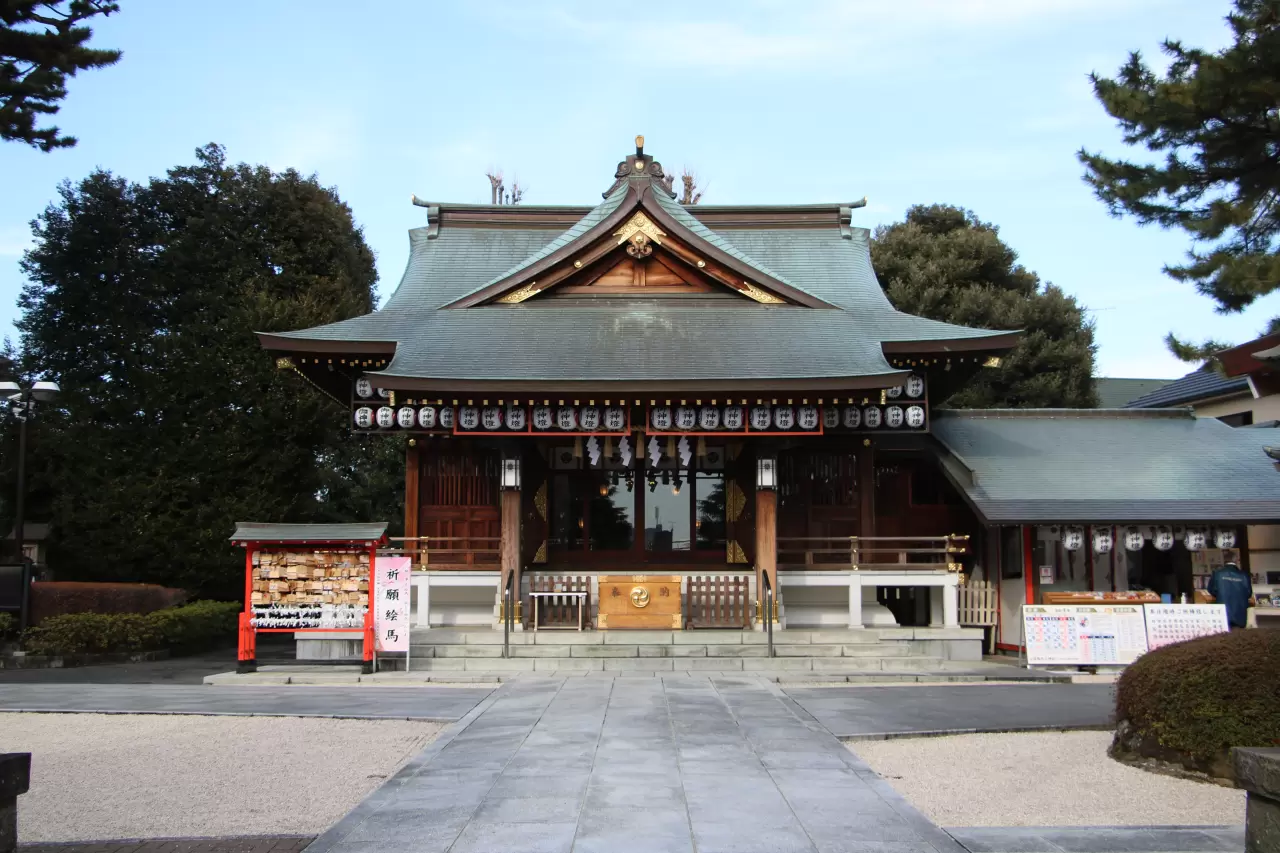

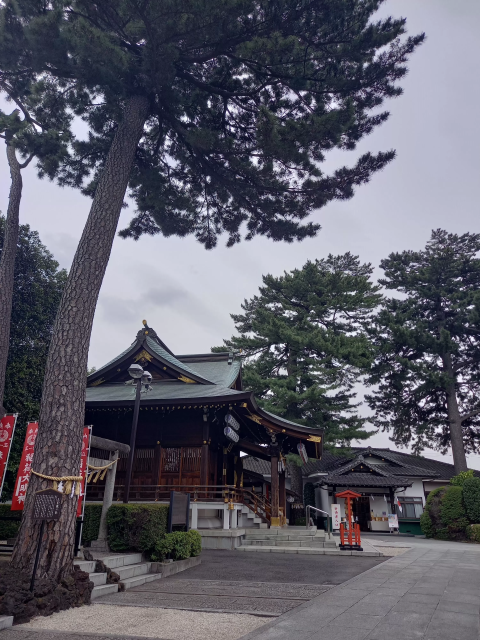

Nakano offers places where the intensity of the station fades away.
Nakano Hikawa Shrine provides a calm contrast to the busy north side.
The sound of the city softens here.
Living here gives you a place to mentally reset within walking distance.


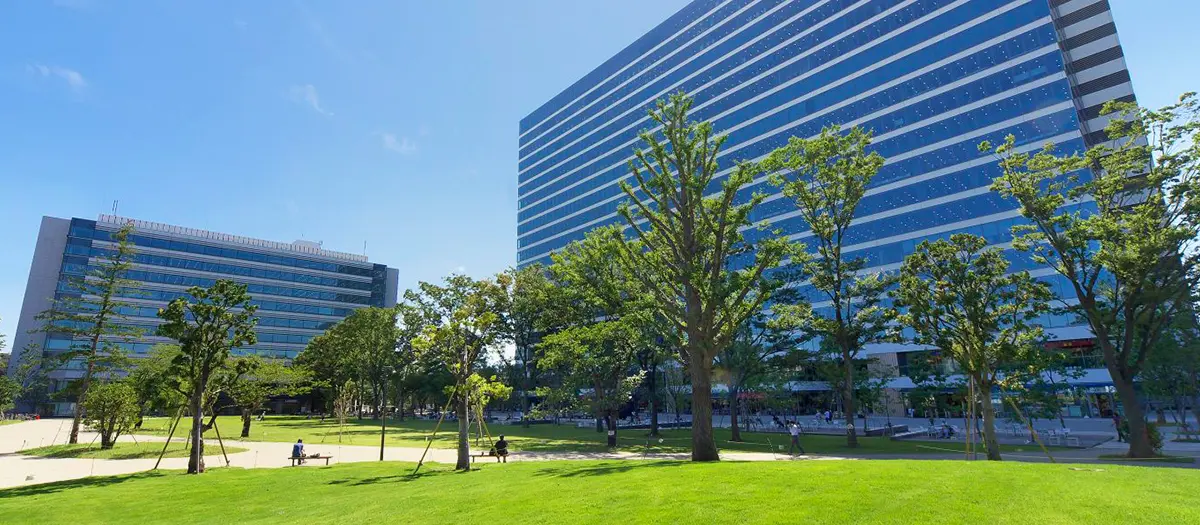
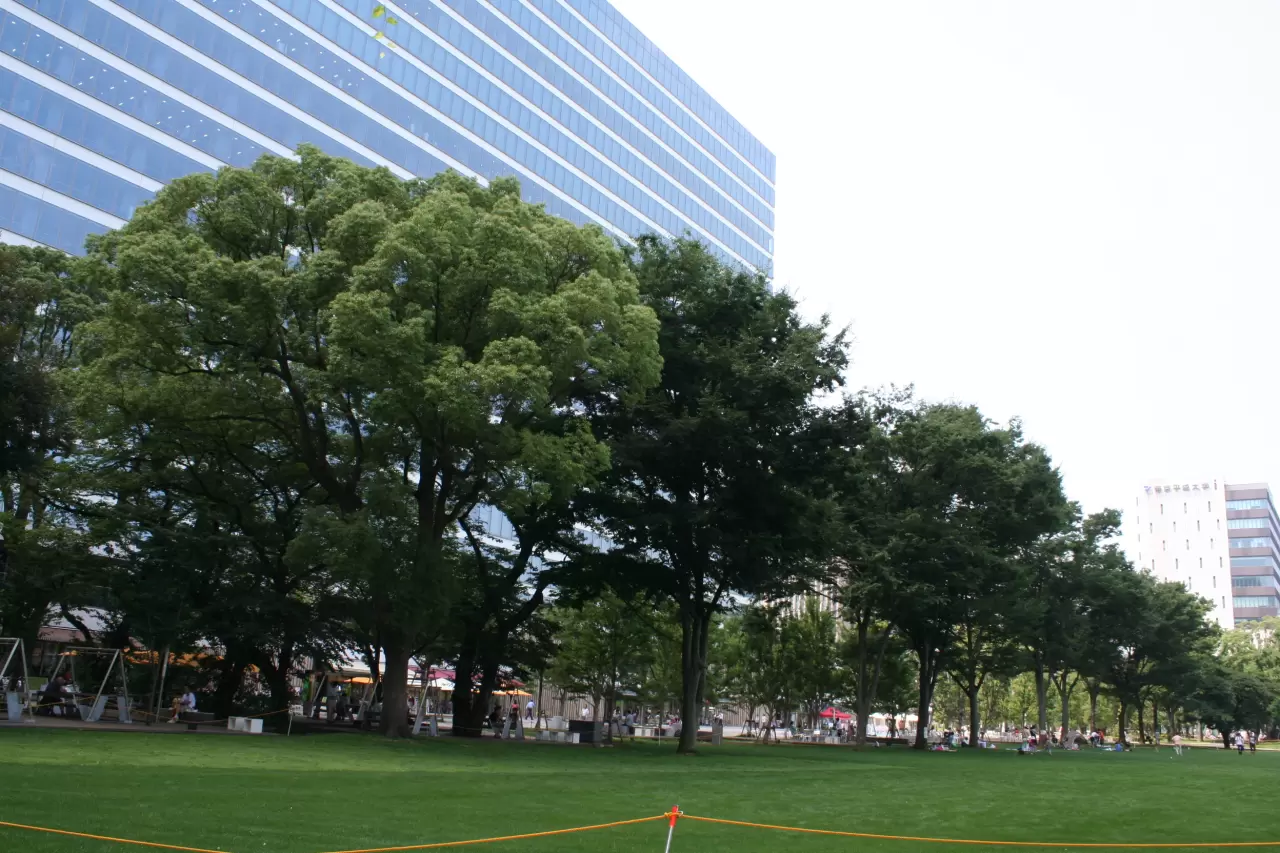
Nakano Shiki no Mori Park shows another side of the area.
Close to the station, yet open and relaxed, it connects with nearby university campuses and public spaces.
On weekends, people gather casually, without pressure or urgency.
Living here makes it easy to step outside without a plan.
Nakano Broadway also remains central—not just as a tourist spot, but as a daily intersection of culture, commerce, and residential life.
12 Disaster Risk
Nakano combines redeveloped station areas with older residential streets.
While open spaces and modern infrastructure exist near the station, narrower streets and older wooden buildings remain in some neighborhoods.
This means evacuation routes and fire risk should be considered when choosing where to live.
At night, the shift from bright main streets to quiet residential roads becomes clear.
Living here requires awareness of how different areas function.
13 Pros and Cons
Pros
- Strong transport access
→ Easy commuting - Rich daily life options
→ Shopping, dining, and culture all nearby - Flexible environment
→ Can choose between lively and calm areas - Diverse community
→ Many foreign residents and cultural mix
Cons
- Not a cheap area
→ Rent reflects popularity - High density in some areas
→ Can feel overwhelming - Quiet housing requires careful selection
→ Location matters within the same station area
14 Who This Area Is For
Nakano suits people who want convenience without being overwhelmed by a major hub.
It works well for those commuting to Shinjuku, those who enjoy subculture, or those who want a balance between activity and calm.
It is especially suitable for people who can enjoy variety—students, creatives, professionals, and even international residents adapting to Tokyo life.
It may not suit those who want uniform quietness from station to home.
Your reaction to the north side at night—whether it feels exciting or tiring—will define your compatibility with Nakano.
15 Conclusion
Nakano is a place where multiple layers of Tokyo coexist in everyday life.
Subculture, nightlife, universities, residential streets, and international communities all overlap naturally.
Mornings move efficiently toward the city.
Days blend work and student life.
Nights shift between energy and calm depending on your route home.
It is not simply “balanced”—it is customizable.
Living in Nakano teaches you how to use Tokyo’s intensity without being consumed by it.