- In One Sentence
- 1 Basic Information
- Musashi-Koganei Station
- 2 Area Characteristics
- 3 Safety and Night Atmosphere
- 4 Rent Prices
- 5 Shopping Environment
- 6 Medical Access
- 7 Local Restaurants
- 8 Ramen
- 9 Character of the Lines
- 10 Access to Major Stations
- 11 Shrines, Parks, Cultural Spots
- Koganei Shrine
- Koganei Park
- 12 Disaster Risk
- 13 Advantages and Disadvantages
- 14 Who It Suits
- 15 Summary
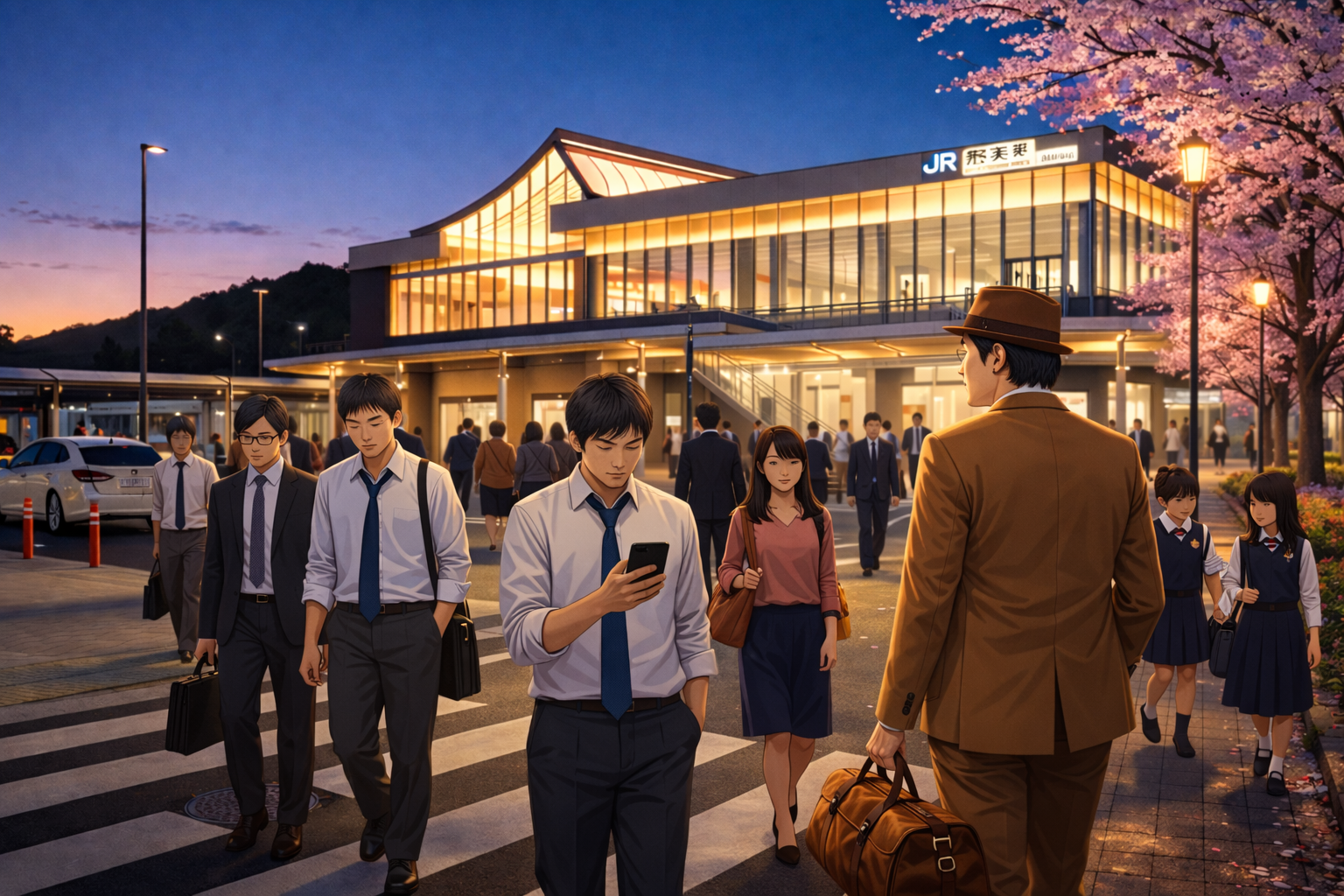
In One Sentence
If your real goal on the Chuo Line is a calmer, more stable life, this station becomes a strong choice.
At night, even around the station, voices soften and the atmosphere is carried by families and long-term residents.
Choosing stability over stimulation quietly reshapes your daily rhythm.
1 Basic Information
Musashi-Koganei Station

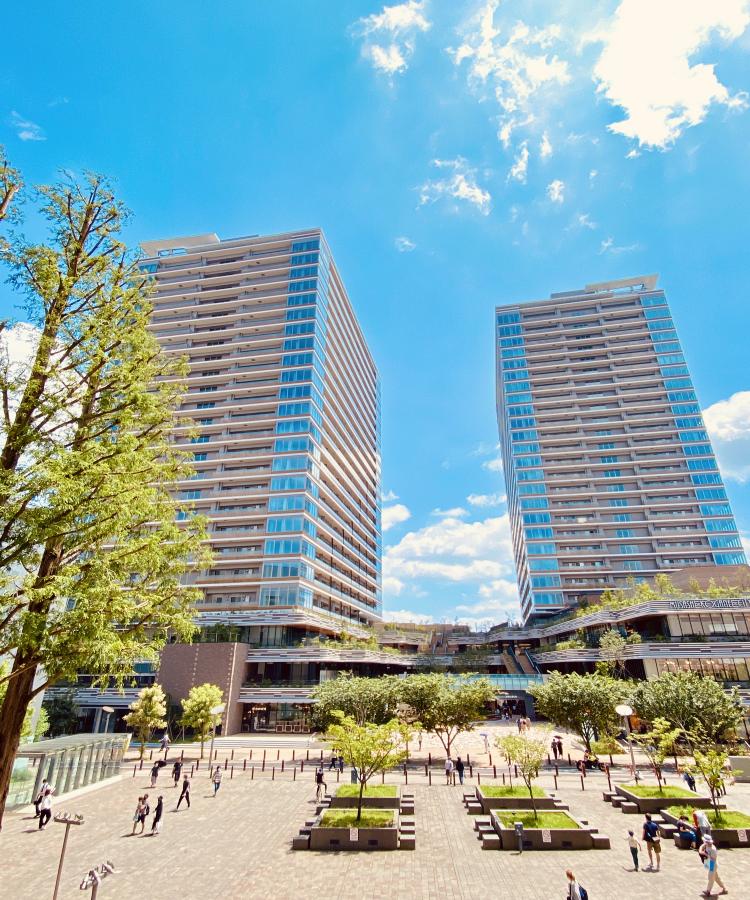
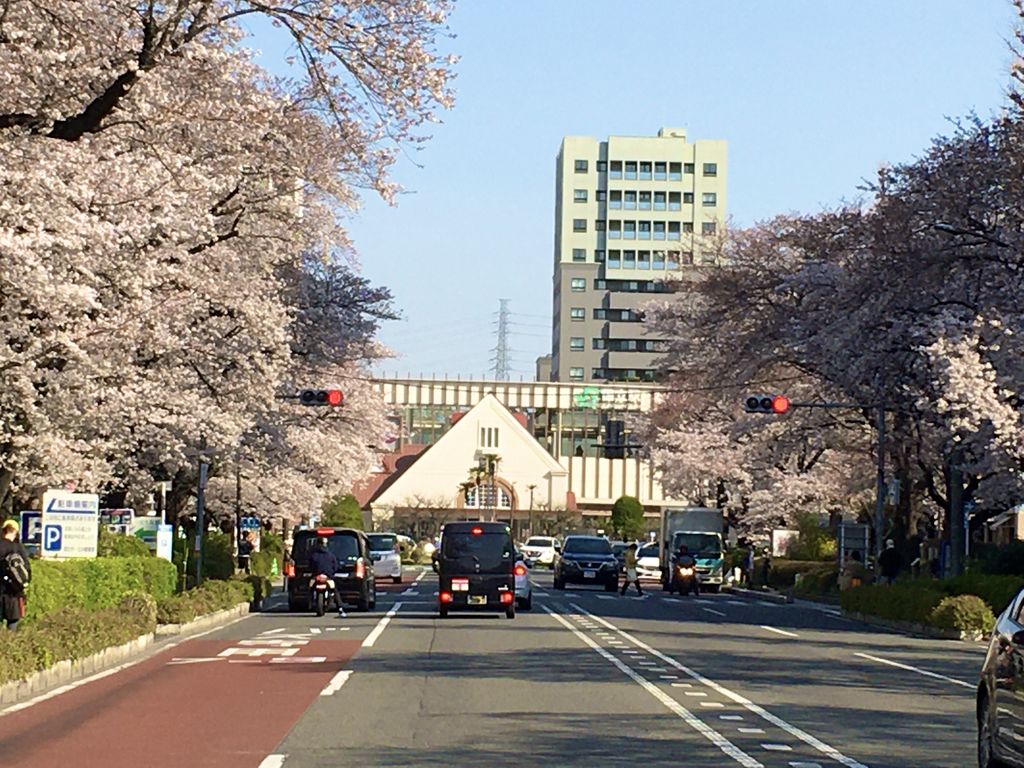
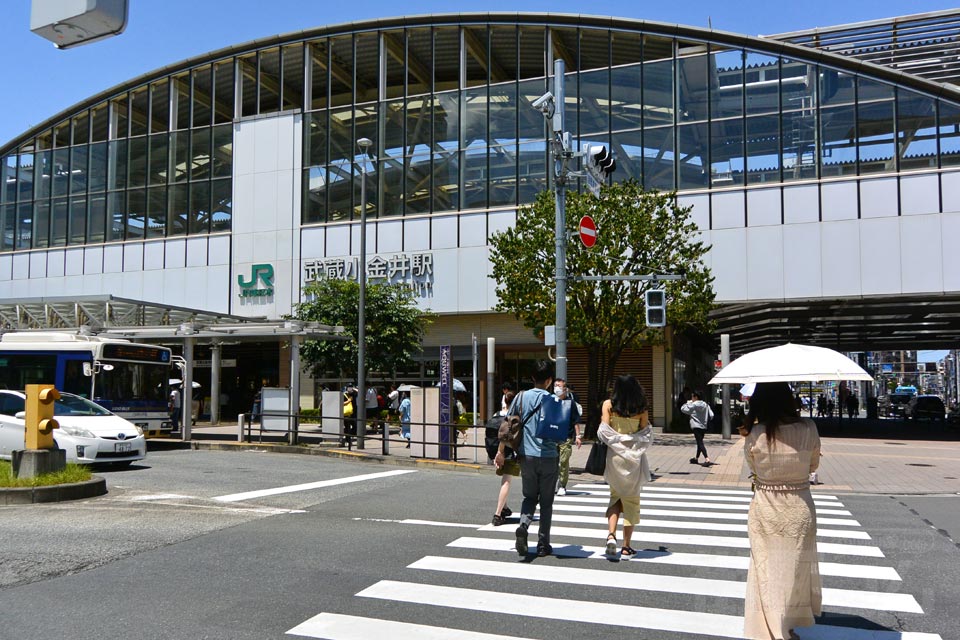
Musashi-Koganei is a station on the JR Chuo Line, served by Rapid and Local services, about 25 minutes to Shinjuku and around 40 minutes to Tokyo.
At night, standing in the station plaza, taxi headlights and the steady flow of people returning home cross quietly.
The essence of this station is reducing living density while keeping the city within reach.
There is no overwhelming entertainment zone, so even near the station, the pressure of the city feels lighter.
Living here means accepting a slightly longer commute, but gaining a clear sense of relief when you return home.
2 Area Characteristics
Musashi-Koganei is a redeveloped residential-centered city.
Both the north and south sides of the station are organized with a mix of towers and practical commercial facilities.
During the day, you see strollers and students; in the evening, office workers; and at night, a quiet return-home flow.
The defining trait is the absence of extremes—not as intense as Shinjuku, not as quiet as the outskirts.
That balance stabilizes the resident population and keeps the atmosphere from becoming chaotic.
Living here naturally shifts your mindset from “where to go out” to “just heading home.”
3 Safety and Night Atmosphere
Safety here is relatively stable for the Chuo Line.
The main reason is the lack of a large nightlife district, which keeps nighttime crowds low.
After 10 PM, you notice more people heading home than gathering.
Even around the station, loud behavior or conflicts are rare, making it comfortable even for solo walkers.
Living here reduces the mental tension of being outside at night, which directly improves daily comfort.
4 Rent Prices
Rent in Musashi-Koganei sits at a mid-to-slightly-lower range on the Chuo Line.
- Studio / 1K: ¥65,000–¥90,000
- 1LDK: ¥100,000–¥140,000
- 2LDK+: ¥140,000–¥200,000
New towers near the station are higher, but prices drop noticeably within a 5–10 minute walk.
This structure allows flexibility in choosing between convenience and cost.
Living here means maintaining comfort without paying central Tokyo premiums.
5 Shopping Environment
Around the station, facilities like Ito-Yokado and nonowa cover most daily needs.
At night, you see people quietly heading home with grocery bags.
For special shopping, you may go to Kichijoji or Shinjuku, but daily life is mostly self-contained.
Living here reduces unnecessary movement, saving both time and energy.
6 Medical Access
Medical access is well developed, with many clinics clustered near the station and larger hospitals nearby.
During the day, you often see elderly residents and families waiting, reflecting the area’s stable demographic.
Living here reduces anxiety around illness, as healthcare is easily accessible.
7 Local Restaurants
Local dining here focuses on daily usability rather than flashiness.
Shunsai Shubo Dan
Cuisine: Japanese
Price: ¥1,000–¥3,000
https://www.google.com/search?q=旬菜酒房+だん+武蔵小金井
A quiet space where regulars eat alone after work.
Over time, it becomes part of your personal routine.
Koganei Taishoken
Cuisine: Tsukemen
Price: ¥800–¥1,200
https://www.google.com/search?q=小金井+大勝軒
There is always a steady line at the counter.
It naturally becomes a stop on your way home.
8 Ramen
Menya Sho Musashi-Koganei
Style: Soy sauce ramen
Price: ¥800–¥1,000
https://www.google.com/search?q=麺屋+翔+武蔵小金井
Customers quietly eat and leave.
It blends into everyday life as a reliable option.
Men-dokoro Bigiya Musashi-Koganei
Style: Soy sauce ramen
Price: ¥900–¥1,200
https://www.google.com/search?q=びぎ屋+武蔵小金井
Not flashy, but consistently satisfying.
It becomes your “usual place” without realizing it.
9 Character of the Lines
The Chuo Line is a major east-west corridor connecting Tokyo’s core to its residential belt.
Morning trains toward central Tokyo are heavily crowded, while evenings bring a steady return flow.
Musashi-Koganei is served by both Rapid (快速) and Local (各駅停車) trains.
Rapid trains stop here, allowing faster access to major hubs like Shinjuku and Tokyo, while Local trains give access to smaller stations and more flexible movement.
Late at night, the platform grows quieter, and train intervals feel more spaced.
Because Rapid services stop here, the station offers a strong balance between commuting efficiency and residential calm.
The ability to choose between Rapid and Local trains also lets you adjust your commute depending on crowd levels and timing.
Living here means your commute is manageable but not effortless.
However, the quiet environment you return to offsets that fatigue.
Over time, this contrast between movement and stillness becomes part of your daily rhythm.
10 Access to Major Stations
- Shinjuku: ~25 min (last train around 00:30 / taxi ~¥9,000)
- Tokyo: ~40 min (last train around 00:00 / taxi ~¥14,000)
- Kichijoji: ~10 min (last train around 01:00 / taxi ~¥2,500)
11 Shrines, Parks, Cultural Spots
Koganei Shrine
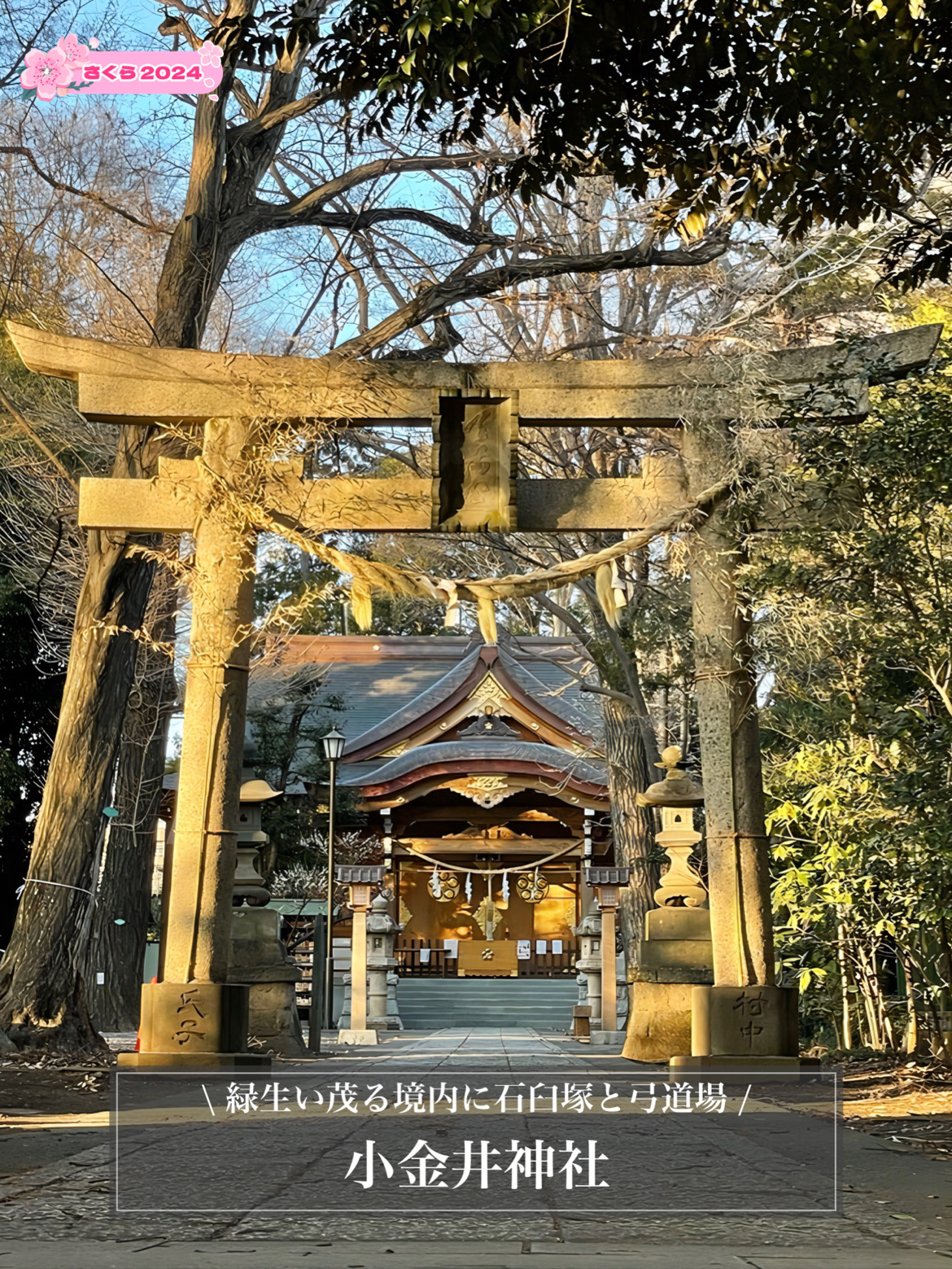
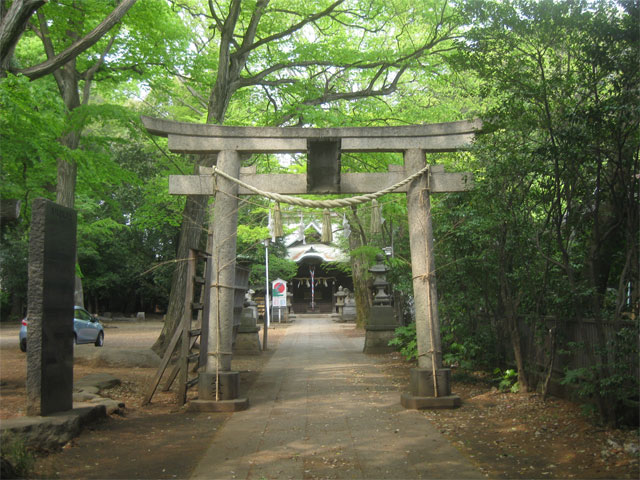
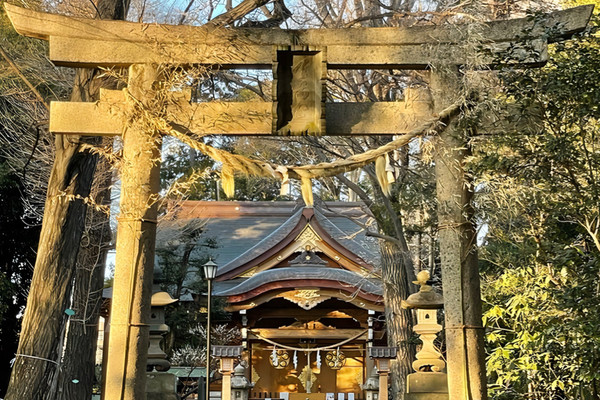
A quiet shrine within walking distance, surrounded by trees.
At certain times, only the sound of wind passing through leaves can be heard.
Visiting here naturally slows your pace of life.
Koganei Park
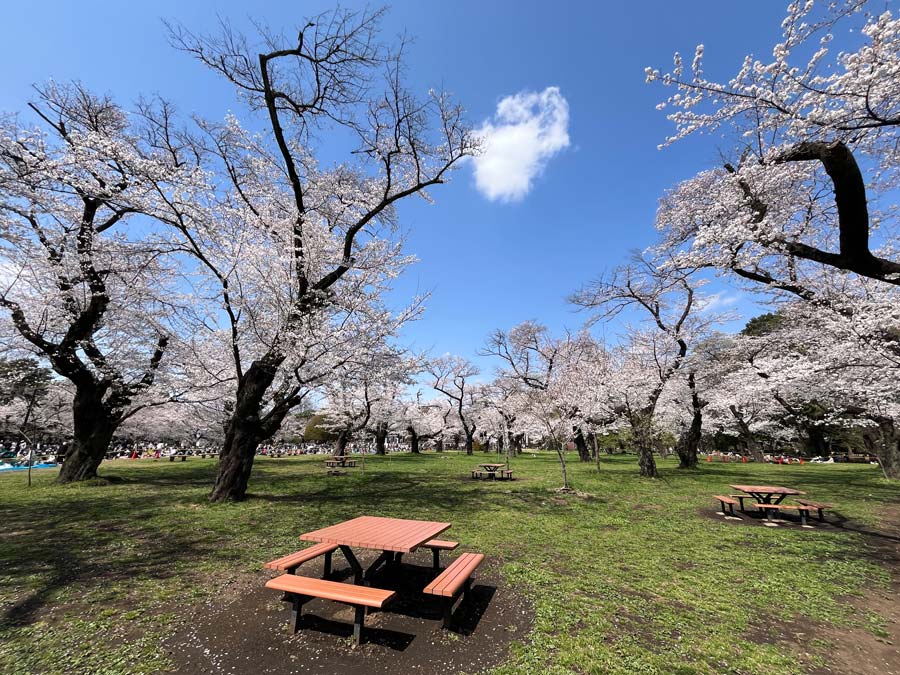
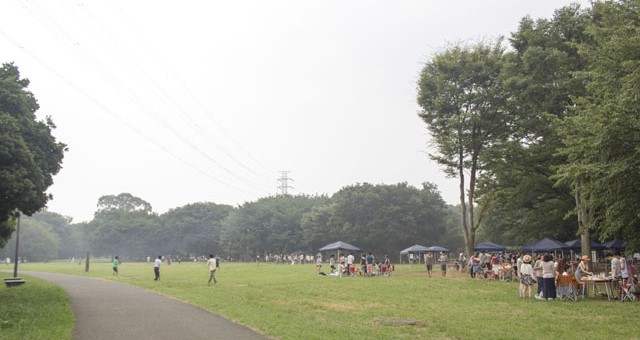

One of the largest parks in Tokyo, used for jogging, picnics, and barbecues.
On weekends, families and students blend into a relaxed crowd.
Living here allows for doing nothing on purpose, which becomes a luxury.
12 Disaster Risk
The ground in this area is relatively stable, but not risk-free.
Older wooden housing zones still carry fire risk, and some dense residential areas may complicate evacuation routes.
Walking through narrow streets at night reveals tightly packed homes.
Living here requires knowing evacuation paths and nearby wide roads in advance.
Preparedness directly affects survival during emergencies.
13 Advantages and Disadvantages
Advantages
- Stable safety → lower daily stress
- Balanced rent and environment → suitable for long-term living
- Large park nearby → adds space and flexibility to life
Disadvantages
- Distance from central Tokyo → commuting fatigue
- Limited entertainment → requires travel
- Chuo Line congestion → unavoidable morning stress
14 Who It Suits
- People seeking a calm lifestyle
- Families
- Those who want to avoid noise and chaos
It is not suitable for those who want nightlife or constant stimulation.
Living here means choosing stability over excitement.
15 Summary
Musashi-Koganei is a place to stabilize your life.
Morning: commute into the city
Day: work
Night: return to quiet surroundings
Weekends are spent in Koganei Park, doing very little.
Spring brings cherry blossoms, summer deep greenery, and winter clear air.
It is not flashy, but the longer you stay, the more it fits.
People who live here choose stability.
Those seeking speed or intensity will feel out of place.
This is a place where life is quietly built over time.