- In One Sentence
- 1 Basic Information
- Kokubunji Station
- 2 Area Characteristics
- 3 Safety and Night Atmosphere
- 4 Rent Prices
- 5 Shopping Environment
- 6 Medical Access
- 7 Local Restaurants
- 8 Ramen
- 9 Character of the Lines
- 10 Access to Major Stations
- 11 Shrines, Parks, Cultural Spots
- Musashi Kokubunji Area
- Tonogayato Garden
- 12 Disaster Risk
- 13 Advantages and Disadvantages
- 14 Who It Suits
- 15 Summary
In One Sentence
The moment you want both convenience and livability on the Chuo Line, this station becomes a real option.
Even at night, the flow of people never fully stops, yet it never turns chaotic—it blends into daily life.
Living here means movement becomes part of your routine, not a burden.
1 Basic Information
Kokubunji Station
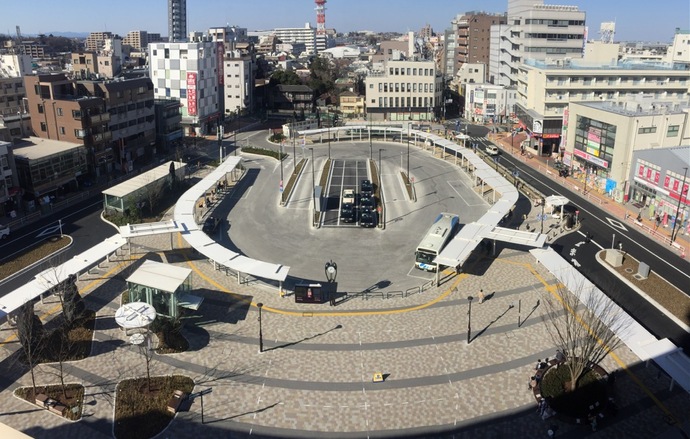
Kokubunji is a major station on the JR Chuo Line, served by Rapid, Local, and Commuter Rapid / Special Rapid trains.
It also connects to the Seibu Kokubunji Line and Seibu Tamako Line, functioning as a multi-line hub.
At night, waves of people move with each arriving train, then quietly disperse.
The essence of this station is a transfer point where living and movement intersect.
It gathers both people and routes, creating flexibility in daily life.
Living here significantly expands your mobility options.
2 Area Characteristics
Kokubunji is a city where convenience and residential calm coexist but remain structurally separated.
The station area is compact and active, while just a short walk leads into quiet neighborhoods.
During the day, students and shoppers fill the streets; in the evening, commuters take over.
This layered structure creates both liveliness and stability.
Compared to Musashi-Koganei, the density is higher, but it never reaches the overwhelming pressure of central Tokyo.
Living here gives you a choice—go out or stay in—without compromise.
3 Safety and Night Atmosphere
Safety is generally stable, though the nighttime presence is slightly stronger than in quieter neighboring stations.
Restaurants and bars keep some activity alive late into the night.
Near the last train, commuters and light nightlife crowds mix, but serious trouble is rare.
Living here means experiencing controlled activity rather than complete silence, which still feels secure.
4 Rent Prices
Rent in Kokubunji sits at a mid-to-slightly-higher range along the Chuo Line.
- Studio / 1K: ¥70,000–¥100,000
- 1LDK: ¥110,000–¥160,000
- 2LDK+: ¥150,000–¥220,000
Prices are higher near the station but become more reasonable within a 10-minute walk.
The cost reflects its convenience and connectivity.
Living here means paying more, but gaining time efficiency in return.
5 Shopping Environment
Station-connected facilities like Celeo and Marui cover most daily and lifestyle needs.
At night, store lights and the steady flow of people move in sync.
Daily shopping is almost entirely completed within the station area.
Living here removes the need for “extra trips” just to maintain daily life.
6 Medical Access
Medical facilities are well distributed, with many clinics near the station and access to larger hospitals.
During the day, elderly residents and families move between appointments, reinforcing the area’s residential stability.
Living here reduces anxiety around healthcare access.
7 Local Restaurants
Shioda (Tonkatsu)
Cuisine: Tonkatsu
Price: ¥1,000–¥2,000
https://www.google.com/search?q=とんかつ+しお田+国分寺
There is often a line even during the day.
Waiting here becomes part of the local rhythm.
Kikuya (Soba)
Cuisine: Soba
Price: ¥800–¥1,500
https://www.google.com/search?q=手打ちそば+きくや+国分寺
A quiet place where you can reset your pace.
It becomes a personal retreat within your routine.
8 Ramen
Mutahiro Kokubunji
Style: Niboshi ramen
Price: ¥800–¥1,200
https://www.google.com/search?q=ムタヒロ+国分寺
A distinctive flavor that attracts repeat visitors.
It naturally becomes part of your post-work routine.
Aoba Kokubunji
Style: Classic ramen
Price: ¥800–¥1,100
https://www.google.com/search?q=青葉+国分寺
Consistent and reliable, with many regulars.
Before long, it becomes your default choice.
9 Character of the Lines
The Chuo Line is a primary east-west corridor that defines daily movement across Tokyo.
Morning trains toward central Tokyo reach peak congestion, while evenings bring a steady reverse flow.
Kokubunji Station is served by Rapid, Local, and Commuter Rapid / Special Rapid trains.
Using faster services significantly reduces travel time to major hubs like Shinjuku and Tokyo.
In addition, connections to the Seibu Kokubunji Line and Tamako Line provide alternative routes beyond the Chuo Line.
At night, standing on the platform, you can feel how different train types change the flow of people.
This station enables choice in movement rather than a single commuting path.
Living here turns commuting into something you can partially control—
not just endure.
10 Access to Major Stations
- Shinjuku: ~20 min (last train around 00:30 / taxi ~¥8,000)
- Tokyo: ~35 min (last train around 00:10 / taxi ~¥13,000)
- Tachikawa: ~10 min (last train around 01:00 / taxi ~¥2,500)
11 Shrines, Parks, Cultural Spots
Musashi Kokubunji Area
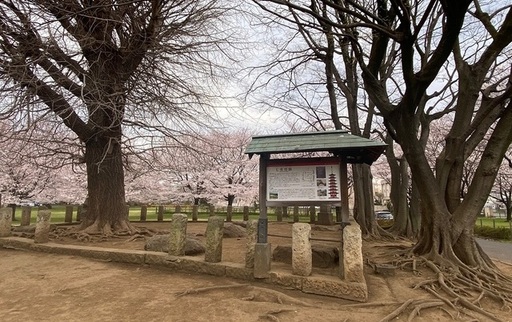
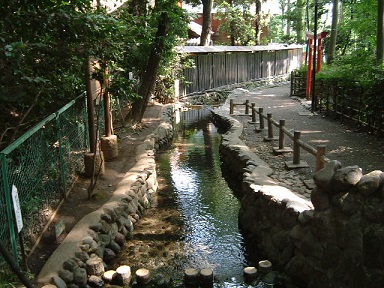
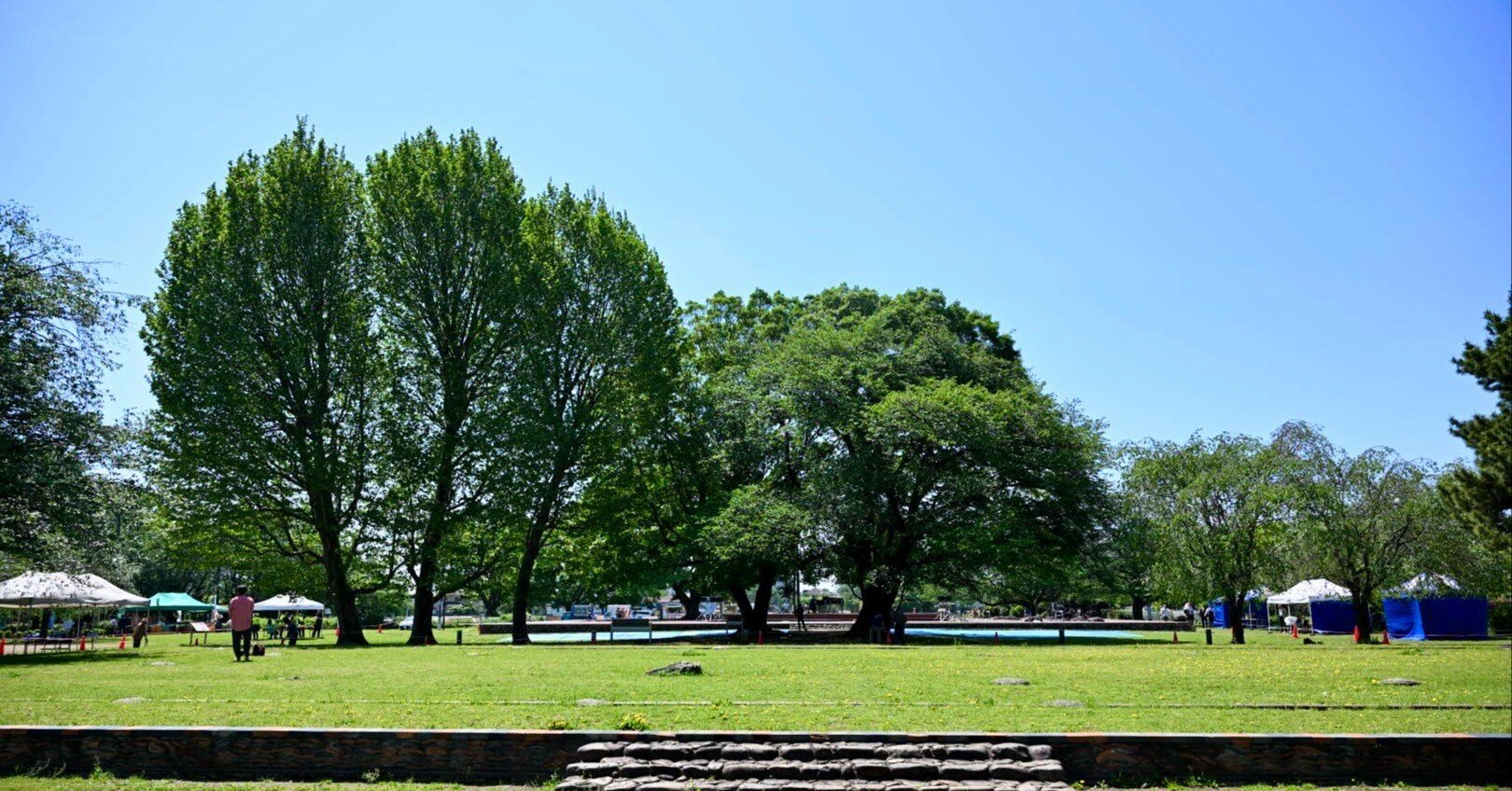
A historic area where nature and ruins coexist.
You can hear water flowing and leaves moving quietly.
Being here separates you from the pace of the city.
Tonogayato Garden

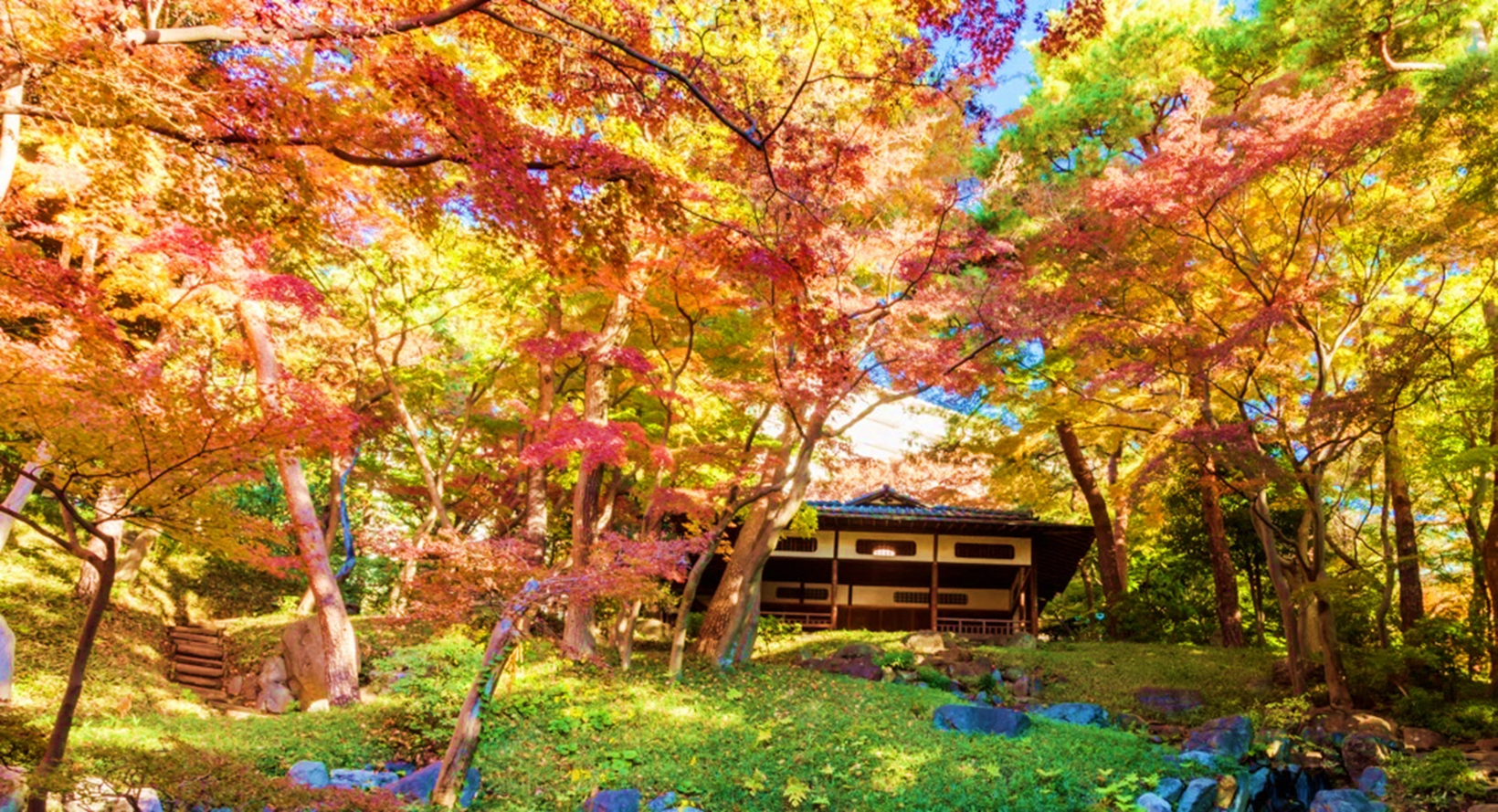
A peaceful garden just minutes from the station.
Seasonal changes are clearly visible, especially in autumn.
Many visitors come here simply to slow down.
Living here gives you access to a nearby place to reset.
12 Disaster Risk
The ground is relatively stable, but some areas have elevation differences due to the Kokubunji escarpment.
Dense residential zones carry fire risk, and station areas may become crowded during evacuation.
At night, narrow streets reveal tightly packed housing.
Living here requires understanding evacuation routes and elevation changes in advance.
Preparedness directly impacts safety.
13 Advantages and Disadvantages
Advantages
- Special Rapid stops → shorter commute times
- Multiple line connections → high mobility
- Concentrated station functions → efficient daily life
Disadvantages
- Slightly higher rent
- Higher foot traffic
- Not completely quiet
14 Who It Suits
- People seeking both convenience and livability
- Commuters who want to reduce travel time
- Those comfortable with moderate activity levels
It may not suit those seeking complete silence.
Living here means actively using convenience as part of daily life.
15 Summary
Kokubunji is a complete living hub where movement and life meet.
Morning: take a faster train into the city
Day: work
Night: return to a controlled, active environment
Weekends can be spent in gardens or nature, restoring balance.
Spring brings greenery and blossoms, autumn deep colors.
People who live here choose both efficiency and breathing space.
It is not extreme in any direction—
but that balance is exactly what makes it sustainable.