- In One Line
- 1 Basic Information
- 2 Area Characteristics
- 3 Safety and Night Atmosphere
- 4 Rent Prices
- 5 Shopping Environment
- 6 Medical Facilities
- 7 Local Restaurants (Multicultural)
- 8 Ramen
- 9 Train Lines and Connectivity
- 10 Access to Major Stations
- 11 Shrine, Park, and Culture
- 12 Disaster Risk
- 13 Pros and Cons
- 14 Who This Area Is For
- 15 Conclusion
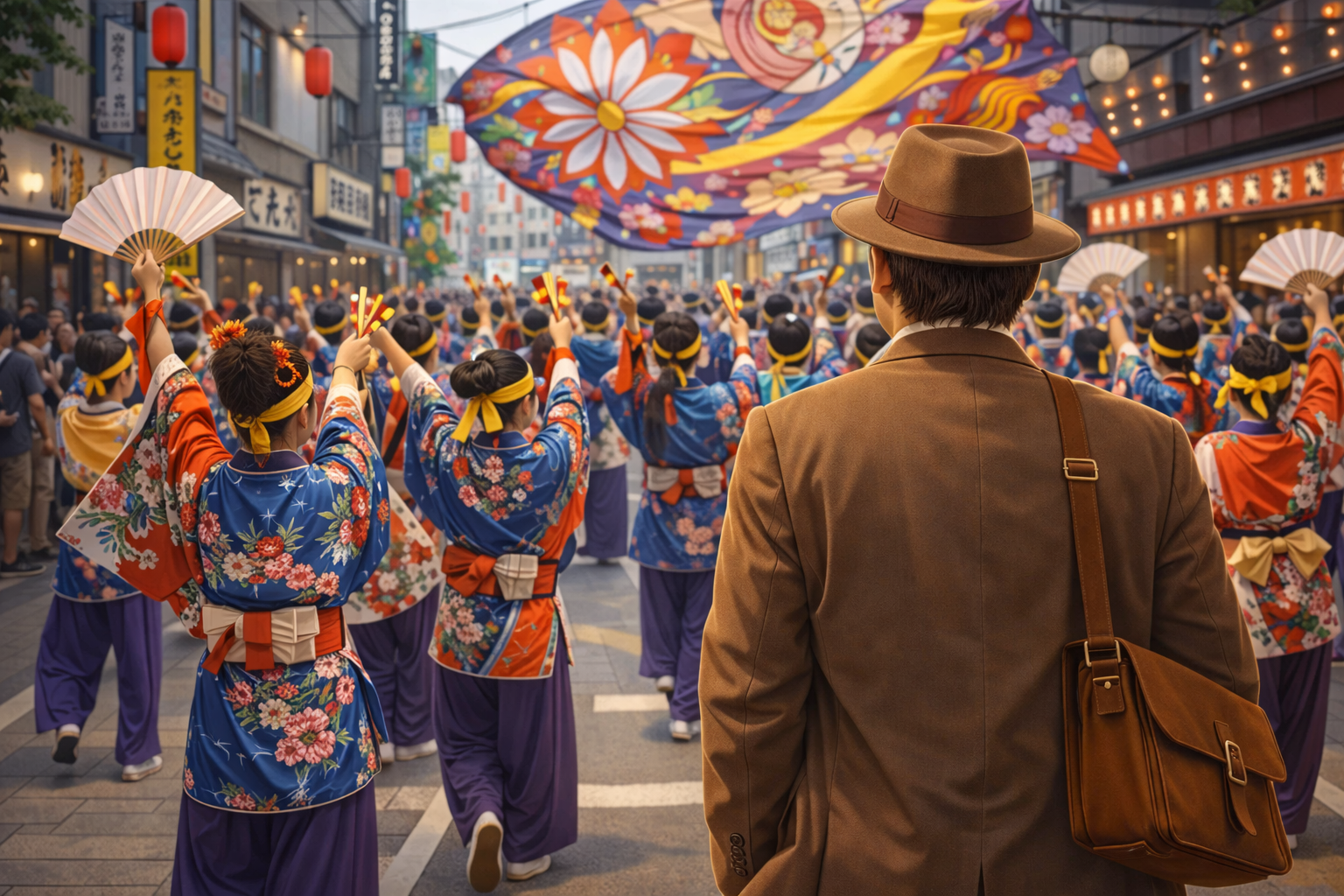
In One Line
Koenji is a place where only people who truly like it choose to stay.
Vintage clothing, messy bars, live music, multicultural food, and festivals all exist side by side.
Living here shifts your focus from convenience to living based on your own taste.
1 Basic Information
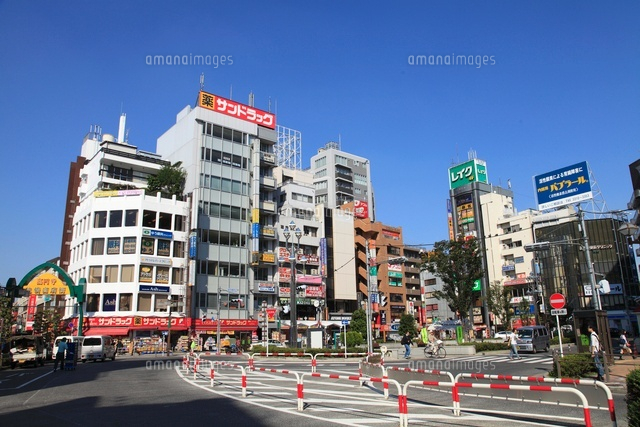
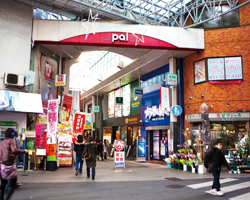

Koenji Station is served by the JR Chuo Line and Chuo-Sobu Line, with about 10 minutes to Shinjuku.
Despite this strong access, the station area lacks the tension of major terminals.
In the morning, the station is busy, but the pace feels relaxed.
Living here allows you to commute efficiently without losing your personal rhythm.
2 Area Characteristics
Koenji is a place where culture and daily life are not separated.
The streets are filled with vintage clothing shops, small independent stores, live houses, and unique restaurants.
Chain stores are fewer, and individuality defines the area.
Korean cuisine and other international food options are common, making the area feel globally mixed despite its local roots.
During the day, the atmosphere is calm and loose.
At night, lights increase and the streets become more active.
Living here means using the city based on your interests rather than following a fixed lifestyle.
3 Safety and Night Atmosphere
Koenji is not dangerous, but it is undeniably chaotic.
Older bars and small izakaya line the streets, and not all places are polished or clean.
However, this roughness is part of the area’s identity.
At night, voices, music, and light spill into the narrow streets.
Living here means accepting a lively, human presence rather than complete silence.
4 Rent Prices
Koenji remains relatively affordable within the Chuo Line area.
Studios and 1K apartments typically range from ¥90,000 to ¥110,000.
Compared to Nakano or Kichijoji, it still feels accessible, though demand continues to rise.
Moving slightly away from the station reveals quieter residential areas.
Living here becomes a balance between culture and cost.
5 Shopping Environment
Koenji has a decentralized shopping style.
Rather than large malls, it relies on shopping streets and small local stores.
You rarely do one large shopping trip—instead, you pick things up gradually.
Walking through the streets often leads to spontaneous purchases.
Living here turns shopping into part of your daily routine rather than a task.
6 Medical Facilities
Koenji offers basic medical access, but not specialization.
Clinics are available around the station, while larger hospitals are found in nearby areas.
Thanks to easy train access, healthcare remains manageable.
During the day, clinics operate at a calm pace.
Living here means using the city when necessary rather than relying on everything locally.
7 Local Restaurants (Multicultural)
Koenji’s food scene is diverse and unstructured.
Korean restaurants (Koenji area)
- Genre: Korean cuisine
- Price Range: ¥1,000–¥2,500
- Google: https://www.google.com/search?q=高円寺 韓国料理
Small, independent Korean restaurants are scattered throughout the area.
You end up choosing meals based on mood rather than habit.
Clonbo (Curry)
- Genre: Curry
- Price Range: ¥1,000–¥1,500
- Google: https://www.google.com/search?q=クロンボ 高円寺
A long-standing local shop with a strong Koenji atmosphere.
Places like this make the area feel like home.
Daiichi Market area bars
- Genre: Izakaya / Multicultural
- Price Range: ¥1,500–¥3,000
- Google: https://www.google.com/search?q=高円寺 大一市場
Messy, old, and full of character.
You begin choosing places based on comfort rather than appearance.
8 Ramen
Koenji’s ramen scene reflects its individuality.
Ramen Kenta
- Genre: Ramen
- Price Range: ¥900–¥1,200
- Google: https://www.google.com/search?q=ラーメン健太 高円寺
Simple but addictive, supported by locals.
It becomes part of your everyday routine.
Jagura (Koenji)
- Genre: Miso ramen
- Price Range: ¥900–¥1,200
- Google: https://www.google.com/search?q=じゃぐら 高円寺
Rich flavors that pair well with Koenji’s nightlife.
Late-night meals complete the rhythm of living here.
9 Train Lines and Connectivity
Koenji offers straightforward access along the Chuo Line.
It connects easily to both central Tokyo and western areas.
However, some rapid trains skip the station, making the Sobu Line useful at times.
On the platform, people move at different speeds, reflecting the area itself.
Living here encourages a less rushed approach to movement.
10 Access to Major Stations
- Shinjuku Station: ~10 min (last train ~00:10) taxi ~¥3,000
- Tokyo Station: ~25 min (last train ~23:50) taxi ~¥5,000
- Ikebukuro Station: ~20 min (last train ~23:50) taxi ~¥4,000
- Shibuya Station: ~20 min (last train ~00:00) taxi ~¥4,000
Shinjuku’s proximity makes both work and leisure accessible.
Living here keeps the city within reach without overwhelming you.
11 Shrine, Park, and Culture


Koenji Hikawa Shrine offers a quiet contrast to the busy streets.
It provides a place to reset within a highly active environment.
Inside, the noise fades noticeably.
Living here gives you access to both energy and calm.
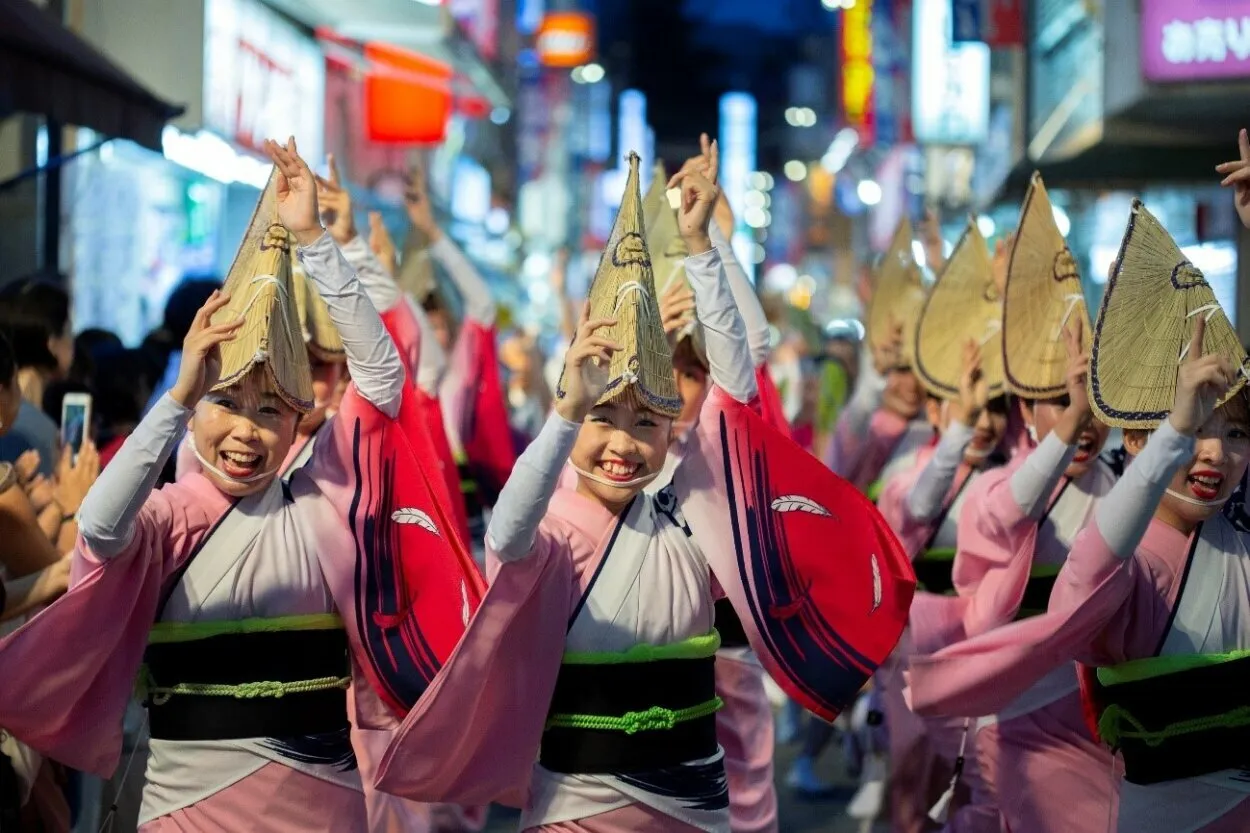

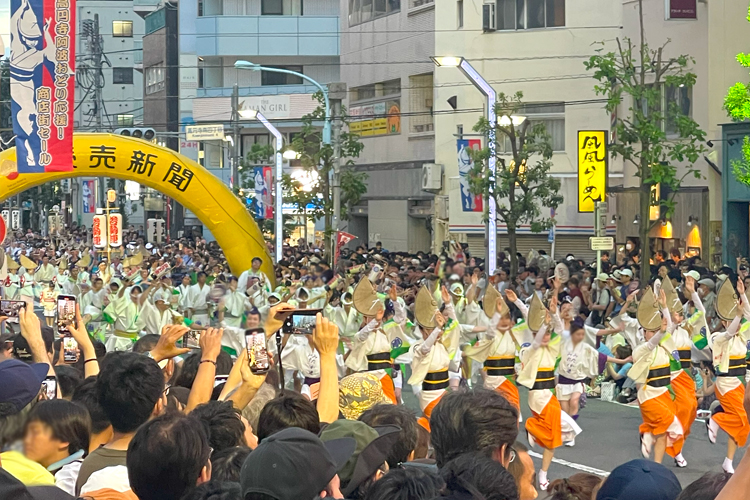
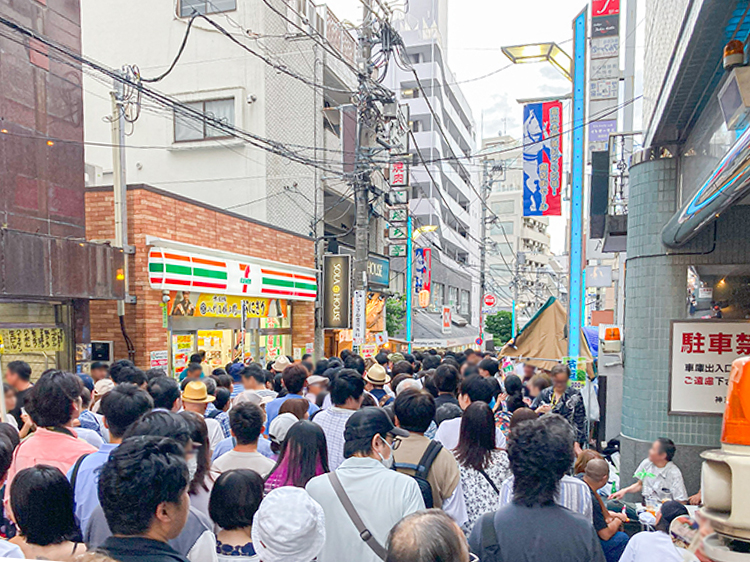
Koenji is also known for its strong festival culture.
Events like Awa Odori and Yosakoi transform the entire area into a shared, high-energy space.
The same streets that feel personal and scattered become unified and intense during festivals.
Living here means experiencing both everyday individuality and collective excitement.
12 Disaster Risk
Koenji retains many older urban structures.
Narrow streets and wooden buildings in some areas increase fire spread risk.
While the station area is developed, residential zones vary significantly.
Walking at night makes these differences clear.
Living here requires awareness of neighborhood-specific conditions.
13 Pros and Cons
Pros
- Strong individuality
→ Perfect if it matches your taste - Relatively affordable
→ Good balance within the Chuo Line - Multicultural food options
→ Variety keeps daily life interesting
Cons
- Messy and chaotic
→ Not for everyone - Few large facilities
→ Less suited for bulk shopping - Quietness depends on location
→ Careful area selection needed
14 Who This Area Is For
Koenji is for people who want to build their life around what they love.
Vintage fashion, music, nightlife, and multicultural food all define the experience.
It does not suit those seeking uniformity or polished environments.
Your reaction to its streets at night—exciting or exhausting—will determine compatibility.
Living here clarifies what you truly value.
15 Conclusion
Koenji is a place where disorder becomes identity.
Vintage shops, bars, international food, live music, and festivals all exist independently, yet somehow form a cohesive environment.
Mornings are relaxed, days are flexible, and nights grow dense with activity.
Spring invites exploration, summer brings intense festivals, and winter highlights the glow of small streets.
Living here shifts your focus from convenience to personal preference.