- In One Line
- 1 Basic Information
- 2 Area Characteristics
- 3 Safety and Night Atmosphere
- 4 Rent Prices
- 5 Shopping Environment
- 6 Medical Facilities
- 7 Local Restaurants
- 8 Ramen
- 9 Train Lines and Connectivity
- 10 Access to Major Stations
- 11 Shrine, Park, and Culture
- 12 Disaster Risk
- 13 Pros and Cons
- 14 Who This Area Is For
- 15 Conclusion
In One Line
Kanda is a place where you trade quiet comfort for time efficiency in the center of Tokyo.
At night, laughter lingers under the railway tracks, and in the morning, silent waves of office workers move straight into the station.
Living here means structuring your life not around calmness, but around saving time.
1 Basic Information

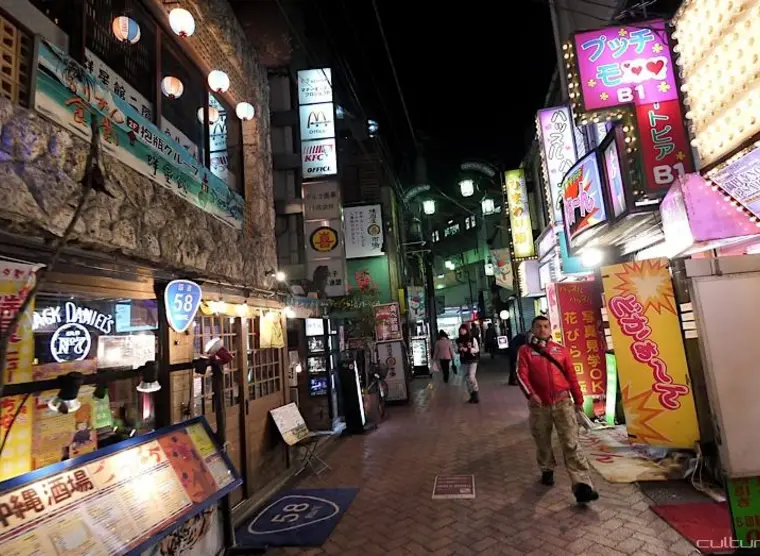

Kanda Station is a compact hub that maximizes commuting efficiency right next to Tokyo Station.
With the JR Yamanote Line, Chuo Line, and Keihin-Tohoku Line, movement across Tokyo is direct and fast.
At around 7:30 AM, people flow through the ticket gates with almost no hesitation.
Living here turns commuting into a routine task rather than a burden, giving your day a lighter start.
2 Area Characteristics
Kanda is a district where daytime and nighttime roles are completely separated, and this structure defines daily life.
During the day, it functions as a dense business area filled with offices. At lunch, the streets become crowded. At night, people gather under the railway tracks, transforming the area into a post-work social zone.
The east side is packed with bars and older buildings, creating a dense and lively night atmosphere. The west side is more office-oriented and calmer, making it easier to build a stable daily routine.
After 6 PM, people stop moving and begin to gather instead.
Where you choose to live—east or west—directly affects your lifestyle and stress level.
3 Safety and Night Atmosphere
Kanda is generally safe, but the nighttime intensity is high, especially in certain areas.
While serious crime is not common, the east side sees more noise, drunk pedestrians, and street congestion late at night.
Even after 11 PM, voices and laughter continue under the tracks.
Choosing a quieter residential pocket, especially toward the west or slightly away from the station, can significantly improve sleep quality.
4 Rent Prices
Kanda offers relatively reasonable rent for central Tokyo, but options are limited.
Studio and 1K apartments typically range from ¥100,000 to ¥130,000 per month. However, the number of residential properties is small, so good listings are taken quickly.
Some apartments are converted office buildings, which can mean unique layouts or weaker sound insulation.
At night, residential streets become noticeably quiet.
Your apartment choice will strongly shape your comfort level here.
5 Shopping Environment
Kanda provides basic daily shopping, but it is not particularly strong.
There are convenience stores and small supermarkets, but few large retail options. Many residents rely on nearby areas like Akihabara or Tokyo Station for bigger shopping trips.
Around 9 PM, many people stop at convenience stores on their way home.
Daily life here often means buying only what you need on the way back.
6 Medical Facilities
Kanda has strong access to everyday healthcare but relies on nearby areas for major hospitals.
Clinics for general care and dentistry are common and easy to visit after work. Larger hospitals are found in areas like Ochanomizu or Nihonbashi.
During lunch hours, office workers line up at clinics.
Living here makes routine healthcare efficient, but serious treatment requires short travel.
7 Local Restaurants
Kanda is a place where eating out can easily become the center of daily life.
Kanda Matsuya
- Genre: Soba
- Price Range: ¥1,000–¥2,000
- Google: https://www.google.com/search?q=Kanda+Matsuya
- The aroma of soba drifts outside as people line up during lunch.
- Weekend lunches naturally turn into relaxed, slow-paced meals.
Mimasuya
- Genre: Izakaya
- Price Range: ¥2,000–¥4,000
- Google: https://www.google.com/search?q=Mimasuya+Kanda
- The wooden interior creaks as conversations fill the space.
- It becomes a regular place to mark the end of your workday.
Budousha
- Genre: Curry
- Price Range: ¥1,000–¥1,500
- Google: https://www.google.com/search?q=Budousha+Kanda
- The smell of spices pulls you in from the street.
- Even on busy days, meals here reset your mind.
8 Ramen
Kanda has a fast-paced ramen culture built into everyday routines.
Kanda Ramen Wise
- Genre: Iekei (rich pork soy sauce ramen)
- Price Range: ¥800–¥1,200
- Google: https://www.google.com/search?q=Kanda+Ramen+Wise
- The strong aroma pulls in people after work.
- A quick bowl before heading home becomes part of your routine.
Menko Ushio
- Genre: Salt ramen
- Price Range: ¥900–¥1,500
- Google: https://www.google.com/search?q=Menko+Ushio+Kanda
- The quiet atmosphere lets you focus on the meal.
- It creates a calm moment within a busy day.
9 Train Lines and Connectivity
Kanda is a station where commuting stress is almost eliminated.
The Yamanote Line connects to major Tokyo hubs, the Chuo Line runs west, and the Keihin-Tohoku Line connects north and south.
On the platform, people split smoothly depending on their destination.
Living here means rarely worrying about how to get somewhere.
10 Access to Major Stations
- Tokyo Station: ~2 min (last train around 00:30) taxi ~¥800
- Shinjuku Station: ~15 min (last train around 00:10) taxi ~¥4,500
- Shinagawa Station: ~10 min (last train around 00:20) taxi ~¥2,500
- Ueno Station: ~5 min (last train around 00:25) taxi ~¥1,200
Even after missing the last train, returning home is realistic by taxi.
This reduces the pressure of time in daily life.
11 Shrine, Park, and Culture
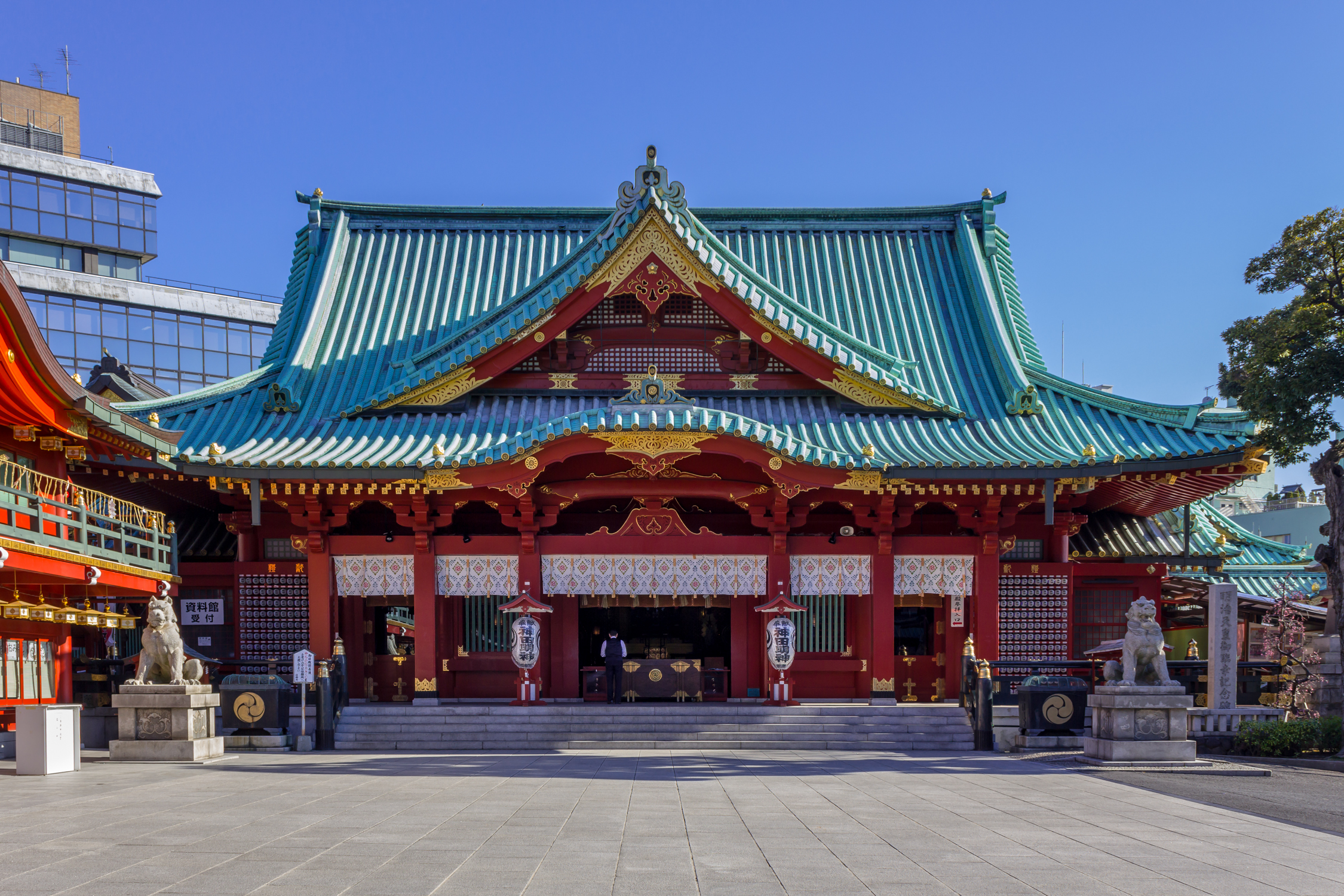

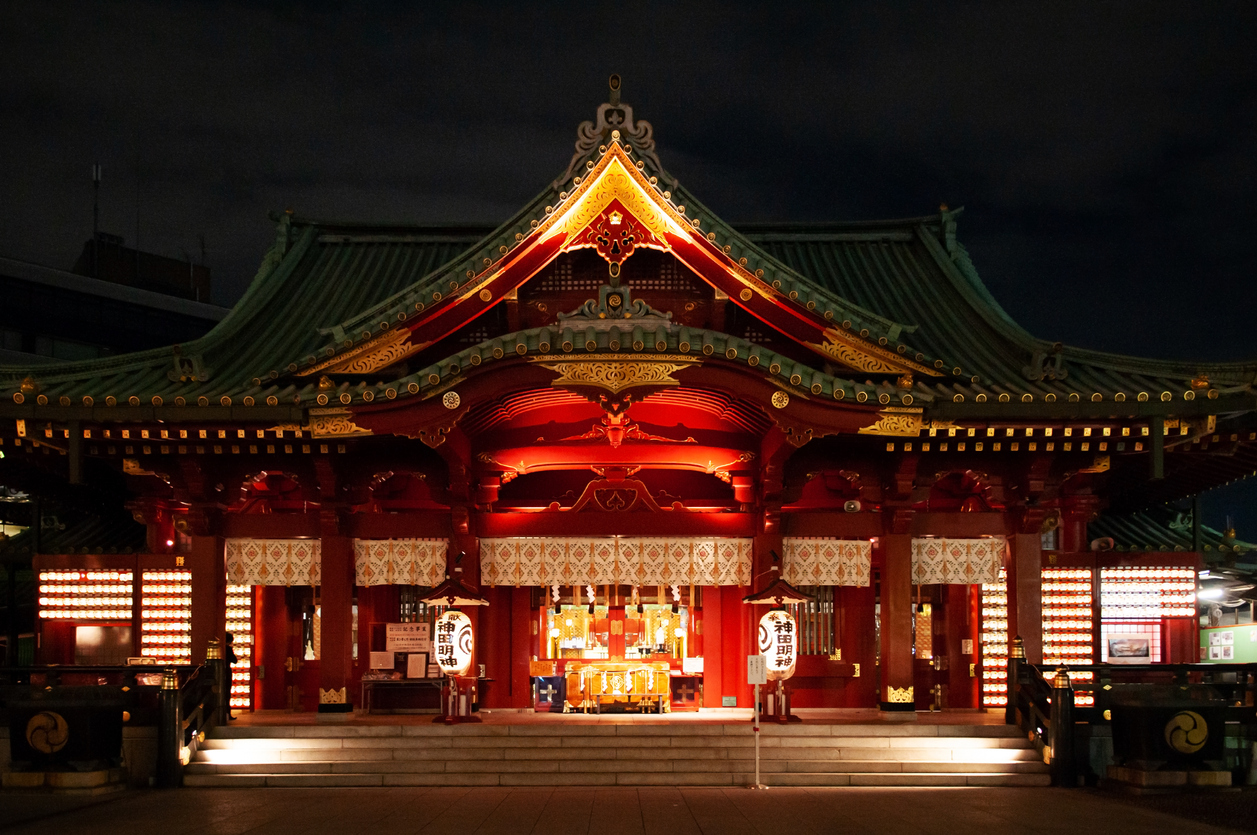
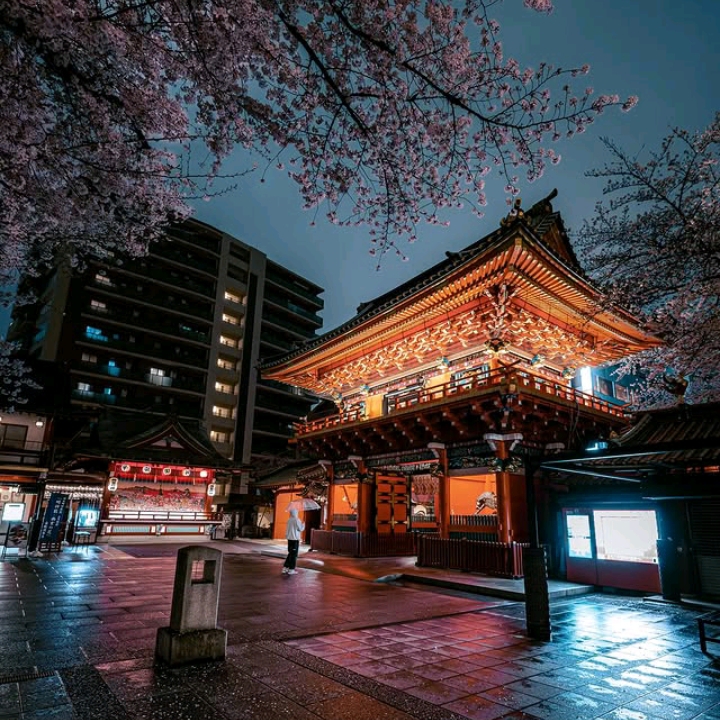
Kanda blends business with history.
Kanda Myojin Shrine is within walking distance and is known for business success and prosperity.
Inside the shrine, the noise of the city fades noticeably.
Living here gives you a place to mentally reset within a busy routine.
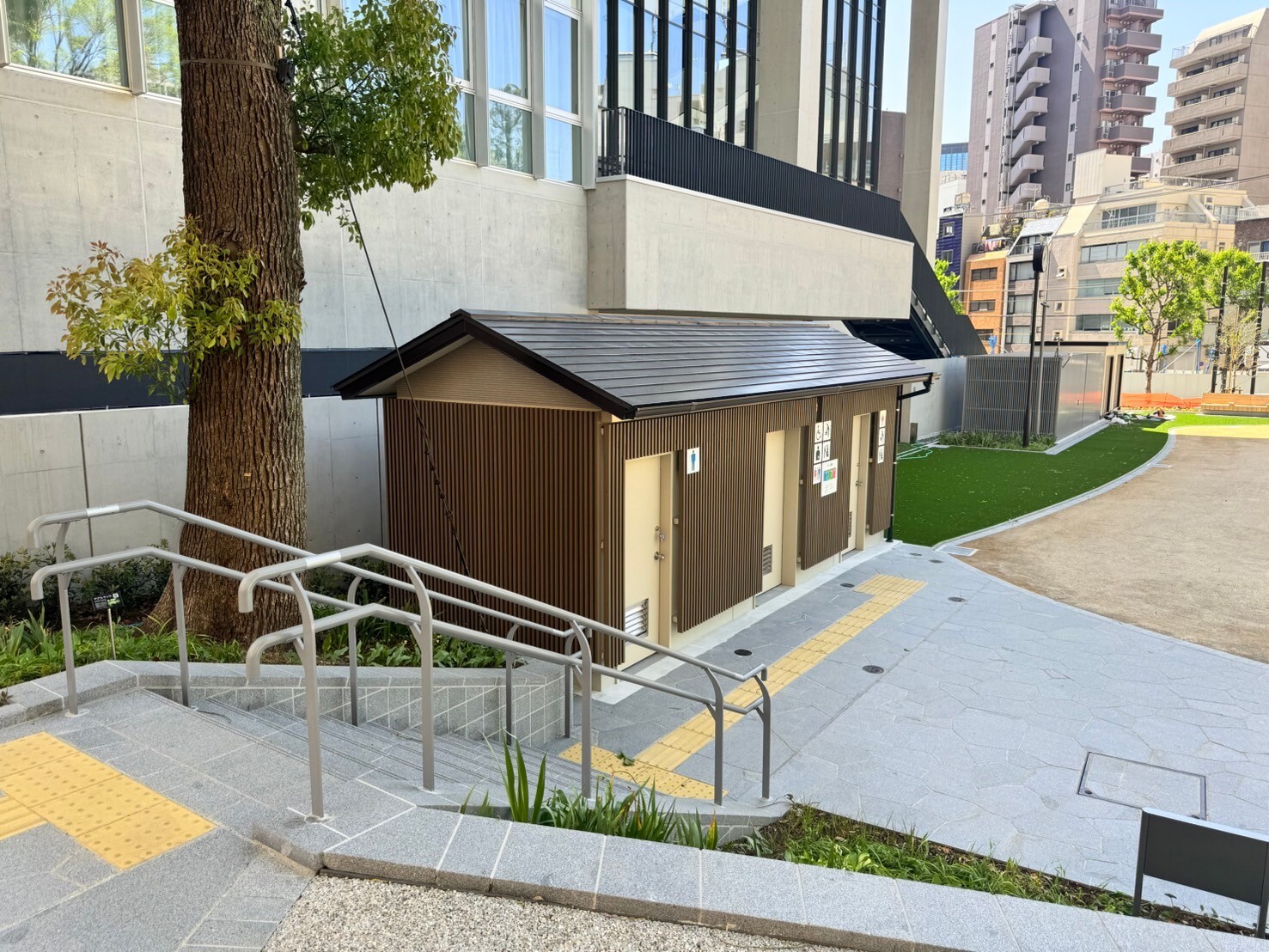


Small parks like Kinka Park provide brief moments of rest.
They are not large green spaces, but they serve as functional breaks in daily life.
During lunch, office workers sit quietly on benches.
These short pauses become part of your routine.
12 Disaster Risk
Kanda carries typical risks of older central Tokyo districts.
The ground is relatively stable, but in heavy rain, drainage capacity can be tested in lower areas.
Fire risk is a key concern, especially in zones with older buildings and tightly packed structures. Areas under the railway tracks are particularly vulnerable to spreading fires.
Narrow streets can limit evacuation routes.
At night, some alleys become crowded and tight.
Living here means balancing convenience with awareness of these risks.
13 Pros and Cons
Pros
- Extremely short commuting time
→ More free time in the morning and evening - Strong dining environment
→ You can rely on eating out daily - Relatively affordable for central Tokyo
→ Good balance of cost and location
Cons
- Nighttime noise
→ May affect sleep depending on location - Limited shopping options
→ Requires planning for groceries - Few residential properties
→ Limited choice when apartment hunting
14 Who This Area Is For
Kanda is best suited for single professionals who prioritize time efficiency.
If your goal is to minimize commuting and rely on dining out, this area works very well.
It is less suitable for families or those seeking quiet, spacious living environments.
If you are comfortable with the fast pace of the city, Kanda fits naturally.
Living here means organizing your life around time rather than space.
15 Conclusion
Kanda is a place where life is optimized for efficiency in central Tokyo.
You can wake up later, commute in minutes, eat nearby, and return home without stress.
On weekdays, movement is smooth and efficient. On weekends, choosing quieter hours allows for a more relaxed pace.
Spring brings a softer atmosphere around Kanda Myojin, summer energizes the nightlife, and winter slightly calms the flow of people.
This is not a place for quiet suburban living.
It is a place for those who choose to maximize time and accept trade-offs in comfort.