- In one sentence
- 1 Basic Information
- 2 Area Characteristics
- 3 Safety and Night Atmosphere
- 4 Rent Prices
- 5 Shopping Environment
- 6 Medical Facilities
- 7 Local Restaurants
- 8 Ramen
- 9 Train Line Character
- 10 Access to Major Stations
- 11 Shrine, Park, Culture
- Meiji Shrine
- Yoyogi Park
- 12 Disaster Risk
- 13 Pros and Cons
- 14 Who It’s For
- 15 Summary
In one sentence
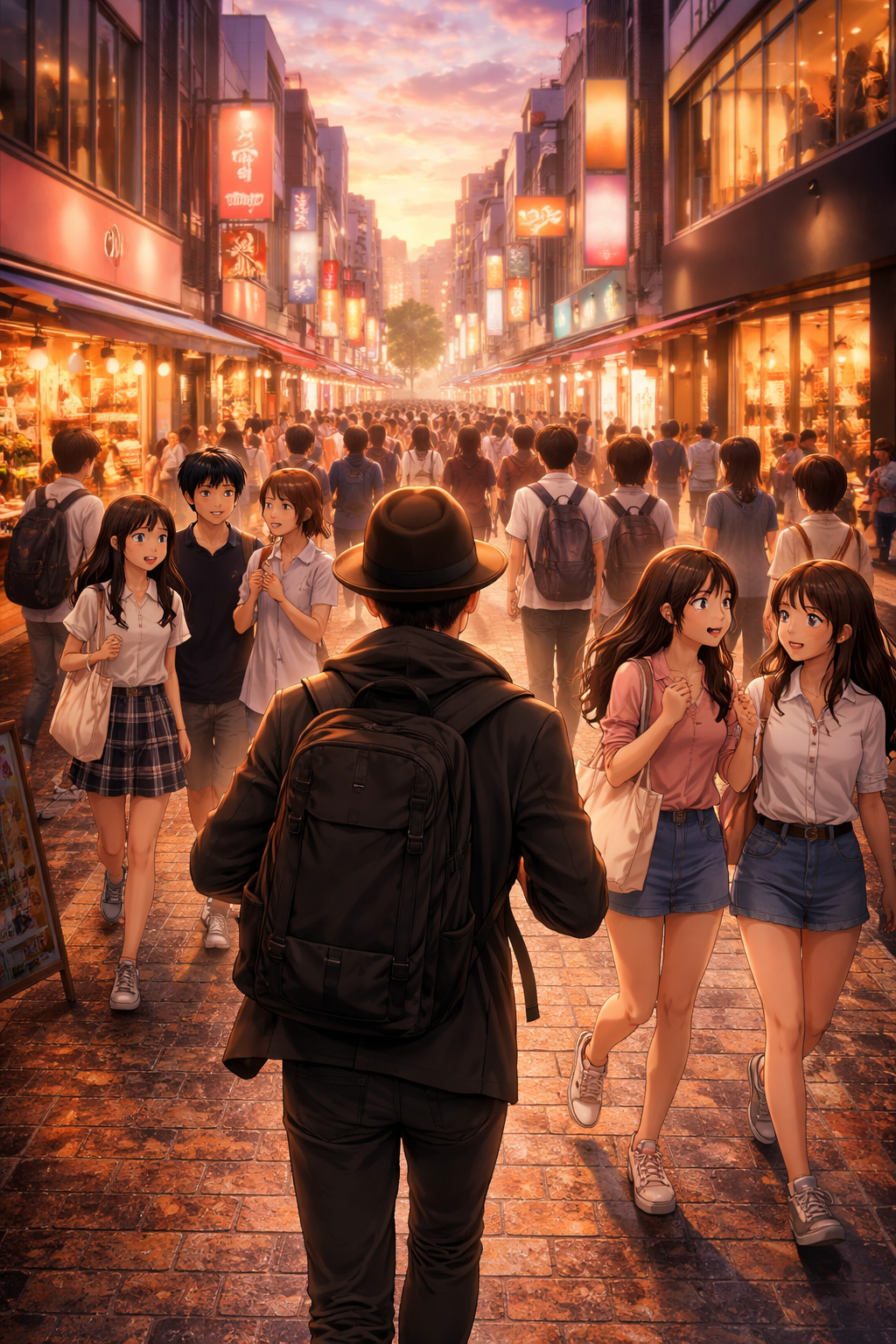
Harajuku is “a city of extremes, where youth culture and deep tranquility coexist.”
Within minutes, you move from the chaotic energy of Takeshita Street to the silence of Meiji Shrine, creating a daily life built on contrast.
At night, tourists fade and a calmer, more mature atmosphere quietly takes over.
1 Basic Information
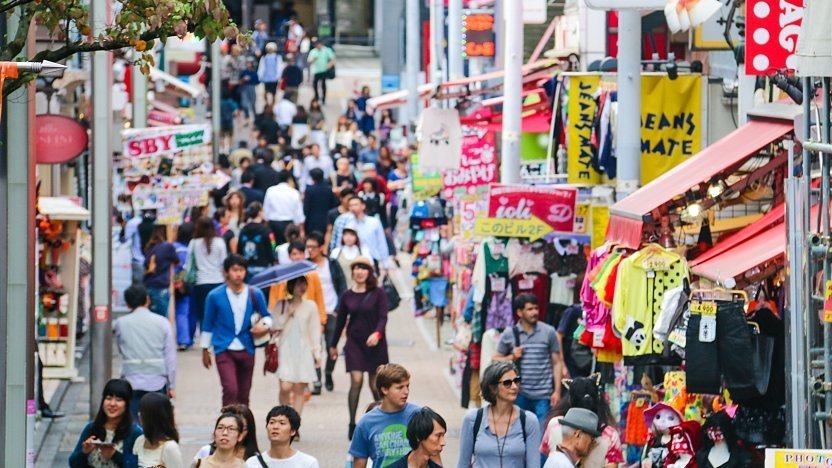

Conclusion: Harajuku is a “culture-specialized station unlike any other on the Yamanote Line.”
While weekday traffic is moderate, weekends explode with visitors, making it one of Tokyo’s most uneven-flow stations.
Mornings bring a mix of commuters and tourists, daytime is dominated by youth and international visitors, and nights become noticeably quieter.
Living impact: your lifestyle must adapt to the fact that the city completely changes depending on the day of the week.
Future outlook: redevelopment will likely deepen the divide between the “adult Omotesando side” and the “youth-focused Takeshita side.”
(The moment you step out of Takeshita Street and the noise suddenly disappears tells you everything about this city’s structure.)
2 Area Characteristics
Conclusion: Harajuku has “three distinct personalities,” and where you live defines your experience.
Takeshita area = youth and tourism
Omotesando area = luxury and sophistication
Meiji Shrine side = nature and silence
These coexist within walking distance, which is extremely rare in Tokyo.
Reason: the city evolved simultaneously as a youth culture hub, luxury district, and sacred space.
Local reality: choosing the wrong exit can mean either being stuck in crowds or walking through near-empty streets.
Living impact: rent, noise, and daily routes all depend heavily on your exact location.
Future: luxury development on the Omotesando side will likely push the area further toward a high-end lifestyle zone.
(The pressure of daytime crowds versus the calm of backstreets is something you physically feel every day.)
3 Safety and Night Atmosphere
Conclusion: Safety is “generally fine, but situational awareness is required.”
Petty crime like pickpocketing exists, and at night certain backstreets see more aggressive solicitation.
Reason: tourism, youth culture, and nightlife overlap in a compact area.
Local reality: when shops close, Takeshita Street empties quickly, but nearby alleys can feel unexpectedly tense.
Living impact: choosing safe routes home becomes part of daily behavior.
Future: increased surveillance will likely stabilize safety, but crowd-driven risks remain.
(The silence after the lights go out feels completely different from the daytime chaos.)
4 Rent Prices
Conclusion: Rent is “top-tier expensive, with sharp micro-location differences.”
Studios range roughly from ¥100,000 to ¥150,000+, with higher prices toward Omotesando.
Reason: brand value, location, and global demand.
Local reality: even within walking distance, rent differences of ¥20,000–¥30,000 are common.
Living impact: you must choose between convenience and cost.
Future: prices will likely remain high due to international demand.
(Foreign-language signage in apartment lobbies is now a normal sight.)
5 Shopping Environment
Conclusion: Daily shopping is “slightly inconvenient and requires planning.”
Large supermarkets are limited; convenience stores and small shops dominate.
Reason: the area prioritizes tourism and fashion over daily living infrastructure.
Local reality: many residents shop in Shibuya or nearby districts.
Living impact: bulk buying and online groceries become essential.
Future: minor improvements may happen, but it will never be a fully residential shopping area.
(At night, it’s hard to tell if you’re in a living area or a tourist zone.)
6 Medical Facilities
Conclusion: Healthcare is “basic but not comprehensive.”
Clinics exist, but major hospitals require travel to Shibuya or Shinjuku.
Living impact: most residents rely on facilities outside the area.
Future: unlikely to change significantly.
7 Local Restaurants
Conclusion: Behind the tourist image, there are “quiet, high-quality local spots.”
■ Mizuho
Genre: Japanese sweets
Price: under ¥1,000
https://www.google.com/search?q=瑞穂+原宿
Local: locals quietly line up for their famous daifuku.
Future: weekend mornings start with sweets before a walk to Meiji Shrine.
■ Le Refectoire
Genre: café / bakery
Price: ¥1,000–¥2,000
https://www.google.com/search?q=レフェクトワール+原宿
Local: hidden in the backstreets but often full.
Future: becomes your quiet escape for slow afternoons.
■ EAT RIPPLE
Genre: burger
Price: ¥1,000–¥2,000
https://www.google.com/search?q=EAT+RIPPLE+原宿
Local: more locals than tourists know this place.
Future: turns into your personal go-to after work.
8 Ramen
Conclusion: Harajuku ramen is “tourist-accessible but genuinely high quality.”
■ AFURI Harajuku
Genre: yuzu shio ramen
Price: ¥1,000–¥1,500
https://www.google.com/search?q=AFURI+原宿
Local: many foreigners, but the quality is consistent.
Future: becomes a light, reliable meal option.
9 Train Line Character
Conclusion: Even with just the Yamanote Line, it feels “exceptionally connected.”
Reason: proximity to Shibuya and Shinjuku.
Living impact: daily movement is flexible and low-stress.
Future: remains one of the strongest locations in Tokyo.
(Some people just walk to Shibuya—it’s that close.)
10 Access to Major Stations
Conclusion: Access is “short-distance and highly efficient.”
Shibuya: ~2 min (last train ~00:40 / taxi ~¥800)
Shinjuku: ~10 min (last train ~00:30 / taxi ~¥2,000)
Tokyo: ~25 min (last train ~00:10 / taxi ~¥4,000)
(Late-night travel stress is minimal due to proximity.)
11 Shrine, Park, Culture
Meiji Shrine


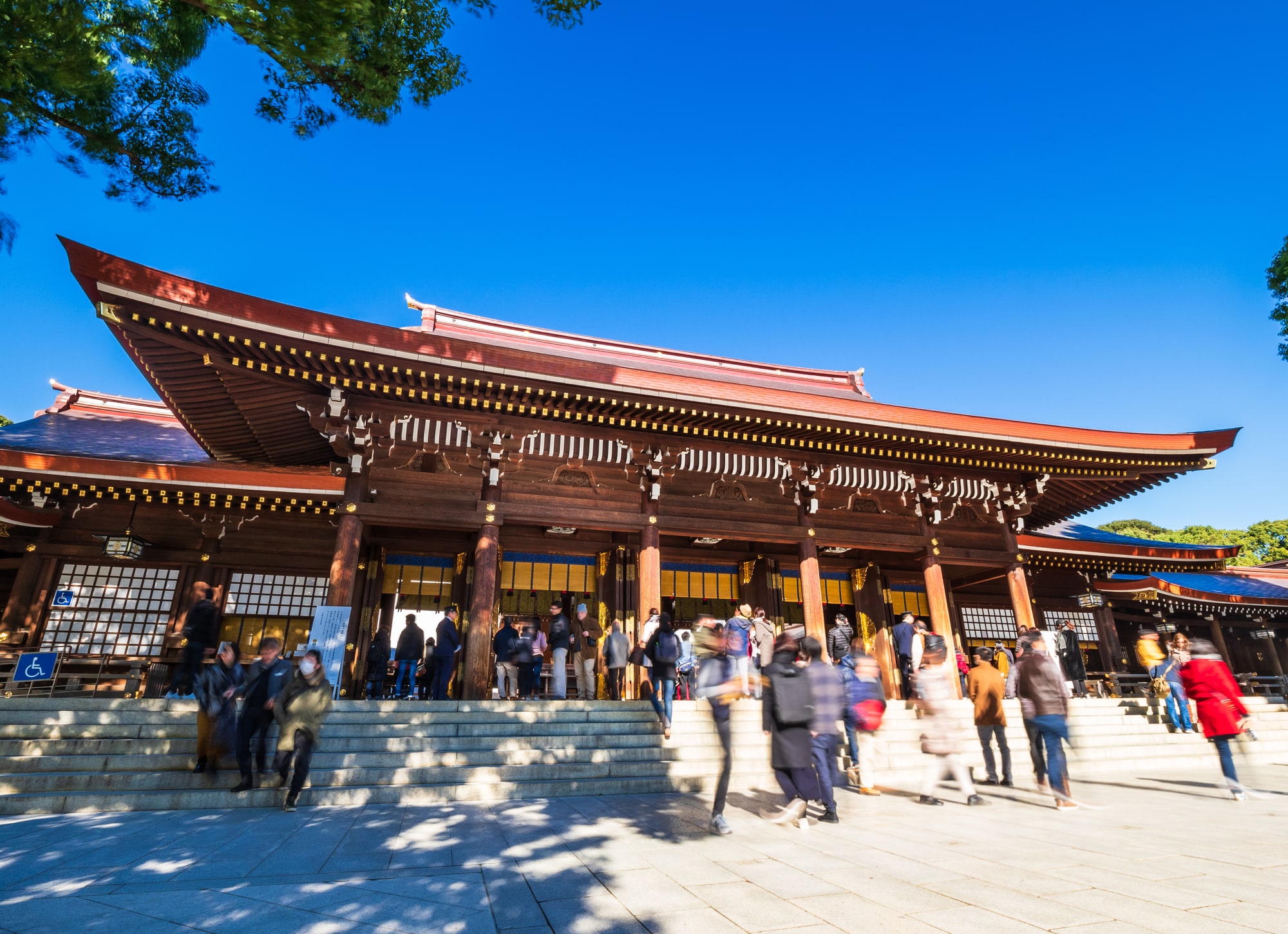
Conclusion: Real nature is embedded into daily life.
Local: morning air feels completely separate from the city.
Living impact: a place to mentally reset anytime.
Future: becomes a personal sanctuary.
Yoyogi Park
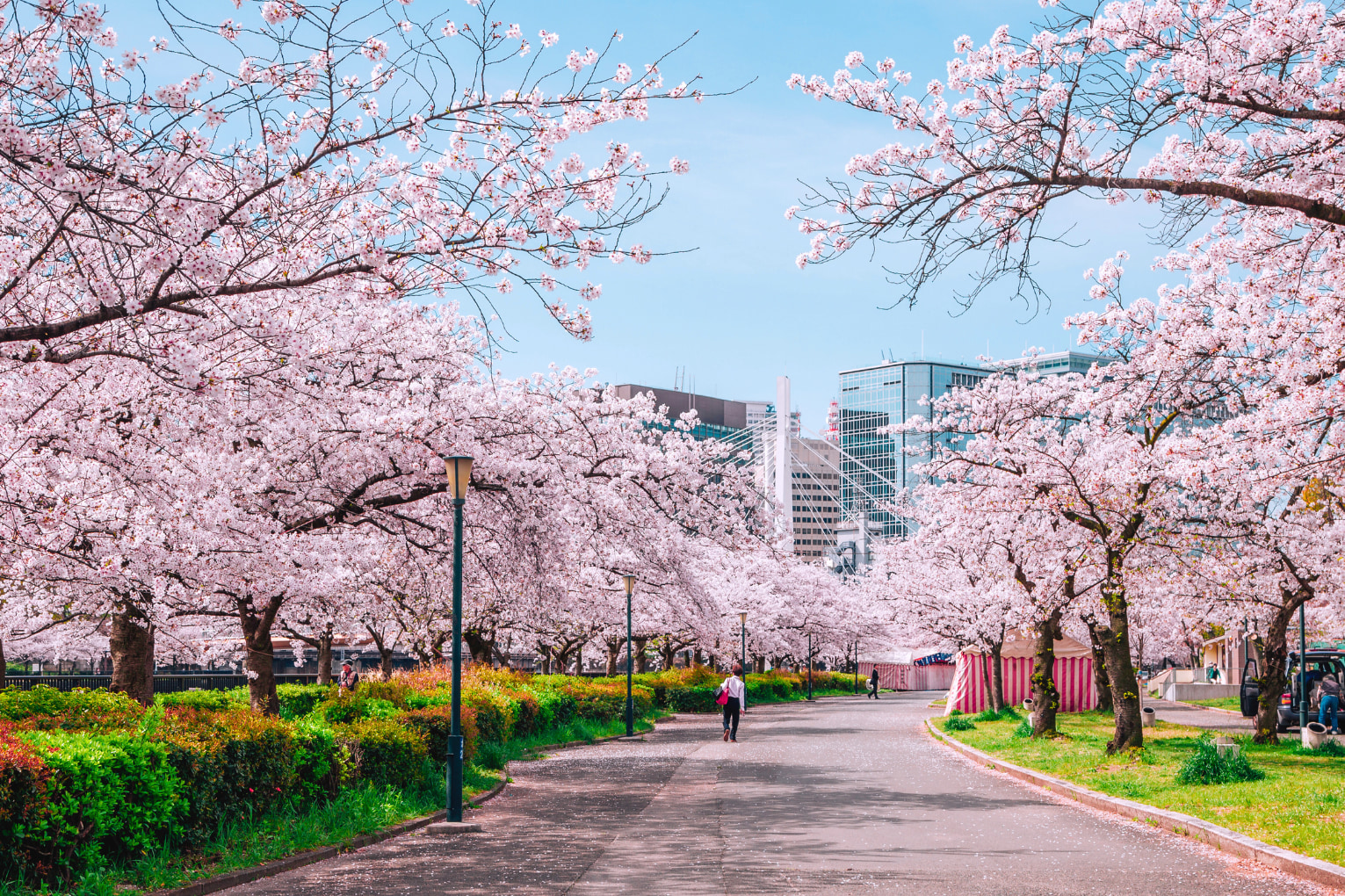
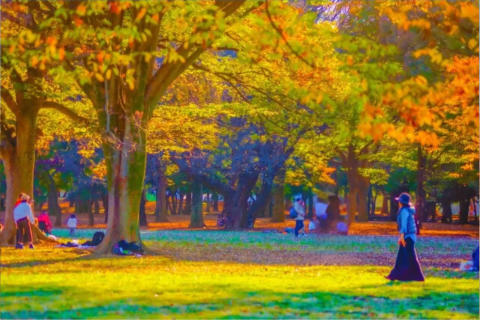
Conclusion: One of Tokyo’s most flexible and open parks.
Local: weekends feel international and vibrant.
Living impact: exercise, picnics, and relaxation become routine.
Future: significantly improves quality of life.
12 Disaster Risk
Conclusion: Risk is “moderate but manageable.”
Ground: stable
Flood: low
Fire: some risk in dense wooden areas
Evacuation: Yoyogi Park is a major refuge
Living impact: evacuation routes should be confirmed in advance.
(The biggest risk is overcrowding during emergencies.)
13 Pros and Cons
Pros
• Cultural center → stimulating lifestyle
• Excellent access → reduced travel stress
• Nature nearby → mental balance
Cons
• High rent → financial pressure
• Weekend crowds → disrupt daily life
• Limited shopping → requires planning
14 Who It’s For
Conclusion: Ideal for people who want both stimulation and calm.
Good fit
• creatives
• culture lovers
• urban lifestyle seekers
Not ideal
• those wanting quiet suburbs
• budget-focused living
(Enjoying constant change is the key to loving this area.)
15 Summary
Conclusion: Harajuku offers “one of the widest lifestyle ranges in Tokyo.”
Morning brings calm shrine walks, daytime brings energy and diversity, and night settles into a quieter rhythm.
Spring cherry blossoms, summer events, autumn colors, and winter lights all shape the experience.
Weekdays feel livable, weekends feel extraordinary.
For the right person, this duality becomes addictive.
(Step out of the crowd into a quiet street at night—that moment defines why people choose to live here.)
Check nearby Yamanote Line stations
← Shibuya Station Tokyo Living Guide | Harajuku Station | Yoyogi Station Tokyo Living Guide →