- Quick Take
- 1 Basic Information
- Hamamatsucho Station
- 2 Area Characteristics
- 3 Safety and Night Atmosphere
- 4 Rent Prices
- 5 Shopping Environment
- 6 Medical Facilities
- 7 Local Restaurants
- 8 Ramen
- 9 Train Lines and Connectivity
- 10 Access to Major Stations
- 11 Shrines, Parks, and Culture
- Zojoji Temple
- Shiba Park
- 12 Disaster Risk
- 13 Pros and Cons
- 14 Who It’s For
- 15 Summary
Quick Take
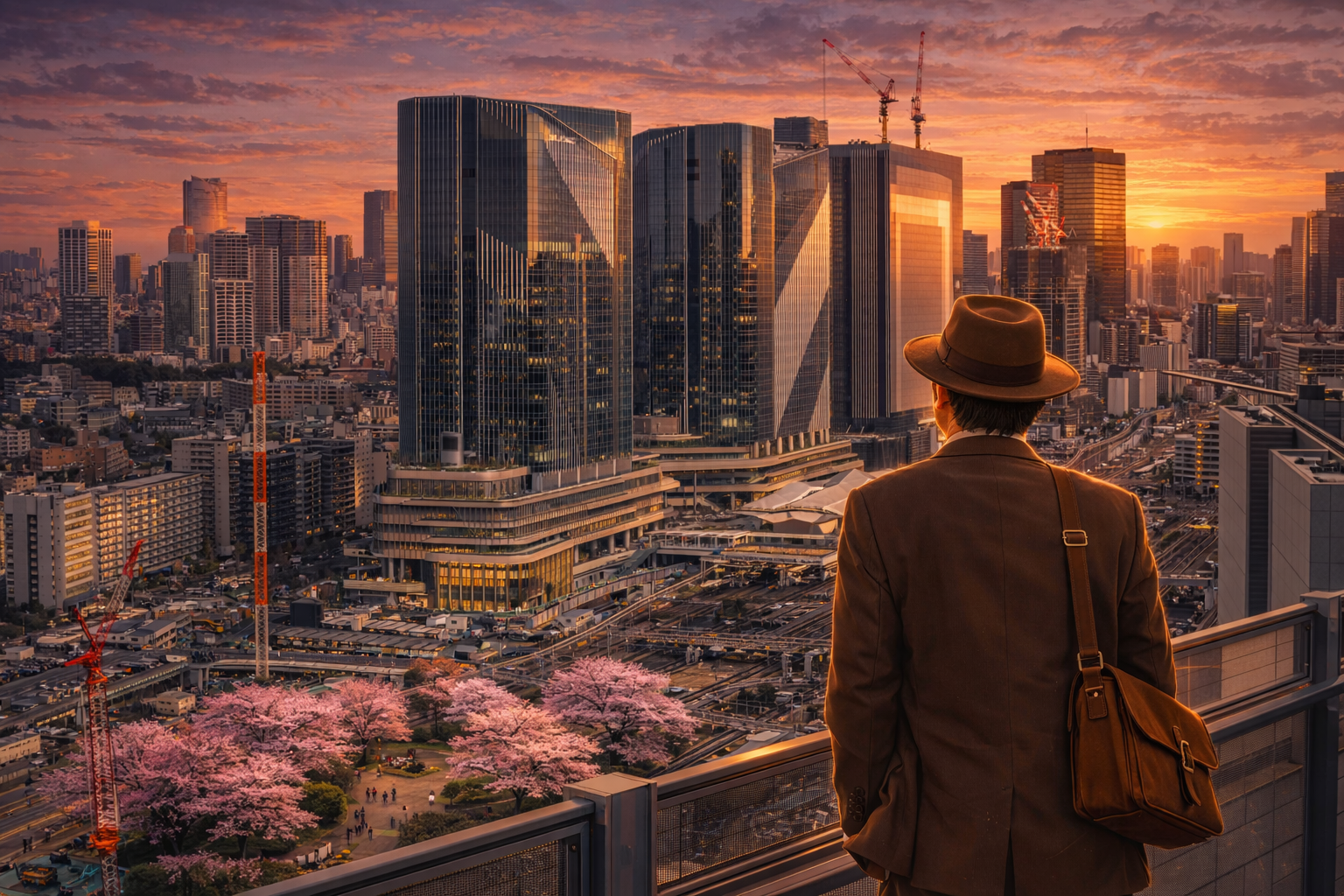
Hamamatsucho is a station where “working in central Tokyo and simply walking home” becomes a realistic lifestyle, with the quiet after-hours of salarymen lingering in the night air.
Around the station, business suits and foreign visitors blend together, but step one street away and it suddenly feels residential—that contrast is striking.
Living here makes the concept of “travel time” fade, turning the city into something you use efficiently.
1 Basic Information
Hamamatsucho Station
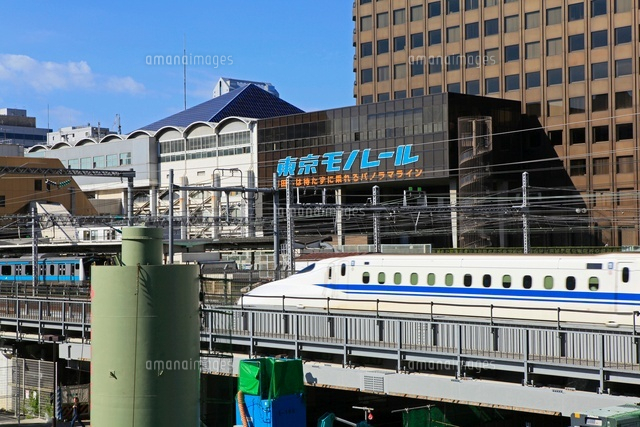

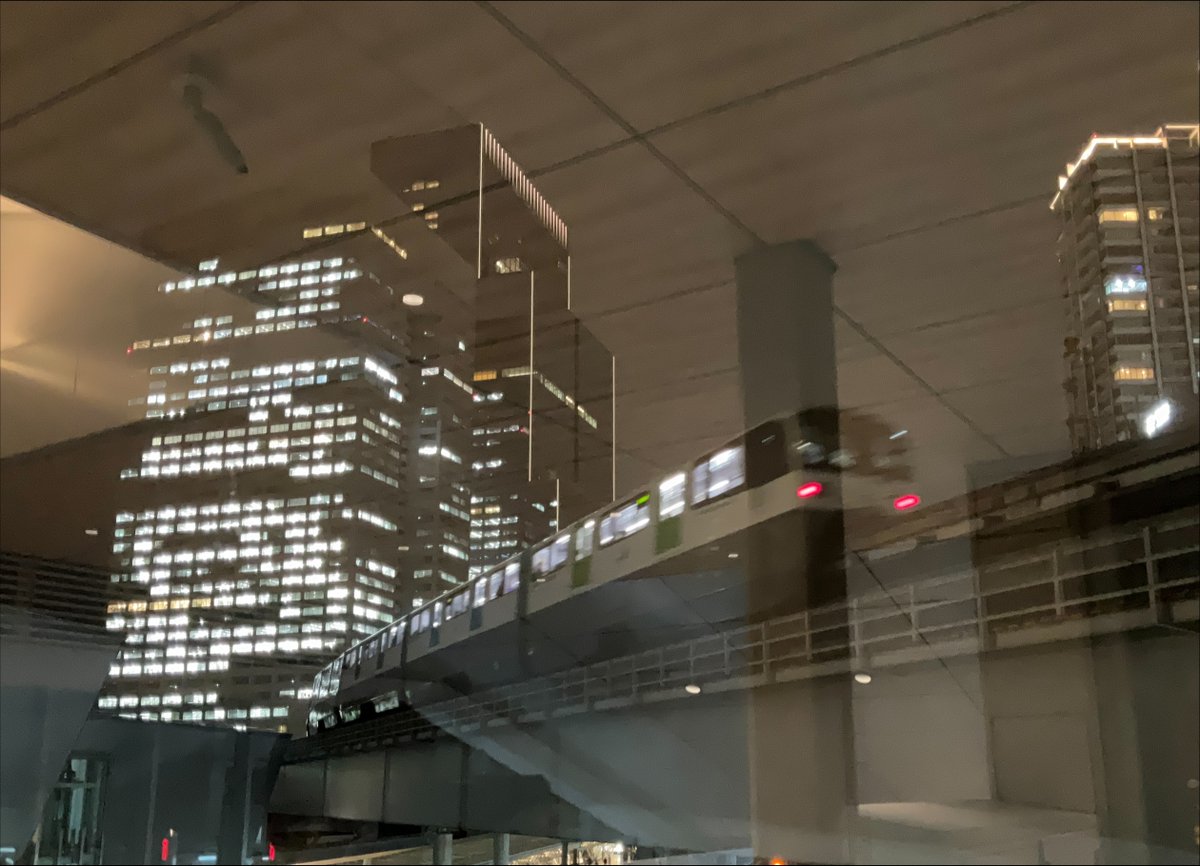
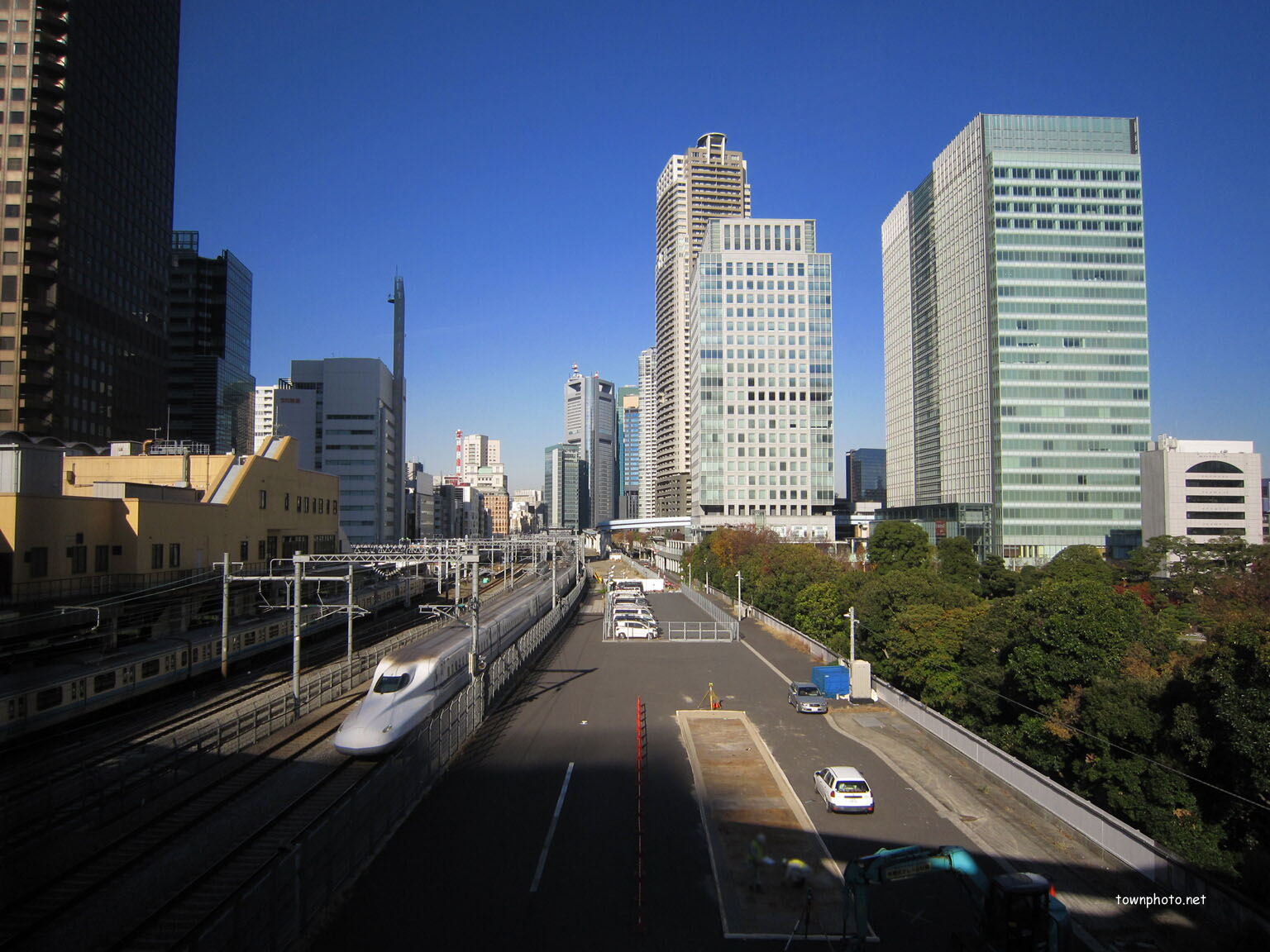
Hamamatsucho is a station where transportation convenience directly translates into freedom in daily life.
It is served by the JR Yamanote Line, Keihin-Tohoku Line, and the Tokyo Monorail with direct access to Haneda Airport.
Mornings are packed with commuters, daytime mixes businesspeople and tourists, and nights quickly become quiet.
The station front is dominated by offices, but toward Shiba and Daimon, residential life begins to appear.
Living here means a life with almost no stress from transportation.
2 Area Characteristics
Hamamatsucho is a rare part of Tokyo where business and everyday living barely coexist.
Redevelopment continues, adding modern buildings, yet old alleys and independent shops still remain.
The area peaks during the day and becomes noticeably quieter at night.
Toward Daimon, temples and shrines create a calmer atmosphere.
Foreign visitors blend naturally into the flow, heading toward Tokyo Tower and nearby attractions.
Living here feels like work, tourism, and daily life all exist within the same small radius.
3 Safety and Night Atmosphere
Safety is generally stable for central Tokyo, but not completely risk-free.
It is not a nightlife district, so major trouble is rare.
However, on Friday nights, intoxicated office workers increase, especially around smaller streets.
Late at night, the area becomes very quiet, sometimes almost too quiet.
Walking alone at night is generally fine, but avoiding backstreets is safer.
Living here means experiencing the unusual quietness of central Tokyo at night.
4 Rent Prices
Hamamatsucho is a place where you clearly “pay for time efficiency.”
Studio to 1K apartments range around ¥100,000–¥140,000.
1LDK units range roughly ¥180,000–¥300,000.
Prices are rising due to redevelopment and the Minato ward location.
Properties close to the station are especially expensive.
Living here means trading rent for more free time.
5 Shopping Environment
The conclusion: basic shopping is possible, but not strong.
Convenience stores are abundant, and small supermarkets exist.
However, large supermarkets are limited.
Nearby areas like Shimbashi, Shinagawa, and Tamachi greatly expand options.
Living here means naturally combining shopping with your commute.
6 Medical Facilities
Healthcare access is sufficient but spread out.
Clinics are available for everyday needs.
Larger hospitals are found in nearby areas like Toranomon and Shinagawa.
Convenient on weekdays, slightly less so on weekends.
Living here means using multiple areas for medical care.
7 Local Restaurants
Akitaya
Genre: Yakitori
Price: ¥2,000–¥3,500
https://www.google.com/search?q=秋田屋+浜松町
Local feel: Lines form before opening, filled with smoke and lively conversation.
Future image: Becomes your go-to spot after work without thinking.
Torifuji Branch
Genre: Chicken dishes
Price: ¥1,000–¥2,000
https://www.google.com/search?q=鳥藤+浜松町
Local feel: Busy lunchtime with constant turnover.
Future image: Becomes part of your weekday routine.
Sarashina Nunoya
Genre: Soba
Price: ¥1,000–¥2,000
https://www.google.com/search?q=更科布屋+芝大門
Local feel: Calm atmosphere with slightly older clientele.
Future image: A quiet weekend dining habit forms.
8 Ramen
Bari-O
Price: ¥900–¥1,200
https://www.google.com/search?q=バリ男+浜松町
Local feel: Heavy, filling ramen with mostly male customers.
Future image: Becomes your stress-release meal.
Menya Musashi
Price: Around ¥1,000
https://www.google.com/search?q=麺屋武蔵+浜松町
Local feel: Rich flavors, popular at night.
Future image: A rewarding end-of-day meal.
9 Train Lines and Connectivity
Hamamatsucho is a station optimized for movement efficiency.
The Yamanote Line connects you across Tokyo.
The Keihin-Tohoku Line supports north-south travel.
The Monorail provides direct airport access.
Crowding exists, but navigation is simple.
Living here means transportation stops being something you think about.
10 Access to Major Stations
Shimbashi: ~2 min (last train around 00:30)
Tokyo: ~5 min (last train around 00:20)
Shinagawa: ~6 min (last train around 00:10)
Shibuya: ~20 min (last train around 00:00)
Living here gives you peace of mind even near the last train.
11 Shrines, Parks, and Culture
Zojoji Temple
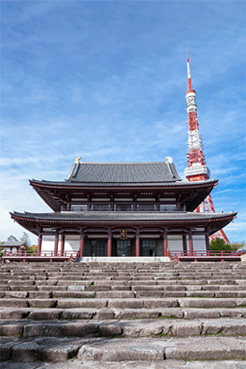
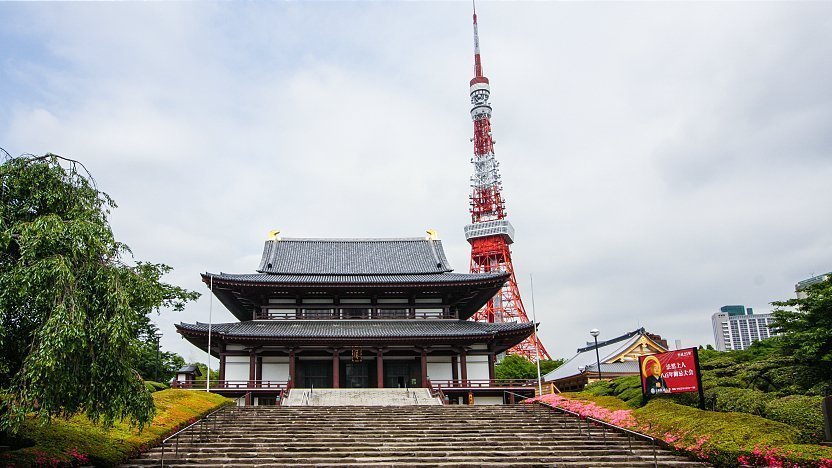
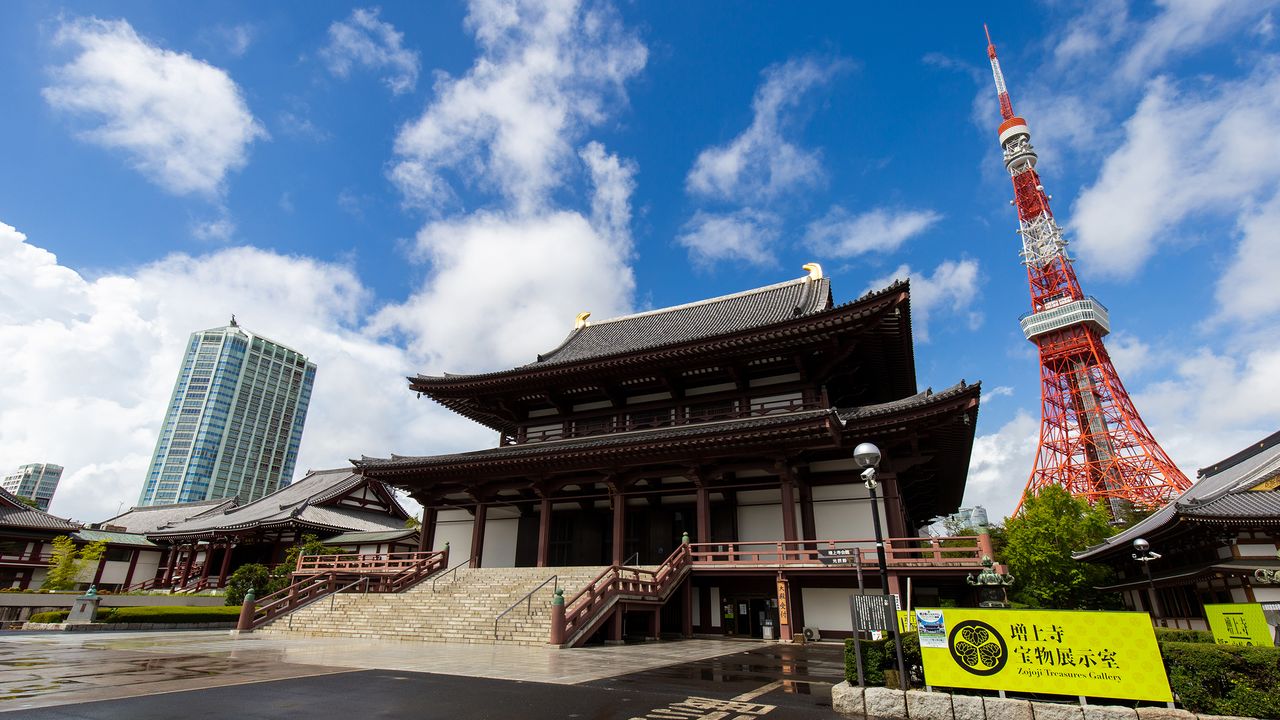

Zojoji Temple serves as a place to mentally reset within the city.
Despite being a tourist site, mornings are quiet and calm.
Living here means having a place to step away from the city’s intensity.
Shiba Park

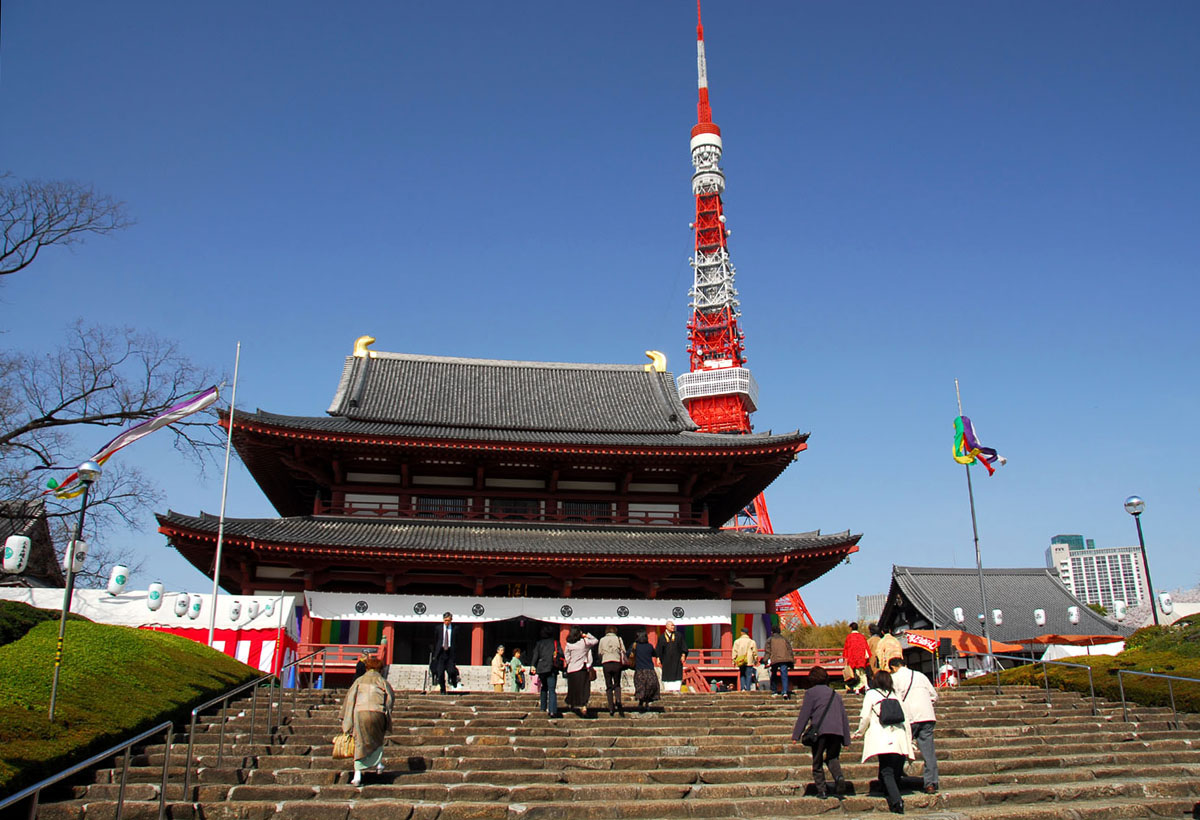


Shiba Park offers a rare combination of greenery and Tokyo Tower views.
It is constantly used for walking and running.
Living here means naturally incorporating nature into daily life.
12 Disaster Risk
Hamamatsucho is relatively stable but still has coastal risks.
Earthquakes may cause prolonged shaking in high-rise buildings.
Liquefaction risk is not zero due to proximity to the bay.
Fire risk is generally low in modern buildings, but older areas require caution.
Evacuation spaces like Shiba Park are available.
Living here means being naturally aware of disaster preparedness.
13 Pros and Cons
Pros
- Extremely efficient transportation
→ Commuting and travel become easy - Excellent airport access
→ Travel becomes part of daily life - Relatively safe
→ More stable than nightlife districts
Cons
- High rent
→ Significant financial burden - Limited supermarkets
→ Requires lifestyle adjustments - Very quiet at night
→ Reduced sense of activity
Living here means managing convenience and inconvenience yourself.
14 Who It’s For
Hamamatsucho suits people who prioritize time efficiency.
- Work-focused lifestyle
- Frequent travel
- Preference for central Tokyo
Not suitable for:
- Budget-focused living
- Daily-life convenience seekers
- Those who prefer lively neighborhoods
Living here means choosing a life where time is never wasted.
15 Summary
Hamamatsucho is a base for using Tokyo efficiently.
Mornings begin with commuter flow, days are spent in a business district, and nights return to quiet streets.
Weekends can be spent in Shiba Park or heading straight to the airport.
Spring brings cherry blossoms, summer heat reflects off buildings, and winter offers crisp air and lights.
However, this is a place where convenience comes at the cost of warmth in daily life.
For the right person, it is a powerful base.
For others, it may feel like just an expensive office district.
Living here changes how you use time in Tokyo.
Check nearby Yamanote Line stations
← Shimbashi Station Tokyo Living Guide | Hamamatsucho Station | Tamachi Station Tokyo Living Guide →