- First, in one sentence
- 1 Basic Information
- 2 Area Characteristics
- 3 Safety and Night Atmosphere
- 4 Rent Levels
- 5 Shopping Environment
- 6 Medical Facilities
- 7 Local Restaurants
- 8 Ramen Spots
- 9 Train Lines Character
- 10 Access to Major Stations
- 11 Shrines, Parks, and Culture
- 12 Disaster Risk
- 13 Pros and Cons
- 14 Who This Area Suits
- 15 Summary
First, in one sentence
Gotanda is a town where convenience comes with a rough edge at night.
By day, office workers flow through the streets; by night, neon lights mix with drunk crowds and street recruiters.
Suits, nightlife workers, foreigners, and locals all overlap in the same space, creating a slightly chaotic atmosphere.
Despite being on the Yamanote Line, it never feels fully polished.
Living here means accepting both Tokyo’s efficiency and its grit as part of daily life.
1 Basic Information


4
Conclusion: Highly functional, but not the most comfortable station
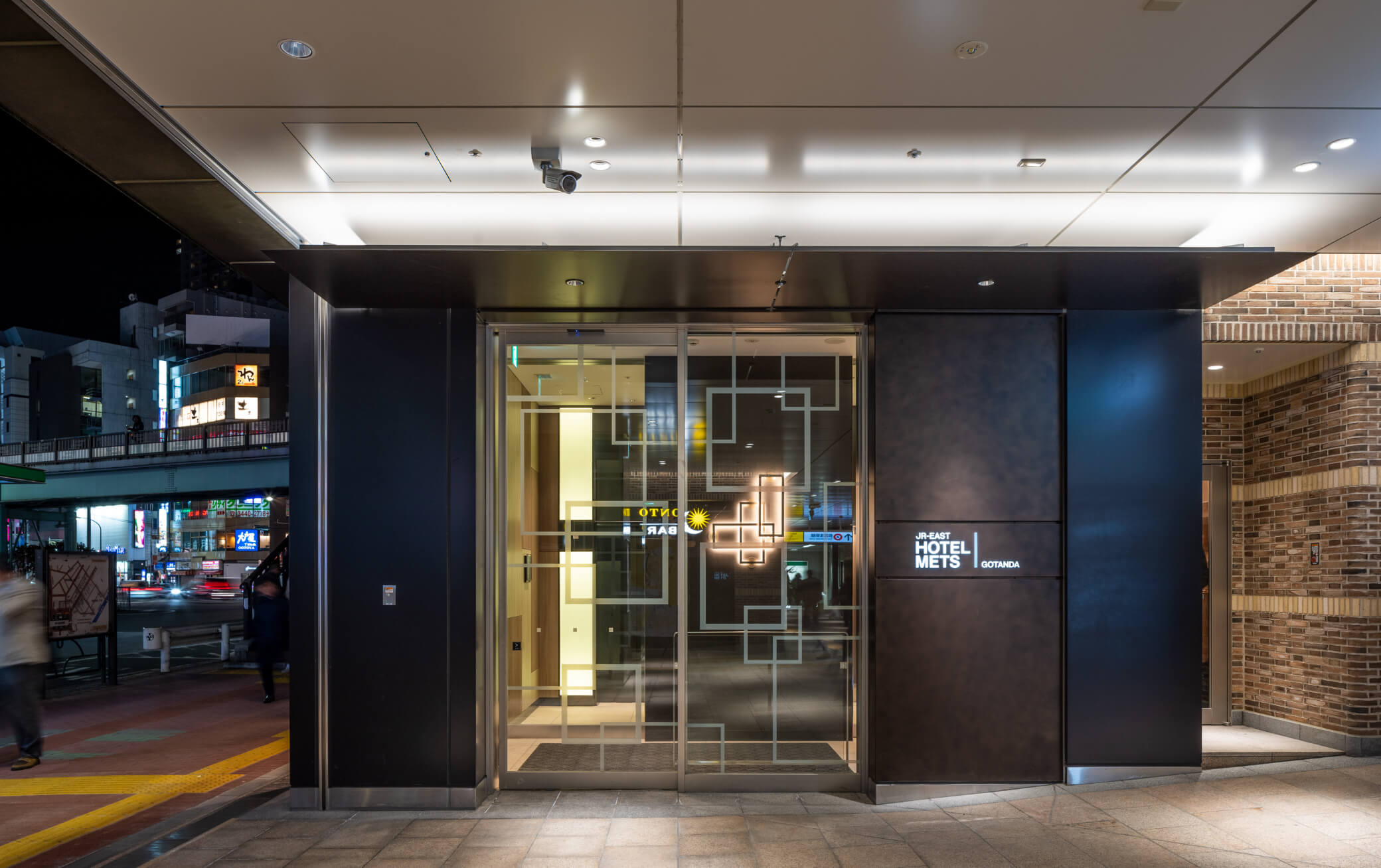
Gotanda Station is served by the JR Yamanote Line, Toei Asakusa Line, and Tokyu Ikegami Line, making it extremely convenient for getting around Tokyo.
However, the station area is compact, and pedestrian flow can get congested, especially during rush hour.
In the morning, people pile up around the ticket gates and crosswalks, and movement often feels rushed and crowded.
→
“Convenient, but not relaxed”
Living here means memorizing the best exits and train positions to move efficiently.
2 Area Characteristics
Conclusion: A two-layered town of function and nightlife
The west side is dominated by offices and restaurants, forming the daytime business district.
The east side has a stronger nightlife presence, with entertainment venues, love hotels, and late-night establishments.
Move a little farther, and you reach upscale residential areas like Ikedayama, where the atmosphere changes completely.
A single street can separate clean, organized areas from chaotic, nightlife-heavy zones.
→
“A place where order and chaos coexist within minutes”
Living here teaches you to choose and navigate different parts of the town intentionally.
3 Safety and Night Atmosphere
Conclusion: Calm in the day, noticeably rough at night
During the day, Gotanda feels like a typical business district.
At night, especially around the east side, the atmosphere shifts.
You’ll see street recruiters, drunk crowds, loud voices, and people lingering on the streets.
Near the last trains, the overall behavior becomes more careless, and the vibe feels rougher.
That said, the level of safety varies greatly by area.
The west side and main streets are generally calmer.
→
“Not necessarily dangerous, but clearly rough at night”
Living here means choosing your routes and timing carefully when heading home.
4 Rent Levels
Conclusion: Not cheap, but reasonable for the convenience
Studio / 1K: around ¥100,000–¥130,000
1LDK: around ¥170,000–¥230,000
Prices are average to slightly high for the Yamanote Line.
Closer to the station means more convenience—but also more exposure to the nightlife atmosphere.
Quieter residential areas are more expensive.
→
“You pay for both location and atmosphere”
Living here makes you realize rent reflects not just space, but also the surrounding environment.
5 Shopping Environment
Conclusion: Very convenient for daily life
Supermarkets, drugstores, and discount shops are all available near the station.
Many stores stay open late, making it easy to shop even after work.
→
“A town where daily life runs smoothly”
Living here turns shopping into a quick, efficient task rather than an activity.
6 Medical Facilities
Conclusion: Reliable healthcare access
Large hospitals and clinics are located within walking distance.
This provides strong support in case of sudden illness, especially for people living alone.
→
“A town that reduces health-related anxiety”
Living here highlights how important nearby medical access is.
7 Local Restaurants
Conclusion: A town where everyday dining is strong
Oniyanma Gotanda Main Store
- Genre: Sanuki udon
- Price range: ¥300–¥800
- https://www.google.com/search?q=Oniyanma+Gotanda
- Local reality: Even late at night, there are often lines of office workers.
- Future image: It becomes your go-to spot after a long day, part of your routine.
Meat Yazawa
- Genre: Hamburg steak / steak
- Price range: ¥1,500–¥3,000
- https://www.google.com/search?q=Meat+Yazawa+Gotanda
- Local reality: Long lines form before opening, especially on weekends.
- Future image: It becomes your special-occasion dining spot.
Shokudo Todaka
- Genre: Creative Japanese cuisine
- Price range: ¥4,000–¥8,000
- https://www.google.com/search?q=Shokudo+Todaka
- Local reality: Extremely hard to reserve, known only to those who seek it out.
- Future image: Living here gives you access to hidden gems like this.
8 Ramen Spots
Conclusion: Ramen culture tied to nightlife
Hirataishu Ajian
- Genre: Rich pork fat ramen
- Price range: ¥800–¥1,200
- https://www.google.com/search?q=Hirataishu+Gotanda
- Local reality: Busy late at night with people after drinking.
- Future image: It becomes your standard “after drinks” meal.
Kimihan
- Genre: Tsukemen (dipping noodles)
- Price range: ¥800–¥1,100
- https://www.google.com/search?q=Kimihan+Gotanda
- Local reality: Office workers at lunch, nightlife crowd at night.
- Future image: You start choosing it depending on the time of day.
9 Train Lines Character
Conclusion: Quietly powerful transportation hub
The Yamanote Line connects major areas.
The Asakusa Line offers airport access.
The Ikegami Line connects to local residential neighborhoods.
→
“A place where transportation rarely becomes a problem”
Living here naturally expands your range of movement.
10 Access to Major Stations
- Shinagawa: ~6 min / last train around 0:40 / taxi ~¥2,000
- Shibuya: ~8 min / last train around 0:30 / taxi ~¥2,500
- Shinjuku: ~15 min / last train around 0:20 / taxi ~¥4,000
→
“Close enough to get home even after missing the last train”
11 Shrines, Parks, and Culture
4
Conclusion: A place where the city softens for a moment
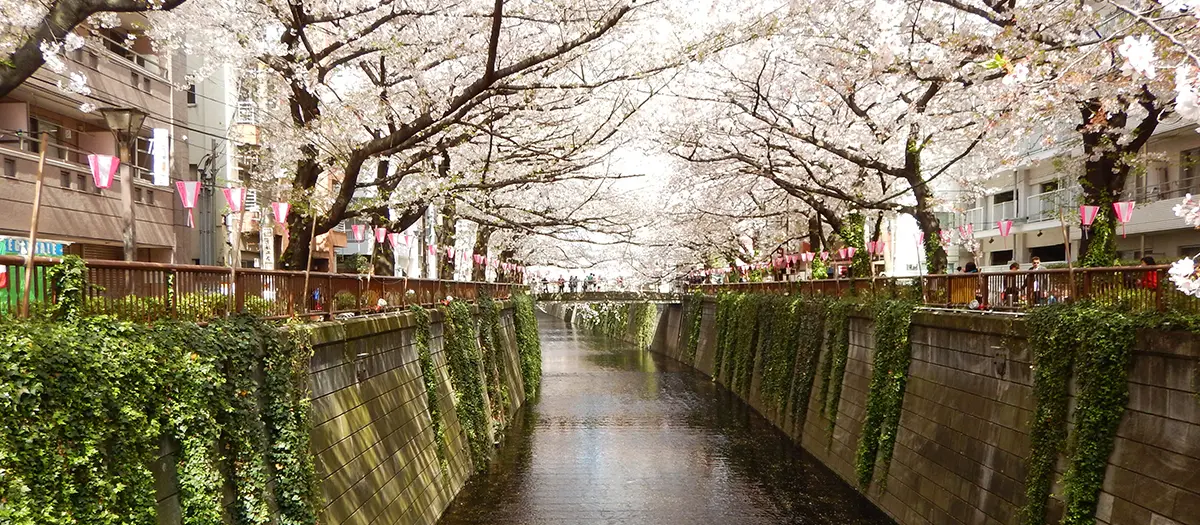
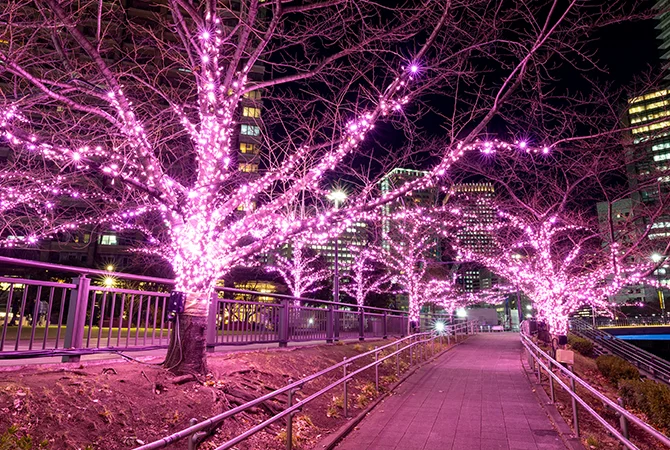
The Meguro River transforms during cherry blossom season, dramatically changing the atmosphere.
Normally just part of daily life, it becomes lively and scenic during events.
→
“A touch of the extraordinary within everyday life”
Living here means experiencing how the city changes with the seasons.
12 Disaster Risk
Conclusion: Flood risk is a real concern
Low-lying areas near the Meguro River have flood risk during heavy rain.
Meanwhile, higher residential areas are relatively safer.
Risk levels vary significantly depending on location.
→
“Safety depends on exactly where you live”
Living here makes apartment selection directly tied to risk management.
13 Pros and Cons
Pros
- Excellent transportation
→ Reduces commuting stress - Strong daily infrastructure
→ Makes everyday life easier - Abundant dining options
→ Food choices are flexible
Cons
- Rough nightlife atmosphere
→ Reduces sense of safety - Occasional low social etiquette
→ Can be stressful - Flood risk
→ Requires careful housing choice
14 Who This Area Suits
Conclusion: Best for efficiency-focused urban living
- People prioritizing commute convenience
- Those who rely on eating out
- Those comfortable with a bit of roughness
→
“A place for people who value function over atmosphere”
15 Summary
Conclusion: Gotanda is a realistic version of Tokyo—both convenient and rough.
Mornings are about moving efficiently with the crowd.
Afternoons revolve around quick, practical meals.
Evenings require awareness of routes and atmosphere.
In spring, cherry blossoms soften the city, adding a brief moment of beauty.
This is not an idealized city.
But it is highly functional for daily life.
→
“A base for using Tokyo efficiently”
Not suitable for:
- Those who value quietness
- Those prioritizing safety above all
- Those seeking a polished city atmosphere
Check nearby Yamanote Line stations
← Osaki Station Tokyo Living Guide | Gotanda Station | Meguro Station Tokyo Living Guide →