- In One Line
- 1 Basic Information
- 2 Area Characteristics
- 3 Safety and Night Atmosphere
- 4 Rent Prices
- 5 Shopping Environment
- 6 Medical Facilities
- 7 Local Restaurants
- 8 Ramen
- 9 Train Lines and Connectivity
- 10 Access to Major Stations
- 11 Shrine, Park, and Culture
- 12 Disaster Risk
- 13 Pros and Cons
- 14 Who This Area Is For
- 15 Conclusion
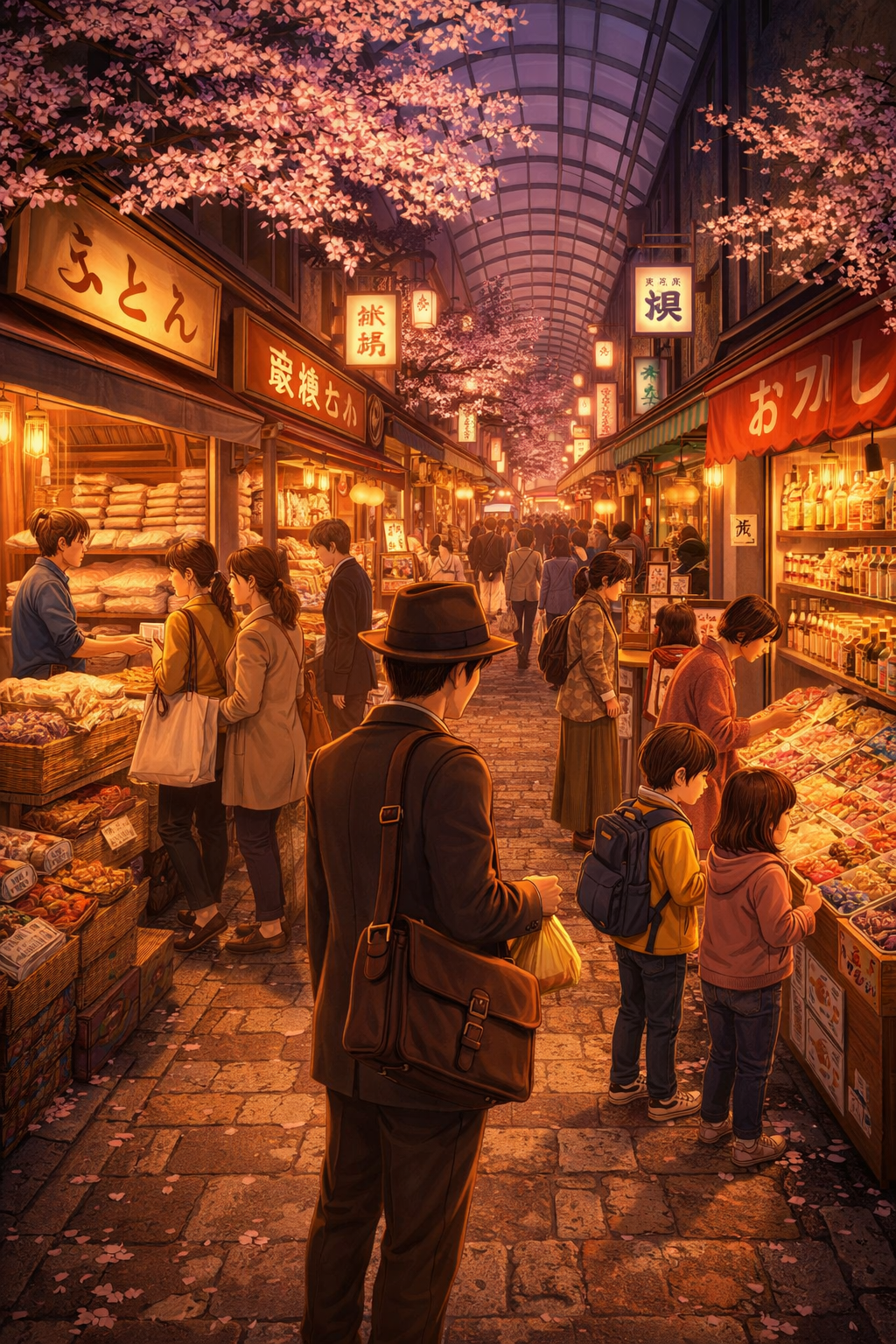
In One Line
Asagaya is a place where you can live quietly despite being on the Chuo Line.
The energy of Koenji fades, and a more “normal life” returns.
Living here lets you stay close to central Tokyo while maintaining a calm and stable lifestyle.
1 Basic Information


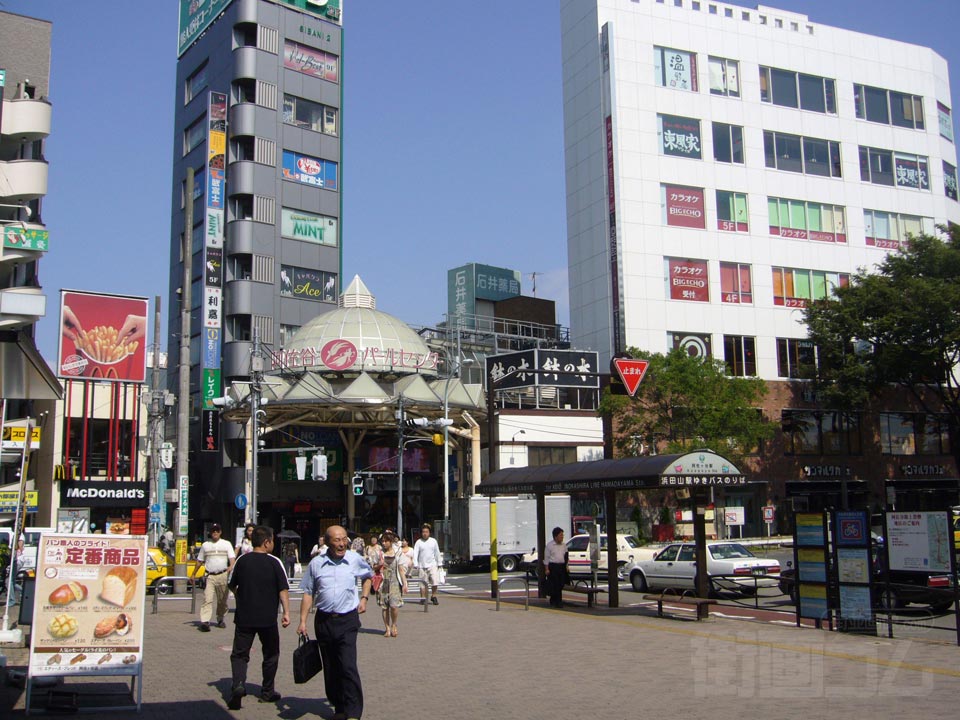
Asagaya Station is served by the JR Chuo-Sobu Line (local trains), which stops every day, while the JR Chuo Rapid Line stops only on weekdays and passes through on weekends and holidays.
It is about 10 minutes from Shinjuku, yet the surrounding area remains a calm residential and shopping district.
In the morning, the station area feels relaxed compared to major hubs.
Living here allows you to commute easily while keeping a quiet daily atmosphere.
2 Area Characteristics
Asagaya is a place focused on everyday living.
It does not have the strong cultural identity of Koenji or the density of Nakano.
Instead, it offers a well-balanced environment where daily needs are easily met.
The Pearl Center shopping street stretches long under a covered arcade, allowing comfortable shopping even in the rain.
It may not be flashy, but it strongly supports daily life.
In the evening, families and shoppers fill the streets.
Living here creates a sense of “coming back home” every day.
3 Safety and Night Atmosphere
Asagaya maintains a consistently safe and calm atmosphere.
There are no major nightlife districts, and noise or trouble is limited.
At night, the shopping streets quiet down and the pace slows.
Even late at night, the area rarely feels unsafe.
Living here reduces stress related to nighttime environments.
4 Rent Prices
Asagaya offers a balanced price range within the Chuo Line area.
Studios and 1K apartments typically range from ¥90,000 to ¥110,000.
It is similar to or slightly calmer than Koenji.
Moving away from the station reveals quiet residential neighborhoods.
Living here allows for a stable lifestyle without excessive financial pressure.
5 Shopping Environment
Asagaya has a highly complete daily shopping environment.
The Pearl Center and surrounding streets offer supermarkets, drugstores, and local shops.
While there are no large commercial complexes, daily life can be handled entirely near the station.
The covered arcade is especially useful on rainy days.
Living here significantly reduces shopping stress.
6 Medical Facilities
Asagaya provides reliable, everyday medical access.
Clinics are scattered around the station, covering basic healthcare needs.
Larger hospitals are located in nearby areas, but accessibility makes this manageable.
During the day, medical services operate in a calm rhythm.
Living here supports consistent and manageable health care.
7 Local Restaurants
Asagaya offers stable and dependable dining options.
Meat-ya
- Genre: Western-style
- Price Range: ¥1,000–¥2,000
- Google: https://www.google.com/search?q=ミート屋 阿佐ヶ谷
Easy to enter and suitable for daily use.
Places like this become part of your routine.
Buta Hakkai
- Genre: Chinese
- Price Range: ¥1,000–¥2,500
- Google: https://www.google.com/search?q=豚八戒 阿佐ヶ谷
Unique dishes that still feel rooted in the local community.
It adds variety to everyday meals.
Restaurants around Pearl Center
- Genre: Various
- Price Range: ¥1,000–¥2,500
- Google: https://www.google.com/search?q=阿佐ヶ谷 パールセンター 飲食
A wide range of choices makes it easy to decide based on mood.
Living here means rarely struggling to find food options.
8 Ramen
Asagaya has a solid ramen scene despite its quiet atmosphere.
Ramen Ichiban
- Genre: Ramen
- Price Range: ¥800–¥1,200
- Google: https://www.google.com/search?q=らーめん一番 阿佐ヶ谷
A classic, long-standing shop supported by locals.
It becomes part of your everyday choices.
Menya Hayashimaru
- Genre: Ramen
- Price Range: ¥900–¥1,200
- Google: https://www.google.com/search?q=はやしまる 阿佐ヶ谷
Balanced flavors with strong repeat customers.
Shops like this improve overall quality of life.
9 Train Lines and Connectivity
Asagaya has a unique characteristic within the Chuo Line.
The JR Chuo Rapid Line stops only on weekdays and does not stop on weekends or holidays.
This means:
- Weekdays → Fast and efficient travel using rapid trains
- Weekends → Local train-based movement via the Chuo-Sobu Line
Understanding this difference is essential for evaluating livability.
Living here means your travel experience changes depending on the day.
10 Access to Major Stations
- Shinjuku Station: ~10 min (weekday rapid)
- Tokyo Station: ~22–25 min (weekday rapid)
- Nakano Station: ~6 min (local train)
- Koenji Station: ~2 min (local train)
Weekdays are highly convenient, while weekends require slightly more planning.
Living here means accepting a balance between convenience and calmness.
11 Shrine, Park, and Culture

Asagaya Shinmeigu Shrine represents the calm nature of the area.
It offers a quiet place to reset within daily life.
Inside the grounds, city noise fades away.
Living here allows you to build moments of mental balance.
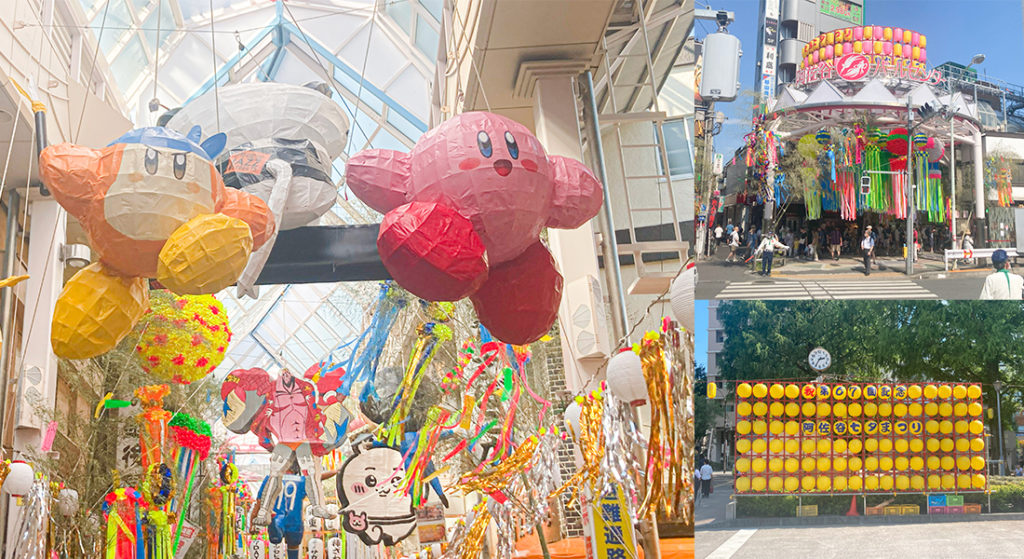

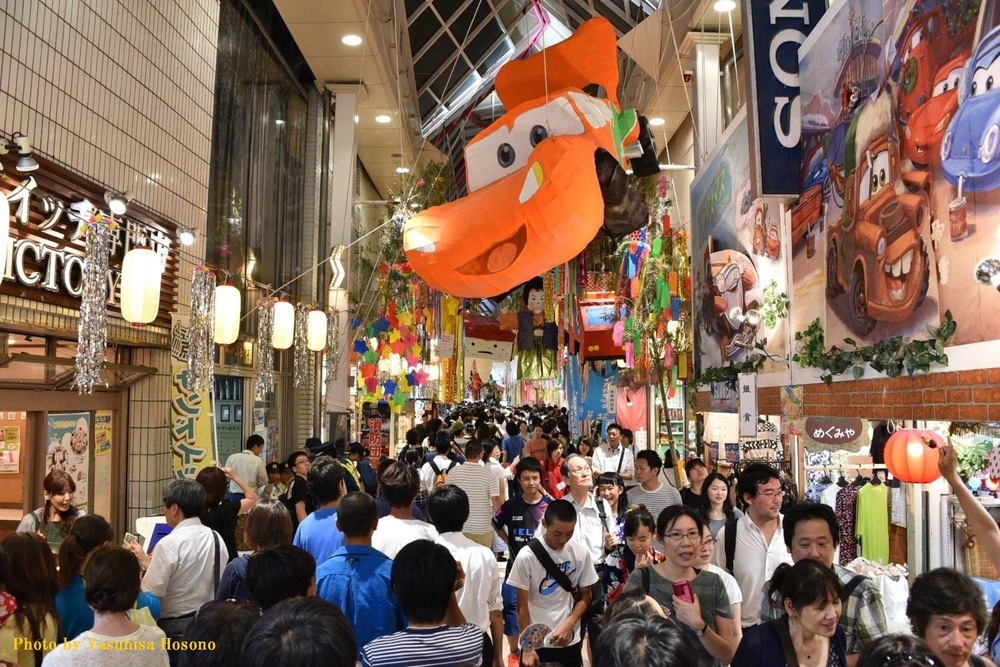
Asagaya also has strong local events such as the Tanabata Festival.
The entire shopping street becomes lively and unified.
The normally calm area transforms into a vibrant space.
Living here allows you to experience both everyday calm and festive energy.
12 Disaster Risk
Asagaya retains older residential structures.
Narrow streets and wooden buildings in some areas increase fire spread risks.
While the station area is developed, residential areas vary significantly.
Walking at night makes these differences clear.
Living here requires awareness when choosing specific locations.
13 Pros and Cons
Pros
- Calm living environment
→ Low daily stress - Strong shopping infrastructure
→ Easy daily life - Balanced rent levels
→ Affordable within central Tokyo
Cons
- Less stimulation
→ May feel boring for some - No rapid trains on weekends
→ Requires travel adjustments - Few large facilities
→ Limited variety
14 Who This Area Is For
Asagaya is ideal for people seeking a stable and calm lifestyle.
It suits those who want to live close to the city while maintaining quiet surroundings.
It may not suit those seeking excitement or strong individuality.
If you value peaceful nights, this area fits naturally.
Living here builds a lifestyle centered on stability.
15 Conclusion
Asagaya is one of the most lifestyle-oriented areas along the Chuo Line.
It is not flashy, but it strongly supports daily living.
Weekdays offer fast access to central Tokyo, while weekends slow down the pace.
Spring feels gentle, summer brings lively festivals, and winter highlights the calm atmosphere.
Living here provides a sense of security and continuity in everyday life.