
- Quick Take
- 1 Basic Information
- 2 Area Character
- 3 Safety and Night Atmosphere
- 4 Rent Prices
- 5 Shopping Environment
- 6 Medical Facilities
- 7 Local Restaurants
- 8 Ramen Picks
- 9 Train Lines and Connectivity
- 10 Access to Major Stations
- 11 Shrines, Parks, and Cultural Spots
- 12 Disaster Risk
- 13 Pros and Cons
- 14 Who Should Live Here
- 15 Summary
Quick Take
Akihabara is a place where your passions spill directly into your daily life.
At night, the neon never fades, and tourists, office workers, and hardcore hobbyists mix into a dense, unusual crowd.
Step off the main street, and the atmosphere shifts instantly, creating a strange sense of disconnect from reality.
Living here means your everyday life is constantly infused with the energy of your interests.
1 Basic Information

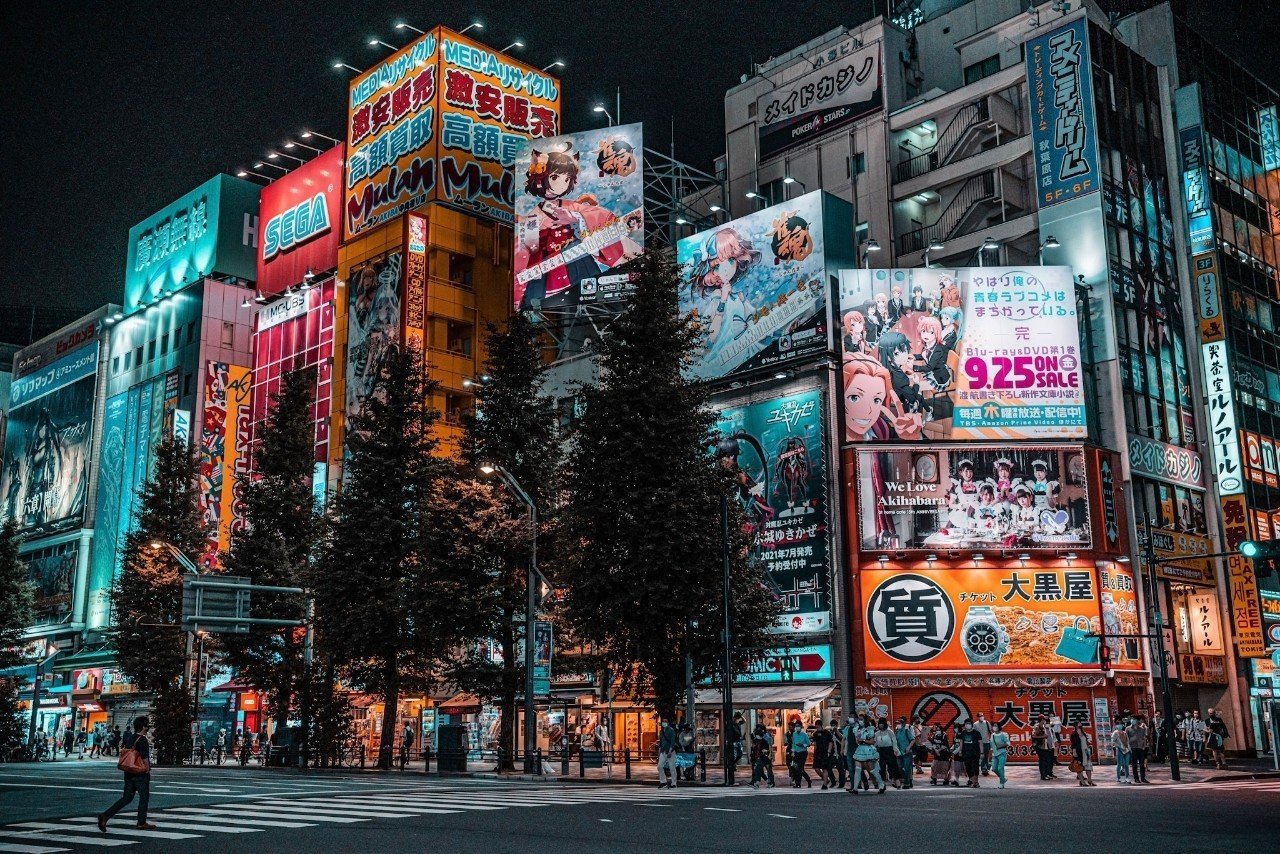
Akihabara is a living hub where transportation, commerce, and subculture overlap.
It is served by the JR Yamanote Line, Keihin-Tohoku Line, Sobu Line, Tokyo Metro Hibiya Line, and Tsukuba Express.
In the morning, commuters flood the station.
During the day, tourists dominate.
At night, shoppers and event-goers linger.
The area never truly sleeps.
You gain incredible convenience, but true silence is something you give up.
2 Area Character
Akihabara is a unique neighborhood where hobby culture and commercial life blend together.
The Electric Town side is packed with PC parts shops, anime stores, and figure retailers.
Cross over to the Showa-dori side, and it becomes more of a business district.
Daytime is filled with international tourists, especially from Asia and the West.
At night, some streets calm down while others become more intense.
This rapid shift in atmosphere within just a few minutes is what defines the area.
Whether you can adapt to that determines how comfortable living here feels.
3 Safety and Night Atmosphere
Safety in Akihabara depends heavily on the specific area.
The main Electric Town streets are crowded and generally safe.
However, minor issues like aggressive touting can occur.
At night, the neon lights remain strong, and the area never becomes fully quiet.
Step into backstreets, and the crowd thins quickly, changing the mood entirely.
It’s common to see groups of tourists lingering outside convenience stores late at night.
Living here means getting used to a city where nighttime never fully ends.
4 Rent Prices
Akihabara sits in the higher price range for its level of convenience.
Studio apartments typically range from ¥100,000 to ¥140,000.
1LDK units can go from ¥180,000 to ¥250,000.
Most properties near the station are relatively new buildings with modern amenities.
You are paying for access and convenience rather than peace and quiet.
5 Shopping Environment
Shopping in Akihabara is extremely strong.
Yodobashi Akiba functions almost like daily infrastructure.
Supermarkets are available, so everyday groceries are not an issue.
Convenience stores are everywhere.
Even late at night, getting food is easy.
However, the area lacks a calm, traditional shopping street atmosphere.
It’s efficient, but not particularly charming.
6 Medical Facilities
Medical access is above average for central Tokyo.
Clinics are scattered around the station area, covering general needs like internal medicine, dermatology, and dentistry.
Larger hospitals are accessible within a short distance.
However, popular clinics can be crowded.
Visiting during weekday daytime is usually the best option.
7 Local Restaurants
Akihabara’s non-chain restaurants tend to be distinctive and memorable.
● Marugo (Tonkatsu)
Price range: ¥1,500–¥2,500
https://www.google.com/search?q=丸五+秋葉原
Thick cuts and perfect frying technique make it worth the wait.
Standing in line on a weekend becomes part of the experience.
● Aoshima Shokudo (Ramen)
Price range: ¥800–¥1,200
https://www.google.com/search?q=青島食堂+秋葉原
Strong ginger soy sauce flavor with addictive depth.
Eating here on a cold day becomes a lasting memory.
● Sabo (Beef Bowl)
Price range: ¥600–¥1,000
https://www.google.com/search?q=サンボ+秋葉原
Old-school atmosphere with a no-frills taste.
You’ll feel like you’ve truly arrived in Akihabara.
8 Ramen Picks
● Mendokoro Honda Akihabara
Price range: ¥1,000–¥1,500
https://www.google.com/search?q=ほん田+秋葉原
Highly refined ramen with consistent quality.
A must-visit for serious ramen fans.
● Motenashi Kuroki (formerly nearby)
Price range: ¥1,000–¥1,500
https://www.google.com/search?q=くろ喜+秋葉原
Elegant flavors that highlight ingredient quality.
A quiet meal here feels unexpectedly luxurious.
9 Train Lines and Connectivity
Akihabara is one of Tokyo’s most versatile transport hubs.
The Yamanote Line connects you to all major areas.
The Sobu Line heads toward Chiba.
The Hibiya Line reaches Roppongi.
The Tsukuba Express links to suburban areas.
Morning rush hour is crowded, but you have multiple route options.
Living here gives you a high degree of mobility freedom.
10 Access to Major Stations
Tokyo: ~4 min
Ueno: ~2 min
Shinjuku: ~20 min
Shibuya: ~25 min
Getting around Tokyo is fast and efficient.
11 Shrines, Parks, and Cultural Spots
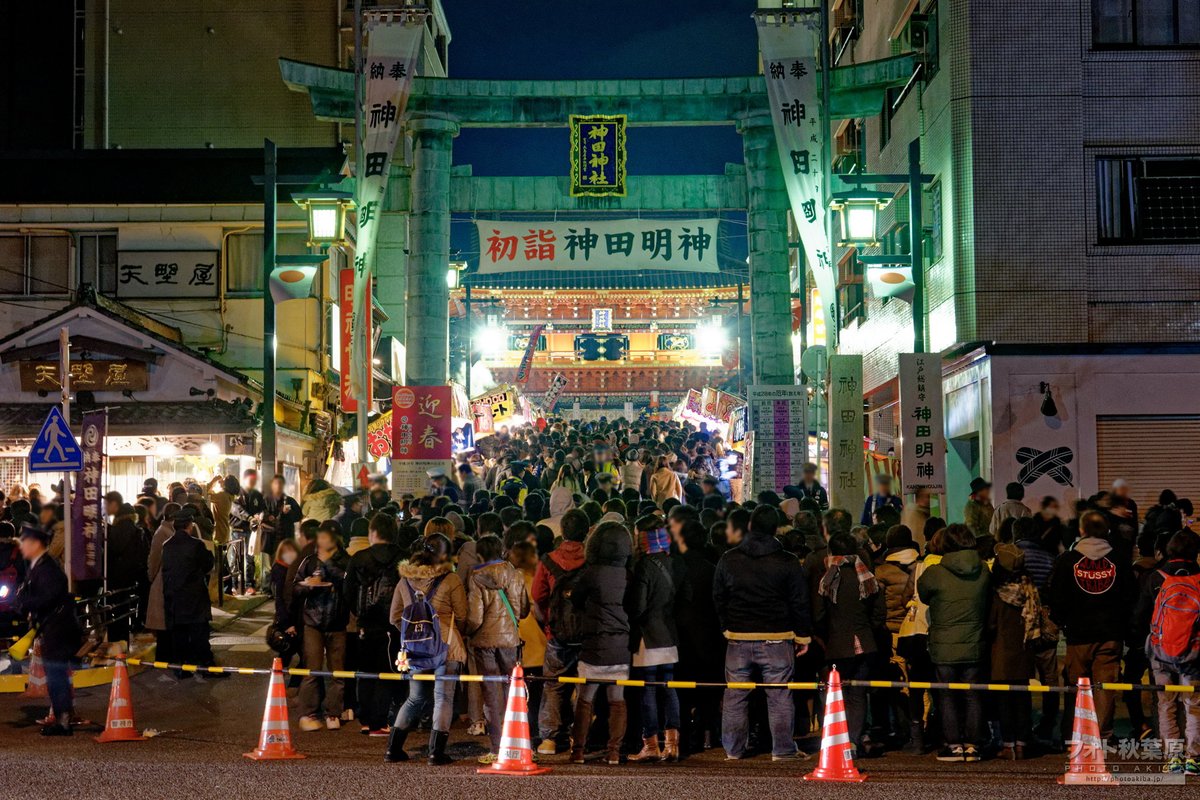
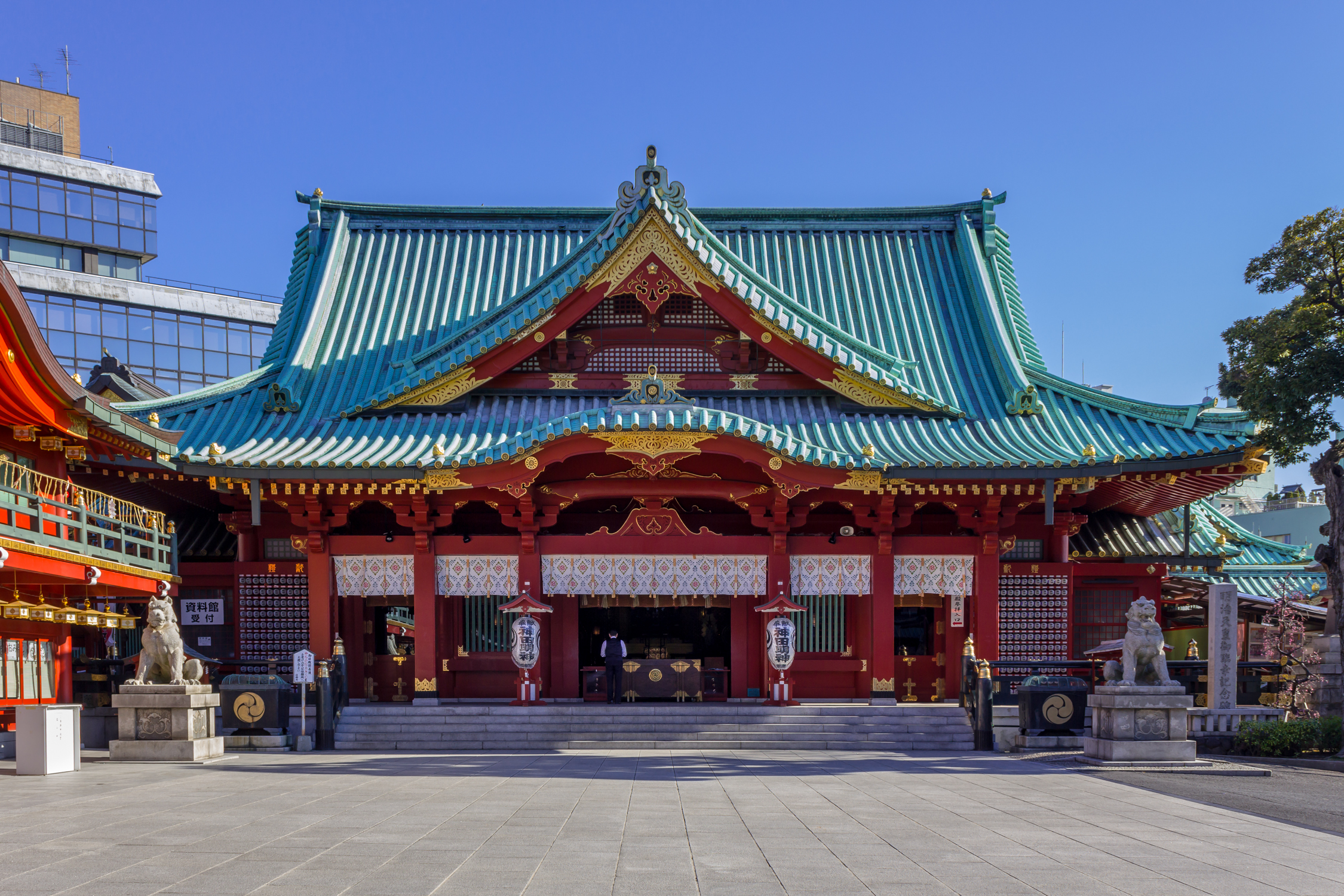
Kanda Myojin Shrine serves as a cultural and spiritual anchor for the area.
It has strong ties to both traditional culture and modern tech companies.
During the day, it attracts visitors; at night, it becomes calm.
Standing here, the noise of Akihabara feels distant.
You get a glimpse of the area’s quieter side.


Izumi Park is small but valuable as a break from the city.
Office workers use it during the day, while locals and children appear in the evening.
It offers a brief escape from the surrounding intensity.
Sitting here helps you reset your rhythm of daily life.
12 Disaster Risk
Akihabara is relatively stable for earthquakes but requires caution for flooding.
The ground is generally solid, but proximity to rivers like the Sumida and Kanda means heavy rain can be a concern.
Fire risk exists in older, densely built areas.
Evacuation zones are designated, but crowding is expected.
Living here requires awareness and quick decision-making in emergencies.
13 Pros and Cons
Pros
Excellent transportation
You can reach almost anywhere quickly.
Outstanding shopping convenience
Everything is available, even late at night.
Constant stimulation
The area never feels boring.
Cons
Noise and crowds
Quiet living is difficult.
Higher rent
Not the best value if cost is your priority.
Lack of calmness
The constant activity can be mentally tiring.
14 Who Should Live Here
Akihabara is ideal for people who prioritize convenience and stimulation.
Those who commute frequently
Those deeply invested in hobbies
Those with a night-oriented lifestyle
On the other hand, it may not suit:
People seeking quiet residential environments
Those who want nature nearby
Those trying to minimize rent costs
15 Summary
Akihabara is a place where entertainment blends into everyday life.
Morning brings packed trains,
daytime brings tourists,
and night glows with neon lights.
Spring feels more like events than nature,
summer is filled with heat and crowds,
and winter amplifies the electric atmosphere.
Life here is about riding the city’s energy rather than escaping it.
Convenience is top-tier,
but it comes at the cost of tranquility.
Choosing to live in Akihabara means shifting your daily life slightly toward the extraordinary.
If that excites you, this area offers a uniquely engaging lifestyle.
Check nearby Yamanote Line stations
← Okachimachi Station Tokyo Living Guide | Akihabara Station | Kanda Station Tokyo Living Guide →