- First Impressions
- 1 Basic Information
- 2 Neighborhood Character
- 3 Safety and Night Atmosphere
- 4 Rent Prices
- 5 Shopping Environment
- 6 Medical Facilities
- 7 Local Restaurants
- 8 Ramen Picks
- 9 Train Lines and Accessibility
- 10 Access to Major Areas
- 11 Shrine, Park, and Cultural Spots
- 12 Disaster Risk
- 13 Pros and Cons
- 14 Who It’s For
- 15 Summary
First Impressions
Uguisudani is “a place where affordability and raw Tokyo reality exist side by side.” At night, the station area becomes extremely quiet, almost to the point of feeling unusual. Despite being next to Ueno, the atmosphere changes completely. The convenience is real, but this is a place people either like or dislike strongly. Living here means accepting both sides of Tokyo’s character.
1 Basic Information
Conclusion: Excellent access, but the area itself is polarizing.

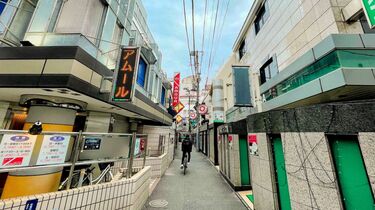
Uguisudani is served by the JR Yamanote Line and Keihin-Tohoku Line, with Ueno just one stop away and easy access toward Tokyo Station.
The key point is:
👉 Ueno is within walking distance (10–15 minutes)
This gives you access to:
- Large shopping areas
- Dining options
- Entertainment
However:
👉 The area itself is not very complete as a standalone neighborhood
At night, the sudden drop in foot traffic creates a noticeable contrast.
2 Neighborhood Character
Conclusion: Convenience comes from surrounding areas; the neighborhood itself is very unique.
The south side is a quiet residential area.
The north side, however, includes:
👉 A hotel district (often referred to as a “love hotel” area)
This strongly influences the area’s image.
Important point:
👉 It is not dangerous, but it does affect the living atmosphere
Also:
👉 Uguisudani does not function as a self-contained neighborhood
It works best when combined with Ueno and Nippori.
In other words:
👉 It is not a “strong neighborhood”
👉 It is a “strong location”
Understanding this is key to avoiding mismatch.
3 Safety and Night Atmosphere
Conclusion: Safe overall, but the atmosphere varies by area.
The south side is stable and comfortable.
The north side has a distinct atmosphere due to the hotel district.
However:
- Crime risk is relatively low
- Serious trouble is uncommon
👉 It’s more about atmosphere than safety
At night, the area becomes very quiet.
👉 Quiet enough to feel unusual depending on your preference.
4 Rent Prices
Conclusion: One of the best cost-performance areas on the Yamanote Line.
Studio to 1K apartments range around:
👉 ¥65,000 to ¥90,000
This is very affordable for the Yamanote Line.
👉 Especially strong considering Ueno is walkable
However:
👉 The lower price reflects the area’s unique characteristics
How you evaluate that determines the value.
5 Shopping Environment
Conclusion: Weak on its own, strong when combined with Ueno.
Within Uguisudani itself:
- Limited supermarkets
- Few options
👉 Honestly, it is weak
But:
👉 Ueno compensates completely
- Ameyoko market
- Large shopping complexes
- Endless dining options
So:
👉 The lifestyle works as “Uguisudani + Ueno”
Evenings typically mean either quick local shopping or heading to Ueno.
6 Medical Facilities
Conclusion: Basic coverage, fully supported by Ueno.
Uguisudani alone is average.
But:
👉 Ueno significantly upgrades medical access
Overall, the sense of security is strong.
7 Local Restaurants
Conclusion: A few standout spots, but daily dining relies on Ueno.
■ Yakiniku Uguisudani-en
Genre: Yakiniku
Price: ¥5,000–¥8,000
https://www.google.com/search?q=鶯谷園
Local feel: Extremely popular, reservation required. High quality.
Future image: Becomes your go-to place for special occasions.
■ Kagiya (Negishi area)
Genre: Izakaya
Price: ¥2,000–¥3,000
https://www.google.com/search?q=鍵屋+根岸
Local feel: Historic, calm drinking atmosphere.
Future image: A place for quiet drinks becomes part of your routine.
Important point:
👉 Daily dining is mostly dependent on Ueno
So:
👉 There are good spots, but daily life leans outward
8 Ramen Picks
Conclusion: Limited locally, but solid as an everyday option.
■ Ramen Nagayama
Style: Soy sauce ramen
Price: Under ¥1,000
https://www.google.com/search?q=ラーメン長山+鶯谷
Local feel: Quiet, local customer base.
Future image: Becomes your go-to everyday ramen spot.
👉 For variety, most people rely on Ueno and Nippori.
9 Train Lines and Accessibility
Conclusion: Highly practical for commuting.
- JR Yamanote Line
- JR Keihin-Tohoku Line
👉 Strong access to Ueno and Tokyo areas
Commuting is smooth and efficient.
10 Access to Major Areas
Conclusion: High flexibility with both walking and trains.
Ueno: 10–15 min walk or 2 min by train
Tokyo: About 10 minutes
Ikebukuro: About 15 minutes
Shinjuku: About 25 minutes
👉 Walking to Ueno is a major lifestyle advantage
11 Shrine, Park, and Cultural Spots
Conclusion: Strong environment thanks to Ueno.
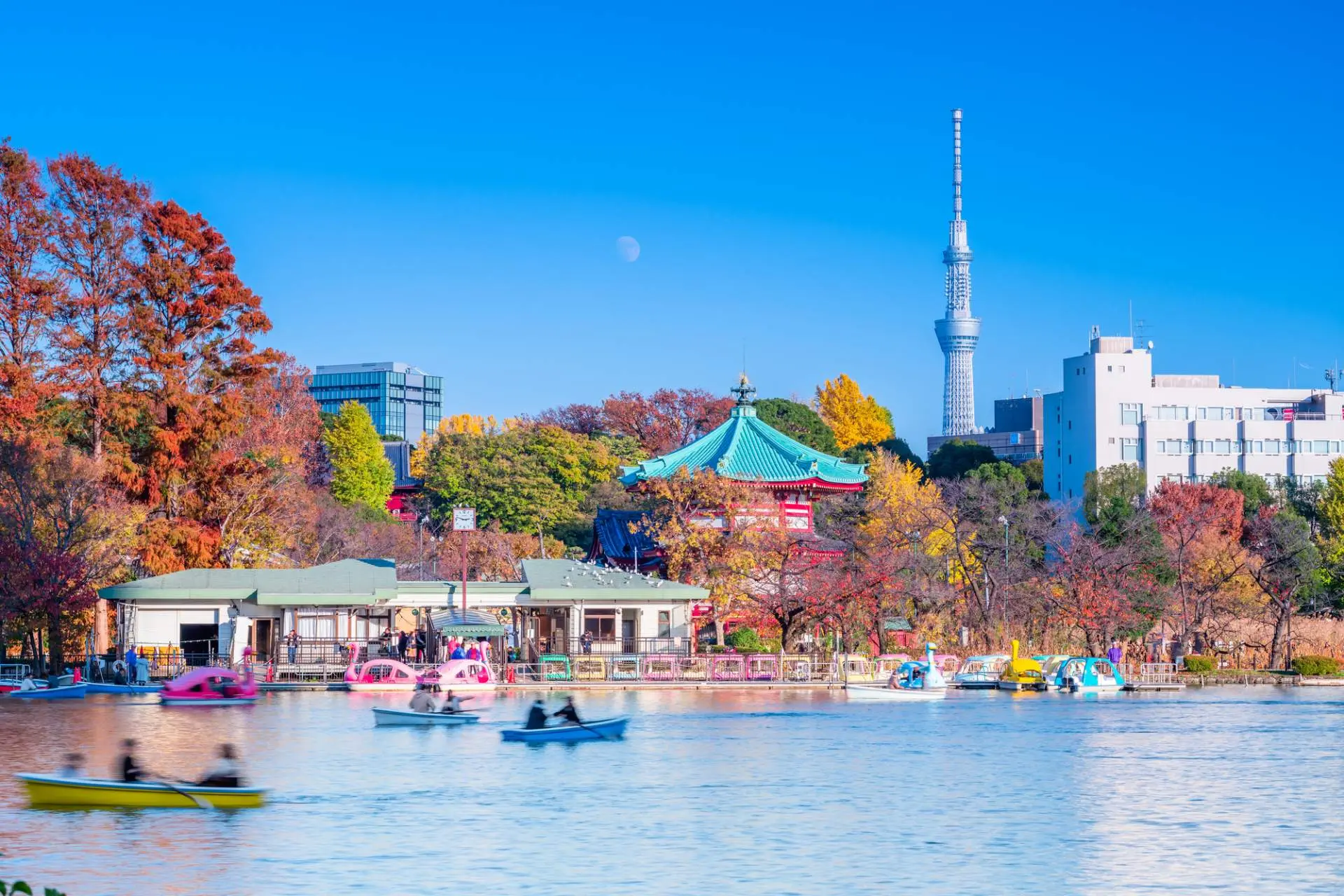

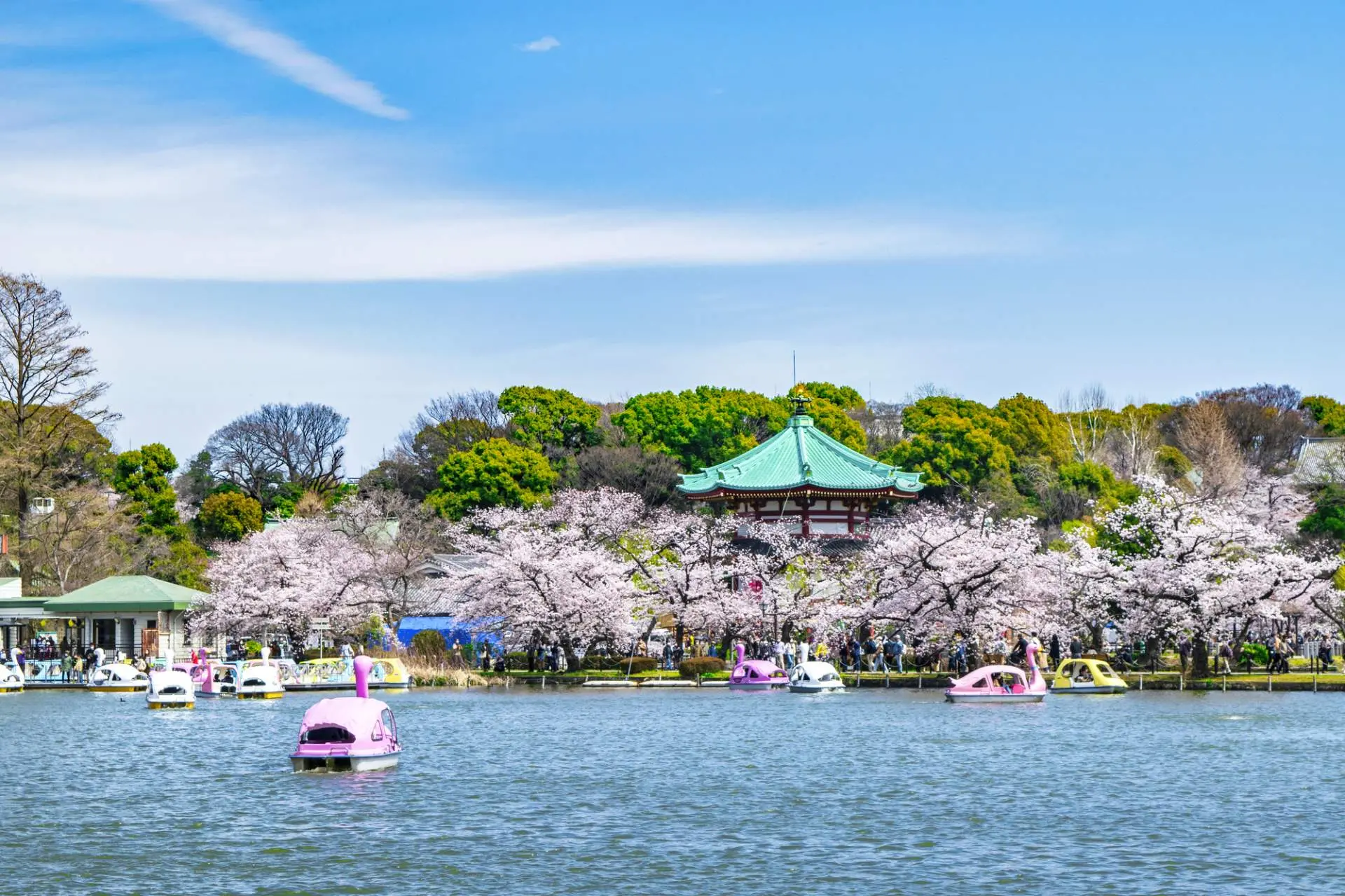
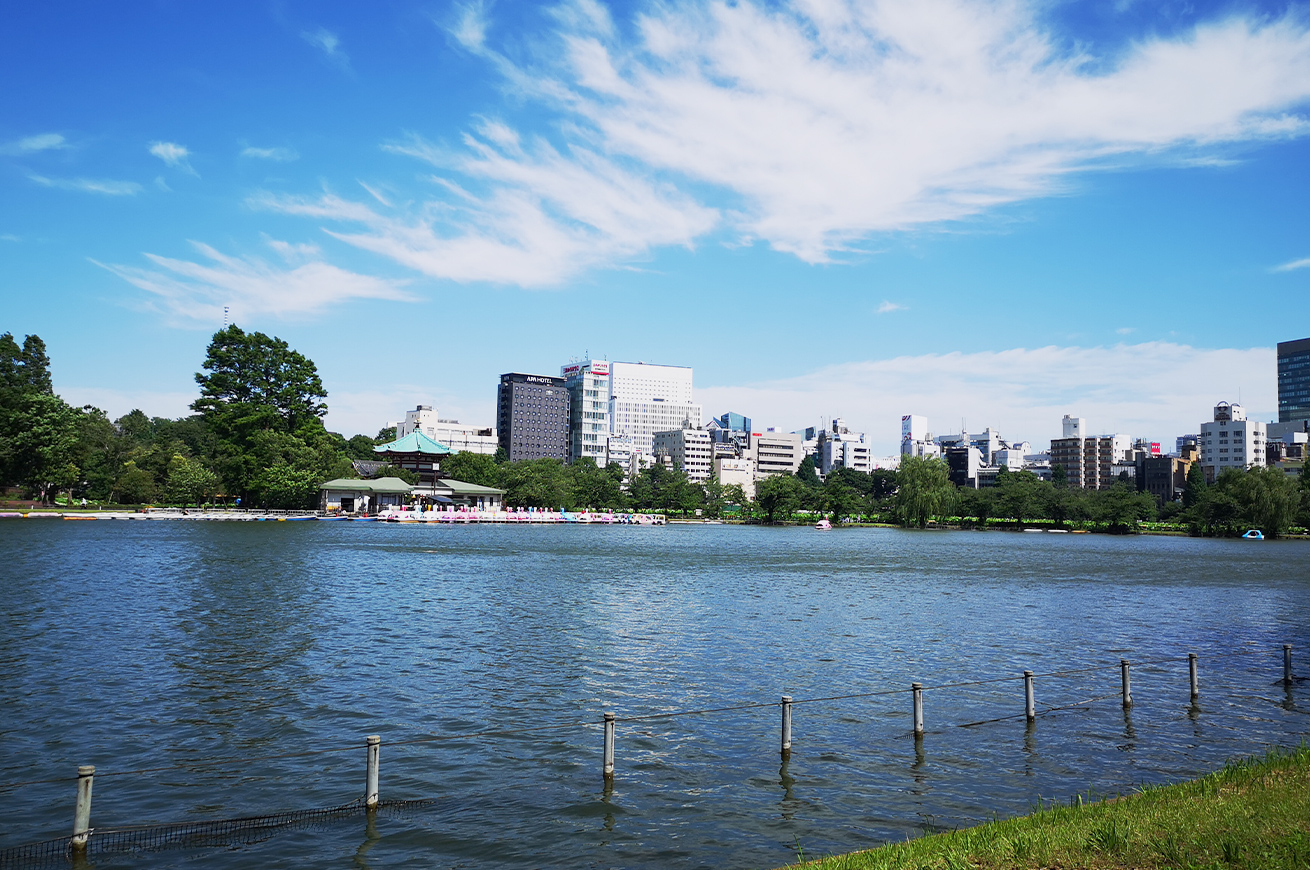
Ueno Park is within walking distance.
- Nature
- Museums
- Cultural spaces
👉 Having this as part of daily life is a major advantage.
12 Disaster Risk
Conclusion: Standard for Tokyo.
No major concerns.
13 Pros and Cons
Conclusion: Excellent value, but with clear trade-offs.
Pros:
- Low rent
- Walkable to Ueno
- Strong transport access
Cons:
- Weak standalone environment
- Hotel district presence
👉 This is a “convenience vs environment” type of area
14 Who It’s For
Conclusion: Ideal for practical, cost-focused urban living.
- Want to reduce rent
- Want full access to Ueno
- Comfortable with unique environments
👉 A great fit for this type of person
15 Summary
Conclusion: A place to maximize location and cost-performance on the Yamanote Line.
Living here means:
👉 Integrating Ueno into your daily life
Uguisudani works not as a standalone area, but as part of a wider living zone.
Mornings are efficient,
Days are spent in central Tokyo,
Nights return to a quiet environment.
👉 Uguisudani becomes
👉 one of the best choices for those who can embrace its unique character.
Check nearby Yamanote Line stations
← Nippori Station Tokyo Living Guide | Uguisudani Station | Ueno Station Tokyo Living Guide →