- First Impressions
- 1 Basic Information
- 2 Neighborhood Character
- 3 Safety and Night Atmosphere
- 4 Rent Prices
- 5 Shopping Environment
- 6 Medical Facilities
- 7 Local Restaurants
- 8 Ramen Picks
- 9 Train Lines and Accessibility
- 10 Access to Major Areas
- 11 Shrine, Park, and Cultural Spots
- 12 Disaster Risk
- 13 Pros and Cons
- 14 Who It’s For
- 15 Summary
First Impressions
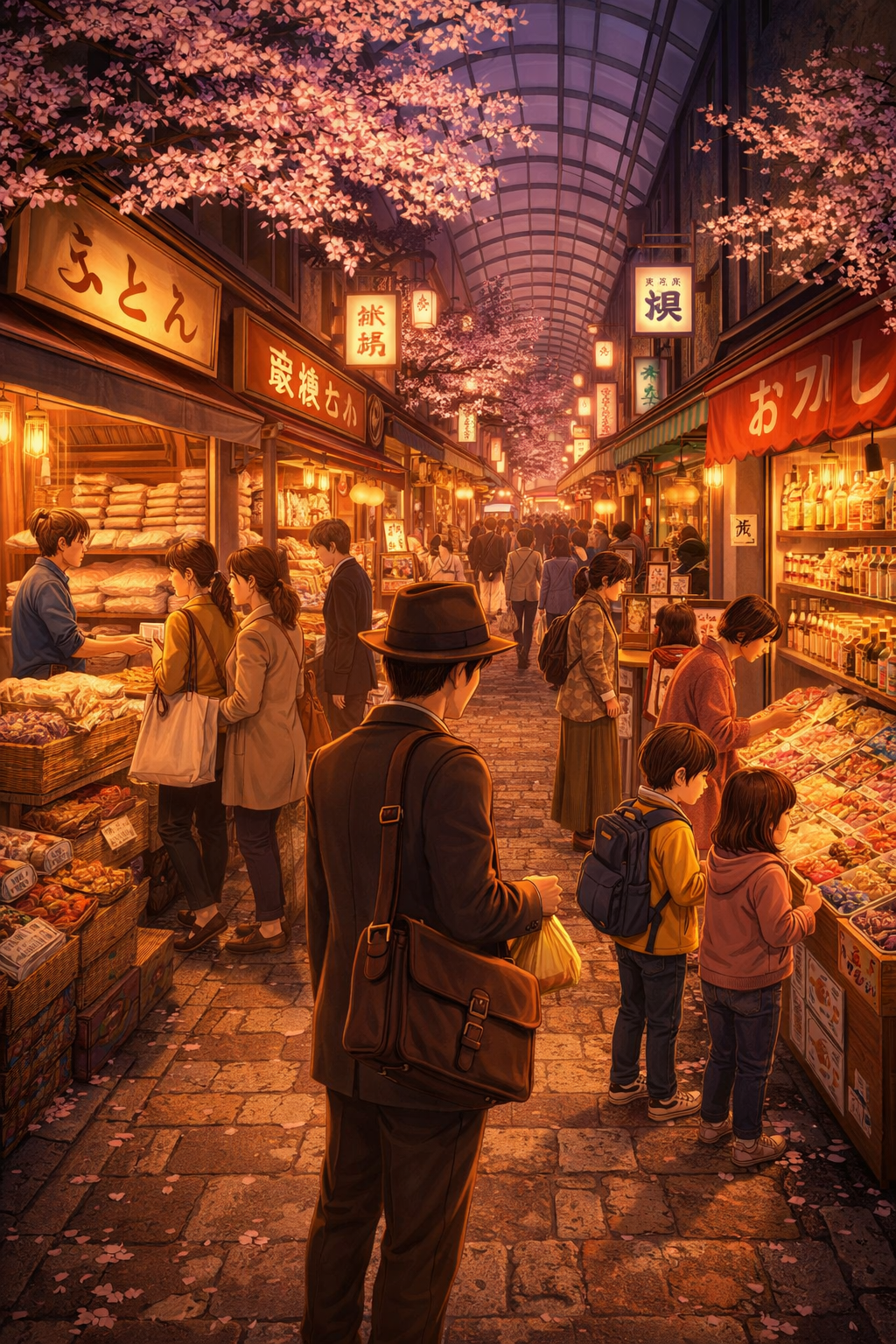
Nippori is “a place where old-town charm and urban convenience meet in perfect balance.” At night, the station area stays active but not overwhelming, with travelers and locals blending into a calm, steady flow. It feels unusual for a major airport access hub to still have such a strong everyday atmosphere, and living here naturally connects mobility with daily life.
1 Basic Information
Conclusion: A highly practical area with excellent balance between transport and living.

Nippori is a major hub served by the JR Yamanote Line, Keihin-Tohoku Line, Joban Line, and Keisei Line, with direct access to Narita Airport. While the station area functions as a transfer point, stepping away quickly leads to quiet residential streets. At night, there is movement, but noise remains moderate.
2 Neighborhood Character
Conclusion: A balanced mix of traditional Tokyo, convenience, and culture.
The area features old-town elements such as the textile district and the Yanaka neighborhood. Yanaka, in particular, is known for its photogenic streets and preserved traditional scenery, offering a quiet beauty that feels like an extension of daily life rather than a tourist attraction. It is also known as a setting associated with films by director Mamoru Hosoda, where real-life scenery and storytelling naturally overlap. In addition, Nippori is famous for its textile street, where specialty shops selling fabrics and materials line the area. Despite its cultural appeal, it remains deeply connected to everyday life. During the day, tourists, locals, and people searching for materials blend into a unique rhythm.
3 Safety and Night Atmosphere
Conclusion: Generally safe and stable.
There are no major nightlife districts, and nights are calm. There is foot traffic, but little noise or disturbance. Drunk crowds are rare, and trouble is uncommon. At night, the flow of people continues quietly.
4 Rent Prices
Conclusion: Affordable to average for the Yamanote Line, with strong value.
Studio to 1K apartments range around ¥75,000 to ¥105,000. Considering the strong transport access, this is a realistic and attractive price range. Even near the station, prices do not spike excessively. At night, indoor spaces feel calm and insulated.
5 Shopping Environment
Conclusion: Very convenient and easy to live in.
Supermarkets, drugstores, and local shops are all available near the station. Daily shopping can be completed within the area. Traditional shopping streets add warmth to everyday life. In the evening, the area becomes moderately lively with shoppers.
6 Medical Facilities
Conclusion: Well-equipped for daily needs.
Clinics and dental offices are spread throughout the area. Larger hospitals are also nearby, providing reassurance. The medical environment is practical and community-focused. During the day, the flow of patients remains calm.
7 Local Restaurants
Conclusion: Many options, making eating out easy.
■ Habutae Dango Main Store
Genre: Japanese sweets
Price: Up to ¥1,000
https://www.google.com/search?q=羽二重団子+日暮里
Local feel: A calm space with both locals and visitors.
Future image: You begin to enjoy slow dessert moments on weekends.
■ Kawamura
Genre: Soba
Price: ¥1,000–¥2,000
https://www.google.com/search?q=川むら+日暮里
Local feel: Quiet atmosphere, ideal for relaxed dining.
Future image: You develop a habit of eating alone in peace.
■ Bazoku
Genre: Chinese
Price: ¥1,000–¥2,000
https://www.google.com/search?q=馬賊+日暮里
Local feel: The sound of handmade noodles creates a strong local vibe.
Future image: It becomes a reliable place you return to regularly.
8 Ramen Picks
Conclusion: Well-balanced in both quality and quantity.
■ Mensake-dokoro Burari
Style: Chicken paitan
Price: Around ¥1,000
https://www.google.com/search?q=麺酒処ぶらり+日暮里
Local feel: Calm atmosphere with quiet diners.
Future image: Solo meals become part of your routine.
■ Tsukemen TETSU
Style: Tsukemen
Price: Around ¥1,000
https://www.google.com/search?q=TETSU+日暮里
Local feel: Fast turnover with consistent popularity.
Future image: It becomes a regular stop on your way home.
9 Train Lines and Accessibility
Conclusion: One of the strongest transport hubs in Tokyo.
Multiple lines plus direct airport access make it highly versatile. It is strong for both commuting and travel. Mobility is extremely efficient. In the morning, large flows of people move in an organized way.
10 Access to Major Areas
Conclusion: Strong access in almost every direction.
Ueno: About 5 minutes (last train around 0:30 AM / taxi about ¥1,500)
Tokyo: About 10 minutes (last train around 0:20 AM / taxi about ¥3,000)
Ikebukuro: About 10 minutes (last train around 0:50 AM / taxi about ¥2,500)
Narita Airport: About 40–50 minutes via Keisei Line
Even late at night, returning home is convenient.
11 Shrine, Park, and Cultural Spots
Conclusion: Everyday life includes a touch of old-town calm.
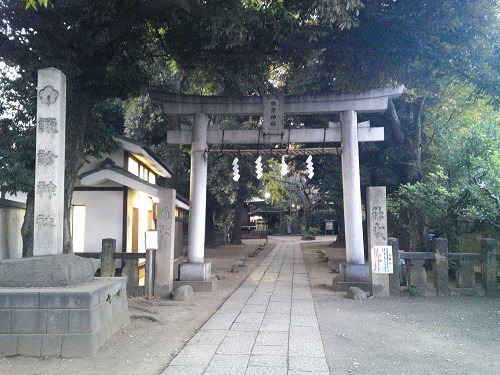
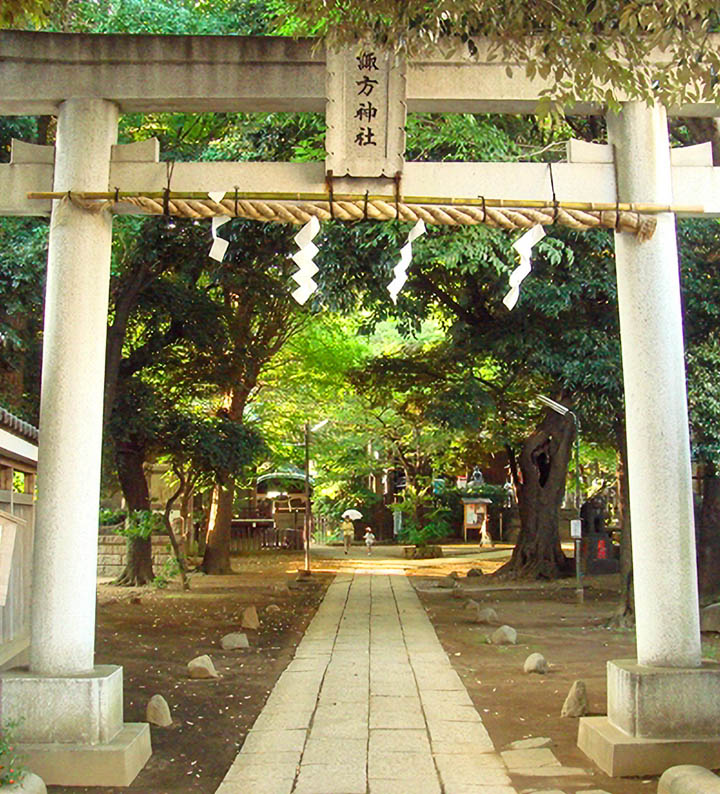

Suwa Shrine sits on slightly higher ground and offers a calm, quiet atmosphere. Locals visit regularly. In the evening, it becomes especially peaceful.
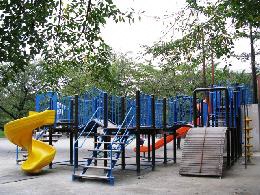
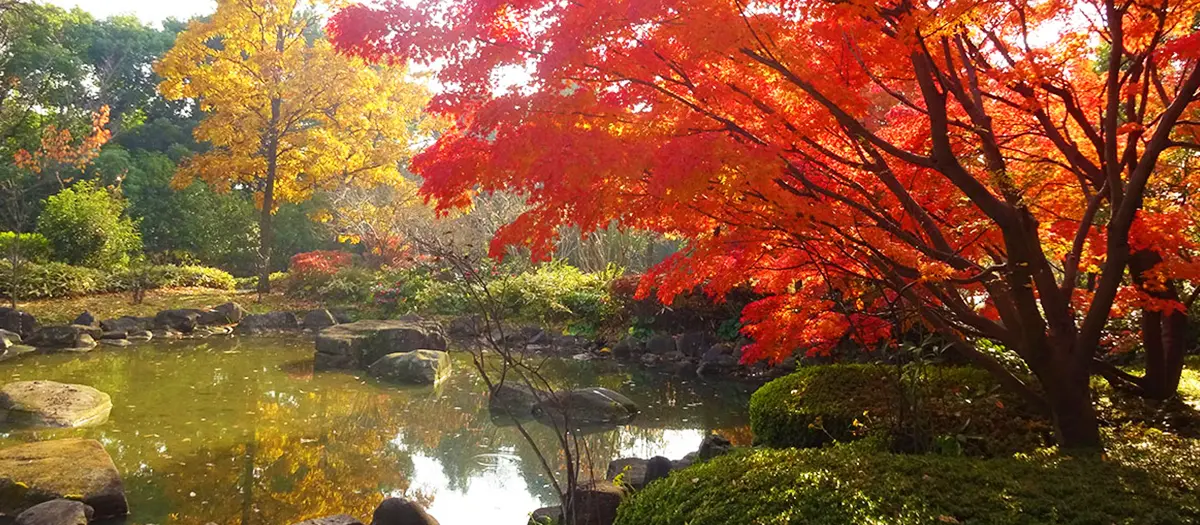
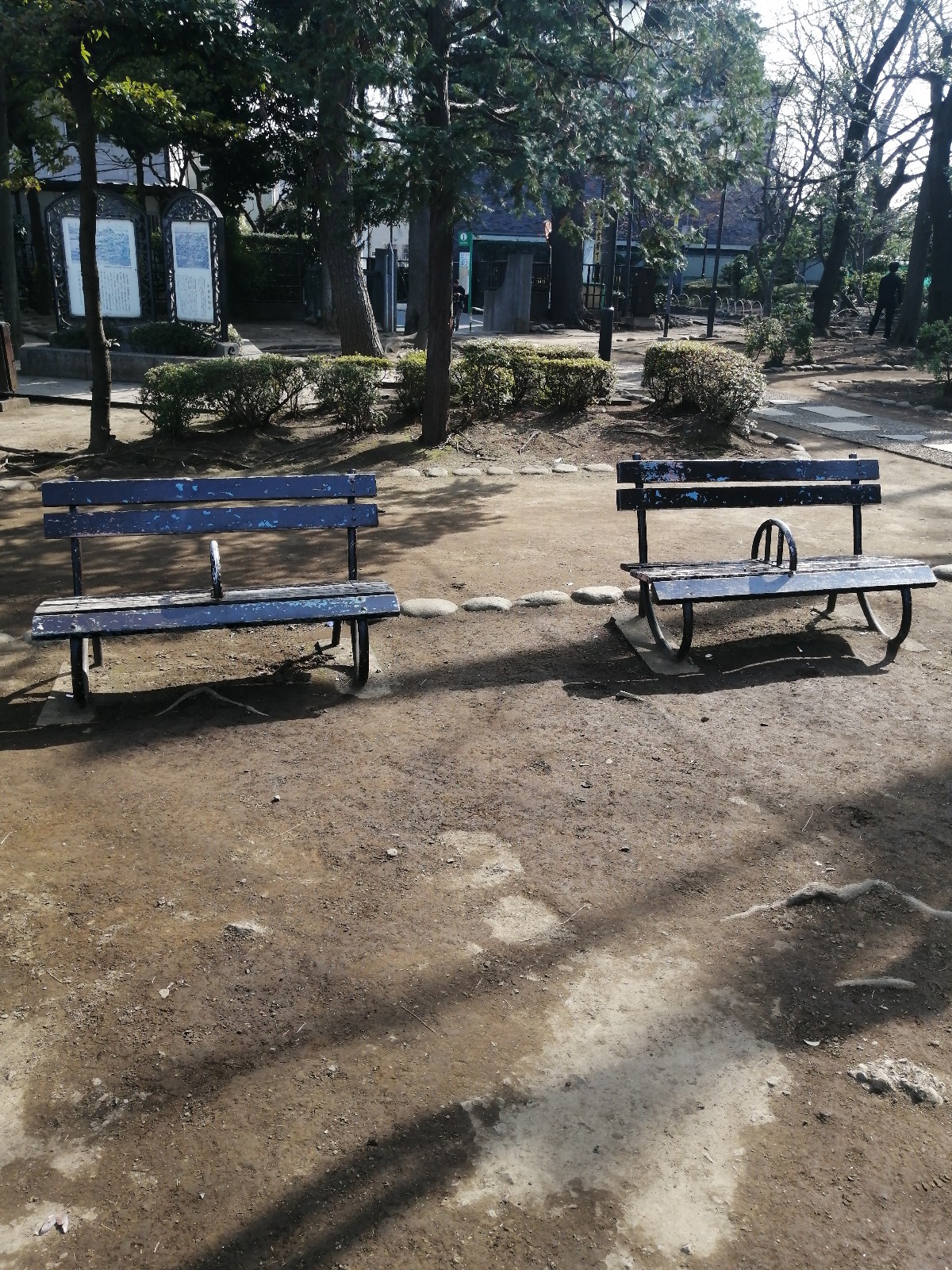
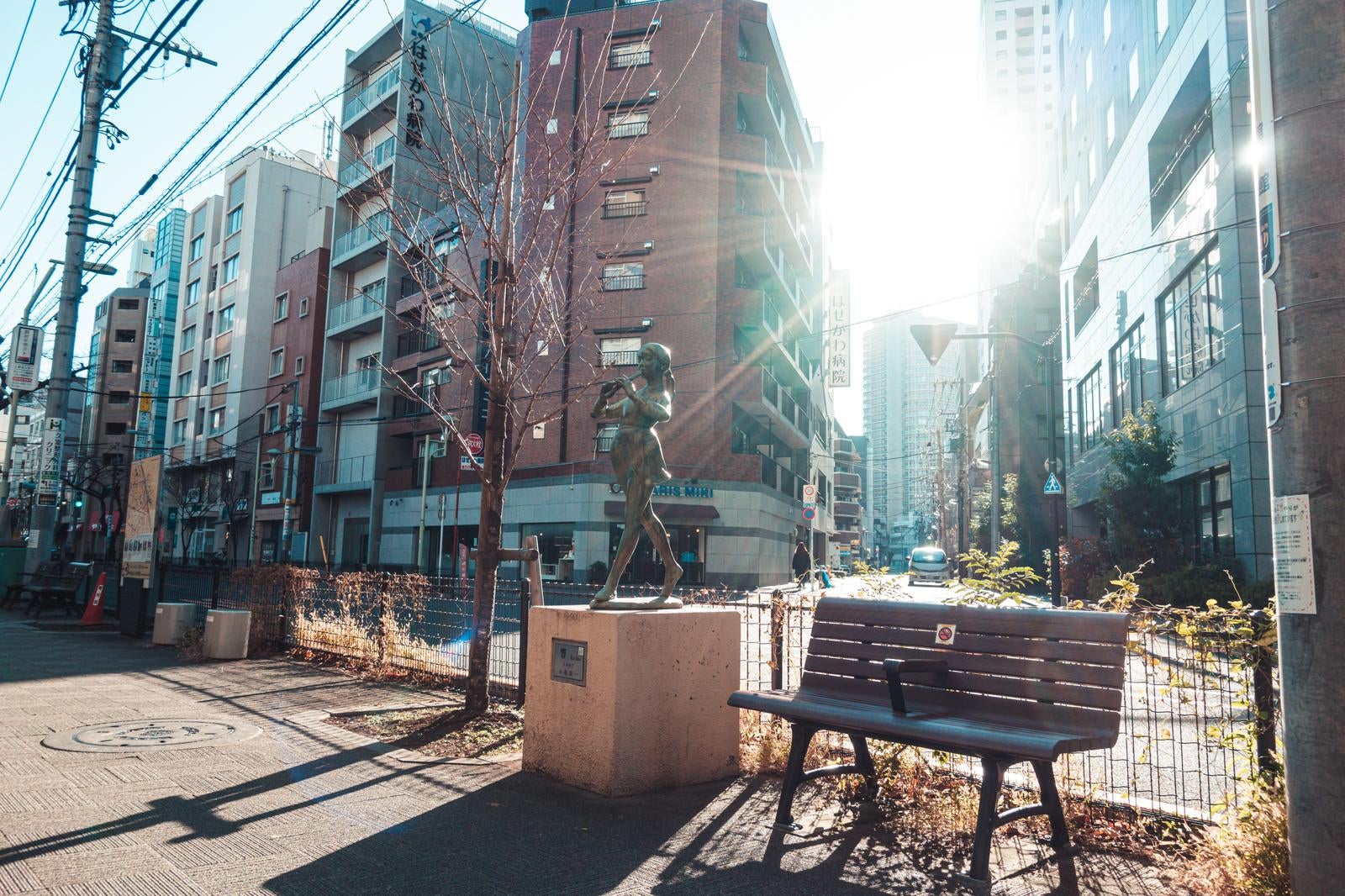
Nippori Minami Park is a compact park used daily by locals. It is simple but relaxing. During the day, the atmosphere is gentle and calm. Sitting on a bench, you can hear the quiet sounds of everyday life.
12 Disaster Risk
Conclusion: Relatively stable and slightly safer than average Tokyo areas.
Located somewhat away from major rivers, flood risk is moderate to low. The ground is relatively stable. Compared to many areas in Tokyo, it offers a sense of security. Even on rainy days, daily life continues normally.
13 Pros and Cons
Conclusion: A highly balanced area for transport and living.
Pros include strong transportation, livability, and reasonable rent. Cons include moderate foot traffic and some tourist presence. However, this also adds a sense of liveliness. At night, the area returns to calm.
14 Who It’s For
Conclusion: Ideal for those who want both mobility and comfort.
Perfect for people who value commuting convenience while maintaining an easy daily life. It suits those who enjoy a traditional Tokyo atmosphere. If you value a calm return home at night, this area fits well.
15 Summary
Conclusion: Best for those who want a balanced lifestyle on the Yamanote Line.
Living here, transportation and daily life naturally connect, creating a smooth routine. Mornings start efficiently, days are spent in the city, and nights end in a calm environment. Nippori offers a “just right” lifestyle in Tokyo. Additionally, Nippori is the starting station of the Nippori-Toneri Liner. Having a seated commuting option reduces morning stress, expands access to northern areas, and adds a sense of ease to daily movement.
The distance between Nippori Station and Nishi-Nippori Station is only 0.5 km in official Yamanote Line operating distance, making it the shortest distance between any two stations on the Yamanote Line.
Check nearby Yamanote Line stations
← Nishi-Nippori Station Tokyo Living Guide | Nippori Station | Uguisudani Station Tokyo Living Guide →