- First Impressions
- 1 Basic Information
- 2 Neighborhood Character
- 3 Safety and Night Atmosphere
- 4 Rent Prices
- 5 Shopping Environment
- 6 Medical Facilities
- 7 Local Restaurants
- 8 Ramen Picks
- 9 Train Lines and Accessibility
- 10 Access to Major Areas
- 11 Shrine, Park, and Cultural Spots
- 12 Disaster Risk
- 13 Pros and Cons
- 14 Who It’s For
- 15 Summary
First Impressions
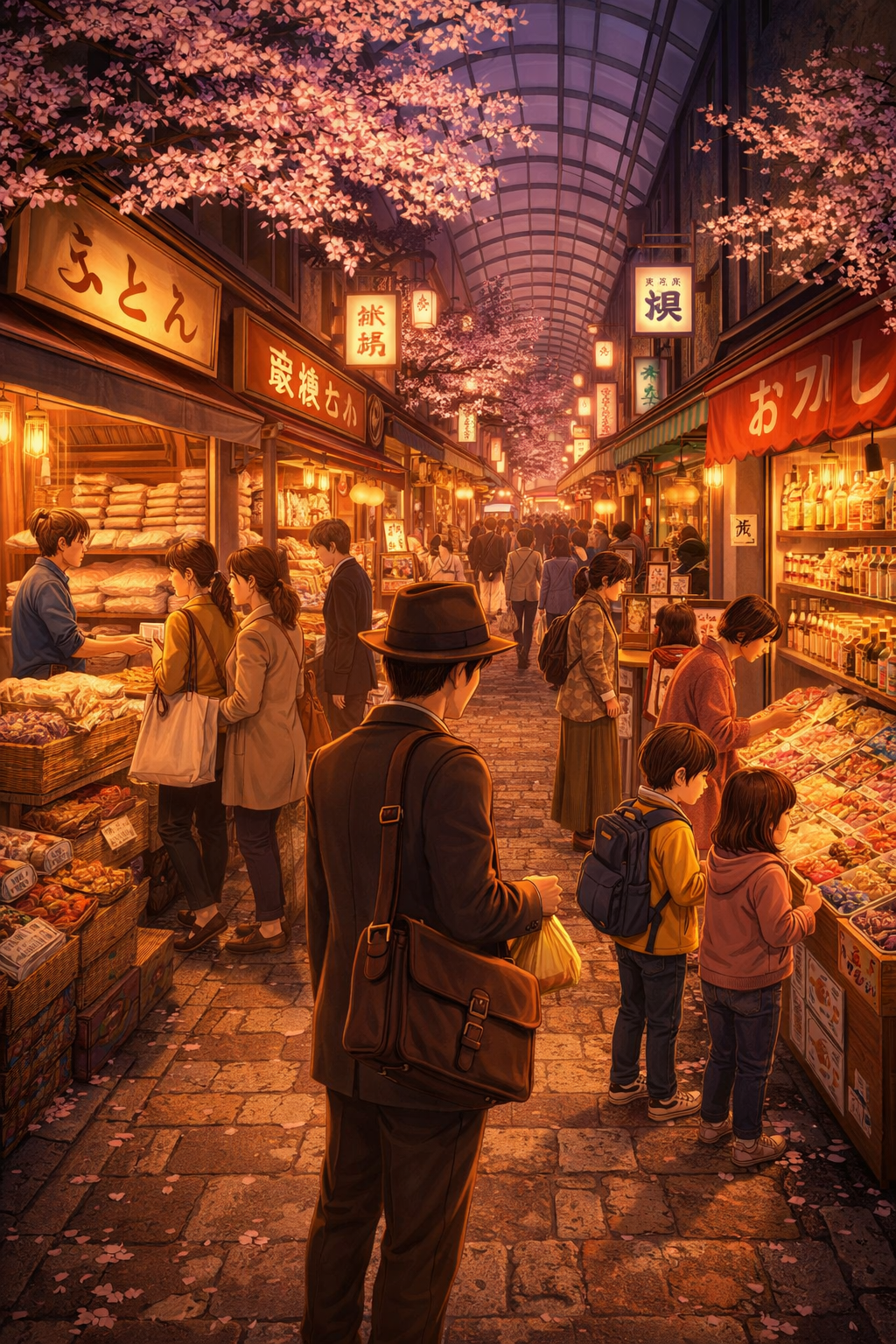
Tabata is “a place where only everyday life remains.” At night, the station area is quiet, with almost no neon lights, and locals move calmly through the streets. It feels strangely calm for central Tokyo, and living here naturally removes unnecessary noise from your daily life.
1 Basic Information
Conclusion: One of the most practical and low-key stations on the Yamanote Line.
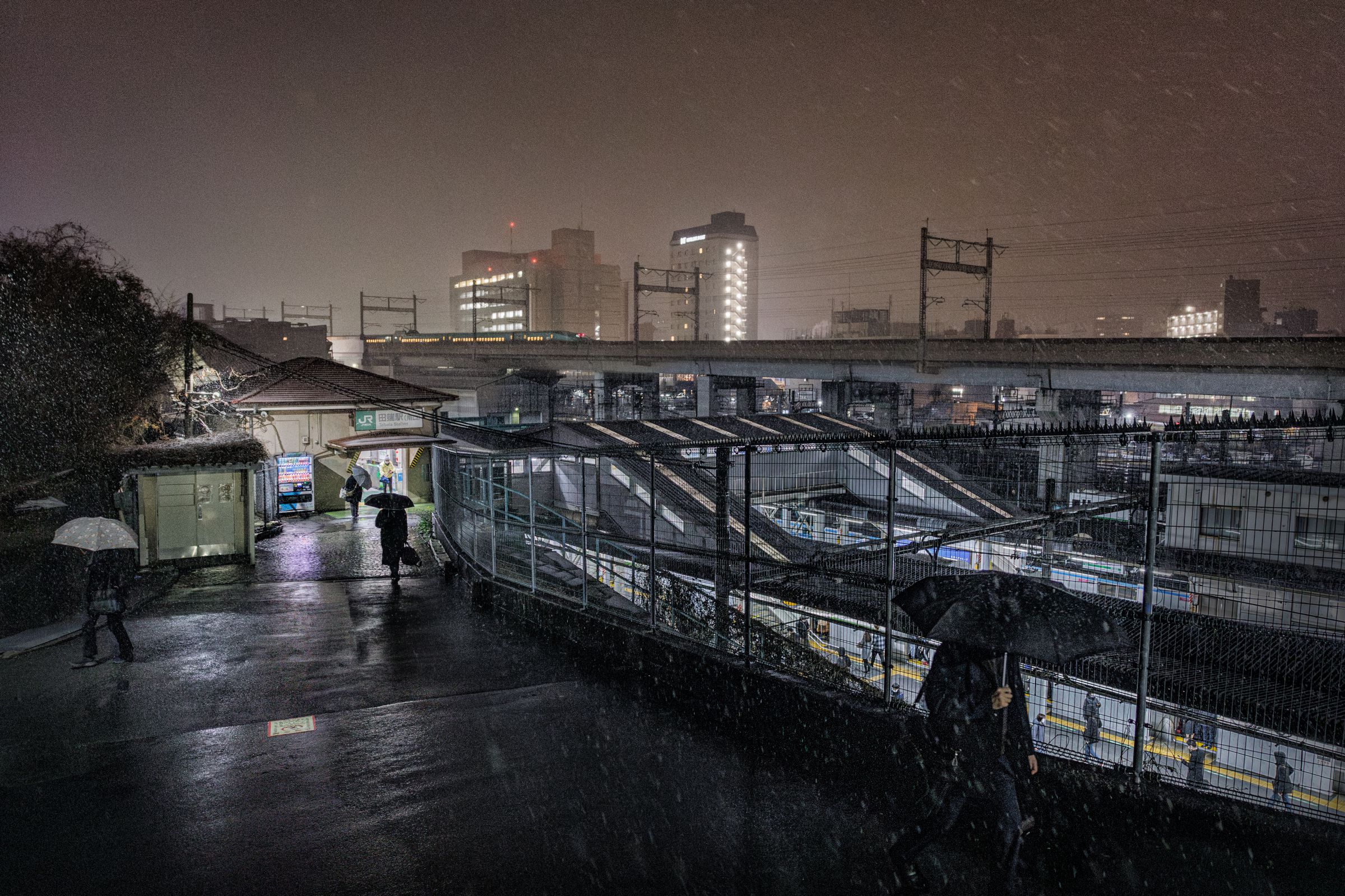
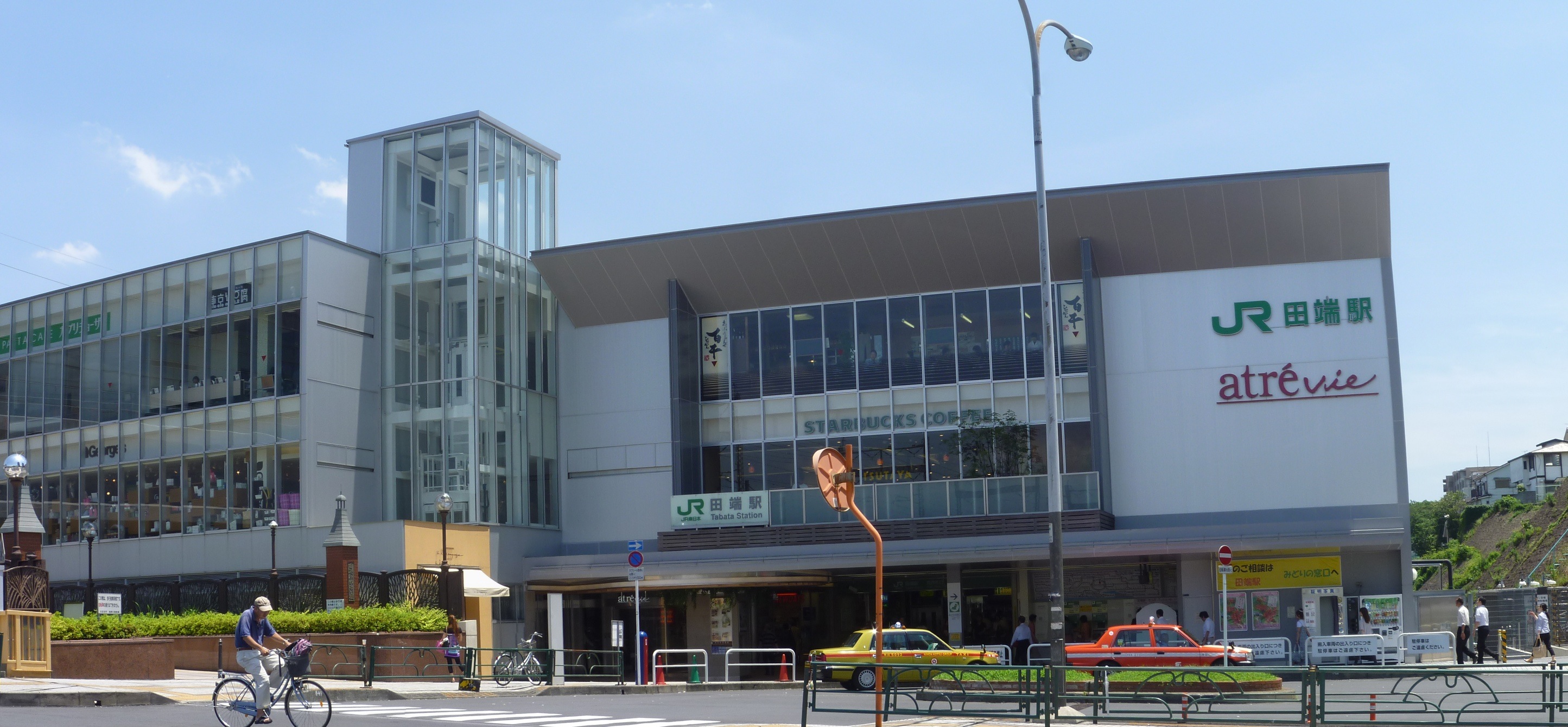
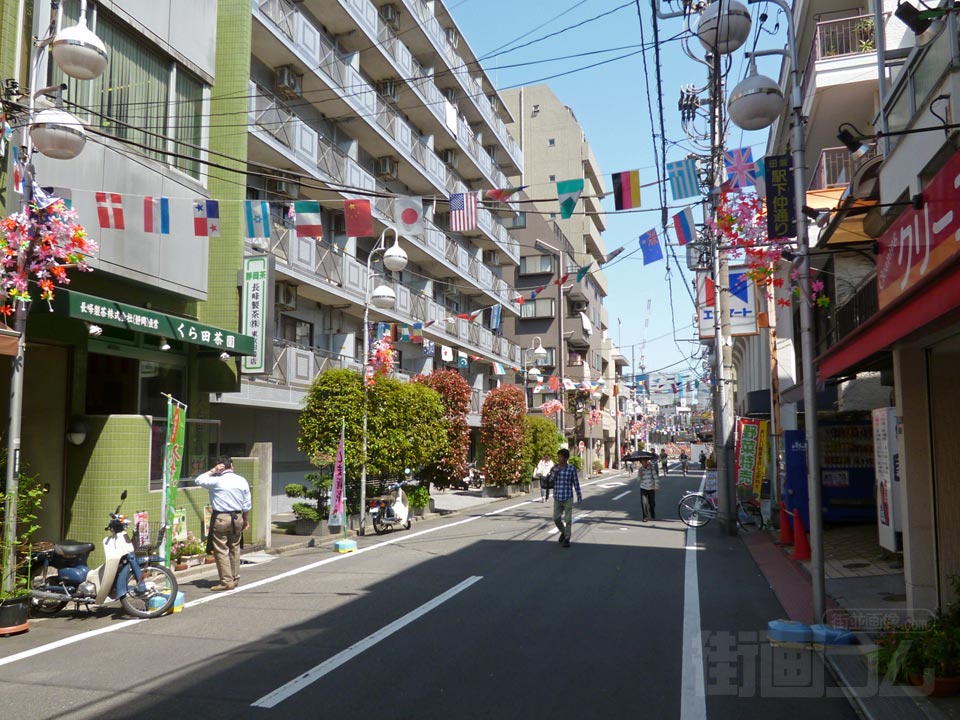
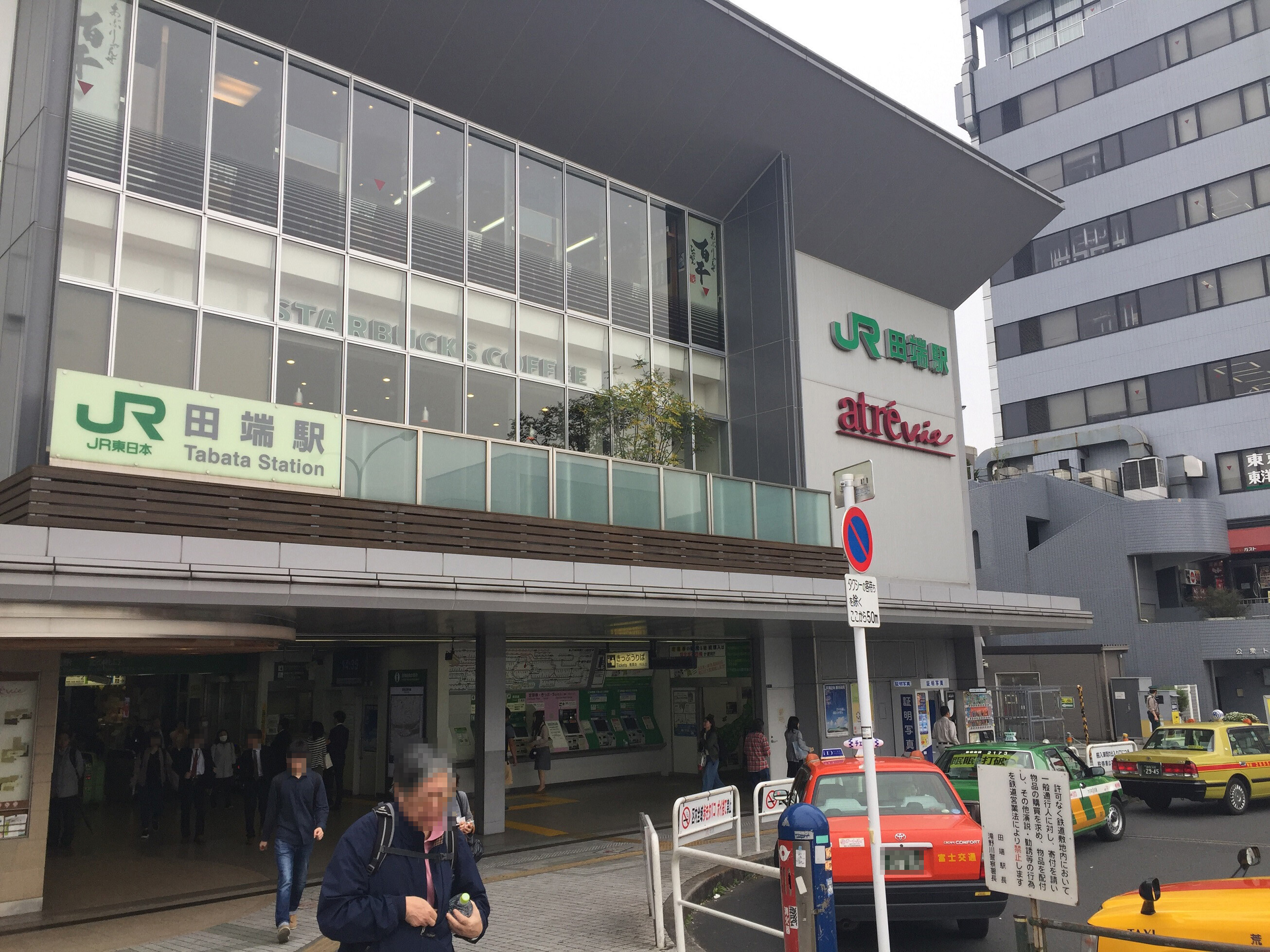
Tabata is served by the JR Yamanote Line and Keihin-Tohoku Line. The station area is simple and compact, with no large entertainment districts. It is a purely residential neighborhood. Its location makes it easy to access both Ueno/Tokyo and Ikebukuro areas. At night, the crowd quickly fades, and the atmosphere becomes calm.
2 Neighborhood Character
Conclusion: No flashiness, but highly livable.
There are fewer shops and restaurants, but the essentials are all there. The area is mostly residential, offering a quiet living environment. There are almost no tourist attractions, making it feel truly local. Even during the day, the flow of people is slow and the streets are calm.
3 Safety and Night Atmosphere
Conclusion: Very safe and stable.
With no nightlife districts, nighttime trouble is rare. While there are fewer people at night, it does not feel unsafe. Drunk crowds are uncommon, and the calm atmosphere continues. At night, you can even notice the sound of your own footsteps.
4 Rent Prices
Conclusion: Affordable for the Yamanote Line with strong value.
Studio to 1K apartments range around ¥70,000 to ¥100,000. For a Yamanote Line station, this is very reasonable. Considering the quiet environment and convenience, the cost-performance is strong. At night, indoor life is peaceful with minimal outside noise.
5 Shopping Environment
Conclusion: Essentials are covered, simple but sufficient.
Supermarkets and convenience stores are available near the station, covering daily needs. However, there are no large shopping complexes, so trips to Ueno or Ikebukuro are often needed. This simple setup actually makes life easier. In the evening, people shop quietly at their own pace.
6 Medical Facilities
Conclusion: Sufficient for daily needs.
Clinics and dental offices are scattered around the area, providing basic healthcare access. Larger hospitals are also nearby, offering additional reassurance. While not extensive, it covers all essential needs. During the day, you’ll see a steady flow of patients.
7 Local Restaurants
Conclusion: Fewer options, but strongly local.
■ Koganeya
Genre: Japanese set meals
Price: Up to ¥1,000
https://www.google.com/search?q=こがね屋+田端
Local feel: Mostly locals, with a quiet dining atmosphere.
Future image: You develop a routine of eating efficiently after work.
■ Tabata Taishoken
Genre: Tsukemen / ramen
Price: Around ¥1,000
https://www.google.com/search?q=田端大勝軒
Local feel: Not flashy, but consistently popular.
Future image: It becomes your regular stop on the way home.
■ Torifuji
Genre: Yakitori
Price: ¥2,000–¥3,000
https://www.google.com/search?q=鳥富士+田端
Local feel: Calm customers, ideal for relaxed drinking.
Future image: You start enjoying a quiet drink on weekends.
8 Ramen Picks
Conclusion: Limited in number but reliable quality.
■ Tabata Taishoken
Style: Tsukemen
Price: Around ¥1,000
https://www.google.com/search?q=田端大勝軒
Local feel: Many regulars, steady and calm flow.
Future image: It becomes your go-to ramen spot.
■ Menya Marubun
Style: Soy sauce ramen
Price: Around ¥1,000
https://www.google.com/search?q=麺屋まる文+田端
Local feel: Quiet atmosphere, many solo diners.
Future image: A casual stop on your way home becomes routine.
9 Train Lines and Accessibility
Conclusion: Highly practical with Yamanote and Keihin-Tohoku Lines.
Direct access to major areas is a strong advantage. Especially convenient for Ueno and Tokyo directions. While not flashy, it offers excellent commuting performance. Morning travel feels relatively calm.
10 Access to Major Areas
Conclusion: Smooth access across Tokyo.
Ueno: About 5 minutes (last train around 0:30 AM / taxi about ¥1,500)
Tokyo: About 10 minutes (last train around 0:20 AM / taxi about ¥3,000)
Ikebukuro: About 10 minutes (last train around 0:50 AM / taxi about ¥2,500)
Shinjuku: About 20 minutes (last train around 0:30 AM / taxi about ¥4,000)
Even late at night, returning from major areas feels easy and stress-free.
11 Shrine, Park, and Cultural Spots
Conclusion: Quiet places for everyday relaxation.
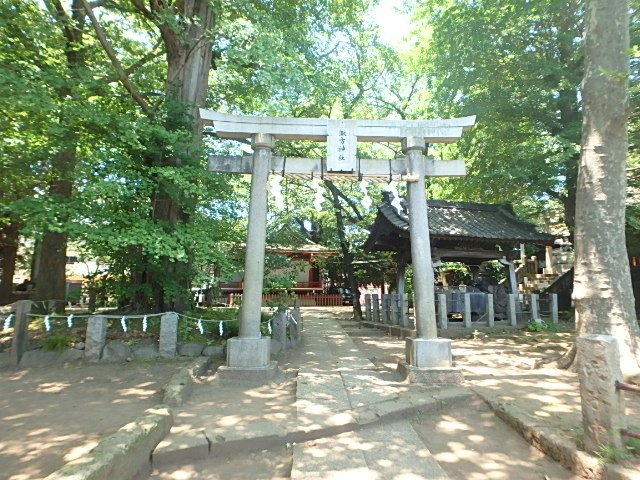
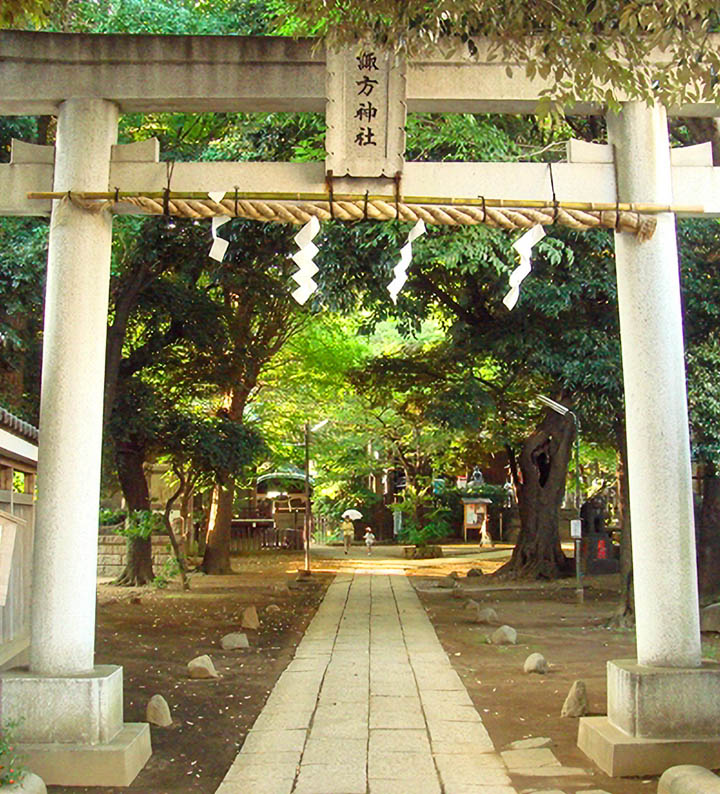
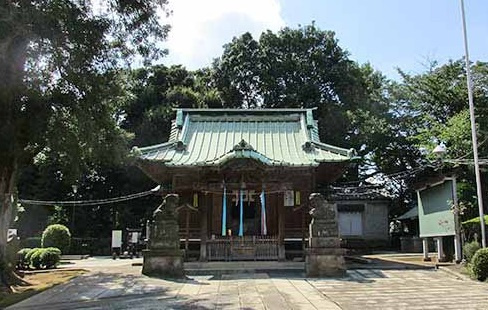
Suwa Shrine is located within a residential area, offering a calm and quiet atmosphere. It’s not flashy, but perfect for peaceful moments. Mornings and evenings are especially serene.
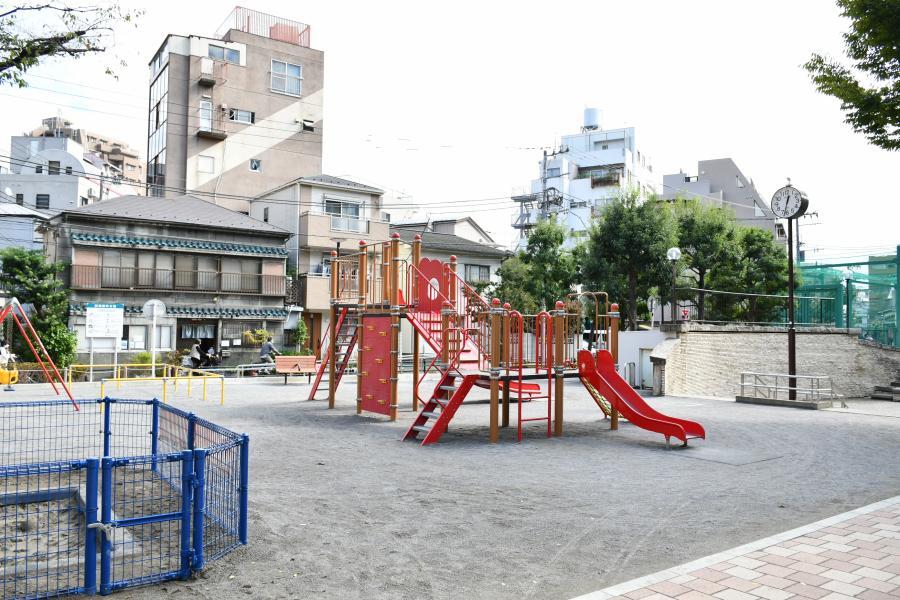


Tabata Shinmachi Park is a small, local park used daily by residents. It’s quiet and comfortable, ideal for relaxing. During the day, the atmosphere is calm. Sitting on a bench, you can hear only the sounds of everyday life.
12 Disaster Risk
Conclusion: Relatively stable with low major risks.
With some elevated areas and fewer nearby rivers, flood risk is low. The ground is also relatively stable. Compared to other Tokyo areas, it is on the safer side. Even during heavy rain, daily life continues normally.
13 Pros and Cons
Conclusion: Strong for those prioritizing quiet and affordability.
Pros include low rent, quietness, and good access. Cons are limited shops and weak entertainment options. However, this simplicity directly supports an easy lifestyle. At night, the lack of noise becomes a source of comfort.
14 Who It’s For
Conclusion: Ideal for those seeking quiet and value.
Perfect for people who dislike busy environments and want a structured lifestyle. It suits those who want city access while maintaining a calm home base. If you value a quiet return home at night, this area fits well.
15 Summary
Conclusion: Best for those who want a simple, noise-free life on the Yamanote Line.
Living here, your life becomes simpler and free from unnecessary distractions. Mornings start calmly, days are spent in the city, and nights end in a peaceful atmosphere. Tabata is a place where you can build a balanced and quiet life in Tokyo.
Check nearby Yamanote Line stations
← Komagome Station Tokyo Living Guide | Tabata Station | Nishi-Nippori Station Tokyo Living Guide →