- In One Sentence
- 1 Basic Information
- Nishikokubunji Station
- 2 Area Characteristics
- 3 Safety and Night Atmosphere
- 4 Rent Prices
- 5 Shopping Environment
- 6 Medical Access
- 7 Local Restaurants
- 8 Ramen
- 9 Character of the Lines
- 10 Access to Major Stations
- 11 Shrines, Parks, Cultural Spots
- Musashi Kokubunji Ruins Area
- Kurogane Park
- 12 Disaster Risk
- 13 Advantages and Disadvantages
- 14 Who It Suits
- 15 Summary
In One Sentence
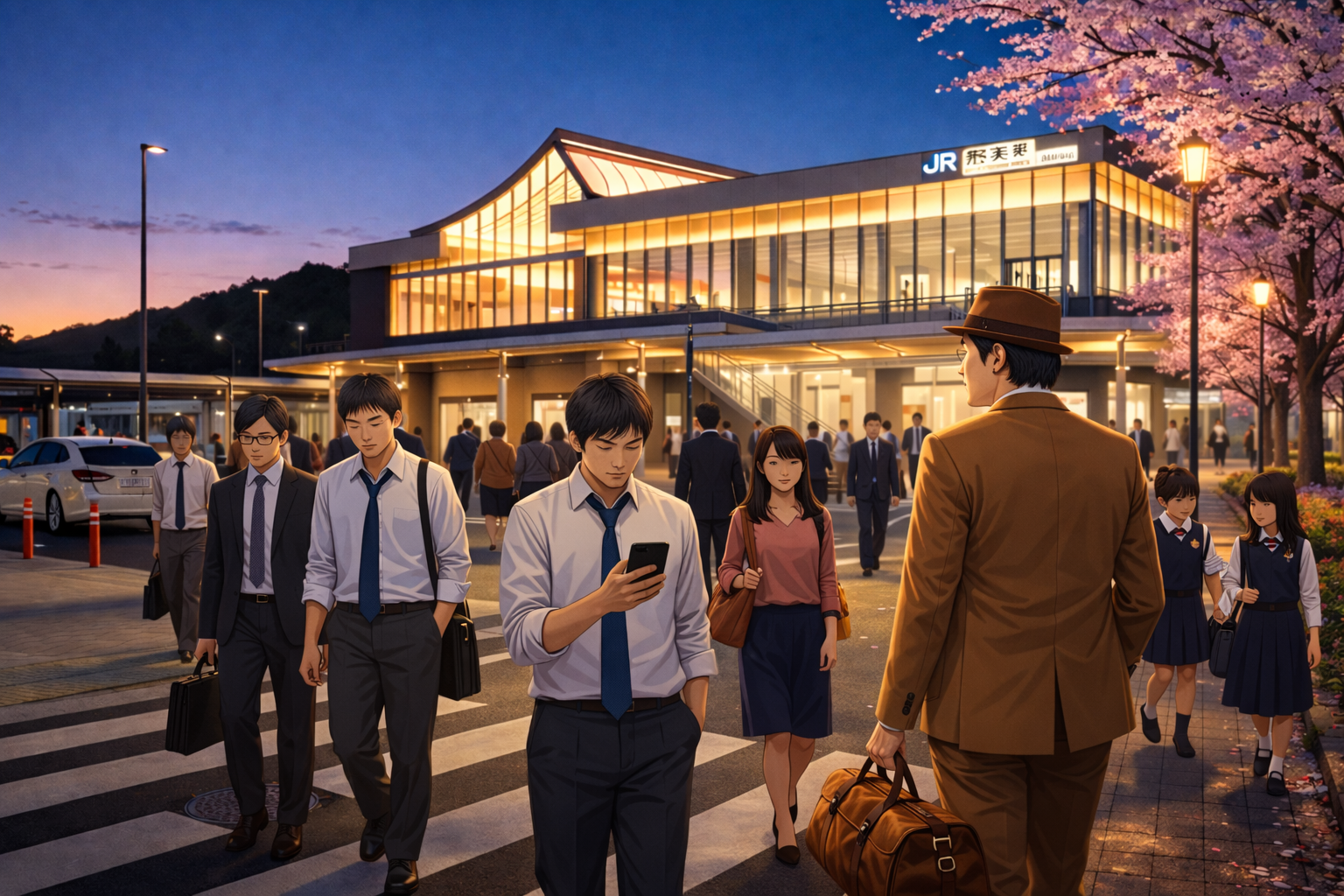
When you realize “Kokubunji is convenient, but I want something quieter,” this station appears in exactly the right place.
At night, the flow of people thins out quickly, and even around the station, the noise drops a level.
Living here gives you mobility without the pressure of constant activity.
1 Basic Information
Nishikokubunji Station
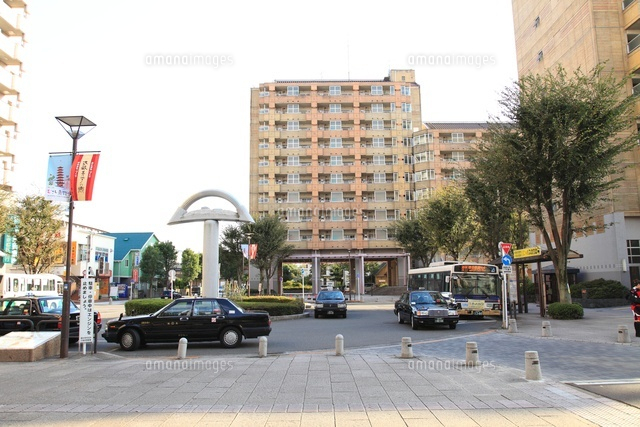
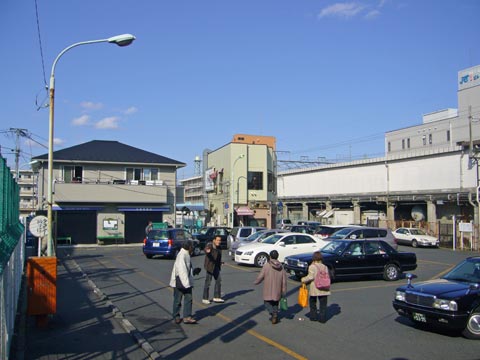

Nishikokubunji is an interchange station where the JR Chuo Line and Musashino Line intersect.
It takes about 30 minutes to Shinjuku and around 45 minutes to Tokyo.
At night, trains from both lines arrive alternately, creating a steady but quiet flow.
The essence of this station is a residential area with transfer functionality.
People pass through—but they do not stay.
Living here allows you to keep transportation convenience while distancing yourself from urban noise.
2 Area Characteristics
Nishikokubunji is a residential-focused area built purely for living.
Around the station, there are only essential shops, and within minutes the environment shifts into quiet neighborhoods.
During the day, you see homemakers and elderly residents; in the evening, returning commuters dominate.
Unlike Kokubunji, there is no “hub atmosphere”—the purpose of the area is clearly living.
This structure creates a naturally quiet environment.
Living here shifts your lifestyle from “going out” to spending time at home.
3 Safety and Night Atmosphere
Safety is very stable.
The reason is simple—there is almost no nightlife, and few people stay out late.
After 10 PM, even near the station, foot traffic becomes minimal.
You mostly see individuals quietly heading home under streetlights.
Living here significantly reduces the feeling of tension when going out at night.
4 Rent Prices
Rent in Nishikokubunji is slightly lower than the Chuo Line average.
- Studio / 1K: ¥60,000–¥85,000
- 1LDK: ¥90,000–¥130,000
- 2LDK+: ¥130,000–¥180,000
Prices drop further as you move away from the station.
Despite having transfer convenience, costs remain relatively controlled.
Living here makes it easier to balance cost and quietness.
5 Shopping Environment
There are supermarkets and drugstores near the station, covering basic daily needs.
At night, people carrying groceries quietly disappear into residential streets.
Large shopping facilities are limited, so Kokubunji or Tachikawa is used when needed.
Living here leads to a minimalist, necessity-based lifestyle.
6 Medical Access
Clinics are scattered around the station, covering everyday medical needs.
For larger hospitals, nearby areas are relied upon.
During the day, the atmosphere remains calm and orderly.
Living here means basic care is local, while specialized care requires short travel.
7 Local Restaurants
Kitchen Fuji
Cuisine: Western-style
Price: ¥800–¥1,500
https://www.google.com/search?q=キッチンフジ+西国分寺
A quiet, local spot with regular customers.
It naturally becomes part of your daily routine.
Sakai Udon
Cuisine: Udon
Price: ¥700–¥1,000
https://www.google.com/search?q=うどん+さかい+西国分寺
Simple, consistent flavors.
You start stopping by without thinking.
8 Ramen
Mensoken Kurenai Nishikokubunji
Style: Spicy miso ramen
Price: ¥900–¥1,200
https://www.google.com/search?q=麺創研紅+西国分寺
A bold flavor that draws repeat visits.
It becomes the meal you crave after a long day.
Chuka Soba Shibata (Nearby)
Style: Soy sauce ramen
Price: ¥900–¥1,200
https://www.google.com/search?q=中華そば+しば田
Worth going out of your way for.
It adds a deliberate destination to your routine.
9 Character of the Lines
The Chuo Line is a primary east-west backbone of Tokyo, while the Musashino Line connects outer areas across Saitama and Chiba.
In the morning, flows split—toward central Tokyo via the Chuo Line, and outward via the Musashino Line.
Nishikokubunji is served by Rapid and Local Chuo Line trains, plus the Musashino Line, making it a true intersection point.
At night, the platform quietly alternates between trains heading in different directions.
This station creates flexible movement without urgency.
Living here gives you commuting options, while the surrounding environment remains calm and unchanged.
10 Access to Major Stations
- Shinjuku: ~30 min (last train around 00:20 / taxi ~¥9,000)
- Tokyo: ~45 min (last train around 00:00 / taxi ~¥14,000)
- Tachikawa: ~5 min (last train around 01:00 / taxi ~¥1,500)
11 Shrines, Parks, Cultural Spots
Musashi Kokubunji Ruins Area
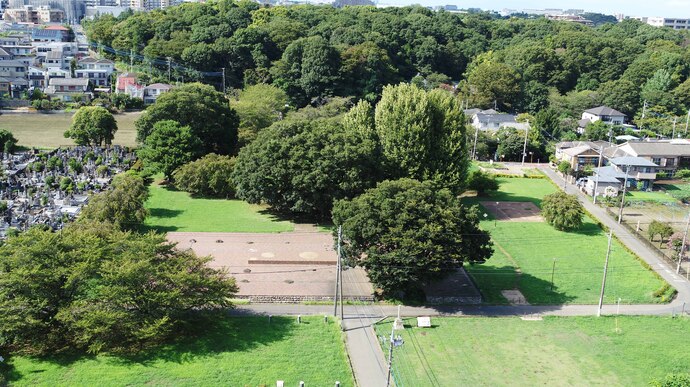
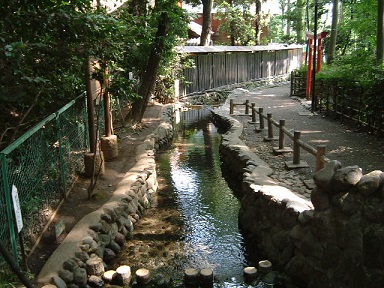
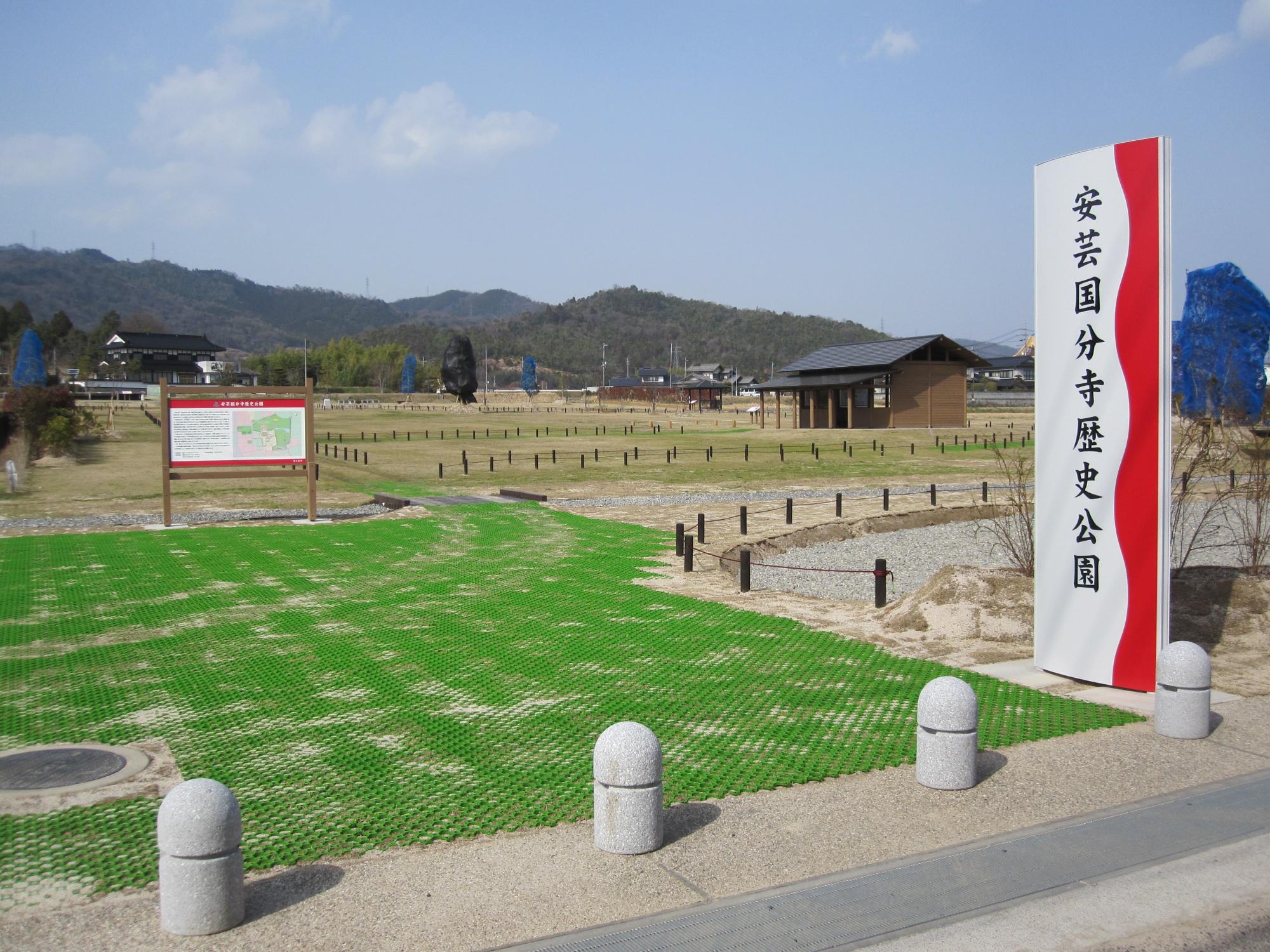
A place where history and open nature coexist.
You can hear wind passing through trees and water flowing quietly.
Time seems to slow down here.
Living here gives you a place to step out of the city’s pace.
Kurogane Park
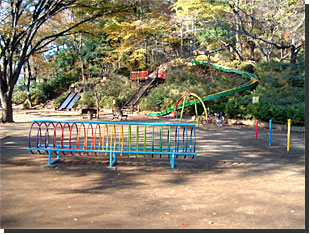
A quiet neighborhood park used by local residents.
In the evening, the soft voices of children and families fill the space.
It is not a destination, but part of everyday life.
Living here naturally creates moments of pause.
12 Disaster Risk
The ground is relatively stable, but there are elevation differences in surrounding areas.
Dense residential zones still carry fire risks.
Evacuation routes must be checked in advance.
At night, narrow streets reveal the closeness of buildings.
Living here requires understanding that quiet does not automatically mean safe, and preparation is essential.
13 Advantages and Disadvantages
Advantages
- Quiet and stable safety
- Transfer convenience
- Relatively affordable rent
Disadvantages
- Limited shopping and entertainment
- Few leisure options
- Slight distance from central Tokyo
14 Who It Suits
- People seeking a quiet lifestyle
- Remote workers or calm living styles
- Commuters who want to avoid noise
It is not suitable for those seeking excitement or nightlife.
Living here means removing unnecessary stimulation from life.
15 Summary
Nishikokubunji is a quiet base for structured living.
Morning: commute via the Chuo Line
Day: work
Night: return to calm surroundings
Weekends are spent locally, without needing to go far.
It is not flashy, but it reduces fatigue.
People who live here choose quietness.
This is a place where life is built slowly and steadily.
Check nearby Chuo Line stations
Kokubunji Station Tokyo Living Guide | Nishikokubunji Station Tokyo Living Guide | Kunitachi Station Tokyo Living Guide