- In One Sentence
- 1 Basic Information
- 2 Area Character
- 3 Safety and Night Atmosphere
- 4 Rent Prices
- 5 Shopping Environment
- 6 Medical Access
- 7 Local Restaurants
- 8 Ramen
- 9 Train Lines and Connectivity
- 10 Access to Major Stations
- 11 Shrines, Parks, and Culture
- 12 Disaster Risk
- 13 Pros and Cons
- 14 Who This Area Suits
- 15 Summary
In One Sentence
On the Chuo Line, this is the town you choose when you want a quiet, grounded life.
You give up a bit of speed, and in return you gain space, calm, and a steady rhythm.
Live here, and your days stop draining you.
1 Basic Information


Nishi-Ogikubo is a residential-focused area on the Chuo Line where daily life takes priority over movement.
Because rapid trains do not always stop here, the flow of people is naturally limited, keeping the area from becoming overcrowded.
In the morning, commuters move through, but without the pressure seen in Ogikubo or Kichijoji.
Even outside the ticket gates, people don’t accumulate.
Living here means a daily life where you’re not constantly pushed by the crowd.
2 Area Character
Nishi-Ogikubo is a place where independent shop culture and quiet residential life exist at the same temperature.
Instead of chain stores, you find small cafés, bookstores, and specialty shops scattered throughout the area.
There is no strong division between north and south—just a consistent atmosphere everywhere.
Without large commercial facilities, the town itself becomes your living space.
Step into a side street, and shops and homes blend together.
Living here means finding satisfaction in how you spend your time, not what you consume.
3 Safety and Night Atmosphere
Nishi-Ogikubo is one of the quietest areas along the Chuo Line at night.
The nightlife is minimal, and late at night the presence of people drops sharply.
There are few disturbances, and the area maintains a resident-focused atmosphere.
Even near the station, voices stay low.
Living here means nights that don’t wear you down.
4 Rent Prices
Nishi-Ogikubo sits slightly lower than nearby major stations, but its value comes from its atmosphere.
Because rapid trains don’t fully serve the station, demand is moderated compared to Ogikubo or Kichijoji.
Single apartments range around ¥70,000–¥100,000, while family units start around ¥130,000.
This pricing reflects the value of calmness and livability rather than convenience.
Living here means choosing your environment first, then accepting the rent that fits it.
5 Shopping Environment
Nishi-Ogikubo offers everything you need, but nothing excessive.
Supermarkets and drugstores are available, but there are no large shopping complexes.
Daily errands are completed naturally within your routine.
Options are limited, but intentionally so—it keeps life simple.
In the evening, people quietly move through their routines.
Living here means a life where things don’t accumulate unnecessarily.
6 Medical Access
Nishi-Ogikubo provides sufficient everyday medical care with a nearby support network.
Clinics are available around the station, covering daily health needs.
For larger hospitals, residents typically go to Ogikubo or Kichijoji.
The atmosphere in clinics is calm and orderly.
Living here means managing daily care locally and relying on nearby areas when needed.
7 Local Restaurants
Nishi-Ogikubo is a place where independent restaurants naturally fit into daily life.
Norabou
Cuisine: Japanese
Price: ¥1,000–¥2,000
https://www.google.com/search?q=Norabou+Nishi-Ogikubo
Local feel: Solo diners eat quietly in a steady rhythm.
Future image: You gain a place you can return to without effort.
Bistro Sate
Cuisine: Bistro
Price: ¥3,000–¥5,000
https://www.google.com/search?q=Bistro+Sate+Nishi-Ogikubo
Local feel: Conversations stay calm, and time flows slowly.
Future image: Everyday dining gains just enough sense of occasion.
8 Ramen
Nishi-Ogikubo is not a flashy ramen battleground, but it offers ramen that fits naturally into daily life.
Hatsune
Type: Soy sauce ramen
Price: ¥1,000–¥1,500
https://www.google.com/search?q=Hatsune+Nishi-Ogikubo
Local feel: A quiet line forms, without noise or rush.
Future image: Even waiting becomes part of your routine.
Men-son RAGE (within daily range)
Type: Ramen
Price: ¥1,000–¥1,500
https://www.google.com/search?q=Menson+RAGE+Nishi-Ogikubo
Local feel: Mostly solo diners, with efficient turnover.
Future image: A quick bowl becomes part of your commute home.
9 Train Lines and Connectivity
Nishi-Ogikubo is a station where you intentionally accept a bit of inconvenience to gain a quieter life.
The reduced accessibility is exactly what protects the atmosphere of the area.
Chuo Line rapid trains do not always stop here.
During weekday daytime hours, rapid services pass through, meaning you cannot fully rely on fast connections.
This “pass-through station” status limits incoming traffic and prevents overcrowding.
Instead, the Chuo-Sobu Local Line (all-stop service) becomes the foundation of daily travel.
To access rapid trains, you typically transfer at Nakano, creating a routine of “one extra step before reaching the city.”
This structure creates a clear contrast:
Ogikubo → fast, direct movement
Nishi-Ogikubo → step-by-step, controlled movement
The Chuo Line also changes stopping patterns depending on time and day, and nearby stations like Asagaya and Koenji share similar patterns.
However, Nishi-Ogikubo leans even more strongly toward an all-stop lifestyle.
Morning platforms are crowded, but without the compression seen at larger stations.
There is space in how people move and wait.
This rail structure defines the character of the town itself.
Living here means choosing:
- stability over speed
- transfer over directness
- calm over convenience
And eventually realizing:
a slightly longer route with less stress is easier to sustain.
10 Access to Major Stations
Shinjuku: ~15 min (last train around 00:25 / taxi ~¥3,000)
Tokyo: ~30 min (last train around 00:00 / taxi ~¥7,000)
Kichijoji: ~3 min (last train around 00:45 / taxi ~¥1,200)
Ogikubo: ~2 min (last train around 00:45 / taxi ~¥1,000)
11 Shrines, Parks, and Culture
Igusa Hachiman Shrine
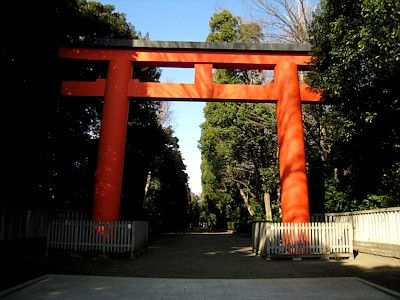
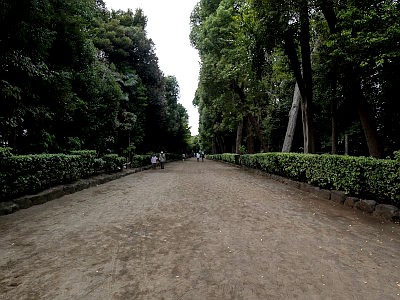
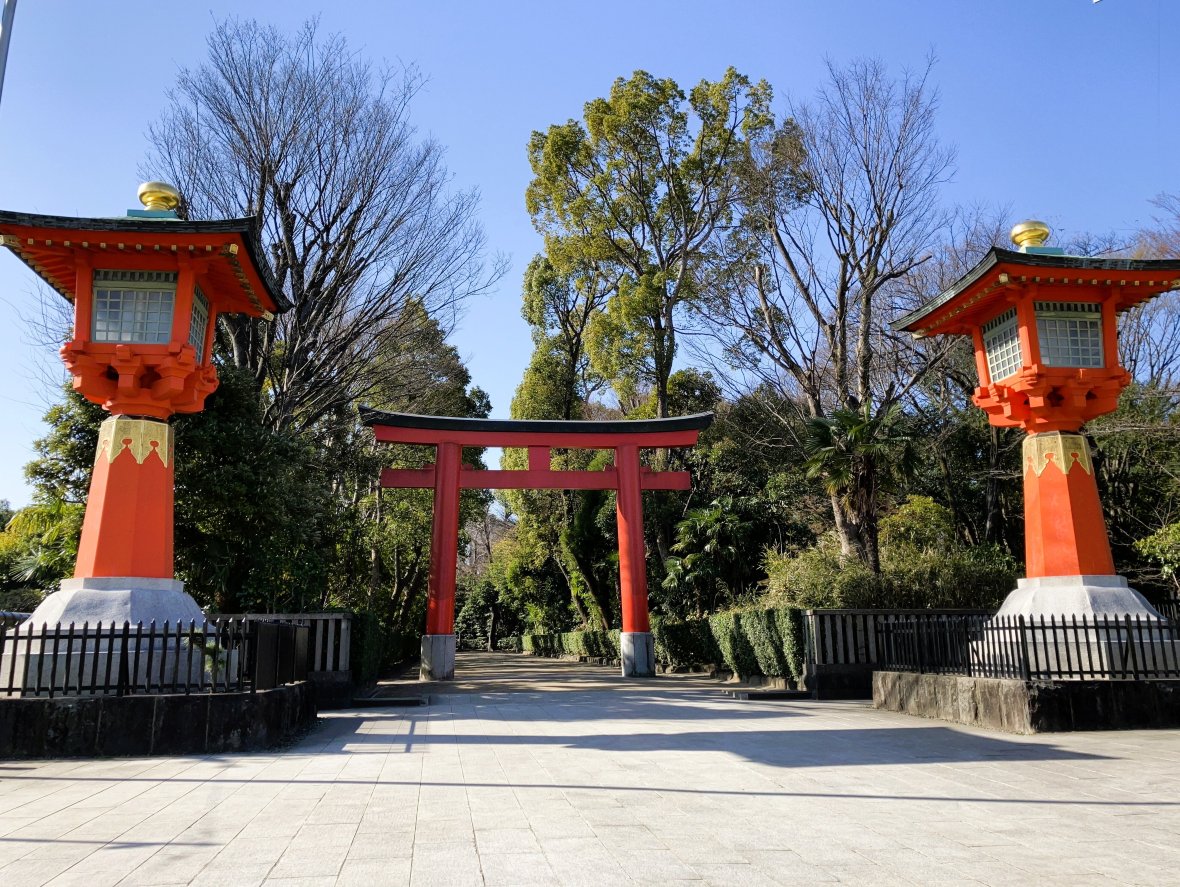
A major local shrine that acts as a quiet anchor for the community.
As you enter, the atmosphere shifts immediately.
Living here means having a place you can return to without planning.
Zenpukuji Park
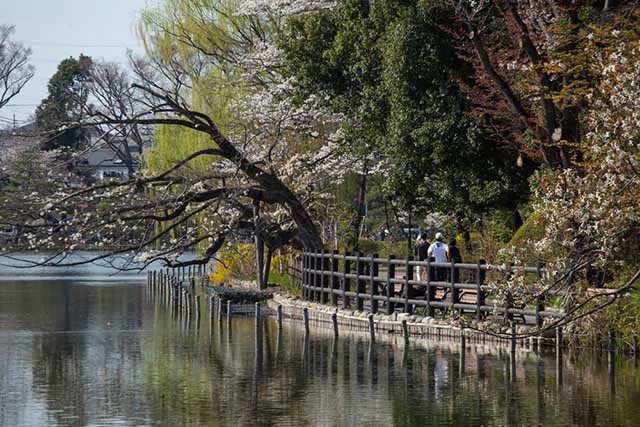
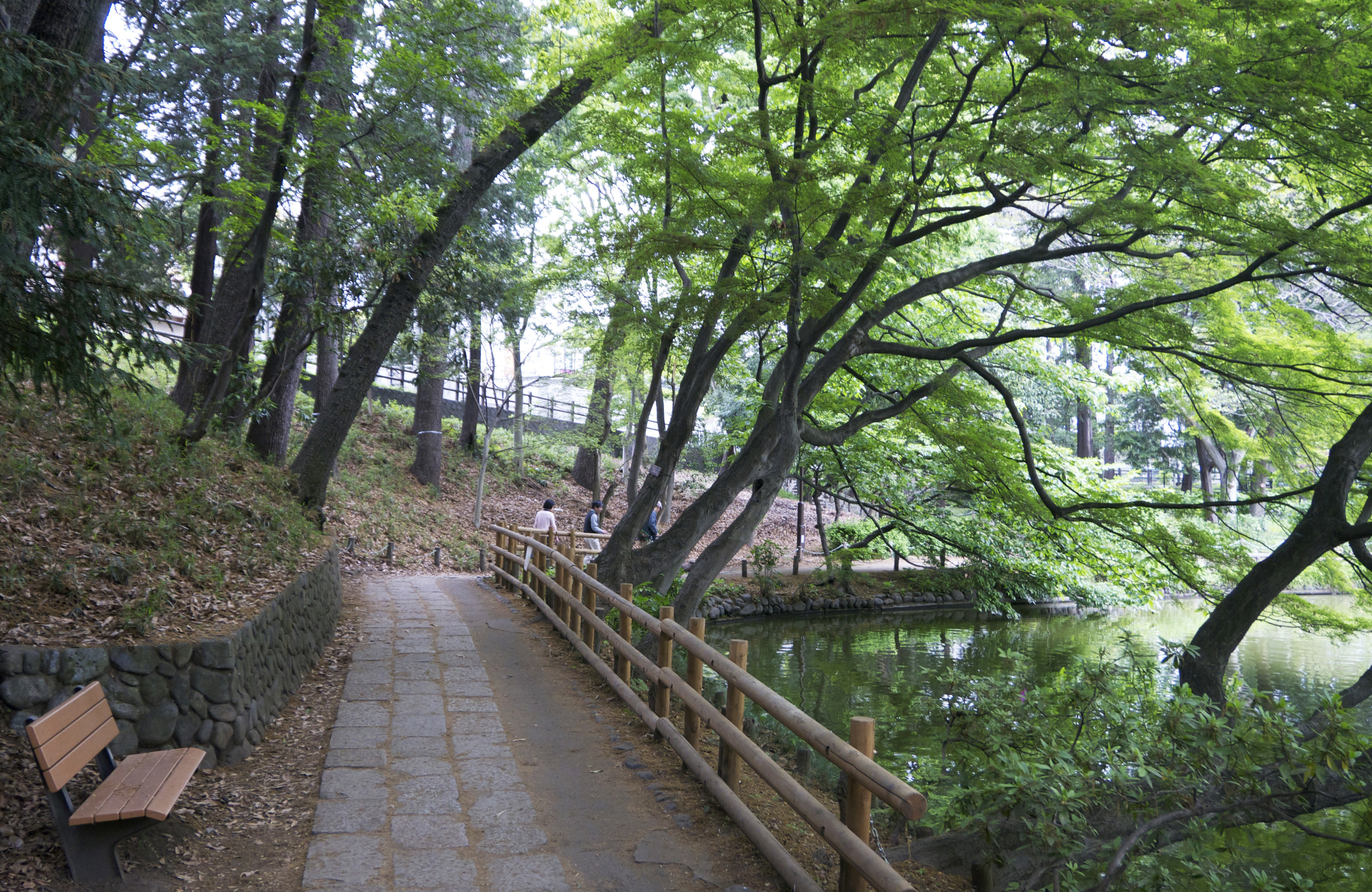
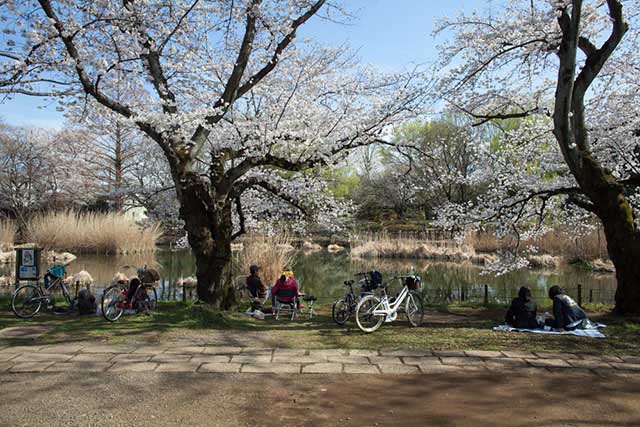
A nature-rich park that creates breathing space within the city.
Water and trees soften the entire atmosphere.
Living here means regularly stepping out of the city without leaving it.
12 Disaster Risk
Nishi-Ogikubo sits on the Musashino Plateau, providing relatively stable ground conditions.
Flood risk is low overall, but localized flooding can still occur during heavy rain.
Wooden residential structures remain, creating potential fire spread risks.
Narrow streets may also limit evacuation routes.
At night, some areas are quite dark, reducing visibility during emergencies.
Living here means enjoying safety in daily life while staying aware of risks.
13 Pros and Cons
Pros
- Quiet residential environment → low daily stress
- Strong independent shop culture → meaningful everyday experiences
- Slightly lower rent → balanced cost of living
Cons
- Rapid trains do not always stop → slower commutes
- No large shopping centers → limited retail variety
- Limited entertainment → you need to go elsewhere
14 Who This Area Suits
Nishi-Ogikubo is ideal for people who want a calm, structured daily life.
It fits those who prioritize atmosphere and mental space over convenience.
At night, people quietly return home at a steady pace.
Living here means choosing a life that doesn’t push you too hard.
15 Summary
Nishi-Ogikubo is a place where accepting a bit of inconvenience leads to a better quality of life.
In the morning, you take local trains into the city.
During the day, you move through a calm, grounded neighborhood.
At night, you return to quiet streets.
Weekends are spent in parks and small local shops, with each season subtly reshaping the atmosphere.
People who live here tend to value stability over stimulation.
If you want a life that doesn’t wear you down,
Nishi-Ogikubo quietly becomes the right choice.
Check nearby Chuo Line stations
Ogikubo Station Tokyo Living Guide | Nishi-Ogikubo Station Tokyo Living Guide | Kichijoji Station Tokyo Living Guide