- In One Sentence
- 1 Basic Information
- 2 Area Character
- 3 Safety and Night Atmosphere
- 4 Rent Prices
- 5 Shopping Environment
- 6 Medical Access
- 7 Local Restaurants
- 8 Ramen Culture
- 9 Train Lines and Connectivity
- 10 Access to Major Stations
- 11 Shrines, Parks, and Culture
- 12 Disaster Risk
- 13 Pros and Cons
- 14 Who This Area Suits
- 15 Summary
In One Sentence
Among Chuo Line stations, this is the one where ramen culture and quiet living truly coexist.
Crowds gather for lunch, but at night the sound fades into residential calm, creating a rhythm that naturally balances your life.
Live here, and your days become steadily satisfying without needing anything flashy.
1 Basic Information


Ogikubo is a residential hub where the JR Chuo Line Rapid and Tokyo Metro Marunouchi Line intersect, offering a balanced mix of access and livability.
In the morning, commuters flow rapidly toward Shinjuku, while in the evening, people quietly disperse back into the residential neighborhoods.
This clear movement pattern creates a separation between “where you work” and “where you live.”
At the ticket gates, the direction of people shifts instantly.
Living here means returning every day to a different kind of air than the one you work in.
2 Area Character
Ogikubo is a rare Chuo Line neighborhood where ramen culture and residential calm coexist.
The legacy of postwar Tokyo ramen still remains, with long-established shops and newer spots thriving side by side, while just a few minutes from the station, quiet residential streets begin.
The north side is dense with restaurants and shops, where ramen lines are part of everyday scenery, while the south side quickly transitions into calm housing areas.
This structure creates a lifestyle where you “satisfy yourself outside and reset at home.”
At lunchtime, quiet lines form in front of ramen shops.
Living here means switching between stimulation and calm at your own pace.
3 Safety and Night Atmosphere
Ogikubo is relatively safe for a Chuo Line area, with a night atmosphere that remains grounded in daily life.
The north side stays active at night with restaurants, but the noise is contained, and one street away, residential silence takes over.
Unlike major nightlife districts, the night here belongs to residents, not crowds.
Late at night, in the south side, only the sound of bicycles remains.
Living here means having nights where you don’t feel pressured to stay out.
4 Rent Prices
Ogikubo sits in the mid-to-upper range along the Chuo Line, but the pricing reflects its quality of life.
It has not experienced extreme redevelopment spikes, but strong demand from its convenience and livability keeps prices stable.
Single apartments typically range from ¥80,000 to ¥110,000, while family units exceed ¥150,000.
This pricing reflects a balance of access, calmness, and daily convenience rather than pure affordability.
Living here means choosing your lifestyle first, then accepting the rent that matches it.
5 Shopping Environment
Ogikubo offers a lifestyle where daily needs are completed around the station.
Supermarkets, drugstores, and everyday shops are concentrated near the station, making it easy to handle errands on your way home.
The north side has dense commercial options, while the south side offers smaller, neighborhood-oriented stores.
At night, scattered lights from open shops continue the rhythm of daily life.
Living here means you rarely need to go out of your way just to shop.
6 Medical Access
Ogikubo is a neighborhood where medical care is integrated into everyday life.
Clinics such as internal medicine and dental offices are widely available near the station, along with larger hospitals within walking distance.
The area’s older population has shaped a well-developed local healthcare system.
During weekdays, quiet lines form outside clinics.
Living here means having immediate access to care when you need it.
7 Local Restaurants
Ogikubo is not just about ramen—it also retains local restaurants embedded in everyday life.
Tomato
Cuisine: Western-style
Price: ¥1,500–¥2,500
https://www.google.com/search?q=Tomato+Ogikubo
Local feel: A quiet line forms even before opening, without noise or rush.
Future image: Weekend meals become a small but meaningful luxury.
Genji
Cuisine: Izakaya
Price: ¥3,000–¥5,000
https://www.google.com/search?q=Genji+Ogikubo
Local feel: Conversations between regulars blend naturally into the space.
Future image: You gain a familiar place where you are recognized.
8 Ramen Culture
Ogikubo is one of the core locations of Tokyo ramen culture, where ramen becomes part of daily life.
Harukiya Ogikubo Main Store
Type: Soy sauce ramen
Price: ¥1,000–¥1,500
https://www.google.com/search?q=Harukiya+Ogikubo
Local feel: Locals and visitors mix, but the flow remains calm.
Future image: A consistent taste becomes a regular anchor in your routine.
Marucho Chuka Soba
Type: Tsukemen
Price: ¥1,000–¥1,500
https://www.google.com/search?q=Marucho+Ogikubo
Local feel: Even while waiting in line, the atmosphere stays relaxed.
Future image: Waiting becomes part of your lifestyle rhythm.
there is ramen
Type: Ramen
Price: ¥1,000–¥1,500
https://www.google.com/search?q=there+is+ramen+Ogikubo
Local feel: Solo diners eat quietly and leave without lingering.
Future image: A quick, satisfying meal becomes part of your workday routine.
9 Train Lines and Connectivity
Ogikubo allows you to design your commute using both speed and comfort.
Some people rush toward the city on the Chuo Line, while others choose to sit comfortably on the Marunouchi Line.
The Chuo Line Rapid services—Rapid, Commuter Rapid, and Special Rapid—stop here, providing strong access to Shinjuku and Tokyo.
However, during rush hours, the trains are extremely crowded, trading speed for compression.
The Chuo-Sobu Local Line does not stop at Ogikubo, meaning travel to smaller stations requires a transfer at Nakano.
This creates a clear division between “fast wide movement” and “fine-grained movement.”
The Marunouchi Line starts at Ogikubo, giving you a reliable option to sit during your commute.
In the morning, orderly lines form quietly on the platform.
Additionally, the Chuo Line changes stopping patterns depending on time and day.
Some stations like Asagaya and Koenji are skipped during weekday rapid service, but Ogikubo is always served, ensuring consistent accessibility.
Living here means choosing not just how to ride trains, but how to move through the city.
10 Access to Major Stations
Shinjuku: ~10 min (last train around 00:30 / taxi ~¥2,500)
Tokyo: ~25 min (last train around 00:10 / taxi ~¥6,000)
Kichijoji: ~7 min (last train around 00:40 / taxi ~¥2,000)
Nakano: ~5 min (last train around 00:45 / taxi ~¥1,800)
11 Shrines, Parks, and Culture
Ogikubo Hachiman Shrine
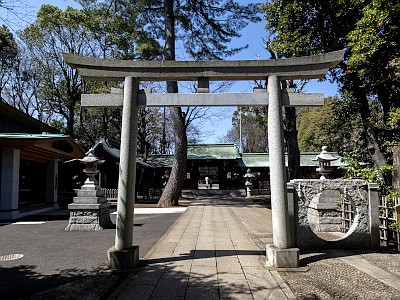

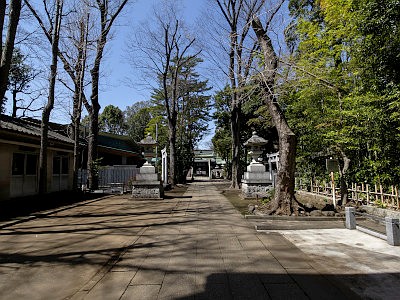
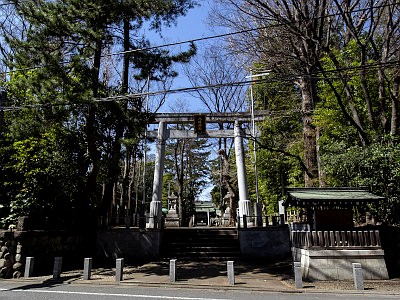
A local shrine deeply rooted in the community, offering quiet continuity in daily life.
As you walk through the approach, the city’s noise softens.
Living here means having a place you visit not just on special days, but anytime.
Otaguro Park
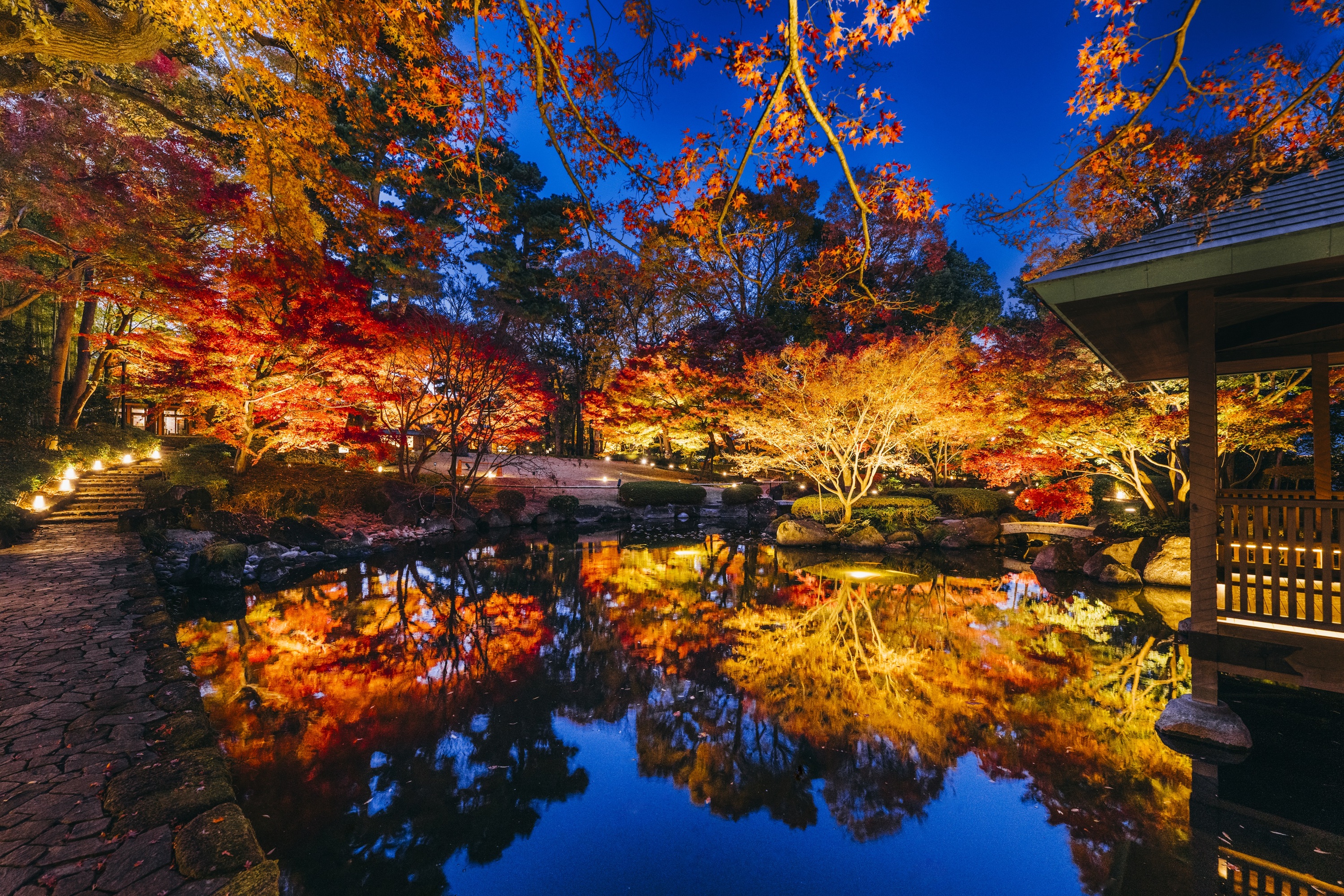
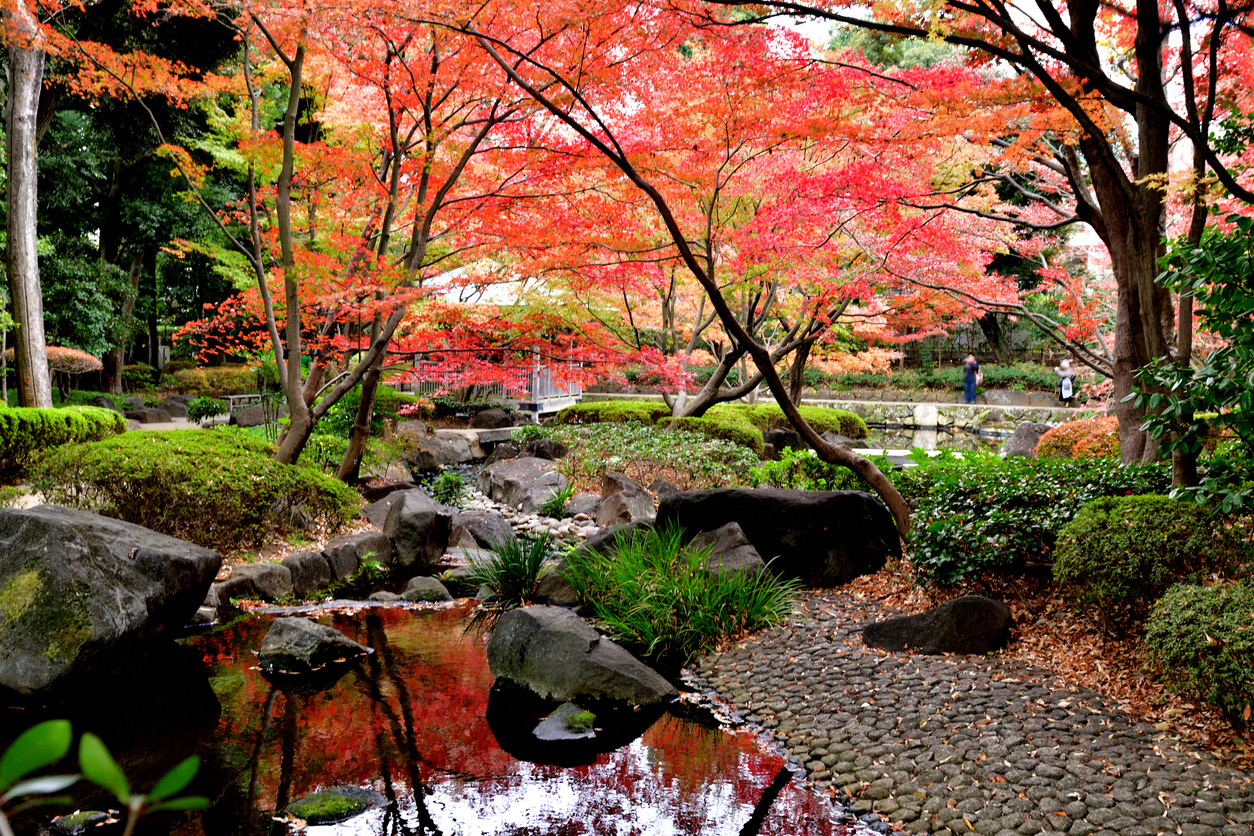
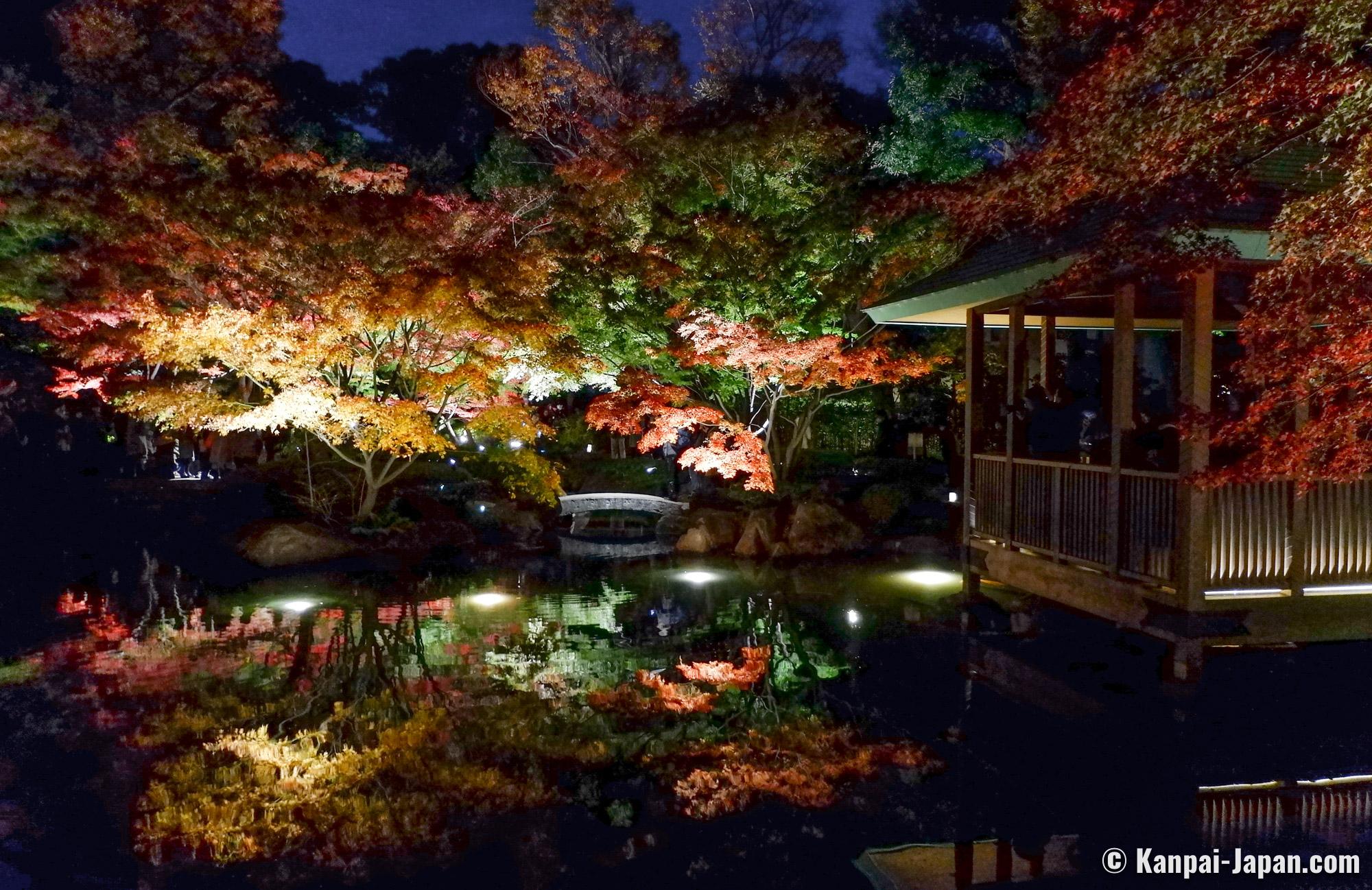
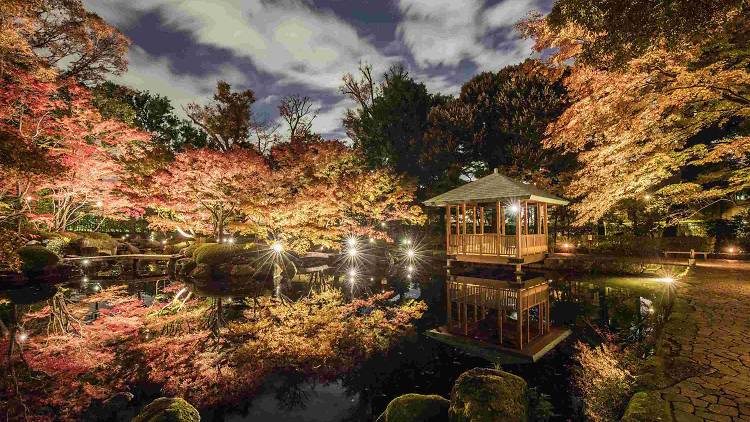
A hidden calm space within a residential area, providing mental reset within the city.
The sound of gravel underfoot becomes the loudest thing around you.
Living here means having moments where you step out of the city without leaving it.
12 Disaster Risk
Ogikubo sits on the Musashino Plateau, meaning relatively stable ground conditions.
Large-scale flooding risk is low, but localized flooding can occur during heavy rain.
Wooden residential areas still exist, which may increase fire spread risk.
Narrow streets can also restrict evacuation routes in emergencies.
At night, some areas become quite dark, reducing visibility during disasters.
Living here means enjoying daily safety while still needing awareness for emergencies.
13 Pros and Cons
Pros
- Excellent access to Shinjuku → shorter commute time
- Quiet residential environment → stable daily life
- Strong ramen culture → high food satisfaction
Cons
- Rent is not cheap → requires budget management
- Chuo Line congestion → stressful mornings
- Limited entertainment → you may need to go elsewhere
14 Who This Area Suits
Ogikubo is ideal for people who prioritize long-term livability over constant excitement.
It suits those who want strong city access but a calm place to return to.
At night, people quietly head home at a steady pace.
Living here means choosing sustainability over stimulation.
15 Summary
Ogikubo is a place where ramen culture and quiet residential life coexist.
In the morning, you head into the city.
During the day, your life is handled around the station.
At night, you return to calm streets.
Weekends are spent in parks, and each season gently reshapes the atmosphere.
People who live here tend to value stability over excitement.
If you are looking for a place to live comfortably over the long term,
Ogikubo quietly becomes the right choice.
Check nearby Chuo Line stations
Asagaya Station Tokyo Living Guide | Ogikubo Station Tokyo Living Guide | Nishi-Ogikubo Station Tokyo Living Guide