Quick take
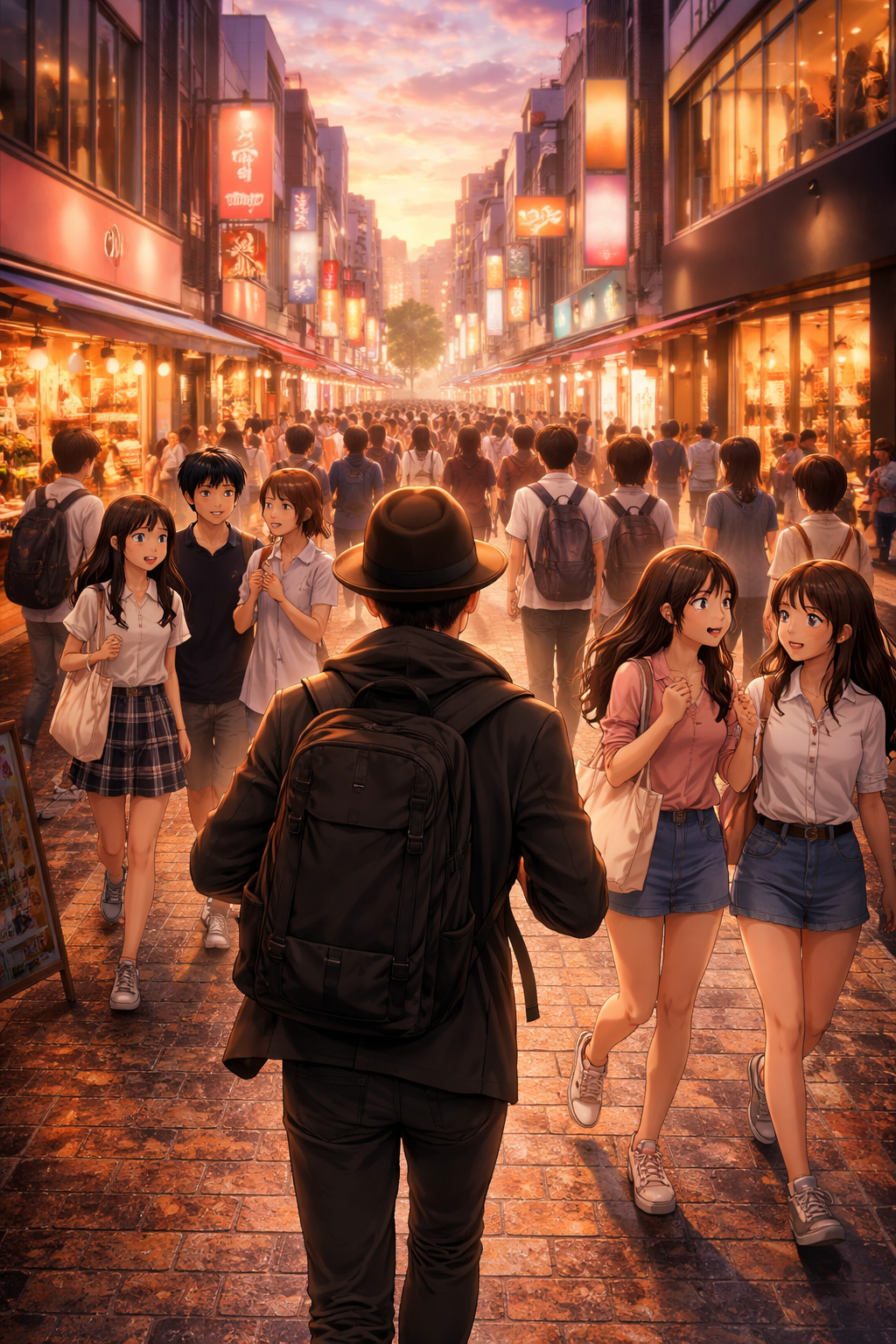
At night, Shibuya feels almost like another country—neon lights, crowds, and multiple languages blending together.
But step just one street away, and it suddenly becomes quiet, almost residential.
Once you get used to that contrast, the city quickly turns into a place you can actually live in.
1 Basic Information
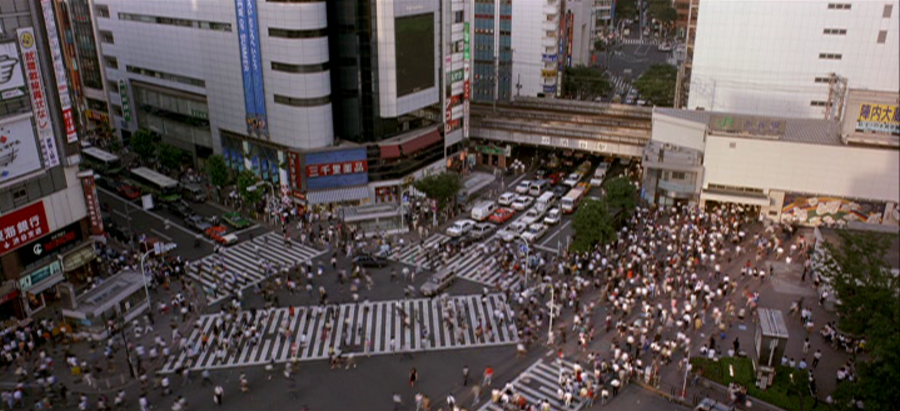

In the morning, Shibuya feels like a transit hub—people flowing smoothly into the station without stopping.
By midday, tourists take over, and by night, it transforms again. Standing at the scramble crossing, you realize the crowd itself is part of the attraction.
Living here means you’ll almost never struggle with transportation. Instead, you start thinking about how to move through crowds efficiently.
Before you notice it, you’re choosing slightly longer but less crowded routes without even thinking.
2 Area Characteristics
Shibuya looks like one district, but it’s actually fragmented.
The scramble crossing is always packed. Walk toward Dogenzaka, and the lights and noise intensify. Head to Miyamasuzaka, and it feels more business-like. Move further into areas like Kamiyamacho or Shoto, and everything becomes unexpectedly quiet and upscale.
Where you stand in Shibuya changes everything.
That’s why choosing where to live matters so much—your daily experience can be completely different within the same station area.
Eventually, you find yourself naturally deciding whether to stay in the lively side or retreat to the quieter one.
3 Safety & Night Atmosphere
Walking through Shibuya at night, the first thing you feel is the density of people.
Around Dogenzaka, there are drunk crowds and street promoters, but it feels more like constant motion than danger.
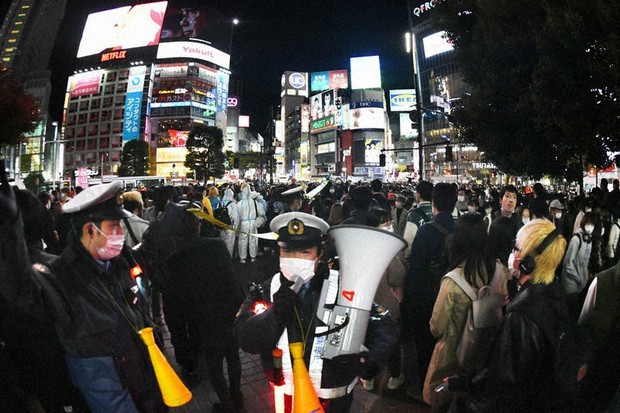
During Halloween, the area transforms entirely. The number of people becomes overwhelming—more like a phenomenon than an event—with crowd control and restrictions in place.
Living here means not expecting quiet nights.
Instead, you learn to choose—whether to avoid the chaos or step into it.
4 Rent Prices
Shibuya is expensive—but not uniformly.
Areas like Sakuragaoka or newly redeveloped zones are modern and polished, which pushes prices up. Shoto and Kamiyamacho are on another level, with a clear high-end residential feel.
Move slightly away from the center, and more realistic options appear.
Where you live defines your experience here.
Over time, you develop your own sense of what rent feels “worth it” for this location.
5 Shopping Environment
You won’t lack options—but everyday shopping takes adjustment.
Large commercial complexes have everything, but the crowds make it hard to shop slowly.
Instead, shopping becomes something you do along the way.
You stop “going shopping” and start “picking things up while passing through.”
6 Medical Facilities
There are plenty of clinics—but choosing the right one matters.
Close to the station, it’s convenient but crowded. Move slightly away, and you find calmer places.
Once you find a clinic that fits your routine, it becomes part of your daily flow.
Your lifestyle gradually adapts around it.
7 Local Restaurants
In Shibuya, eating isn’t a separate activity—it blends into your routine.
Reikyo (Taiwanese cuisine)
Price: ¥2,000–4,000
Google: https://www.google.com/search?q=麗郷+渋谷
The smell reaches the stairs before you even enter.
Before you know it, it becomes your regular spot.
Uoriki (Seafood)
Price: ¥1,500–3,000
Google: https://www.google.com/search?q=魚力+渋谷
Quiet inside despite the chaos outside.
A place where dining alone feels natural.
Nonbei Yokocho (Alley bars)
Price: ¥2,000–4,000
Google: https://www.google.com/search?q=渋谷+のんべい横丁
Narrow alleys packed with light and conversation.
Once you know it, Shibuya feels different.
Nakahara (Yakiniku)
Price: ¥8,000–15,000
Google: https://www.google.com/search?q=なかはら+焼肉
A completely different atmosphere—calm and refined.
A place that turns a normal day into something special.
8 Ramen Spots
Ramen in Shibuya depends on timing.
Kiraku
Google: https://www.google.com/search?q=喜楽+渋谷
Even with lines, it moves fast.
It naturally becomes part of your routine.
Hayashi
Google: https://www.google.com/search?q=はやし+渋谷+ラーメン
Only open during the day, always crowded.
Becomes a weekend destination.
A bowl at night feels less like a meal and more like closure.
9 Train Lines
Living in Shibuya changes your sense of distance.
You can get almost anywhere quickly, so travel stops feeling like effort.
Instead, the challenge becomes managing your pace in a constantly moving environment.
Eventually, “far away” stops being part of your vocabulary.
10 Access to Major Areas
Shinjuku ~7 min (Last train ~1:00 / Taxi ~¥2,500)
Tokyo ~20 min (Last train ~0:30 / ~¥6,000)
Shinagawa ~15 min (Last train ~0:30 / ~¥5,000)
Ikebukuro ~15 min (Last train ~0:50 / ~¥4,000)
Even after the last train, the city doesn’t really stop.
Time restrictions start to feel less relevant.
Your lifestyle expands into the night.
11 Shrine / Park / Culture
Konno Hachimangu Shrine

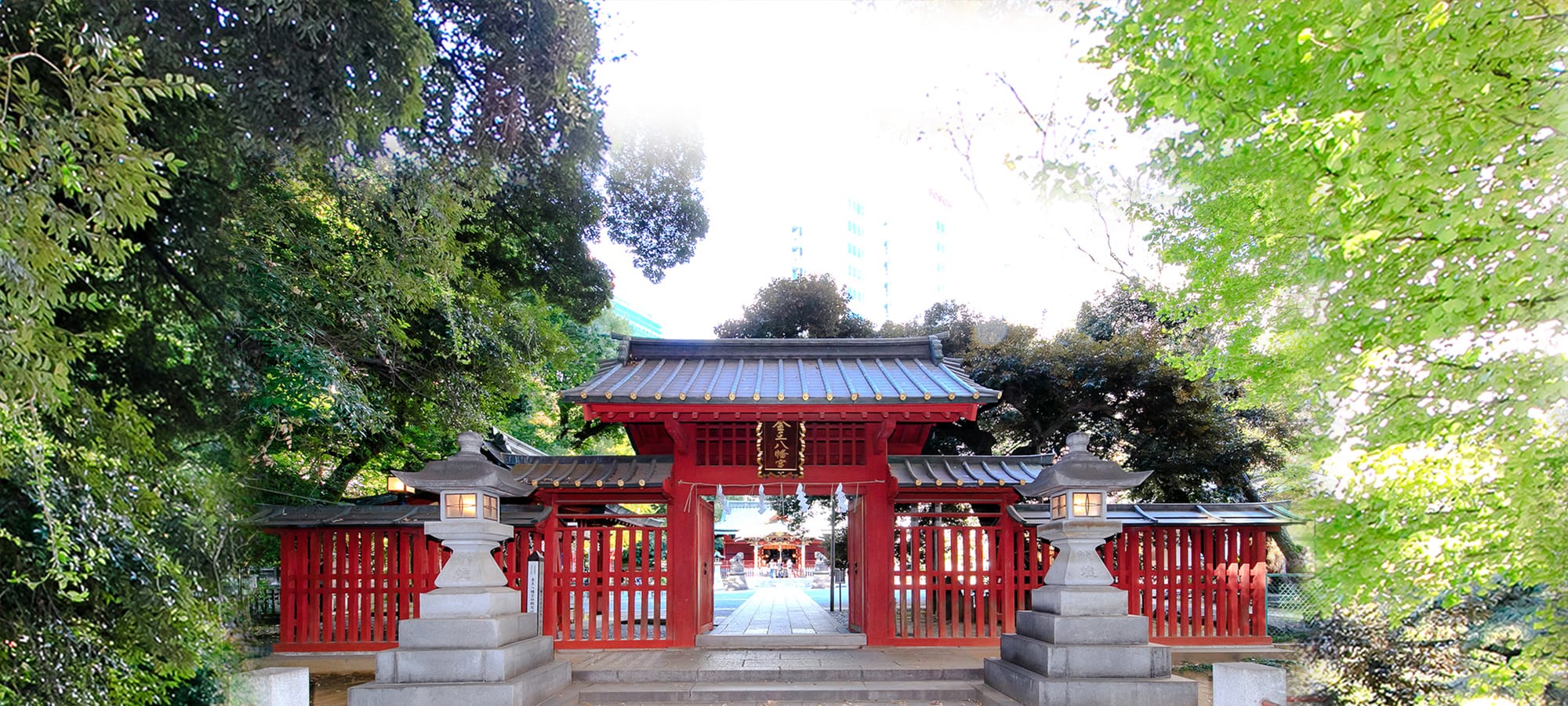
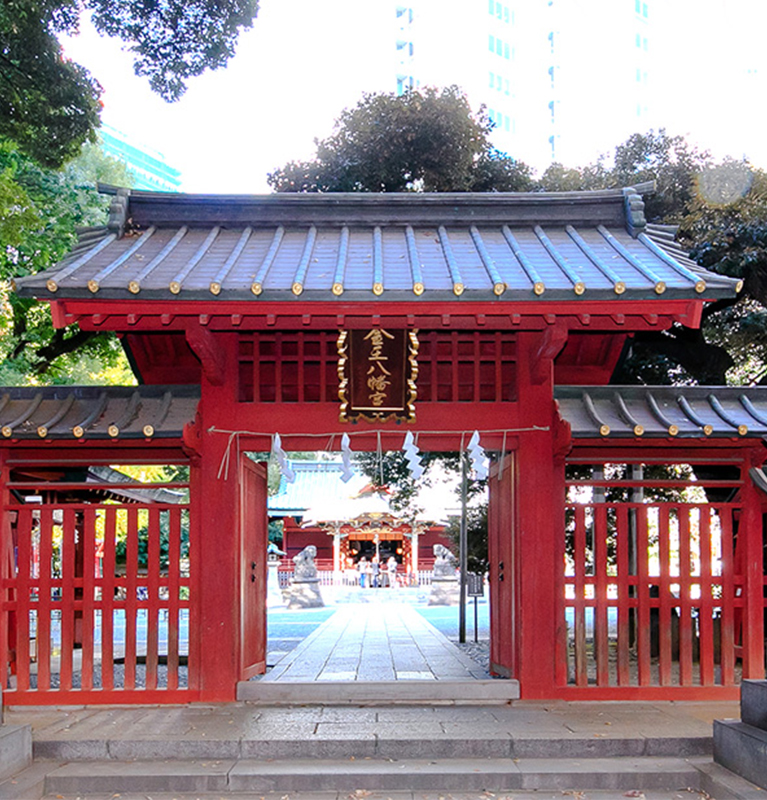
Just a few minutes away, the noise disappears.
That alone makes Shibuya livable.
A place to reset without leaving the city.
Yoyogi Park
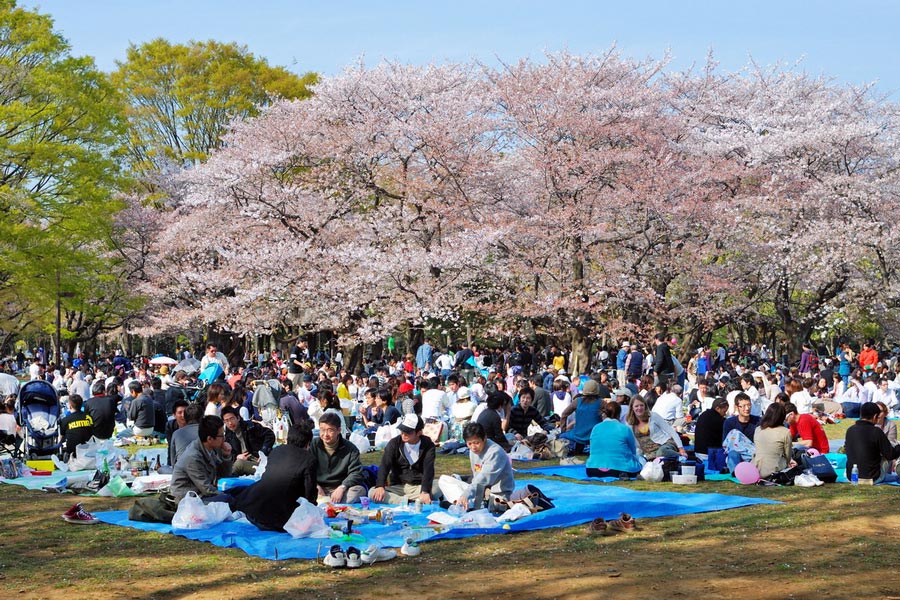

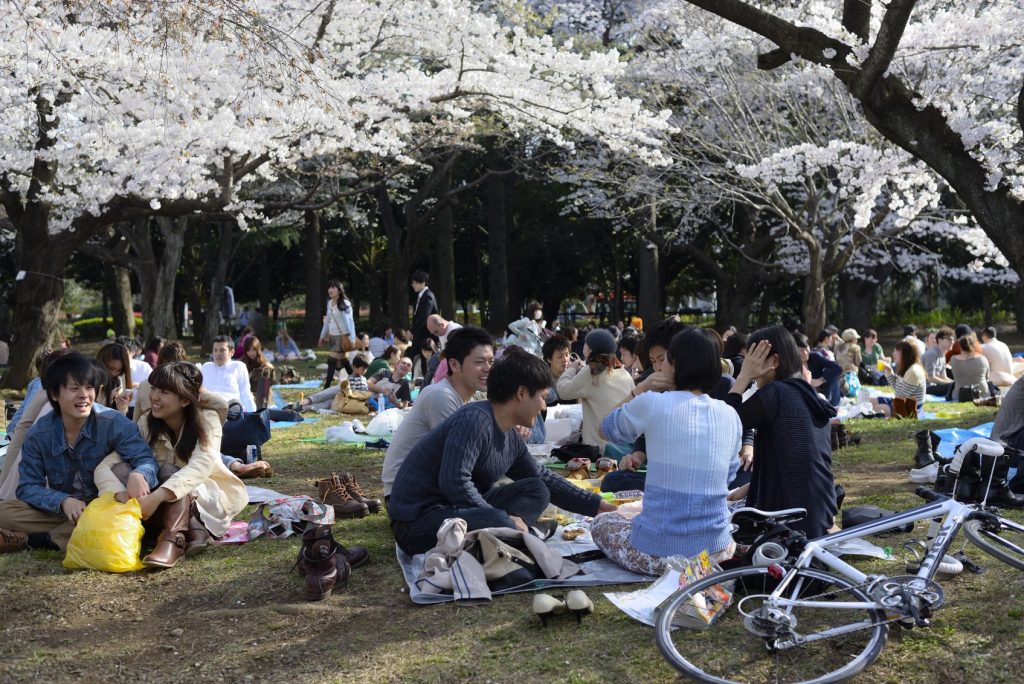
When Shibuya feels overwhelming, you come here.
There are still people and sounds—but no pressure.
It’s where you breathe again.
12 Disaster Risk
Shibuya’s risks come more from people and construction than the ground itself.
Ongoing redevelopment means scaffolding and materials are everywhere. In an earthquake, falling objects may be a more realistic concern than building collapse.
With such a high population density, evacuation can be complicated.
Living here means thinking in advance about where to go in an emergency.
It’s a city still in transition—and that comes with its own risks.
13 Pros & Cons
Shibuya offers freedom—but at the cost of calm.
Pros
- Access to everywhere
- Endless food and options
- Constant stimulation
Cons
- Crowds can be exhausting
- High rent
- Quiet living is difficult
14 Who It Suits
Shibuya suits people who enjoy change.
People who see crowds and noise as energy rather than stress.
If you prefer stability and silence, it may not fit.
Living here reshapes your expectations.
15 Summary
Shibuya is a place where you adapt your life to the city, not the other way around.
In the morning, you move with the flow of commuters. During the day, you weave through crowds to get things done. At night, you blend into neon lights and conversations. On weekends, you reset at Yoyogi Park, then return again. This rhythm becomes your life.
Foreign presence becomes part of everyday life. In cafes and restaurants, English is often understood, and conversations naturally shift between languages. At the same time, late at night, you may notice subtle tensions from cultural differences or mismatched expectations.
But that, too, is part of Shibuya. Different cultures overlap here, making it feel less like just Tokyo and more like a city connected to the wider world.
A quiet life is difficult.
But in exchange, you don’t just feel like you’re living in Tokyo—you feel like you’re living in the world.
Check nearby Yamanote Line stations
← Ebisu Station Tokyo Living Guide | Shibuya Station | Harajuku Station Tokyo Living Guide →