
- First, in one line
- 1 Basic Information
- 2 Neighborhood Character
- 3 Safety and Night Atmosphere
- 4 Rent Levels
- 5 Shopping Environment
- 6 Medical Access
- 7 Local Restaurants
- 8 Ramen Spots
- 9 Train Lines and Connectivity
- 10 Access to Major Stations
- 11 Shrines, Parks, and Culture
- 12 Disaster Risk
- 13 Pros and Cons
- 14 Who It Suits
- 15 Summary
First, in one line
Meguro is “a refined residential hub where calm and convenience coexist.” Nights feel composed rather than loud, with steady flows of diners and professionals—an understated mix of elegance and everyday life that makes you stand a little straighter.
1 Basic Information

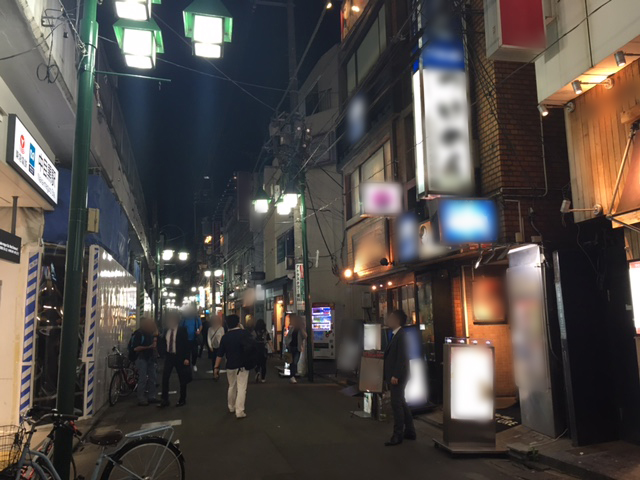
Conclusion: Meguro offers an excellent balance of central access and a calm living environment.
You can use the JR Yamanote Line, Tokyu Meguro Line, Tokyo Metro Namboku Line, and Toei Mita Line, giving strong connectivity across Tokyo. Shibuya, Shinagawa, and Shinjuku are all within easy reach, yet the station area itself avoids excessive chaos.
The area is hilly, and the atmosphere differs between the east side (toward Shirokane/Ebisu) and the west side (toward Nakameguro). Residential, dining, and office functions are well balanced.
Mornings are composed with commuters, daytime brings business workers and café users, and evenings see a calm flow of adults returning from dinner.
Living here naturally gives you “a convenient Tokyo life without the exhaustion.”
2 Neighborhood Character
Conclusion: Meguro is “not flashy, but highly complete as a place to live.”
It lacks Nakameguro’s trendiness, but compensates with a high level of livability. Supermarkets, dining, medical services, and cafés are all present at consistently good quality.
Main streets are well maintained, while side streets quickly transition into quiet residential zones. Nearby upscale neighborhoods give the entire area a sense of ease and space.
At night, the movement is more subdued than energetic.
Living here means your life organizes itself without forcing excitement.
3 Safety and Night Atmosphere
Conclusion: Safety is generally strong, with mild caution around dining areas.
There are many restaurants and bars near the station, so evenings are active, but nothing like the rough atmosphere of Shinjuku or Shibuya.
You’ll see people who have been drinking, but the crowd is mostly mature, and disturbances are rare. Residential streets become quiet quickly, making solo walks feel relatively safe.
Street lighting is adequate, and truly dark areas are limited.
Walking home at night becomes a calm, reflective part of your routine.
4 Rent Levels
Conclusion: Rent is high, but feels justified.
Studios typically range from ¥80,000–¥120,000, while 1K–1LDK units range from ¥120,000–¥200,000. Slightly expensive for the Yamanote Line, but reasonable given the environment and access.
Prices rise toward Shirokane and high-end residential zones.
Moving slightly away from the station reveals quieter areas with better value.
Living here reframes rent as “an investment in comfort and peace of mind.”
5 Shopping Environment
Conclusion: Daily life is almost fully covered around the station.
You’ll find Tokyu Store, Seijo Ishii, and other supermarkets, plus a high density of convenience stores.
Drugstores and daily goods are easy to access, allowing errands to be completed on the way home.
Prices are slightly higher, but quality matches.
Reducing shopping stress improves daily comfort more than expected.
6 Medical Access
Conclusion: Medical access is highly reliable.
Clinics for internal medicine, dentistry, dermatology, and more are available near the station.
Larger hospitals are accessible with a short trip, providing strong emergency coverage.
Being able to visit a doctor after work is a real advantage.
A neighborhood that supports your health becomes more valuable over time.
7 Local Restaurants
Conclusion: Meguro excels in high-quality, adult-oriented independent dining.
① Tonki
Genre: Tonkatsu
Price: ¥1,500–¥2,500
https://www.google.com/search?q=Tonki+Meguro
Local feel: You can watch the chefs work across the counter in a uniquely focused atmosphere
Future image: Quietly listening to the sound of frying after work becomes part of your routine
② Meguro Mitsuboshi Shokudo
Genre: Western-style comfort food
Price: ¥1,000–¥2,000
https://www.google.com/search?q=Meguro+Mitsuboshi+Shokudo
Local feel: Familiar yet slightly special flavors create a sense of comfort
Future image: It becomes your “this place is enough” spot on ordinary days
③ Cafés along the Meguro River
Genre: Café
Price: ¥500–¥1,500
https://www.google.com/search?q=Meguro+River+cafe
Local feel: Sitting at a riverside terrace with coffee, time slows down noticeably
Future image: Weekend mornings naturally turn into walks followed by café stops
8 Ramen Spots
Conclusion: Not flashy, but consistently excellent ramen options.
① Dzyurumen Ikeda
Genre: Tsukemen
Price: ¥900–¥1,200
https://www.google.com/search?q=Dzyurumen+Ikeda
Local feel: Rich broth with strong seafood aroma draws constant lines
Future image: Even waiting in line becomes part of the enjoyment
② Menya Ishin
Genre: Shoyu ramen
Price: ¥900–¥1,300
https://www.google.com/search?q=Menya+Ishin+Meguro
Local feel: Clean, refined flavors in a calm setting with many female customers
Future image: A quiet, “resetting” ramen moment becomes routine
9 Train Lines and Connectivity
Conclusion: Meguro is highly versatile for getting anywhere.
The Yamanote Line connects major Tokyo hubs, while the Meguro, Namboku, and Mita lines extend reach across the city and suburbs.
Work, leisure, and shopping routes are all easy to build.
Morning trains are crowded, but multiple line options provide flexibility.
When movement is easy, your lifestyle options expand naturally.
10 Access to Major Stations
Conclusion: Major areas are all within short travel time.
・Shibuya: ~5 min (last train around 0:30 / taxi ~¥1,500)
・Shinagawa: ~7 min (last train around 0:20 / taxi ~¥2,000)
・Shinjuku: ~15 min (last train around 0:10 / taxi ~¥4,000)
・Tokyo: ~20 min (last train around 0:00 / taxi ~¥5,000)
Even after missing the last train, taxi costs remain manageable.
11 Shrines, Parks, and Culture


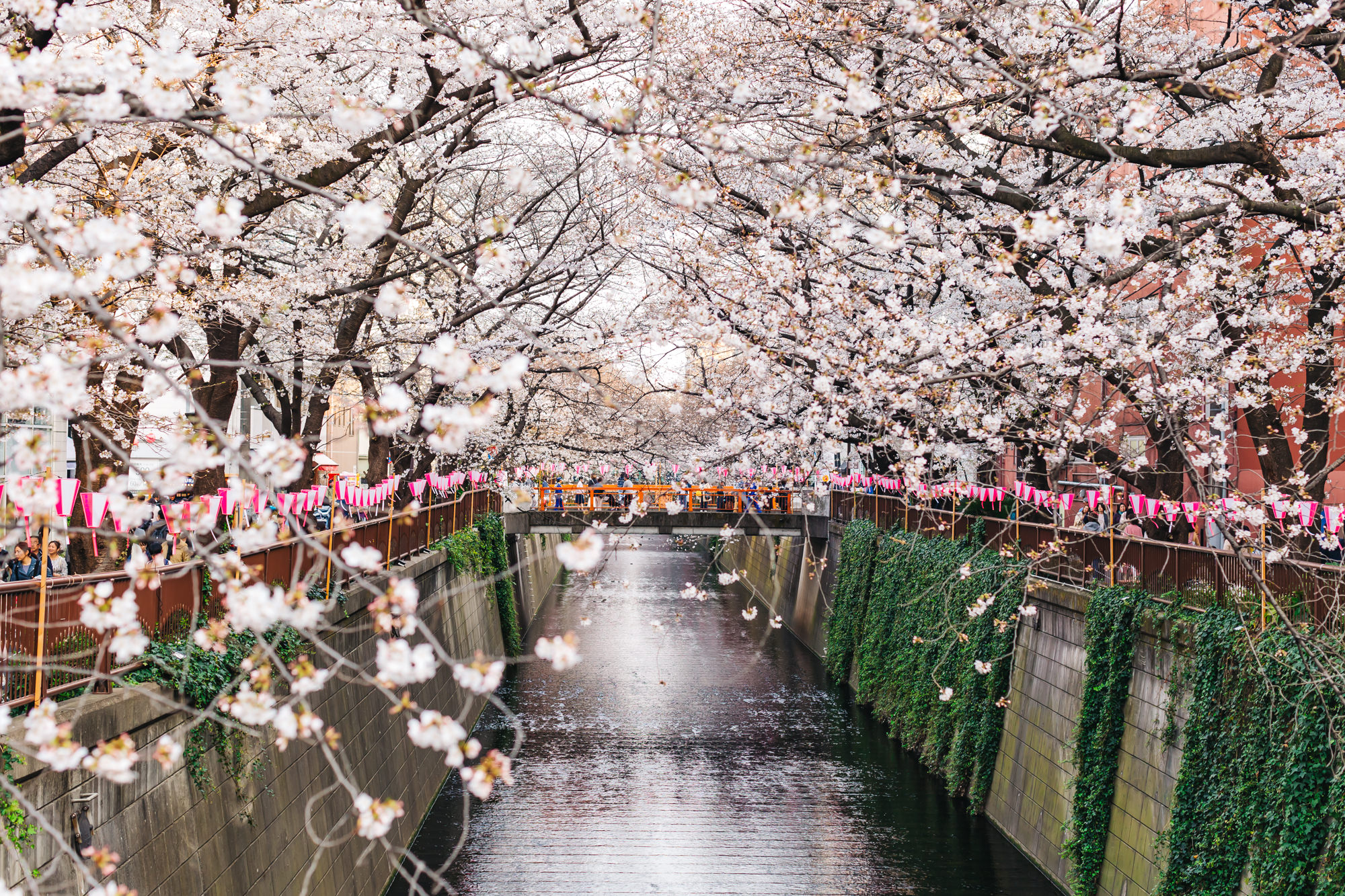
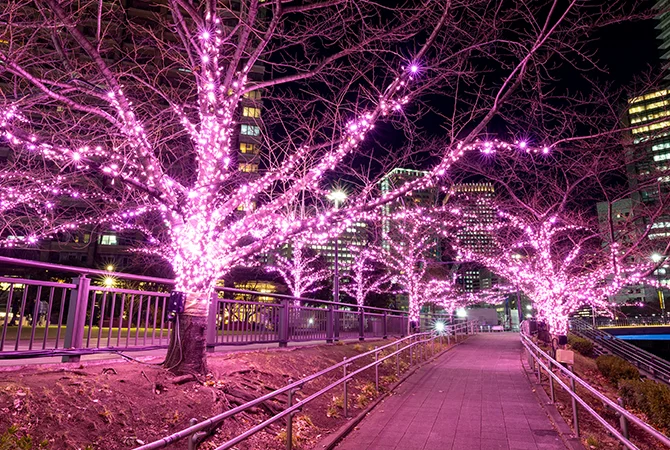
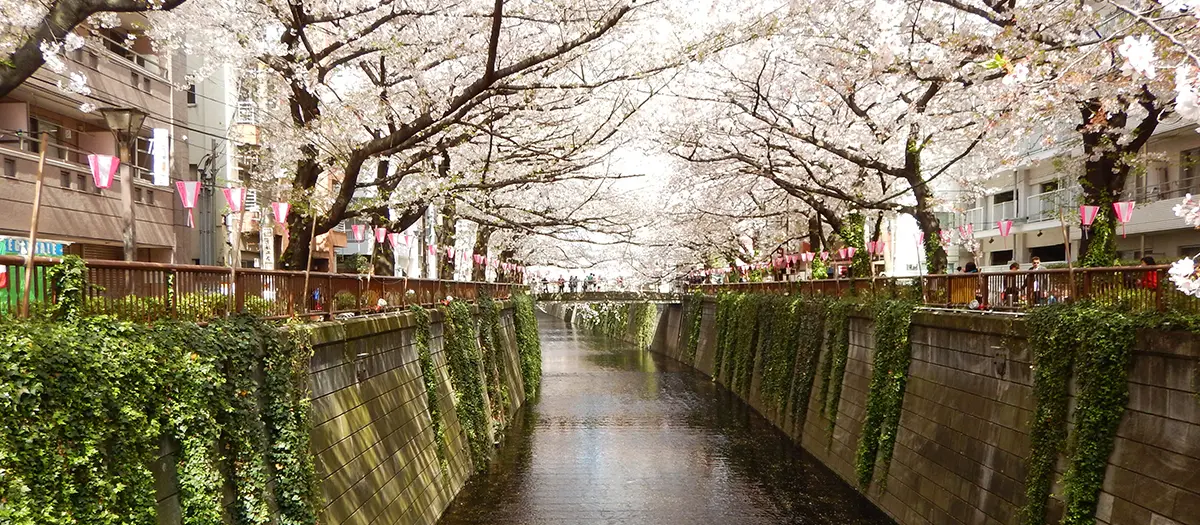
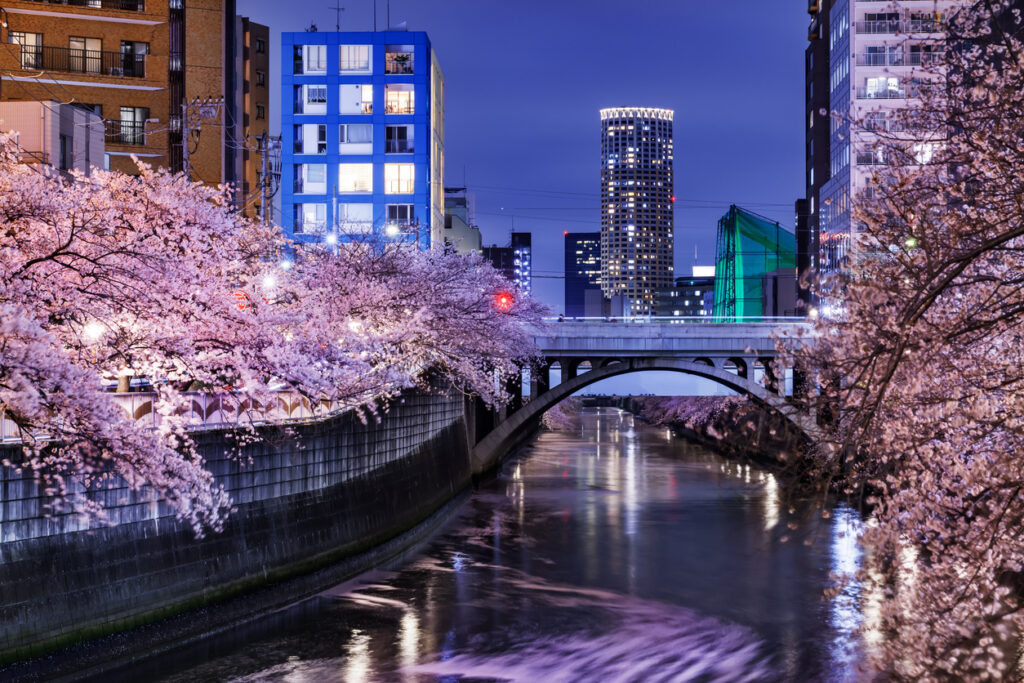
Conclusion: The Meguro River brings seasons directly into daily life.
In spring, the riverside fills with people as cherry blossoms form a tunnel overhead. Daytime feels bright and open, while evenings shift into a slightly dreamlike atmosphere with lighting.
Small cafés and restaurants line the river, offering terrace seating or window views of the blossoms. It gets crowded, but adjusting your timing reveals quieter moments.
Outside cherry blossom season, it remains an excellent walking route. Morning walkers, daytime café visitors, and evening strollers create shifting rhythms.
Living here turns cherry blossoms from something you “go see” into something that exists within your everyday life.
12 Disaster Risk
Conclusion: Generally stable, but location differences matter.
Many areas are elevated, reducing flood risk, but riverside zones require awareness.
Dense wooden housing areas carry fire risk.
Evacuation routes and designated areas should be confirmed.
Understanding safe daily routes improves overall peace of mind.
13 Pros and Cons
Pros
・Strong connectivity
→ Commuting and leisure are stress-free
・Stable safety
→ Comfortable even at night
・Balanced lifestyle
→ No single aspect dominates daily life
Cons
・High rent
→ Costs are significant
・Hilly terrain
→ Cycling can be difficult
・Lack of flashiness
→ May feel underwhelming for those seeking excitement
14 Who It Suits
Conclusion: Ideal for those who prioritize quality of life.
・People who prefer calm environments
・Those who want strong access without compromise
・Anyone seeking a more mature urban lifestyle
Not ideal for those chasing nightlife or low-cost living.
15 Summary
Conclusion: Meguro turns Tokyo’s balance into everyday life.
Mornings begin calmly, days flow smoothly, and nights end with a quiet walk home.
In spring, walking under cherry blossoms and stopping at a riverside café becomes part of routine life.
Seasonality blends naturally into daily living, creating a steady, satisfying rhythm.
Living here means
“a convenient and composed Tokyo life” becomes the norm.
Check nearby Yamanote Line stations
← Gotanda Station Tokyo Living Guide | Meguro Station | Ebisu Station Tokyo Living Guide →