Yamanote Line Station Ranking for Transportation Convenience
In Tokyo, you don’t choose where to live. You choose where you can go.
🥇 Shinjuku Station | The Origin of Movement

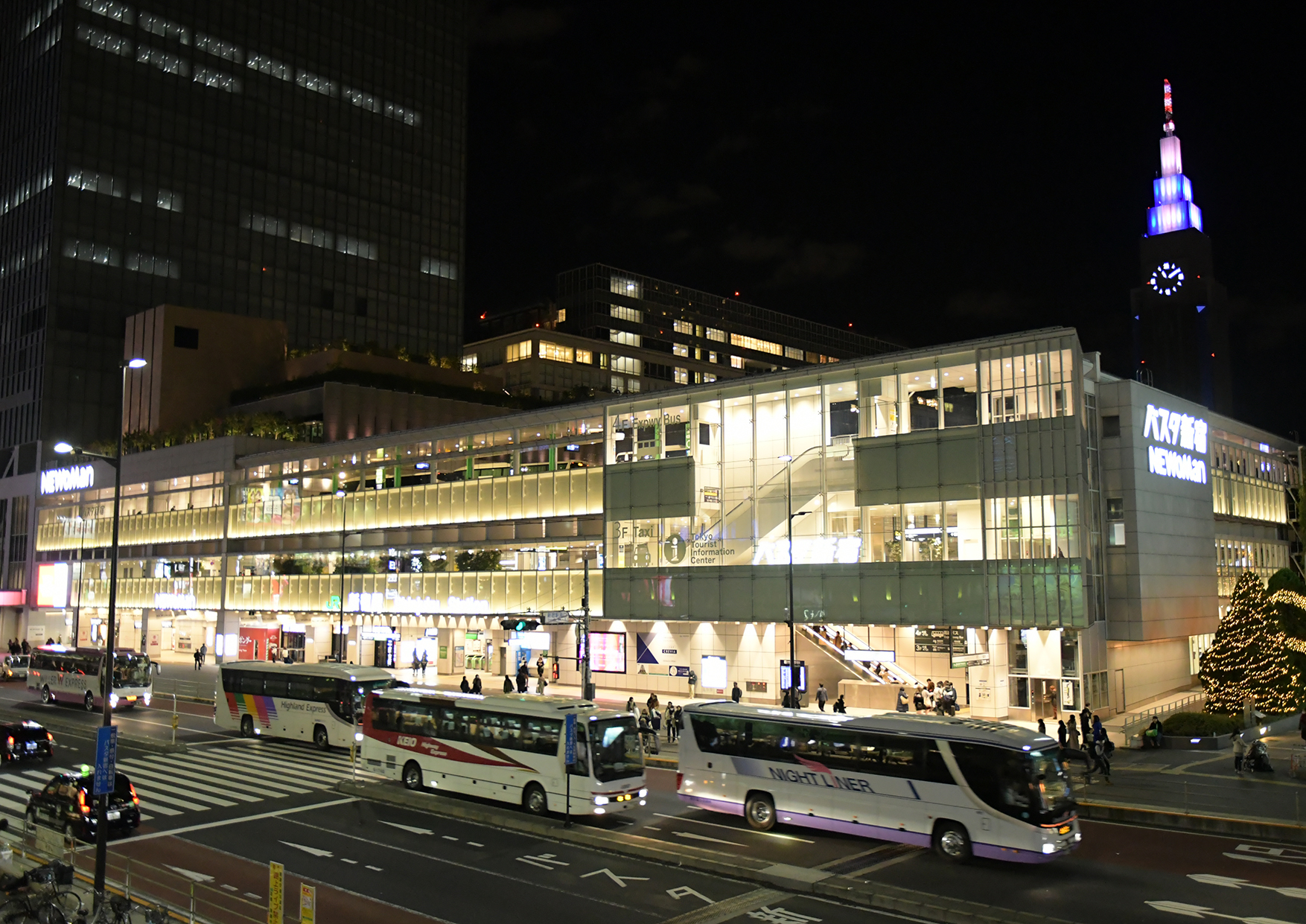

Shinjuku feels less like one station on the Yamanote Line and more like a branching point for Tokyo itself. JR lines, private railways, and subways all converge here, giving it exceptional access not only across the city but also to suburban and sightseeing areas. With the Chuo Line to Takao, Seibu routes toward Chichibu, and the Shonan-Shinjuku Line reaching Kamakura and Enoshima directly, this is more than a convenient commuter hub. It can change how you spend your weekends.
The station is always crowded, but that also means the area never really stops moving. Redevelopment around the south side and the presence of Busta Shinjuku have strengthened its role as a long-distance transportation hub, making travel across Japan feel like part of everyday life.
👉 Living here, you may find fewer reasons to stay home. Before long, you are heading somewhere almost every week.
🥈 Tokyo Station | The Urban Core Connected to All of Japan

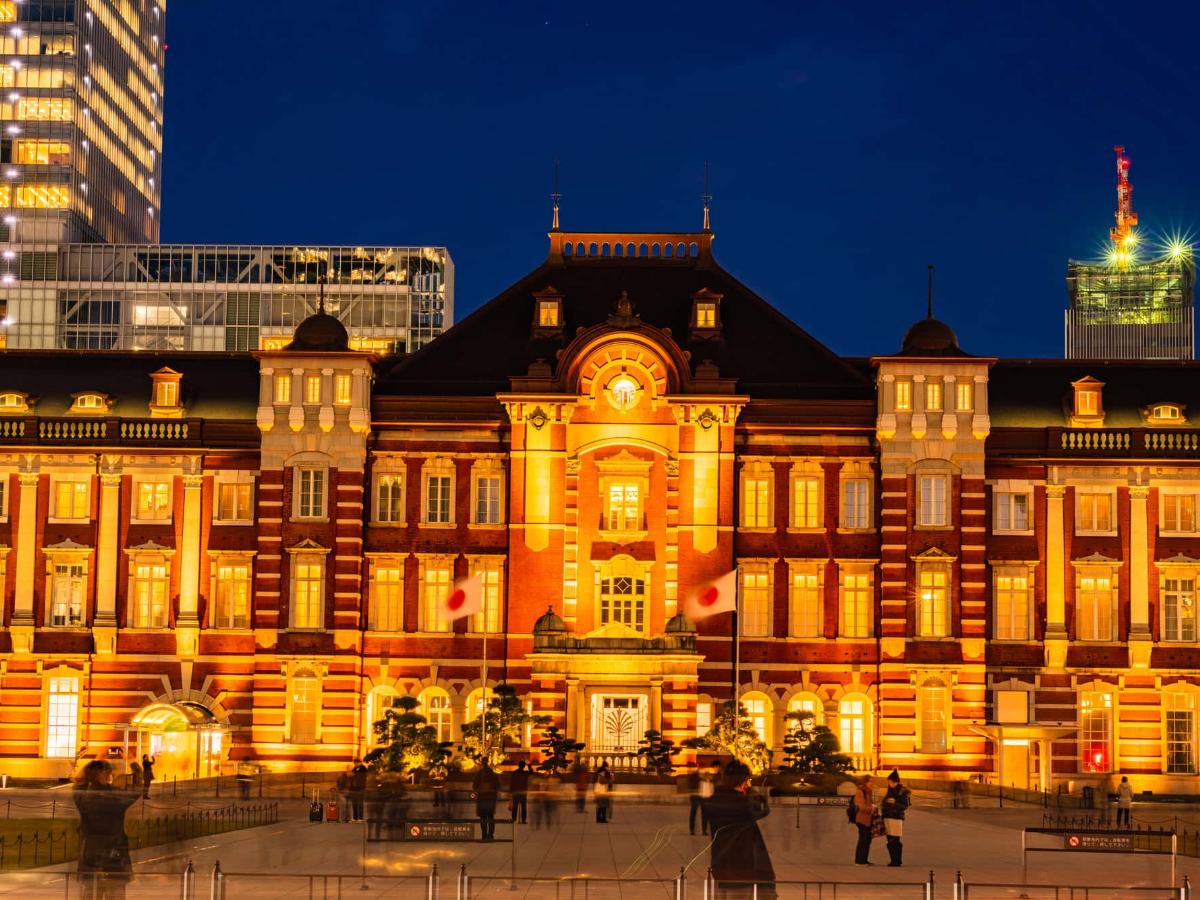
Tokyo Station is not simply a terminal. It functions as a hub directly connected to the rest of Japan. It is the departure point for the Shinkansen, has smooth access to both Haneda and Narita airports, and sits beside the Marunouchi and Otemachi business districts while also serving as a major sightseeing area.
The area around the station is well organized, and pedestrian spaces and underground routes are highly polished, which makes moving with suitcases relatively stress-free. Commercial facilities are abundant, but everyday supermarkets and a lived-in residential feeling are less visible, giving the area a stronger sense of urban concentration than ordinary neighborhood life.
👉 Living here can feel less like being in Tokyo and more like standing at the center of Japan.
🥉 Shinagawa Station | A Mobility-Focused Hub for Airports and Shinkansen


Shinagawa is a station with extremely practical strength, combining Shinkansen access with direct routes toward Haneda Airport. In addition to the Keikyu Line connection to the airport, the Tokaido Shinkansen gives smooth access toward western Japan. Redevelopment around the Konan side has created a business-oriented district where functionality defines the atmosphere of the whole area.
The area can feel a little dry in terms of everyday atmosphere, but that reflects its purpose.
👉 Living here, movement stops feeling special and starts feeling routine.

Final Perspective
Tokyo’s stations each serve a different role.
Even along the same Yamanote Line, the character of each area changes significantly depending on where it connects most easily and what kind of people flow through it.
Shinjuku functions as a hub that sends people in every direction,
Tokyo Station operates as a center that connects cities to other cities,
and Shinagawa exists as a station that brings long-distance travel into everyday life.
All of them can be described as “convenient,”
but in reality, the nature of that convenience differs in subtle ways.
Those differences quietly shape how people move and how they spend their days.
Even within a single loop called the Yamanote Line,
the view changes depending on which station you choose.